

What Is KCS and How to Pledge It (Including Step-by-Step Guide)
2026/04/06 12:04:45
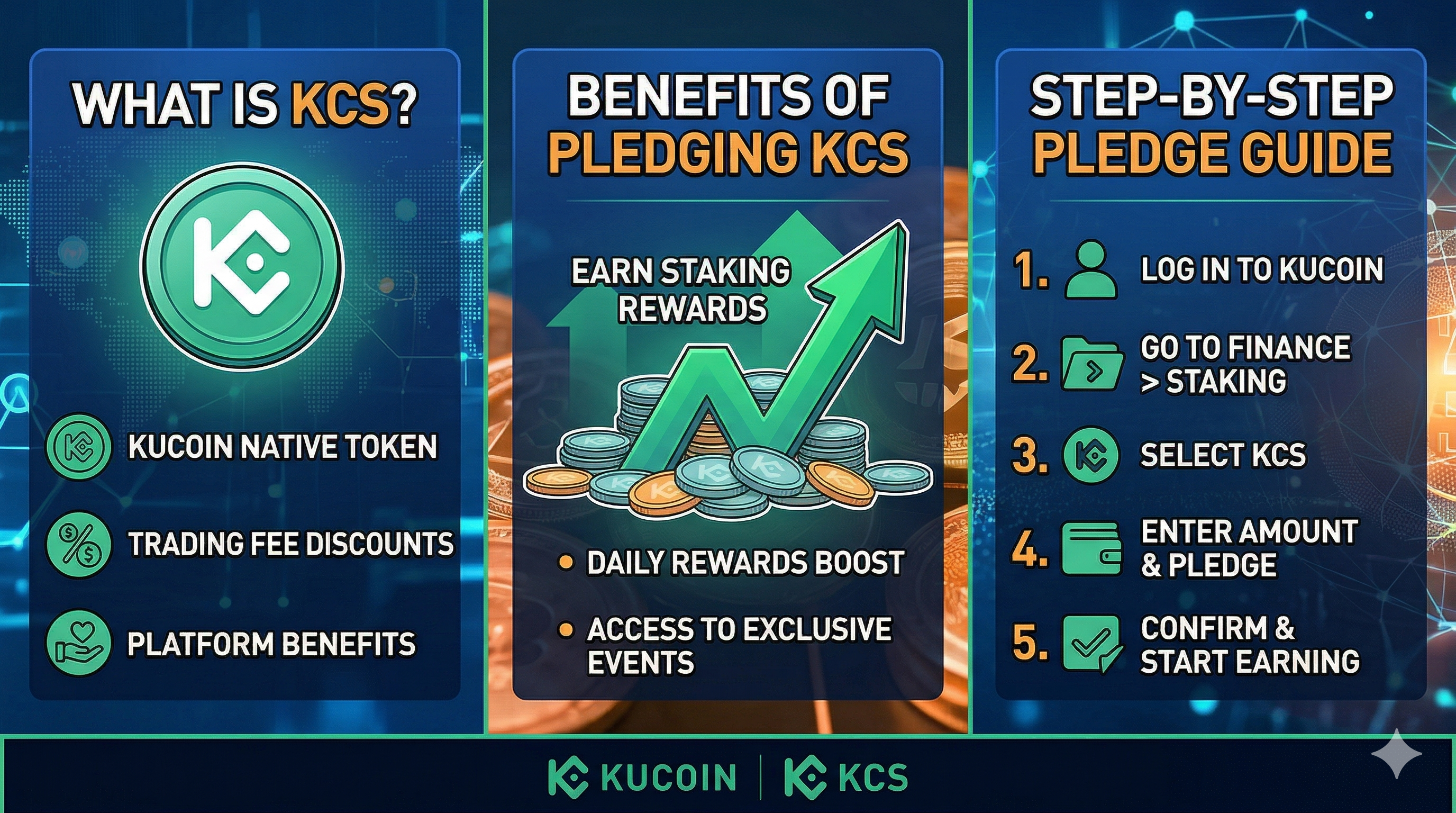
KCS is more than a typical exchange token, it represents a growing ecosystem where holding and pledging tokens unlocks a range of financial incentives, platform privileges, and passive income opportunities. As staking becomes a core mechanism in crypto participation, understanding how KCS works and how to pledge it effectively provides users with both strategic advantages and deeper engagement within the KuCoin ecosystem.
KCS: The Token That Powers an Exchange Ecosystem
The KuCoin Token, commonly known as KCS, sits at the center of the KuCoin exchange ecosystem and functions as both a utility and reward token. Launched in 2017, it originally existed as an ERC-20 token before transitioning into its own ecosystem tied to KuCoin’s infrastructure. The token’s core purpose is to align user participation with platform growth, meaning that users who hold or stake KCS benefit directly from the activity generated on the exchange.
KCS is designed with a deflationary model, meaning part of its supply is gradually reduced over time, which can influence long-term value dynamics. Holding KCS unlocks several features, including discounted trading fees, daily bonus distributions, and access to exclusive campaigns. According to KuCoin’s official materials, users can receive fee discounts of up to 20% when using KCS to pay for trading costs.
The token has evolved beyond a simple discount mechanism. Today, it plays a role in governance, staking, and reward distribution systems. This evolution reflects a broader trend in crypto, where exchange tokens are no longer just loyalty points but integral parts of platform economies designed to incentivize long-term engagement.
Why KCS Matters in Today’s Crypto Ecosystem
KCS holds a unique position in the crypto market because it connects user activity directly with exchange performance. This model creates a feedback loop: as the platform grows, the value proposition of holding KCS strengthens. This is particularly relevant in a market where users are constantly looking for ways to maximize yield and utility from their assets.
One of the most notable features of KCS is its revenue-sharing element. A portion of KuCoin’s trading fees is distributed back to KCS holders through daily bonuses, creating a passive income stream tied to exchange activity. This makes KCS function somewhat like a dividend-paying asset, although structured differently within crypto frameworks.
KCS also plays a central role in KuCoin’s loyalty system. The introduction of tiered programs has expanded its utility, offering users increasing benefits as they hold or stake more tokens. These benefits include higher staking yields, access to exclusive events, and enhanced earning opportunities.
This layered utility helps explain why KCS continues to attract attention. It is not just about holding a token; it is about participating in a broader ecosystem where activity, loyalty, and financial incentives are closely linked.
What Makes KCS Different From Typical Exchange Tokens
KCS stands apart from many exchange tokens because of how deeply it is integrated into the operational structure of KuCoin. While many tokens offer discounts or limited perks, KCS connects directly to the platform’s revenue streams and user activity. This creates a more dynamic relationship between the token and the exchange itself.
One of the most notable features is the daily bonus system, where a portion of trading fees is redistributed to KCS holders. This approach gives users a tangible reason to hold the token long-term, as their rewards are influenced by the platform’s overall trading volume. Instead of relying solely on speculation, KCS introduces an earning mechanism tied to real usage.
KCS also plays a role in unlocking features across the platform. Users who hold or stake the token gain access to exclusive campaigns, improved earning rates, and participation opportunities in various KuCoin initiatives. This layered utility makes the token more versatile compared to many alternatives.
The structure of KCS reflects a broader shift in crypto design, where tokens are used to build ecosystems rather than serve as isolated assets. By linking rewards, participation, and platform growth, KCS creates a system where users are encouraged to stay active and engaged over time.
How KCS Generates Passive Income for Holders
KCS offers a model where holding the token can generate passive income through structured reward systems. The most well-known feature is the KCS bonus, which distributes a share of KuCoin’s daily trading fees to eligible holders. This system transforms the token into an income-generating asset, rather than something that only gains value through price appreciation.
The way this works is relatively straightforward. KuCoin allocates a portion of its collected trading fees and redistributes them to users who hold a minimum amount of KCS. The rewards are calculated daily and credited automatically, removing the need for manual claims. This creates a consistent earning experience that appeals to both active traders and long-term holders.
In addition to the bonus system, staking KCS provides another layer of income. When users pledge their tokens, they receive rewards based on the staking program they choose. These rewards can vary depending on factors such as market demand and total participation.
The combination of bonuses and staking creates a dual-income structure. This approach is part of what makes KCS attractive, as it allows users to earn in multiple ways simultaneously. It also reinforces the idea that holding the token is not just about speculation, but about participating in a system that continuously generates value.
Understanding “Pledging” KCS: What It Really Means
In the context of KCS, “pledging” is often used interchangeably with staking, although the underlying mechanics can vary depending on the product. At its core, pledging involves committing your KCS tokens to a specific program in exchange for rewards. These rewards can come from staking yields, platform incentives, or additional bonuses tied to loyalty programs.
Pledging KCS is typically done through KuCoin Earn, which acts as a hub for various financial products. When users pledge their tokens, they are essentially locking them into a system that generates returns over time. These returns are calculated based on factors such as the amount pledged, the duration, and the overall yield rates available on the platform.
Staking KCS can generate daily rewards, which are automatically credited to the user’s account. This removes the need for manual claiming and simplifies the earning process. According to KuCoin, rewards usually begin accruing shortly after staking and are distributed on a regular schedule. The concept is straightforward but powerful. Instead of leaving tokens idle, users can actively deploy them to generate returns, turning KCS into a productive asset rather than a static holding.
How KCS Staking Works Behind the Scenes
KCS staking operates within a broader framework of crypto staking, where assets are used to support network functions or platform operations in exchange for rewards. While some cryptocurrencies rely on proof-of-stake validation, KCS staking is more closely tied to exchange-based reward distribution and ecosystem participation.
When users stake KCS, they contribute to a pool that is used to support various platform activities, including governance participation and reward allocation. In return, they receive a portion of the rewards generated by these activities. This structure allows KuCoin to incentivize long-term holding while maintaining liquidity within its ecosystem.
The rewards generated from staking are influenced by several factors, including total staked supply and market conditions. As more users stake KCS, the reward distribution adjusts accordingly, creating a dynamic system that responds to user behavior.
From a practical perspective, staking on centralized platforms like KuCoin is designed to be user-friendly. Unlike self-staking on blockchain networks, users do not need to manage validators or technical infrastructure. This simplicity makes staking accessible to a broader audience, even those new to crypto.
Step-by-Step Guide: How to Pledge (Stake) KCS
Getting started with KCS staking involves a clear sequence of steps that are designed to be straightforward even for beginners. The process begins with acquiring KCS, which can be done through the KuCoin spot market. Once the tokens are in your account, the next step is to access the KuCoin Earn section.
Inside KuCoin Earn, users can browse available staking products. These include flexible and fixed-term options, each with different reward structures. Flexible staking allows users to withdraw their funds with minimal delay, while fixed-term staking often offers slightly higher returns in exchange for committing tokens for a set period.
After selecting a product, users enter the amount of KCS they wish to stake and confirm the transaction. Once completed, the tokens are locked into the staking program, and rewards begin accruing according to the platform’s schedule.
The entire process is designed to take only a few minutes, making it accessible even for users who are new to crypto. The simplicity of this workflow is one of the reasons KCS staking has gained traction among retail participants.
Types of KCS Staking Options Available
KCS staking is not a one-size-fits-all system. KuCoin offers multiple staking options to cater to different user preferences and risk profiles. These options generally fall into two main categories: flexible staking and fixed-term staking.
Flexible staking allows users to deposit their KCS and withdraw it after a short redemption period. This option is ideal for users who want to maintain liquidity while still earning rewards. The trade-off is that the returns are usually lower compared to fixed-term products.
Fixed-term staking requires users to lock their tokens for a specified duration, such as 30 or 60 days. In return, they receive higher yields. This option is better suited for users who are comfortable committing their assets for a longer period.
KuCoin’s official staking page highlights that rewards are calculated daily and distributed automatically, providing a steady income stream for participants. This variety of options allows users to tailor their staking strategy based on their financial goals and market outlook.
Rewards and Incentives: What You Actually Earn
The rewards from staking KCS come from multiple sources, creating a layered earning structure. The most direct form of reward is staking yield, which is calculated based on the amount of KCS pledged and the prevailing rates.
In addition to staking yields, KCS holders benefit from platform-related incentives. These include trading fee discounts, participation in exclusive campaigns, and access to bonus programs. Some initiatives, such as PulseDrop, further expand the reward ecosystem by linking user activity to additional incentives.
KCS also plays a role in loyalty programs, where higher staking levels unlock increased benefits. These benefits can include higher reward multipliers, access to special events, and enhanced earning opportunities across the platform. This multi-layered reward system is one of the key reasons why KCS staking is attractive. It goes beyond simple yield generation and integrates users into a broader ecosystem of incentives.
Conclusion
KCS represents a move in how exchange tokens function, evolving from simple utility assets into multi-purpose instruments that combine rewards, governance, and ecosystem participation. Its staking mechanism allows users to turn passive holdings into active income-generating assets, while also unlocking a wide range of platform benefits.
The process of pledging KCS is designed to be accessible, making it easy for both beginners and experienced users to participate. As the KuCoin ecosystem continues to expand, the role of KCS is likely to grow, offering even more opportunities for users to engage and earn.
FAQ Section
-
What is KCS in simple terms?
KCS is the native token of the KuCoin exchange, used for trading discounts, rewards, and staking benefits.
-
How do you pledge KCS?
You pledge KCS by staking it in KuCoin Earn, selecting a staking product, and confirming the amount.
-
Is staking KCS profitable?
It can generate passive income through rewards, but returns vary based on market conditions.
-
Can you withdraw staked KCS anytime?
Flexible staking allows withdrawals after a short period, while fixed staking requires waiting until maturity.
-
What are the risks of staking KCS?
Risks include market volatility and platform-related risks.
Disclaimer
This content is for informational purposes only and does not constitute investment advice. Cryptocurrency investments carry risk. Please do your own research (DYOR).