Buy Crypto
Markets
Trade
Derivatives
Launch Hub
Earn
Institutional
More
Log In
Sign Up
Page Not Found
We couldn’t find the page you’re looking for, but don't worry—there's plenty more to explore on our homepage.
Back to Home
Buy Crypto
Buy instantly using Visa, MasterCard, bank transfers and more
Trade Now
Buy Crypto
P2P Trading
From verified merchants using a range of local payment methods
Fiat Deposit
Top up fiat balance with bank transfer
Third-Party
Banxa, Simplex, BTC Direct, Onramp
Spend Crypto
KuCoin Pay
Explore new crypto-friendly payment and merchant solutions
Spend Crypto
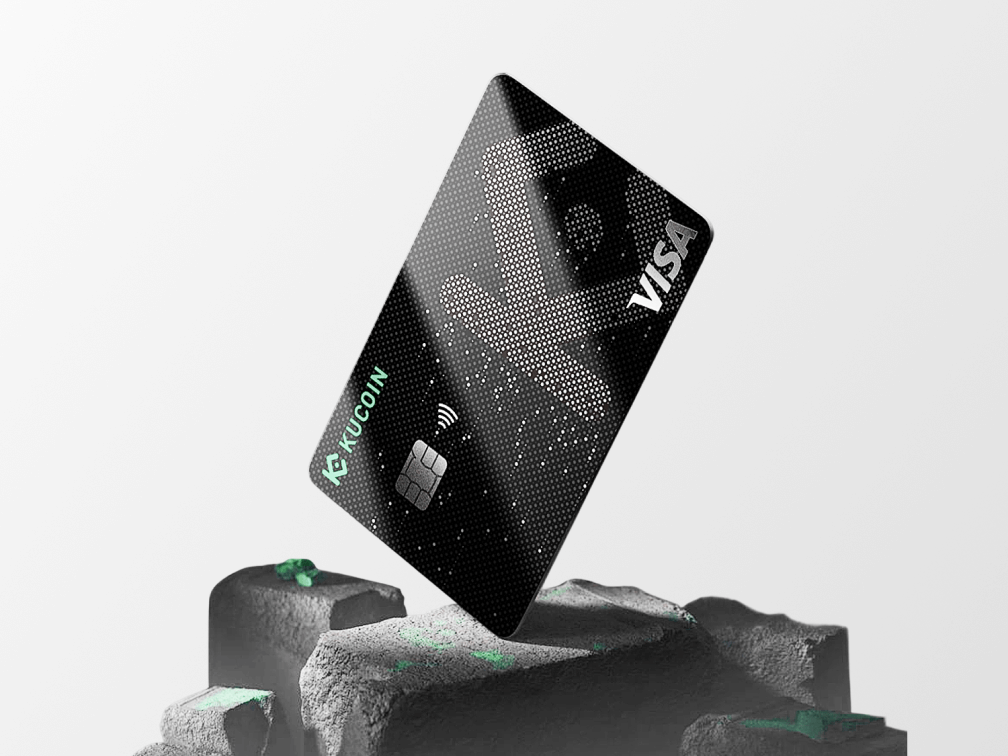
KuCard
Use KuCard to pay and get cashbacks
Alpha Potential Coins Ranking
Be the first to capture high quality on-chain assets.
View
Trade
Spot Trading
Trade crypto with comprehensive tools
Margin Trading
Magnify profits with leverage
Trading Bot
Automate your trades with algorithmic help
Convert
The easiest way to trade
Copy Trading
Grow your profits with top traders
KuCoin Alpha
Capture early on-chain opportunities
label
Majors
New
TON
More
BTC
/USDT
10X
66,312
+3.21%
ETH
/USDT
10X
1,939.61
+4%
XRP
/USDT
10X
1.13491
+4.02%
USDC
/USDT
10X
1.0007
0%
SOL
/USDT
10X
78.44
+2.38%
ADA
/USDT
10X
0.1751
+7.48%
DOGE
/USDT
10X
0.07352
+2.09%
TRX
/USDT
10X
0.3268
+0.18%
PAXG
/USDT
10X
4,057.87
+1.01%
KCS
/USDT
10X
6.751
+2.07%
XAUT
/USDT
5X
4,060.64
+1.01%
Stock Index Perpetual Contracts
Capture opportunities across the world’s leading indices
Trade Now
Futures
Futures Overview
Browse all crypto derivatives
USDⓈ-Margined Futures
USDⓈ-settled linear contracts
Coin-Margined Futures
Coin-settled inverse contracts
Stock Index Perps
HOT
Access and trade key global indices
Futures Perks
Discover exciting events and exclusive perks
KuCoin Futures Crypto Cup
Squad up for your nation. Trade solo. Win 100% guaranteed lucky draw prizes.
label
ALL
USDT-ⓜ
USDC-ⓜ
BTCUSDT
Perp
66,250.5
+3.18%
ETHUSDT
Perp
1,938.79
+4%
SOLUSDT
Perp
78.414
+2.41%
WIFUSDT
Perp
0.1542
+2.18%
PEPEUSDT
Perp
0.000002936
+3.07%
DOGEUSDT
Perp
0.07356
+2.22%
XRPUSDT
Perp
1.1345
+4.03%
0GUSDT
Perp
0.18251
+8.44%
1000000MOGUSDT
Perp
0.1038
+3.8%
10000CATUSDT
Perp
0.01303
+1.87%
10000REKTUSDT
Perp
0.001188
-1.32%
10000SATSUSDT
Perp
0.000096
+1.26%
1000BONKUSDT
Perp
0.003064
+3.09%
1000CHEEMSUSDT
Perp
0.00048
+0.04%
1000RATSUSDT
Perp
0.02642
-2.97%
1INCHUSDT
Perp
0.0757
+2.85%
1MBABYDOGEUSDT
Perp
0.0003073
+2.43%
2ZUSDT
Perp
0.065415
+0.57%
Overview
GemSPACE
Where the newest crypto gems are listed
Early Access
HODLer Airdrops
Earn simply by holding
Spotlight
Early access to new tokens
GemPool
Lock tokens to earn free airdrops
Hot Trends
USD1 Points Program
Participate in daily tasks and earn USD1 Points
GemSlot
Complete tasks daily to earn free airdrops
GemVote
Earn votes to support your favorite tokens to be listed
Overview
KuCoin Earn
A range of yield products to grow your crypto steadily
Stable
Simple Earn
Deposit or withdraw anytime, earn daily rewards
Hold to Earn
Earn rewards by holding assets in Funding, Trading, Margin, and Futures Accounts
Staking
Unlock generous on-chain rewards
Crypto Lending Pro
Earn flexible returns by lending crypto assets
Advanced
Overview
Advanced plans for different market conditions
Dual Investment
Buy low and sell high for substantial annual yields
KuMining
Easy mining, smart earnings
Shark Fin
High-yield investment products with principal protection
Discount Buy
Buy at a discount and earn yield
Wealth
KuCoin Wealth
Discover future value and begin your smart investing journey
KCS Center
KCS Benefits
Hold and stake KCS for fee discounts, boosted rewards, and more
KCS Staking
Participate in KCS on-chain governance and earn steady rewards
KCS Loyalty
Stake KCS and enjoy exclusive benefits
KuCoin VIP Benefits Overview
Unlock faster upgrades, higher rewards, and stronger protection with KuCoin VIP
Learn More
Institutional
Institutional Home
Where trust secures innovation
Institutional Benefits
One-stop access to institutional privileges
Broker
Partner with us to earn competitive commissions
Market Maker
Benefit from high liquidity and lucrative rewards
API
API Services
All-in-one trading and data APIs to power your next-gen crypto strategies
VIP
VIP Home
Beyond trading, into exclusive privileges
VIP Benefits
Achievement milestones and exclusive upgrade rewards
TradePilot Program
Cross-exchange copy trading infrastructure for elite traders
Unified Trading Account
NEW
Cross-collateralized for maximum capital efficiency
Quarterly VIP Level Shield
Stay Protected Through Market Volatility and Preserve Your VIP Tier
Promotions
Events Hub
Big rewards and fresh events—no tricks, just perks. See what's on now!
Rewards Hub
Check here often for new rewards and perks as you trade
Referral Program
Refer friends to earn a 35% commission
Affiliate Program
Earn up to 60% commission as an agent, community leader, or KOL
Live
Apply and earn up to 70% commission
Information
Square
Discover trending community topics and KOL opportunities
KuCoin Learn
The best way to learn crypto and web3
Knowledge Base
Get the clarity and data-driven insights you need to trade with confidence
Announcements
Important updates and official news from KuCoin
Blog
The official blog for blockchain insights and analysis
News
Stay informed with the latest headlines and crypto trends
Applications
Kia AI Assistant
Your personal smart assistant
Community
Share airdrops and trading strategies with the community
Security
Keep your assets safe with our protection tools
Others
Brand Partnerships
Discover our partners
Learn & Earn
Get rewarded as you learn about crypto