

Strait of Hormuz Risks: How Energy Markets Affect Crypto
Thesis Statement
As the Strait of Hormuz faces fresh tensions in 2026, the intricate link between energy prices and digital assets has reached a critical tipping point. This article examines the real-time impact of $100+ oil prices on crypto liquidity, miner profitability, and investor psychology, revealing why a maritime chokepoint thousands of miles away now governs the volatility of your blockchain portfolio.
The Silent Pulse of the Strait That Beats in Your Digital Wallet
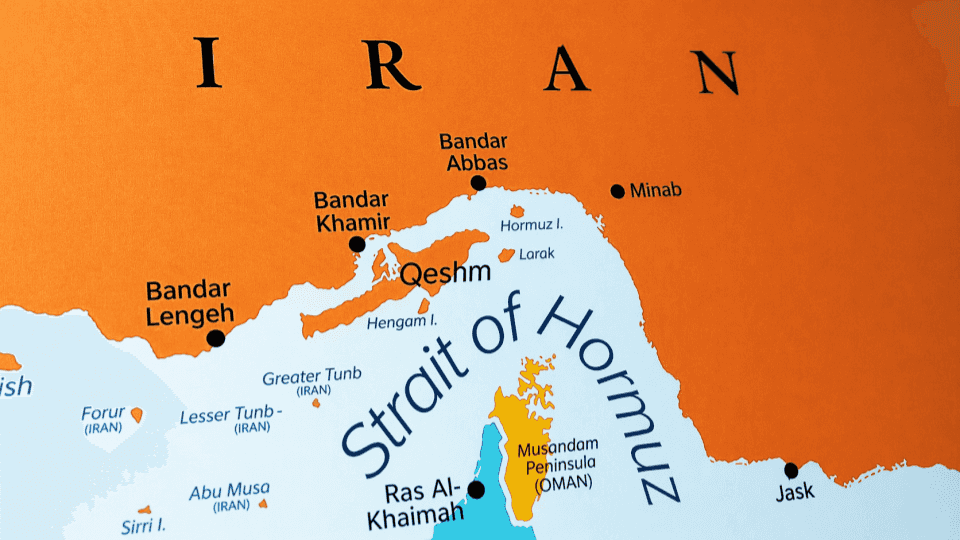
The world woke up on April 23, 2026, to a familiar yet jarring headline: oil prices have surged past $102 per barrel. This jump follows reports of Iranian interventions involving two foreign vessels in the Strait of Hormuz, citing alleged security violations. While the average observer might view this as a purely geopolitical or energy-centric event, the reality for the modern digital asset holder is far more intimate. The Strait of Hormuz is a narrow passage through which roughly one-fifth of the world’s liquid energy flows every single day. When this artery constricts, the ripples do not just stay in the water; they travel through the global financial system at the speed of light, hitting digital ledgers within seconds. This connection is not a mere coincidence but a structural reality of the 2026 economy, where energy is the primary input for both physical and digital value creation.
Despite fragile ceasefire extensions, the market remains on high alert. For a crypto investor, this translates into immediate risk-off behavior. When the threat of a maritime blockade becomes real, the global appetite for speculative risk evaporates. Traders who were bullish on decentralized finance protocols or high-growth tokens suddenly find themselves staring at a screen filled with red. The reason is simple: energy uncertainty breeds inflation fears. If oil stays above $100, the cost of everything from shipping containers to grocery deliveries rises, prompting central banks to keep interest rates high. High rates are the natural enemy of crypto growth. Thus, the physical movement of a tanker through a 21-mile-wide channel in the Middle East is directly tied to the buy and sell buttons on a smartphone in New York or Tokyo.
This 2026 crisis has proven that the crypto market is no longer an isolated sandbox. It is a sophisticated extension of the global macro environment. When news broke of the vessel seizures, the response was near instantaneous on major trading platforms. A surge in oil prices often acts as a precursor to a liquidity flush in the crypto space, as institutional desks sell their most liquid and volatile assets to cover margins elsewhere. This creates a fascinating paradox: the very technology designed to be borderless and decentralized is, at its core, deeply sensitive to the oldest and most centralized energy routes on the planet. Understanding this pulse is the first step in surviving the current market cycle.
The Physics of the Choke Point: From Tankers to Transaction Fees
To understand why the Strait of Hormuz matters to a blockchain, one must look at the physical costs of maintaining a digital network. In 2026, the energy efficiency of mining hardware has reached new heights, but the absolute demand for power remains staggering. A report notes that electricity is the dominant operating cost for miners, typically representing 60% to 80% of total expenses. When energy prices rise globally due to a crisis in the Middle East, the cost of securing a network like Bitcoin rises proportionally. While many large-scale mining operations use renewable sources, a significant portion of the global grid still relies on natural gas and oil-fired power plants.
When the Strait is threatened, the global price of gas often spikes alongside oil, driving up the floor price for every hash produced. This energy-to-crypto pipeline creates a scenario where transaction fees can become volatile. If the cost of power doubles in a major mining hub like North America or Northern Europe because of global energy shortages, miners must either shut down their rigs or demand higher rewards to stay profitable. If the network difficulty remains high while energy costs surge, the sell pressure from miners increases as they are forced to liquidate their holdings to pay their utility bills. This sell pressure acts as a heavy weight on the market price. The physical reality of the choke point is that it restricts the very fuel that allows the digital economy to run. A blockade doesn't just stop oil; it effectively taxes every transaction on a proof-of-work chain by increasing the overhead of the validators.
Why Your Favorite Token Might Be Tethered to a Rusty Tanker
The 2026 crypto landscape is characterized by an "everything is connected" reality. Even if a specific token has nothing to do with energy or mining, it is still tethered to the fate of global trade. Most digital assets are traded in pairs against stablecoins or major cryptocurrencies. When a geopolitical crisis like the Hormuz vessel seizures occurs, it triggers a flight to liquidity. This liquidity is often found in the very currencies and commodities that are most impacted by the crisis. For example, if a major economy is forced to spend more on oil imports, its national currency may weaken. Investors in that country might then sell their crypto holdings to convert back into their local currency to cover rising living costs. This creates a localized sell-off that quickly goes global. A further influence is the role of institutional risk models.
The rusty tanker in the Strait is the literal weight on the scale of global risk appetite. Furthermore, the 2026 energy market is more integrated than ever. The rise of petro stablecoins and energy-backed tokens has made the link even more explicit. While these are niche products, they represent a broader trend of trying to bridge the gap between hard commodities and digital assets. However, this bridge works both ways. If the underlying commodity oil becomes volatile or inaccessible, the digital wrapper reflects that chaos. This year, we have seen that the digital gold narrative often fails during the first four to five weeks of a military conflict, as the market prioritizes immediate liquidity over a long-term store of value. This realization has been a wake-up call for many who believed crypto was a complete escape from the old world's troubles.
How a Broken Ceasefire Sends Miners Hunting for Stranded Energy
The fragile peace in the Middle East has been the only thing keeping the energy markets from a total meltdown in early 2026. However, the news from April 22, 2026, suggests that the ceasefire extension signaled by the U.S. is not as stable as many hoped. According to the analysis, while the chance of oil hitting $160 remains low at 0.8%, the mere discussion of such a spike sends shockwaves through the mining community. When a ceasefire feels broken, miners stop looking at the 24-hour chart and start looking at the 24-month horizon. They begin hunting for stranded energy sources of power that are geographically isolated from the global grid and therefore immune to the price fluctuations caused by the Strait of Hormuz.
This hunt has taken miners to the most remote corners of the Earth, from the geothermal vents of Iceland to the stranded natural gas fields of Kazakhstan. The logic is simple: if the global energy market is on fire, you want to be as far away from the matches as possible. Yet, even these remote operations are not entirely safe. A global energy crisis affects the cost of spare parts, the availability of technical staff, and the stability of the internet service providers. The broken ceasefire narrative is a constant reminder that the digital world is anchored to a very physical and very volatile geopolitical reality.
In 2026, the most successful miners are those who have successfully decoupled their energy supply from the global oil benchmarks. A further factor to consider is the movement of capital within the mining industry. When the Strait is in the headlines, investors in publicly traded mining companies often dump their shares, fearing that high energy costs will eat into dividends. This reduces the capital available for these companies to expand or weather the storm. This financial pressure is just as damaging as the physical energy costs. It forces a consolidation of the industry, where only the most well-capitalized firms survive. The broken ceasefire in the Gulf, therefore, acts as a filter, removing the inefficient and the overleveraged from the blockchain's security layer. It is a brutal, market-driven evolution triggered by the movement of naval destroyers and oil tankers.
The Surprising Reason Bitcoin’s Safety Net is Built on Oil Support
Despite the volatility, there is a surprising floor that oil prices provide for the crypto market. In 2026, the cost of production theory has gained renewed traction. This theory suggests that the price of a digital asset will rarely stay below the cost required to create it for very long. If high oil prices drive up the cost of electricity globally, the cost to mine a single Bitcoin rises. This creates a psychological support level for the market. Investors look at the soaring energy bills of miners and conclude that the value of the coin must be at least as high as the energy consumed to produce it. This is why we saw Bitcoin find support at $70,000 in late March 2026, even as the broader markets were panicking about the Middle East. Reports show that nearly 600,000 BTC changed hands in the $60k–$70k range during the last oil shock.
This concentration of buyers suggests that the market has accepted a new normal for the price of digital assets, one that is firmly anchored to the price of energy. If oil were at $40, the safety net for Bitcoin might be much lower. But at $102, the energy backing of the network is so substantial that it creates a barrier against further decline. This is the great irony of the 2026 market: the very factor that causes the initial panic (high oil prices) also provides the long-term price support. A separate justification for this support is the commodity coin thesis. Some institutional investors have begun to view Bitcoin as a synthetic energy export.
If a country has excess energy but cannot export it due to a blockade in the Strait of Hormuz, it can export that energy digitally by mining and selling Bitcoin. This makes the blockchain a release valve for energy-rich regions facing geopolitical isolation. During the current April 2026 crisis, there have been whispers of increased mining activity in regions that are traditionally hampered by maritime trade restrictions. This activity provides a steady stream of buy-side demand for the network, as the digital asset becomes the only viable way to monetize a nation's energy reserves in the face of a physical blockade.
Why Digital Gold Flinches When Real Gold Rises in the Strait
One of the most significant shifts in 2026 has been the divergence between Bitcoin and gold during active conflicts. Historically, both were seen as safe havens. However, recent data shows that in 2026, the correlation between Bitcoin and gold turned negative (-0.27). When the Strait of Hormuz tensions spiked this April, gold prices marched steadily upward as investors sought an asset with no counterparty risk and no dependency on the power grid. Bitcoin, in contrast, flinched. This is because the digital gold narrative has been overshadowed by the high-beta tech reality. In a moment of kinetic warfare or maritime blockade, the market values the asset that you can hold in your hand over the one that requires a functioning internet connection and a stable electricity price.
This flinching is a sign of market maturity, though perhaps not the kind that crypto enthusiasts hoped for. It shows that institutional investors now treat crypto as part of their risk bucket, not their hedge bucket. When a naval skirmish occurs, the risk managers sell the risk crypto to buy the hedge gold. This creates a widening gap between the two assets. Gold becomes the beneficiary of the chaos in the Strait, while crypto becomes its victim. This trend has been particularly visible in the last 30 days, as gold reached new all-time highs while Bitcoin struggled to reclaim its previous peaks.
FAQ
1. How do oil price spikes in the Strait of Hormuz impact daily crypto prices?
Rising oil prices act as a signal for global inflation, pushing institutional investors toward a risk-off stance. This typically triggers automated sell-offs in Bitcoin and Ethereum as traders move capital into safer assets or cash.
2. Is Bitcoin behaving as a safe haven during the 2026 Middle East tensions?
Currently, Bitcoin is trading more like a high-risk tech stock than a safe haven. While gold prices have climbed during recent naval skirmishes, digital assets have shown high volatility and frequent price dips in response to conflict news.
3. Why does a maritime blockade in the Gulf cause the mining hashrate to drop?
Energy costs are globally linked; a bottleneck in the Strait of Hormuz drives up natural gas and electricity prices. When power costs exceed mining rewards, less efficient operations shut down, causing a measurable decrease in the network's total computing power.
4. Can decentralized finance bypass the economic shocks caused by energy crises?
DeFi offers a borderless financial path that remains functional even when traditional shipping or banking routes are restricted. While token prices remain volatile, the infrastructure allows for peer-to-peer value transfer that ignores physical maritime blockades.
5. What role do stranded energy miners play when global oil markets are unstable?
These miners utilize isolated power sources, like geothermal or vented gas, that aren't tied to the global grid. Because their costs don't rise with oil prices, they provide a vital stabilizing layer for the blockchain during energy supply shocks.
6. When will the crypto market finally decouple from the influence of the oil barrel?
True decoupling requires the mining industry to shift entirely to renewable, behind-the-meter power. Until digital assets are no longer viewed as speculative risk by institutional desks, they will continue to fluctuate alongside energy-driven macro trends.