




Headline: Solana memecoin KIMCHI crashes more than 95% after promo post deleted — questions raised over Pump.fun co‑founder’s repost
A newly launched Solana memecoin called KIMCHI plunged over 95% after a promotional post tied to crypto trader “kimchi” on X disappeared — and Pump.fun co‑founder Alon (X: @a1lon9) briefly reposted that announcement before undoing it. The episode has sparked accusations of suspicious trading, blockchain forensic probes and renewed scrutiny of Pump.fun token launches, although investigators emphasize that allegations of coordinated wrongdoing remain unproven.
What happened
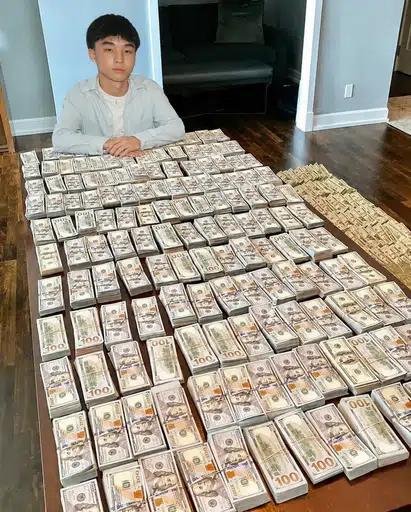
- Lookonchain reports that kimchi’s X account (@kimchi1x) posted an AI‑generated promo image containing a QR code linking to a freshly created token on Pump.fun after receiving 500 million KIMCHI tokens. Pump.fun co‑founder Alon reposted the announcement; both posts were later removed.
- KIMCHI’s market capitalization jumped quickly — briefly reaching around $10–14 million — then collapsed by more than 95% (some observers pegged the fall closer to 99%) after the promotional posts vanished.
- Traders who bought near the peak were left holding tokens as liquidity and price evaporated.
Blockchain findings and profit estimates
- Lookonchain said several wallets accumulated KIMCHI at low prices and sold during the rally, estimating combined profits north of $385,000 from those trades. It identified three Solana addresses for further examination but noted that wallet transfers alone don’t prove who controlled them or whether there was advance knowledge.
- Bitquery separately analyzed an earlier KIMCHI launch (around Oct. 20) and flagged three linked wallets that bought and quickly sold a newly issued token, realizing about $104,000 in gains. Bitquery said it could not directly link those wallets to the token deployer and cautioned its findings relate to a different contract and sequence, so figures should not be combined with Lookonchain’s totals.
Allegations, possible explanations and responses
- X users and traders accused the accounts involved of promoting an unsafe token and urged Alon to refund affected buyers. Those remain public allegations; there is no verified finding of fraud or an official refund plan.
- Some commentators suggested a suspected account hack as an alternative explanation, but available statements have not confirmed unauthorized access.
- Neither the repost nor its deletion alone proves coordination or financial benefit by Alon or the kimchi account.
Platform context and broader data
- Lookonchain noted Pump.fun activity dipped after kimchi removed Pump.fun from his X bio: reported daily revenue fell about 16% (from ~$1.61M to ~$1.35M) and active addresses declined roughly 11% in the compared window. The timing does not prove causation.
- DefiLlama’s dashboard showed similar daily revenue and active address figures; DefiLlama distinguishes platform revenue from total fees paid by traders.
- The episode follows broader concerns about the survivability of tokens launched on Pump.fun. A Bitquery study in October found 79% of sampled Pump.fun launches had no trading after their first day — a separate, broader metric not specific to KIMCHI.
- Pump.fun has been expanding beyond memecoin launches: it recently added perpetual futures trading with Hyperliquid and rolled out Pump Bridge for cross‑chain flows.
Takeaway
The KIMCHI crash highlights the volatility and risk surrounding fast‑moving memecoin promotions, particularly when influential accounts post (and then delete) promotional content. Blockchain analytics can flag suspicious patterns and quantify on‑chain profits, but on‑chain movement alone rarely proves who controlled addresses or whether promotions were coordinated. Traders should exercise caution with newly minted tokens and heed the high failure rates many launch platforms show.
Disclosure: This is not investment advice. The information above is for educational and informational purposes only.