

Web3 & AI Profit Strategies: How to Cash In on the Decentralized Tech Boom
The convergence of Web3 and AI is creating the next frontier of technological innovation, and with it, unprecedented opportunities to earn. For those ready to move beyond just observing and actively participate, the decentralized tech boom offers several lucrative avenues. This guide will walk you through the practical strategies to profit from this powerful synergy, from being a network contributor to leveraging AI for smarter investment decisions.
1. Become a Contributor to Decentralized AI Networks
In the Web3 paradigm, artificial intelligence is no longer the exclusive domain of centralized corporations. Instead, it's being built and maintained by a global, decentralized community. By contributing to these networks, you can directly participate in their growth and get rewarded for your efforts.
Staking and Securing the Network
Many decentralized AI projects, such as SingularityNET (AGIX) and Fetch.ai (FET), operate on a staking model. Staking is the act of locking up your tokens to support the security and operations of a blockchain network. In return, you earn new tokens as a reward. This is a foundational strategy for long-term holders who believe in a project's future.
- How to get started:
1. Research and choose a decentralized AI project with a solid reputation and promising technology.
2. Acquire the project's native token from a reputable exchange.
3. Transfer your tokens to a supported wallet or the official staking platform.
4. Follow the platform's instructions to stake your tokens and claim your rewards periodically.
- Pro Tip: Be aware that staking often involves a lock-up period during which your tokens cannot be freely traded. Always read the project's documentation to understand the lock-up duration and any potential risks, such as slashing (the penalty for network validators who act maliciously).
Monetizing Your Computing Power
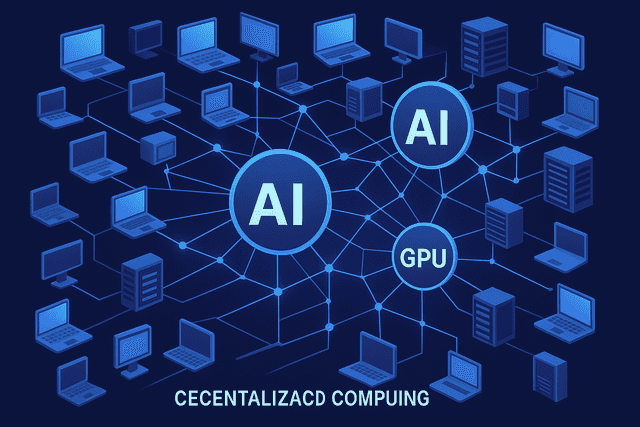
The development of sophisticated AI models requires immense computational power. Web3 is building decentralized computing networks to pool these resources. If you have idle GPU or CPU power, you can contribute it to these networks and get paid.
- How to get started:
1. Join a decentralized computing network like Akash Network (AKT) or Render Network (RNDR). These platforms connect users with unused computing resources to those who need it for rendering, machine learning, and other intensive tasks.
2. Follow the project's guidelines to connect your hardware to the network.
3. Your equipment will begin providing computing services, and you will be rewarded with the network's native tokens based on the amount of work your machine performs.
- Pro Tip: Before joining, ensure your hardware meets the network's requirements and that you're comfortable with the security and stability of the platform. This model democratizes access to computational power, moving it away from the control of a few cloud service giants.
Contributing Data for AI Training
Data is the fuel for artificial intelligence. Web3's core philosophy dictates that data ownership should belong to the user. You can get paid by contributing your data—while ensuring privacy is preserved—to decentralized AI models. Projects are emerging that create a new data economy where individuals are fairly compensated for their digital footprint.
- How to get started:
1. Find specialized data-sharing protocols that prioritize user privacy and offer a clear value proposition.
2. Upload your data to the protocol or grant it permission to use your data for AI training.
3. You will be rewarded with tokens based on the value your data brings to the AI model's development.
- Pro Tip: Only use trusted, reputable protocols with a strong track record of protecting user privacy. This is a groundbreaking shift from the current model where big tech companies monetize your data without your consent.
2. Leverage AI Tools to Find Web3 Investment Opportunities
Beyond direct contribution, AI's analytical power can be a game-changer for your Web3 investment strategies. AI can help you cut through the noise of the market and identify valuable investment signals from a sea of data.
AI-Powered Smart Contract Audits
The security of a smart contract is paramount in Web3. AI can analyze smart contract code to automatically detect vulnerabilities and security risks that could lead to exploits and financial loss. This is an indispensable tool for anyone evaluating a new DeFi project or token.
- How to get started:
1. Use AI-driven audit tools, such as the features offered by OpenZeppelin Defender, to scan the smart contracts of projects you are interested in.
2. Use the AI-generated vulnerability reports to inform your decision on whether a project is a worthwhile investment.
- Pro Tip: While AI can significantly speed up the audit process, it's not a complete replacement for a manual audit by human experts. Use it as a powerful first line of defense.
On-Chain Data Analysis and Trend Forecasting
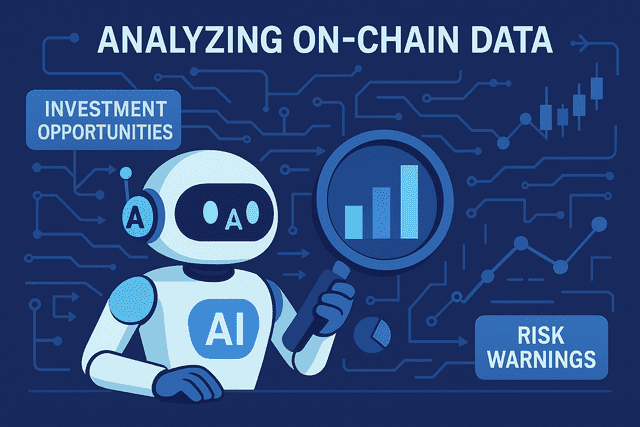
All transactions on a blockchain are public and transparent. AI can process this immense volume of on-chain data to uncover hidden investment signals, such as:
- Whale Watching: Tracking the trading behavior of large holders ("whales") to follow their movements.
- Capital Flow Analysis: Identifying where capital is flowing, which can signal which sectors are gaining momentum.
- Price Prediction: Analyzing historical data and market sentiment to predict token price movements and find potential arbitrage opportunities.
- How to get started:
1. Utilize AI-powered on-chain analytics platforms like Nansen or the AI-enhanced versions of tools like Dune Analytics.
2. Use these tools to gain actionable insights and formulate a data-driven investment strategy. This approach moves you from speculative guessing to informed decision-making.
3. Create and Trade AI-Generated Content in Web3
The fusion of AI's generative power with Web3's digital ownership model is opening up entirely new monetization pathways for creators.
Creating and Selling AI-Generated NFT Art
You can use powerful AI image generators like Midjourney or DALL-E to create unique digital art. Once created, you can mint these artworks as NFTs and sell them on marketplaces like OpenSea or Foundation. Web3 ensures that you maintain permanent ownership of your work and can receive royalties on every future sale.
- How to get started:
1. Use an AI image generator to create your desired artwork. Experiment with different prompts and styles.
2. Choose a suitable Web3 platform to mint your creation as an NFT.
3. List your NFT on a marketplace and set your price.
- Pro Tip: The value of AI-generated art lies in its uniqueness and the story behind its creation. Focus on developing a distinct style that resonates with collectors.
Trading AI-Driven Digital Assets
Beyond art, AI can generate a wide range of other digital assets, such as game items, virtual land designs, and 3D models for the metaverse. You can profit by buying and trading these unique, AI-driven assets, which are often valued for their scarcity and utility within specific Web3 ecosystems. The ability to generate such assets on-demand and prove their authenticity and ownership via the blockchain is a significant leap forward for digital economies.
Final Thoughts

The synergy between Web3 and AI is not just a technological curiosity; it's a new economic paradigm. It decentralizes control, empowers individuals, and creates a plethora of opportunities to earn. Whether you choose to be a direct contributor by staking tokens and providing resources, an intelligent investor using AI-powered analytics, or a creator of AI-generated digital assets, you can be an active participant in this decentralized tech boom. As with any emerging market, significant risks exist, and thorough research is essential. The future of a more democratic and intelligent internet is here—and you can profit from it.