

Japan Plans To Include Cryptocurrency in Its Financial Products Law: What Does Regulatory Upgrading Mean?
Thesis
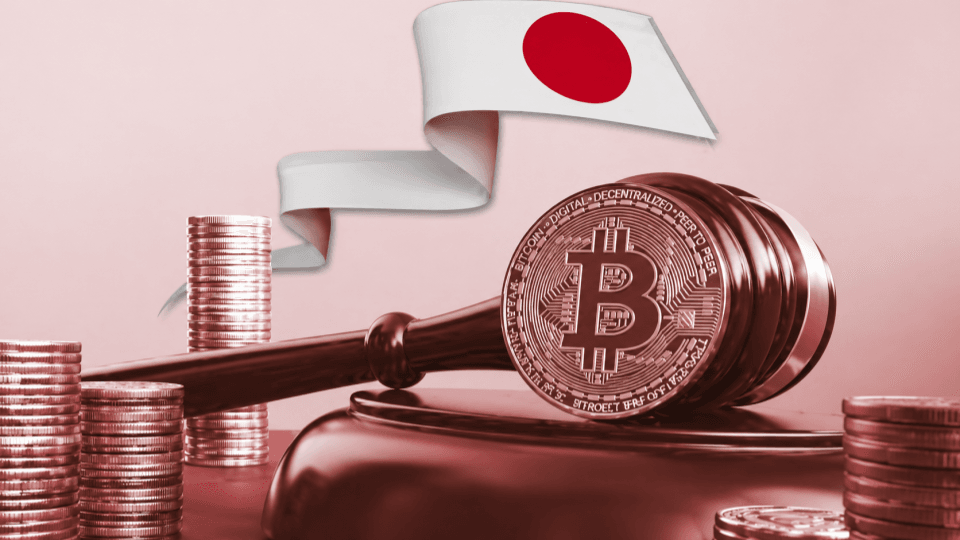
Japan's decision to treat digital assets as formal financial products marks the end of the speculative era, inviting institutional stability and retail confidence that will redefine the nation's economic ecosystem. By integrating these assets into the core of its financial ecosystem, the country is transitioning from a cautious observer to a global leader in digital wealth.
The Quiet Revolution in Tokyo’s Financial Core
The atmosphere in Tokyo’s Otemachi district has shifted significantly this April 2026. For years, the sleek skyscrapers housing the nation’s largest banks remained cautious about the digital asset space, viewing it as a playground for tech enthusiasts rather than a serious pillar of the economy. However, the recent decision to treat these assets as official financial instruments has turned that skepticism into a calculated gold rush. Traditional bankers who once dismissed the sector is now working alongside developers to build a bridge between the old world and the new.
This change is not just about a shift in definitions; it is about the maturation of an entire industry that has long struggled for a seat at the table. Local professionals are seeing a surge in activity as the barrier between traditional stocks and digital coins begins to dissolve. The streets of the capital reflect this energy, with digital billboards showcasing a new kind of financial future that is no longer hidden in the corners of the internet. This evolution represents a fundamental pivot in how the world’s fourth-largest economy views the creation and preservation of wealth in the modern age.
Why Japanese Households Are Rethinking Their Savings
For decades, the Japanese public has been known for its extreme caution, often choosing to keep vast amounts of wealth in low-interest savings accounts or even physical cash at home. However, the move to bring digital assets into the mainstream financial fold is beginning to change that deeply rooted behavior. Families are starting to see these assets as a viable part of a long-term savings plan, much like the traditional NISA investment accounts that have been popular for years.
This move in sentiment is largely due to the increased sense of security that comes when an asset is recognized as a legitimate financial product. People are becoming more comfortable with the idea of holding digital tokens alongside their regular bank balances. This transition is being driven by a desire to beat the slow creep of inflation and a recognition that the digital economy is here to stay. As more households begin to experiment with small allocations, the collective wealth of the nation is being mobilized in a way that could spark a new period of economic growth and individual financial independence.
A Significant Shift in the Tax Ecosystem for Small Investors
Taxation has long been a painful point for Japanese crypto enthusiasts, with rates previously reaching as high as 55% for top earners. A secondary catalyst for the current market boom is the proposed move toward a flat 20% tax rate on digital asset gains, which would align them with the treatment of traditional stock investments. This change, highlighted in recent policy discussions, is intended to make the market more attractive and fair for the average person. When the tax burden is simplified and reduced, it encourages people to trade more freely and hold assets for the long term without the fear of a massive bill at the end of the year.
This potential reform is being hailed as a victory for the middle class, as it allows them to keep a much larger portion of their investment returns. The prospect of a more favorable tax environment is drawing in a fresh wave of participants who were previously deterred by the complex and far-reaching hand of the old system. This creates a virtuous cycle where more participation leads to more liquidity, which ultimately results in a more robust and healthy market for the entire country.
How the Capital City Is Becoming a Global Tech Hub
The ripple effects of this financial integration are being felt far beyond the trading floors of the stock exchange. Tokyo is rapidly transforming into a beacon for global technology companies that want to build the infrastructure of the future. The clarity and maturity of the Japanese market are attracting top-tier talent from across the globe, as developers and entrepreneurs look for a stable environment to launch their ideas. The government is actively supporting this by fostering an ecosystem where innovation can thrive without the constant threat of sudden shifts in the business climate.
Startups are moving their headquarters to districts like Shibuya and Minato, drawn by the presence of both capital and a sophisticated user base. This influx of companies is driving advancements in blockchain-based identity, supply chain management, and even digital entertainment. The city is no longer just a financial center; it is becoming a laboratory for the next generation of the internet. This concentration of brainpower and resources is positioning Japan as a leader in the global race for digital dominance, ensuring the nation remains competitive in an increasingly tech-driven world economy.
Why Retirement Funds Are Eyeing the Crypto Horizon
One of the most surprising developments of 2026 is the growing interest from pension and retirement fund managers in digital assets. For a long time, these funds were the most conservative entities in the country, focusing almost exclusively on government bonds and blue-chip stocks. However, as the digital asset class has matured and become a recognized part of the financial system, these managers are beginning to see the value of a small, long-term allocation. This is driven by the need to find higher yields in a world where traditional debt markets often struggle to keep pace with the needs of an aging population.
By including digital assets, these funds can potentially boost their overall performance while keeping risk at a manageable level. This trend is a major signal of trust, as the entities responsible for the future well-being of millions of citizens would not move into a space they did not believe was stable. As retirement funds begin to build their positions, it provides a massive, long-term floor for the market, further insulating it from the short-term volatility that characterized its early years.
Bridging the Gap Between Traditional Stocks and Digital Coins
We are currently witnessing a fascinating convergence where the lines between different types of assets are blurring. In the past, you were either a stock investor or a crypto trader, with very little overlap between the two worlds. Today, those silos are breaking down as digital assets are traded on the same platforms and through the same brokers as traditional Japanese equities. This seamless integration allows for much more sophisticated investment strategies, where a person can easily rebalance their wealth between a tech giant like Sony and a digital asset like Bitcoin.
The arrival of spot exchange-traded funds (ETFs) in the near future is a major part of this bridge, as it will allow investors to gain exposure through familiar financial vehicles. This crossover is bringing a level of liquidity and professionalism to the digital space that was previously absent. It also means that the language of finance is becoming unified; terms like dividends and yield are being applied to digital protocols in a way that makes sense to the traditional investor. This harmony between asset classes is creating a more unified and powerful national economy.
The Rise of Professional-Grade Security for Retail Assets
The days of worrying about losing access to a digital wallet or falling victim to a simple online scam are rapidly fading for the Japanese public. A further consequence of the market’s integration into the formal financial world is the arrival of top-tier security solutions provided by household-name banks. These institutions are leveraging their decades of experience in protecting physical wealth to offer the same level of care for digital tokens. This means that a grandmother in Osaka can now hold digital assets with the same ease and safety as her traditional savings account, often using the same mobile app.
The technology behind this, such as multi-party computation and cold storage, is incredibly complex, but for the user, the experience is simple and secure. This invisible security is a key component of mass adoption, as it removes the technical hurdles that previously stopped people from entering the market. With the risk of loss significantly reduced, the psychological barrier to entry has crumbled, allowing a much broader demographic to participate in the digital economy with total peace of mind.
Future Proofing the Economy Against Global Financial Shifts
Japan’s proactive stance on digital assets is a strategic move to ensure long-term resilience. By building a robust and regulated framework, the nation is protecting itself from the volatility that can occur when emerging technologies are left in the shadows. This approach allows the country to adapt quickly to changes in the global financial order, such as the rise of digital currencies or shifts in international trade.
As J.P.'s report suggests, resilience and security are more important than ever in a fragmented world. Japan is positioning itself as a safe harbor for digital wealth, attracting capital from investors who are looking for stability and the rule of law. This forward-thinking strategy ensures that the nation is not just reacting to the future but actively helping to design it. By embracing the digital shift early and with high standards, the country is creating an economic foundation that is diverse, modern, and capable of weathering any storm that may come in the decades ahead.
What Lies Ahead for the Next Generation of Wealth
The most profound impact of these changes will likely be felt by the younger generation, who are entering a financial world that looks nothing like the one their parents knew. For them, digital assets are a natural and expected part of life, much like social media or online gaming. They are growing up with the tools and the confidence to manage their wealth in a purely digital environment, backed by the security of a world-class financial system. This generation will likely lead the way in finding new uses for this technology that we can barely imagine today, from digital property rights to automated microinvestments.
The long-term vision for Japan is to create a society where financial technology serves the people, making it easier and safer to grow wealth and participate in the global economy. As these young people become the primary drivers of the economy, the seeds planted today in 2026 will grow into a mature and thriving digital space. The journey from a niche interest to a pillar of national strength is nearly complete, and the future of Japanese wealth has never looked more promising.
FAQ
1. How does treating digital assets as financial products help the average investor?
When these assets are recognized as formal financial instruments, they become subject to much higher standards of safety and transparency. This means that the companies managing your money or issuing tokens requires providing clear, honest information about their operations. It also allows traditional banks to offer secure storage and trading services, so you do not have to be a tech expert to participate safely. Essentially, it brings the same level of trust and protection found in the stock market to the digital world.
2. What is the status of the proposed 20% flat tax on digital asset profits?
There is a strong movement within the government to change the current tax system, which can take over half of your profits, into a much simpler 20% flat rate. This change would make digital assets just as tax-efficient as stocks or bonds, encouraging more people to invest for the long term. While the discussions are ongoing in early 2026, the shift is seen as a crucial step in making the market fair for retail investors and keeping Japan competitive on the world stage.
3. Will I be able to buy digital assets through my regular bank or broker?
Yes, that is exactly where the market is heading. The goal of these new standards is to allow traditional financial institutions to offer digital assets directly to their customers. Many major Japanese banks are already testing systems that let you see your digital tokens right alongside your yen balance in your banking app. This makes it much easier for everyone to manage their money in one place without having to use multiple, potentially confusing platforms.
4. Is it true that Japan might soon allow Bitcoin and other crypto ETFs?
The path is being cleared for exchange-traded funds, or ETFs, to become a reality in the Japanese market, potentially by 2028. These products would allow you to invest in a basket of digital assets through the stock exchange, just like you would buy shares in an index fund. This is a big deal because it allows large institutions and regular people to gain exposure to the digital market using the familiar and secure infrastructure of the traditional stock exchange.
5. Are these changes going to make the market more stable and less prone to crashes?
While no investment is ever completely free of risk, bringing digital assets into a formal framework significantly reduces the Wild West volatility of the past. By banning unfair trading practices and requiring companies to be transparent, the market becomes driven more by real value and less by rumors and manipulation. Additionally, as large pension funds and institutional investors enter the market, they provide a level of steady capital that helps to smooth out the extreme price swings seen in earlier years.
6. How does this impact the job market for young professionals in Japan?
The integration of digital assets into the financial system is creating a massive demand for new talent in cities like Tokyo and Osaka. Companies are looking for people who understand finance, technology, and cybersecurity to help build the next generation of banking tools. This is opening up high-paying career opportunities for graduates and experienced workers alike, making the tech and finance sectors some of the most vibrant and exciting parts of the Japanese economy today.