

Global Inflation Relief? How the Potential US-Iran Peace Deal Is Shaking Energy Markets
2026/05/27 18:09:02
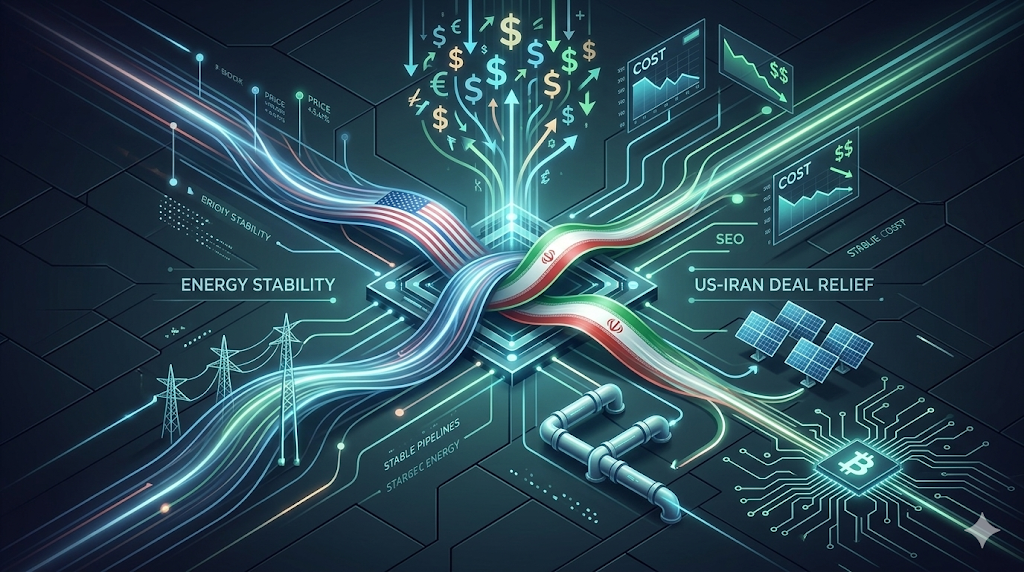
Did you know that geopolitical energy shocks historically dictate cryptocurrency market cycles? The potential US-Iran peace deal directly impacts global inflation, deciding whether digital assets face severe macroeconomic headwinds or massive liquidity injections. A finalized ceasefire lowers oil prices, reduces inflation, and prompts central bank rate cuts—creating bullish environment for crypto. Conversely, continued blockades in the Strait of Hormuz keep energy costs high, suppressing retail investment.
As of late May 2026, fresh US-Israel strikes have cast shadows over Donald Trump's fragile ceasefire, leaving markets extremely anxious. Understanding this energy-crypto correlation is absolutely vital.
The 2026 Energy Shock and Global Inflation
The 2026 energy crisis directly drove global inflation to multi-year highs, heavily suppressing high-risk asset markets like cryptocurrency. When the Strait of Hormuz effectively closed in March 2026, crude oil surged past $120 per barrel. This disruption triggered a massive supply shock, forcing the US consumer price index up 3.8% by April. Investors immediately rotated capital out of digital assets and into traditional commodities to weather the macroeconomic storm.
High inflation forces central banks to maintain restrictive monetary policies, directly draining the liquidity required for cryptocurrency bull runs. The European Central Bank and the US Federal Reserve postponed their highly anticipated 2026 interest rate cuts due to the persistent energy shock. When borrowing costs remain elevated, institutional investors avoid speculative tech investments and decentralized finance protocols. Consequently, the entire crypto market capitalization stagnates until energy prices normalize.
Disruptions in the Strait of Hormuz
The Strait of Hormuz closure represents the largest single supply disruption in the history of the global oil market, severely choking international trade. This maritime blockade stranded 20% of global oil supplies and massive volumes of liquefied natural gas. According to the International Energy Agency in May 2026, the crisis pushed global economies toward dangerous stagflation. Cryptocurrencies heavily depend on global liquidity, which rapidly evaporates during such acute supply chain emergencies.
Continued military skirmishes severely delay any hopes of normalization for international shipping routes. Following the late May 2026 US-Israel strikes on Iranian mine-laying vessels, Brent crude immediately spiked back above $100 per barrel. Traders abandoned their optimistic ceasefire positions, realizing that a permanent diplomatic resolution remains elusive. This persistent volatility deters venture capital from aggressively funding new blockchain startups.
The Return of Stagflation Fears
Stagflation—the toxic combination of stagnant economic growth and high inflation—poses the greatest macroeconomic threat to the current cryptocurrency ecosystem. The United Nations warned in May 2026 that global growth could slow to 2.5% as energy costs destroy consumer purchasing power. Under these oppressive economic conditions, retail traders simply lack the disposable income necessary to invest in digital assets.
Digital assets struggle to maintain upward momentum when traditional corporate earnings decline during stagflationary periods. Historically, Bitcoin behaves similarly to high-growth technology equities during initial economic shocks. When energy costs force manufacturers to reduce output, equity markets correct downward, dragging the cryptocurrency sector down with them. The market desperately requires a US-Iran peace deal to prevent a prolonged, global economic recession.
How Oil Prices Dictate Bitcoin Mining Economics
Surging crude oil and natural gas prices drastically increase electricity costs for Bitcoin miners, severely threatening network profitability. Because proof-of-work consensus mechanisms require massive energy consumption, global fuel shortages immediately compress mining profit margins. Publicly traded mining operations face intense financial pressure when their utility bills double overnight. If energy prices remain at crisis levels, miners are forced to liquidate their Bitcoin treasuries to fund daily operations.
The direct correlation between fossil fuel markets and blockchain security has never been more apparent than during the 2026 crisis. While renewable energy powers a significant portion of the network, the global energy grid remains deeply interconnected. A spike in natural gas prices increases the baseline cost of electricity worldwide. Consequently, the mining industry becomes highly sensitive to Middle Eastern geopolitical developments and ceasefire negotiations.
The Threat of Miner Capitulation
Miner capitulation occurs when operational costs vastly exceed mining rewards, triggering mass hardware shutdowns and intense market selling pressure. During the peak of the Hormuz blockade, several mid-tier mining facilities suspended operations to avoid catastrophic financial losses. Glassnode data from April 2026 confirmed a noticeable drop in the network hash rate as inefficient operators went offline. This capitulation historically signals a local bottom, but the immediate effect is severe downward price action.
Only well-capitalized mining pools with locked-in, long-term energy contracts survive these violent macroeconomic shocks. Corporate miners who aggressively hedged their energy exposure prior to the Iran conflict managed to maintain their hash rate dominance. However, smaller operators lacking sophisticated financial hedges capitulated quickly. This dynamic inadvertently increases network centralization, as massive corporate entities absorb the market share of failing independent miners.
Strategic Shifts Toward Renewable Energy
The 2026 fuel crisis aggressively accelerated the cryptocurrency mining industry's transition toward independent renewable energy infrastructure. To escape the volatility of the global fossil fuel market, major mining conglomerates are heavily investing in proprietary solar and wind farms. This strategic pivot completely insulates their operations from Middle Eastern geopolitical conflicts and sudden crude oil spikes.
Utilizing stranded or off-grid renewable energy provides a permanent competitive advantage for modern mining operations. By operating entirely outside the traditional energy grid, these sustainable facilities maintain consistent profit margins regardless of US-Iran ceasefire outcomes. According to industry reports in May 2026, off-grid green mining operations were the only sector of the industry to expand their hash rate during the height of the Hormuz blockade.
| Mining Strategy | Energy Source | Vulnerability to Oil Shocks | Profitability During 2026 Crisis |
| Traditional Grid | Natural Gas or Coal | Extremely High | Severely Compressed |
| Hedged Contracts | Mixed Grid | Moderate | Stable |
| Off-Grid Renewables | Solar or Wind | Zero | Highly Profitable |
The Fragile Ceasefire and Crypto Market Reactions
A finalized US-Iran peace deal would trigger a massive cryptocurrency rally by immediately lowering inflation and paving the way for global interest rate cuts. When President Trump announced the initial two-week ceasefire in April 2026, global markets experienced powerful relief rallies. The S&P 500 surged, and Bitcoin immediately reclaimed critical technical support levels. A permanent resolution would instantly slash oil prices, removing the primary barrier to central bank monetary easing.
Conversely, the collapse of these diplomatic negotiations causes instant, violent liquidations across all highly leveraged cryptocurrency derivative markets. The May 26 strikes on Iranian vessels shattered the market's fragile optimism, wiping out millions in long positions within minutes. Traders must closely monitor the ongoing talks in Doha, as geopolitical headlines currently exert more influence over Bitcoin's price than any on-chain metric or protocol upgrade.
The Bull Case: Diplomatic Resolution
A permanent diplomatic resolution to the Iran conflict guarantees a rapid decline in consumer price inflation, creating a highly bullish macroeconomic environment. If the Strait of Hormuz reopens safely, millions of stranded oil barrels will flood the market. Consequently, the Federal Reserve will possess the economic justification required to finally execute its delayed 2026 interest rate cuts. Cheap borrowing costs inevitably drive institutional capital directly back into digital assets.
Historically, the combination of declining inflation and expanding monetary liquidity results in explosive altcoin seasons. When the macroeconomic threat dissipates, venture capital firms aggressively deploy their sidelined cash reserves into decentralized finance protocols and Web3 gaming ecosystems. Based on market structure analysis in late May, a confirmed, lasting peace treaty would likely serve as the primary catalyst for the next major cryptocurrency bull market cycle.
The Bear Case: Prolonged Hostilities
Prolonged hostilities in the Middle East will absolutely crush cryptocurrency market sentiment by entrenching high inflation and restrictive central bank policies. If the ceasefire permanently collapses, oil prices will likely shatter the $120 barrier again, further devastating the global supply chain. In this grim scenario, central banks may actually be forced to raise interest rates to combat skyrocketing consumer prices.
Higher interest rates systematically drain capital from the cryptocurrency sector as investors seek guaranteed yields in government bonds. Why risk capital on volatile altcoins when short-term Treasury bills offer historically high, risk-free returns? A prolonged war essentially starves the crypto market of the fresh retail and institutional liquidity required to sustain upward price momentum.
| Economic Scenario | Oil Price Trajectory | Central Bank Action | Expected Crypto Market Trend |
| Ceasefire Holds | Drops below $80 | Aggressive Rate Cuts | Strong Bull Market |
| Status Quo Skirmishes | Fluctuates $90 to $100 | Rates Held Steady | Choppy Sideways Action |
| Peace Deal Collapses | Surges past $120 | Potential Rate Hikes | Severe Bear Market |
Decentralized Finance as a Hedge Against Geopolitics
Decentralized finance protocols offer investors a secure, borderless alternative to legacy banking systems during periods of extreme international conflict. While the Iran war disrupted physical supply chains and threatened regional banks, blockchain networks operated with flawless precision. Smart contracts continuously processed billions of dollars in volume without requiring human intervention or government approval. This inherent resilience proves the fundamental superiority of decentralized financial architecture.
Investors increasingly utilize DeFi yield farming to outpace the aggressive inflation caused by the 2026 energy crisis. While traditional savings accounts lose their purchasing power due to soaring gasoline and food prices, decentralized lending platforms offer highly competitive annual percentage yields. By staking stablecoins in audited liquidity pools, individuals generate passive income that actively protects their wealth from geopolitical macroeconomic fallout.
The Rise of Real World Asset Tokenization
The tokenization of real-world commodities allows cryptocurrency traders to directly hedge against the energy crisis without leaving the blockchain ecosystem. In 2026, protocols offering tokenized crude oil and natural gas experienced unprecedented trading volumes. Retail investors who previously lacked access to complex commodity futures markets could instantly purchase digital tokens pegged to the price of Brent crude, profiting from the geopolitical turmoil.
Bridging physical commodities to decentralized networks significantly improves market accessibility and overall liquidity. By utilizing blockchain ledgers, investors bypass the exorbitant fees and strict gatekeeping associated with traditional commodity brokerages. This seamless integration of real-world assets demonstrates how the cryptocurrency industry adapts rapidly to provide solutions during global macroeconomic crises.
Stablecoin Dominance Amidst Fiat Currency Volatility
Stablecoins absolutely dominate the cryptocurrency market during geopolitical crises because they provide a perfectly stable safe haven from volatile fiat currencies. During the height of the Hormuz blockade, citizens in heavily impacted energy-importing nations aggressively swapped their rapidly depreciating local currencies for digital dollars. This massive capital flight highlights the critical utility of stablecoins in protecting individual purchasing power.
Holding a significant portion of a cryptocurrency portfolio in stablecoins is the most effective defensive strategy during unpredictable peace negotiations. By maintaining a large cash position on-chain, traders avoid the devastating drawdowns associated with sudden military strikes. When the market inevitably overreacts to a negative news headline, these patient, stablecoin-heavy investors deploy their capital to purchase premier digital assets at heavily discounted prices.
Managing portfolio exposure during periods of intense geopolitical volatility requires a stable trading environment with reliable liquidity. As a top-tier centralized digital asset exchange, KuCoin provides the technical infrastructure necessary to execute risk-mitigation strategies during major macroeconomic shifts.
1. Order Book Resilience During Market Fluctuations
During geopolitically driven market corrections, rapid liquidations can cause severe price slippage across derivative markets. While no platform is entirely immune to extreme volatility, KuCoin’s matching engine and deep spot order books help minimize slippage by maintaining tighter spreads compared to smaller venues. This liquidity enables more predictable order execution when macroeconomic headlines trigger sudden capital reallocations.
2. Stablecoin Cash Positions and DeFi Exposure
To counter the purchasing power degradation caused by the 2026 energy crisis, traders frequently rotate volatile assets into digital dollars. KuCoin supports a wide array of fully reserved stablecoins (such as USDT and USDC) alongside top-tier decentralized finance (DeFi) utility tokens. These pairs allow investors to maintain on-chain cash allocations or transition into yield-bearing ecosystems without exiting the crypto ecosystem.
3. Automated Risk Management Tools
Because geopolitical developments occur on a 24/7 basis, manual portfolio management is often insufficient. KuCoin features native automated trading bots, including Spot and Futures Grid tools, which allow systematic traders to capture algorithmic returns within defined horizontal ranges. Combined with advanced conditional stop-loss orders, these tools assist eligible global investors in executing disciplined, unemotional risk management parameters as market environments evolve.
Conclusion
The potential US-Iran peace deal represents the primary macroeconomic driver for the cryptocurrency ecosystem in 2026. A finalized diplomatic resolution will immediately alleviate the global energy crisis, driving down inflation and allowing central banks to execute desperately needed interest rate cuts. This influx of global liquidity will provide the exact macroeconomic tailwinds required to ignite a massive cryptocurrency bull market. Conversely, the recent military strikes in the Strait of Hormuz highlight the fragility of the current ceasefire, threatening to keep oil prices elevated and institutional capital on the sidelines.
Surging energy costs continue to exert severe financial pressure on the Bitcoin mining industry, forcing a strategic pivot toward off-grid renewable infrastructure. Meanwhile, decentralized finance protocols and real-world asset tokenization have proven their immense utility by offering investors borderless tools to actively hedge against fiat inflation. As the world watches the ongoing negotiations in Doha, cryptocurrency traders must prioritize strict risk management and maintain adequate stablecoin reserves. Patient investors who successfully navigate this geopolitical turbulence will be perfectly positioned to capitalize on the inevitable market recovery once global economic stability is finally restored.
FAQs
How does a US-Iran peace deal lower global inflation?
A peace deal guarantees the safe, unrestricted reopening of the Strait of Hormuz, allowing millions of stranded oil and natural gas barrels to flood the global market. This massive increase in energy supply instantly lowers fuel costs, which subsequently reduces the transportation and manufacturing costs of all consumer goods.
Why do high oil prices negatively affect the cryptocurrency market?
High oil prices drive up consumer inflation, forcing central banks like the Federal Reserve to maintain high interest rates. These elevated borrowing costs pull institutional liquidity out of speculative, risk-on assets like cryptocurrency and redirect it toward safe, high-yielding traditional government bonds.
What is Bitcoin miner capitulation?
Miner capitulation occurs when the global cost of electricity vastly exceeds the market value of the Bitcoin rewarded for mining blocks. Financially distressed miners are forced to power down their hardware and aggressively sell their cryptocurrency treasuries to avoid bankruptcy, creating severe downward price pressure.
How do stablecoins help investors during a geopolitical crisis?
Stablecoins provide absolute price stability by pegging their value directly to fiat currencies like the US dollar. During sudden military strikes or collapsed peace negotiations, investors rapidly swap their volatile cryptocurrencies for stablecoins to protect their portfolio value without completely exiting the blockchain ecosystem.
What are tokenized real-world assets (RWAs)?
Tokenized real-world assets are digital tokens on a blockchain that directly represent physical commodities, such as crude oil, gold, or real estate. They allow retail cryptocurrency investors to easily purchase and trade traditional market assets 24/7 without needing a legacy brokerage account.
Disclaimer:This content is for informational purposes only and does not constitute investment advice. Cryptocurrency investments carry risk. Please do your own research (DYOR).