

Zest Protocol (ZEST) Lists on KuCoin as World Premiere: Bitcoin DeFi Lending Token Debuts
2026/05/20 10:50:00

Introduction
Zest Protocol (ZEST) has officially debuted on KuCoin as a world premiere listing, marking one of the first centralized exchange appearances for a native Bitcoin DeFi lending token in 2026. The listing opens a new gateway for traders seeking exposure to the rapidly expanding BTCFi sector, with ZEST/USDT spot trading now live on KuCoin's platform.
Zest Protocol is a Bitcoin-native lending market built on Stacks, designed to unlock yield and borrowing utility for the more than $1.3 trillion in dormant BTC capital. As a world premiere on KuCoin, the listing gives early traders first-mover access to a token that powers permissionless BTC lending, sBTC integration, and on-chain credit markets — all without bridging Bitcoin to Ethereum or wrapping it through custodial intermediaries.
This article breaks down what ZEST is, why the listing matters, how to trade it on KuCoin, and what risks traders should consider.
What Is Zest Protocol (ZEST)?
Zest Protocol is a decentralized lending and borrowing platform built natively on Bitcoin through the Stacks layer. The protocol enables BTC holders to earn yield on their holdings and allows borrowers to access on-chain credit using Bitcoin and sBTC as collateral — without trusting a centralized custodian.
ZEST is the protocol's native governance and utility token. Holders use ZEST to vote on protocol parameters such as interest rate models, collateral factors, and supported asset listings. The token also captures value through protocol fees generated by lending and borrowing activity.
Key Technical Features
Zest leverages Stacks' connection to Bitcoin to settle final state on the Bitcoin base layer, inheriting Bitcoin's security guarantees. The protocol integrates sBTC — a 1:1 Bitcoin-backed asset that moves between Bitcoin and Stacks — which allows users to deploy BTC in DeFi while preserving Bitcoin-native settlement.
Core functions include over-collateralized lending pools, variable interest rate markets, liquidation mechanisms, and a permissionless market structure where any verified asset can become collateral subject to governance approval.
Token Utility Summary
-
Governance: Voting rights on protocol upgrades, risk parameters, and treasury allocation
-
Fee Capture: Share in protocol revenue from interest spreads and origination fees
-
Incentive Layer: Liquidity mining rewards for lenders and borrowers across active markets
-
Staking: Lock ZEST to receive boosted yields and enhanced governance weight
When Did ZEST Start Trading on KuCoin?
ZEST started trading on KuCoin with deposits opening first, followed by spot trading for the ZEST/USDT pair, and finally withdrawals — following KuCoin's standard staged rollout for new listings. Traders should consult the official KuCoin announcement page for the exact UTC timestamps applicable to their listing batch.
Listing Stages Explained
KuCoin's new listing process generally follows three sequential phases:
-
Deposit Open: Users can deposit ZEST from external wallets into their KuCoin accounts
-
Trading Open: Spot market goes live, typically 24 hours after deposits open, allowing buy and sell orders on ZEST/USDT
-
Withdrawal Open: Users can transfer ZEST out to external wallets, usually 24 hours after trading begins
This staged approach helps ensure orderly market opening, gives the order book time to build depth before withdrawals begin, and reduces the risk of one-sided price action during the initial trading session.
What Problem Does Zest Protocol Solve?
Zest Protocol solves the long-standing problem of idle Bitcoin capital by giving BTC holders productive on-chain yield without forcing them to wrap, bridge, or surrender custody to centralized lenders. Bitcoin represents the largest pool of crypto capital in the world, yet historically most BTC sits unused in wallets generating no return.
The BTCFi Opportunity
The Bitcoin DeFi sector — commonly called BTCFi — has emerged as one of the fastest-growing narratives in crypto. The thesis is straightforward: even capturing a small percentage of Bitcoin's market capitalization into yield-bearing strategies represents a massive addressable market for protocols like Zest.
Traditional approaches to BTC yield have relied on wrapped Bitcoin variants on Ethereum, which require trusting bridge custodians, or centralized lending platforms, which carry counterparty risk. Zest's Stacks-based architecture provides a third path: native Bitcoin-settled lending that minimizes both custodial and bridge risk.
Competitive Positioning
Zest competes with other BTCFi lending protocols, wrapped BTC money markets on Ethereum, and liquid staking solutions for Bitcoin. Its differentiation lies in deep integration with sBTC and Stacks' Nakamoto upgrade, which delivers faster block confirmations and Bitcoin finality guarantees.
How to Trade ZEST on KuCoin?
Trading ZEST on KuCoin requires four steps: create or log into a KuCoin account, complete identity verification, deposit funds, and place an order on the ZEST/USDT spot market. The entire process can typically be completed in under 30 minutes for new users.
Step-by-Step Guide
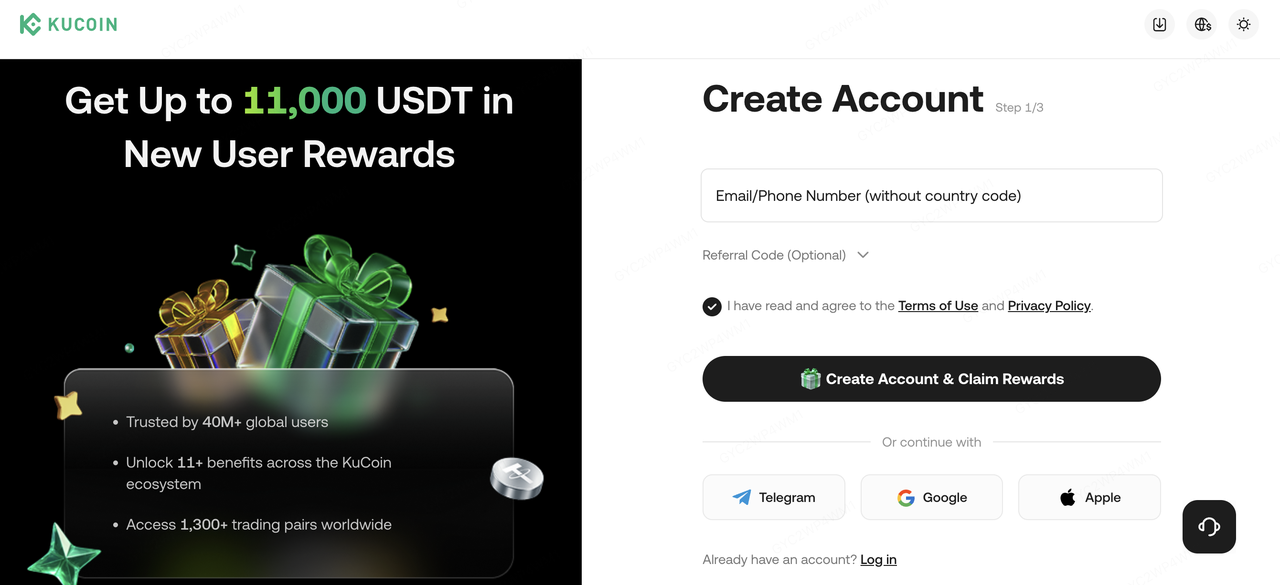
Step 1 — Register or Sign In: Visit KuCoin and create an account using your email address or mobile phone number. Existing users can log in directly.
Step 2 — Complete KYC Verification: Submit identity verification to unlock full trading and withdrawal limits. KYC is required for compliant access to spot markets and protects users against fraud.
Step 3 — Deposit Funds: Fund your account by depositing USDT, BTC, or fiat currency through KuCoin's supported payment channels. Crypto deposits arrive after the required network confirmations.
Step 4 — Find ZEST/USDT: Navigate to the spot trading section and search for ZEST. Select the ZEST/USDT trading pair to access the order book.
Step 5 — Place Your Order: Choose between a market order for immediate execution at the prevailing price or a limit order to specify your target buy or sell price. Confirm the order and monitor your position.
New users can now register at KuCoin and Get Up to 11,000 USDT in New User Rewards.
Should You Invest ZEST on KuCoin?
Traders interested in BTCFi exposure and early-stage token opportunities may find ZEST on KuCoin attractive, but the decision depends on individual risk tolerance, research depth, and portfolio context. KuCoin provides world premiere access, deep USDT liquidity, professional charting tools, and advanced order types — all of which support both short-term traders and longer-term position builders.
Reasons to Consider
-
World Premiere Access: KuCoin is the first centralized exchange to list ZEST, providing early entry before broader exchange coverage
-
BTCFi Sector Exposure: ZEST offers direct exposure to one of crypto's fastest-growing narratives — Bitcoin-native DeFi
-
Liquidity Concentration: As the primary CEX venue, KuCoin offers tighter spreads than fragmented DEX liquidity for active traders
-
Integrated Tools: KuCoin's mobile app, TradingView integration, and API access support multiple trading styles
Risks to Weigh
New listings carry elevated volatility. Initial price discovery can produce sharp swings in both directions, and traders should size positions conservatively. Token unlocks, broader crypto market conditions, and BTCFi sector sentiment all influence ZEST's price trajectory. Never invest more than you can afford to lose, and consider dollar-cost averaging into positions rather than deploying capital all at once.
Conclusion
Zest Protocol's world premiere listing on KuCoin marks an important milestone for both the project and the broader BTCFi ecosystem. By bringing a native Bitcoin lending token to a major centralized exchange first, KuCoin gives traders early access to the BTCFi narrative through a single, liquid trading venue with the ZEST/USDT spot pair.
Zest itself addresses one of crypto's largest unsolved problems — productive yield on Bitcoin without bridge or custodial risk — by leveraging Stacks and sBTC for Bitcoin-native settlement. The protocol's lending markets, governance utility, and fee capture mechanisms position ZEST as a core building block of the emerging Bitcoin DeFi stack.
Traders considering ZEST should review official tokenomics, monitor vesting schedules, manage position sizing carefully, and use limit orders during periods of elevated volatility. As with any newly listed token, conducting independent research is essential before establishing meaningful exposure.
KuCoin's continued focus on world premiere listings reinforces its role as a discovery venue for emerging crypto sectors, and the ZEST listing extends that track record into the rapidly maturing BTCFi space.
FAQs
What network does ZEST use for deposits and withdrawals on KuCoin?
ZEST operates on the Stacks network, which settles to Bitcoin. When depositing or withdrawing ZEST on KuCoin, users must select the Stacks network and ensure the receiving wallet supports Stacks-based assets. Sending ZEST through an unsupported network will result in permanent loss of funds.
Is ZEST the same as sBTC?
No, ZEST and sBTC are separate assets. ZEST is the governance and utility token of Zest Protocol, while sBTC is a 1:1 Bitcoin-backed asset that moves between Bitcoin and Stacks. Zest Protocol integrates sBTC as collateral and supply assets within its lending markets, but the two tokens serve distinct functions.
How can I track ZEST price and volume on KuCoin?
Track ZEST price, volume, order book depth, and trade history directly on KuCoin's spot trading page for the ZEST/USDT pair. KuCoin integrates TradingView charts, providing access to dozens of technical indicators, multiple timeframes, and drawing tools. The KuCoin mobile app provides identical functionality with push notifications for price alerts.