


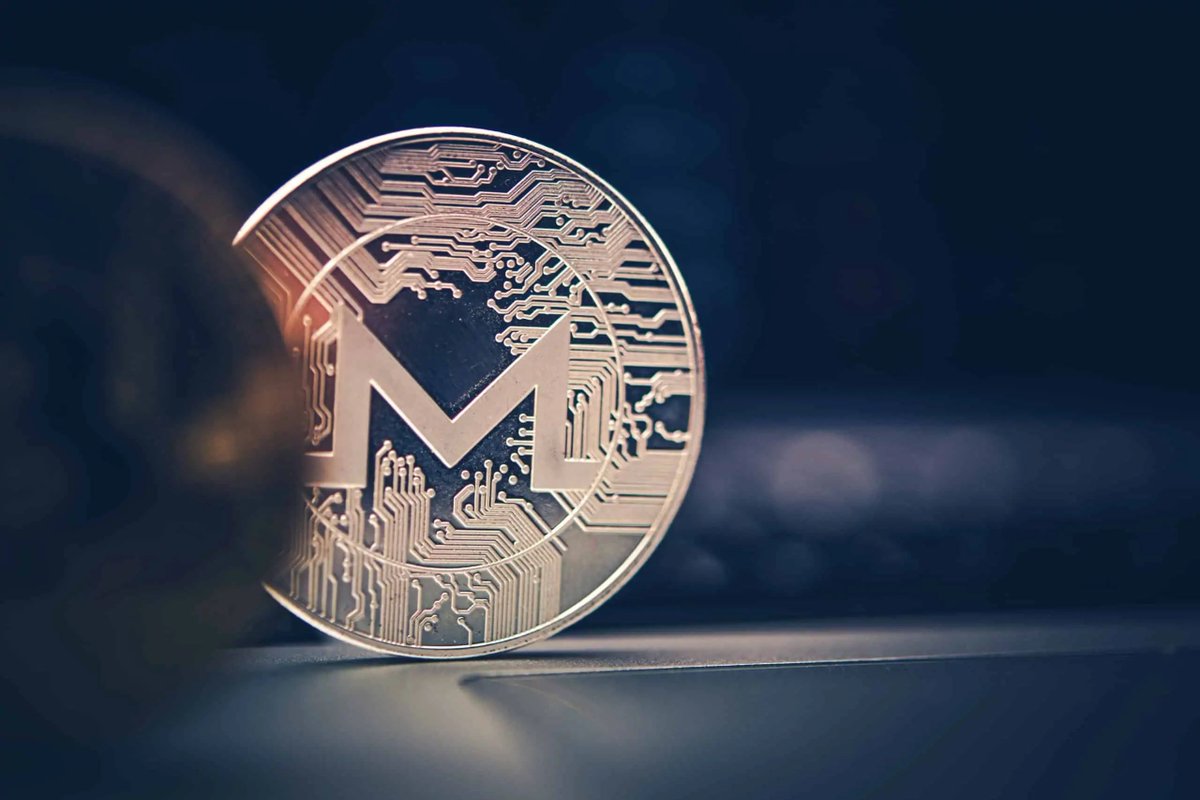
When people talk about cryptocurrencies, many tend to assume that traits like decentralization, resistance to control, and anonymity are almost automatic features of the entire market. But once you start peeling back the layers, reality looks very different from the way it is usually framed by the media and social networks. The more closely you look, the more obvious it becomes that “crypto” has never been a single unified thing, and Bitcoin is one of the clearest examples of that confusion. Bitcoin was never truly anonymous in the way many people imagine. It only wears a pseudonymous shell, while underneath it is still a public ledger where every transaction remains visible, waiting for just one exposed identity link to pull the rest of the trail back into the light. A wallet address not showing a real name does not mean the person behind it has disappeared. Once it touches KYC, payment records, or any other point where identity leaks, the entire flow of funds can start to reconnect. In other words, BTC fits far better as a public, scarce, verifiable asset than as some tool for vanishing from view the way many people still assume. That confusion is not accidental. The media and social platforms often lump everything together under broad labels like “virtual currency” or “crypto,” then leave people to assume that if something is crypto, it must naturally be anonymous as well. That way of telling the story is lazy, convenient, and useful for narratives that are easier to sell than the technical reality. It also blurs an important distinction: some coins are embraced because they are transparent and easier to absorb into the system, while others exist largely because they resist that very ability to be seen through. Monero sits on the other side of that divide. If BTC is closer to digital gold, then XMR is closer to a form of private digital cash. Monero was designed to hide the very things Bitcoin exposes: the sender, the receiver, and the amount, through mechanisms such as ring signatures, stealth addresses, and RingCT. That is why its appeal does not come from being clearly visible, but from being harder to label, harder to trace backward, and harder to tie to a specific real-world identity. In practice, some users move funds from transparent assets like BTC or USDT into XMR, then later return to more common assets at different points, with the goal of blurring the link between identity and transaction history. That is also why XMR is viewed far more cautiously by the mainstream system. BTC is easier to accept for large markets, large funds, and surveillance-driven regulatory structures because it functions comfortably in the light. XMR is the opposite: it protects privacy in a way that makes control systems uneasy. But uneasy does not mean irrelevant. At the present time, Monero still maintains 24-hour trading volume at around more than $110 million, which is enough to show that demand for a privacy-focused asset has not disappeared, even if it continues to occupy a place the mainstream system finds difficult to fully accept. The biggest mistake, then, is not preferring BTC or XMR. It is assuming they serve the same purpose. One is a public asset of the digital world. The other is a human response to a world that is being watched far too closely. #CryptoPrivacy #Monero $BTC $XMR

Share


Source:Show original
Disclaimer: The information on this page may have been obtained from third parties and does not necessarily reflect the views or opinions of KuCoin. This content is provided for general informational purposes only, without any representation or warranty of any kind, nor shall it be construed as financial or investment advice. KuCoin shall not be liable for any errors or omissions, or for any outcomes resulting from the use of this information.
Investments in digital assets can be risky. Please carefully evaluate the risks of a product and your risk tolerance based on your own financial circumstances. For more information, please refer to our Terms of Use and Risk Disclosure.