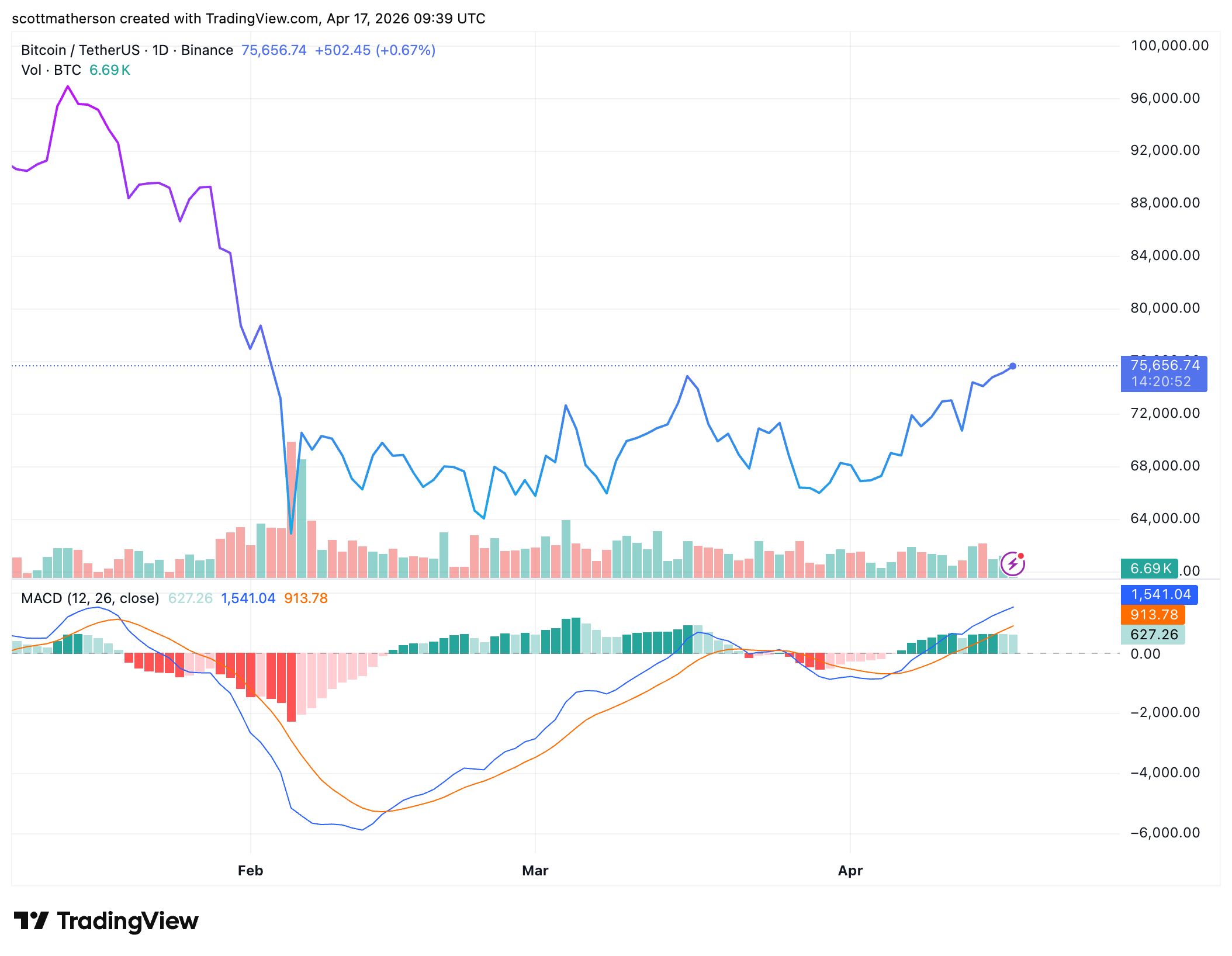



Bitcoin is now printing green candlesticks on the weekly and daily timeframes, and this raises the question of whether the worst has already passed or maybe the floor is still months away.
An interesting analysis of Bitcoin’s price action over a multi-year time span pushes back against the growing optimism, pointing to a pattern that has held for more than a decade and suggesting that time, not just price, may still be working against a confirmed bottom.
Every Bitcoin Bear Market Has Taken Over A Year To Bottom
Going back to 2013, Bitcoin’s bear market cycles have followed a consistent sequence when it comes to the one metric that matters most, which is time. Each Bitcoin bear cycle differed slightly in severity, but the time requirement it took for it to end was surprisingly consistent.
According to a technical chart noted by a crypto analyst that goes by the name Xremin, the bear market in 2024 stretched to around 426 days before a bottom formed. The 2017 cycle followed with roughly 363 days, while the bear market after 2021’s rally took about 376 days to complete.

The current cycle, however, is only about 190 days into its correction phase. This is, of course, taking Bitcoin’s peak above $126,000 in October 2025 as the starting point of the bear market correction. That places it at just over half the duration seen in previous cycles.
Bitcoin is already down about 43% from that all-time high. However, calling a bottom at this stage, according to the analyst, would mean assuming that Bitcoin has suddenly broken a 13-year pattern without any clear structural change to justify it.
Can The Bear Market Already Be In?
Calling the bottom at this point in time would mean that this cycle has resolved itself in under half the time it has taken every single previous cycle to find its floor. However, the bull case for an early bottom is not without substance. Market participants with this view could easily argue that the Bitcoin and crypto ecosystem as a whole now has structural dynamics that did not exist in any previous bear market.
An example is the US Spot Bitcoin ETFs, which now collectively hold approximately 6.5% of Bitcoin’s market cap, the highest being around 10% during the October 2025 peak. Another example is the Department of Labor publishing a proposed rule in March 2026 creating a safe harbor for retirement plan fiduciaries who add crypto to 401(k) menus.
These are meaningful developments, and they may well reduce the severity of the eventual drawdown compared to previous cycles. However, they only speak to price depth, not to time.
Institutional demand may prevent Bitcoin from falling to as low as $50,000 or $40,000, but it does not automatically hasten the psychological and market-structure process by which a genuine cycle bottom forms. The historically reliable four-year halving cycle suggests a durable bottom may not form until closer to Q4 2026.