

What is a gold stablecoin, and what is its impact?
2026/03/27 14:45:02
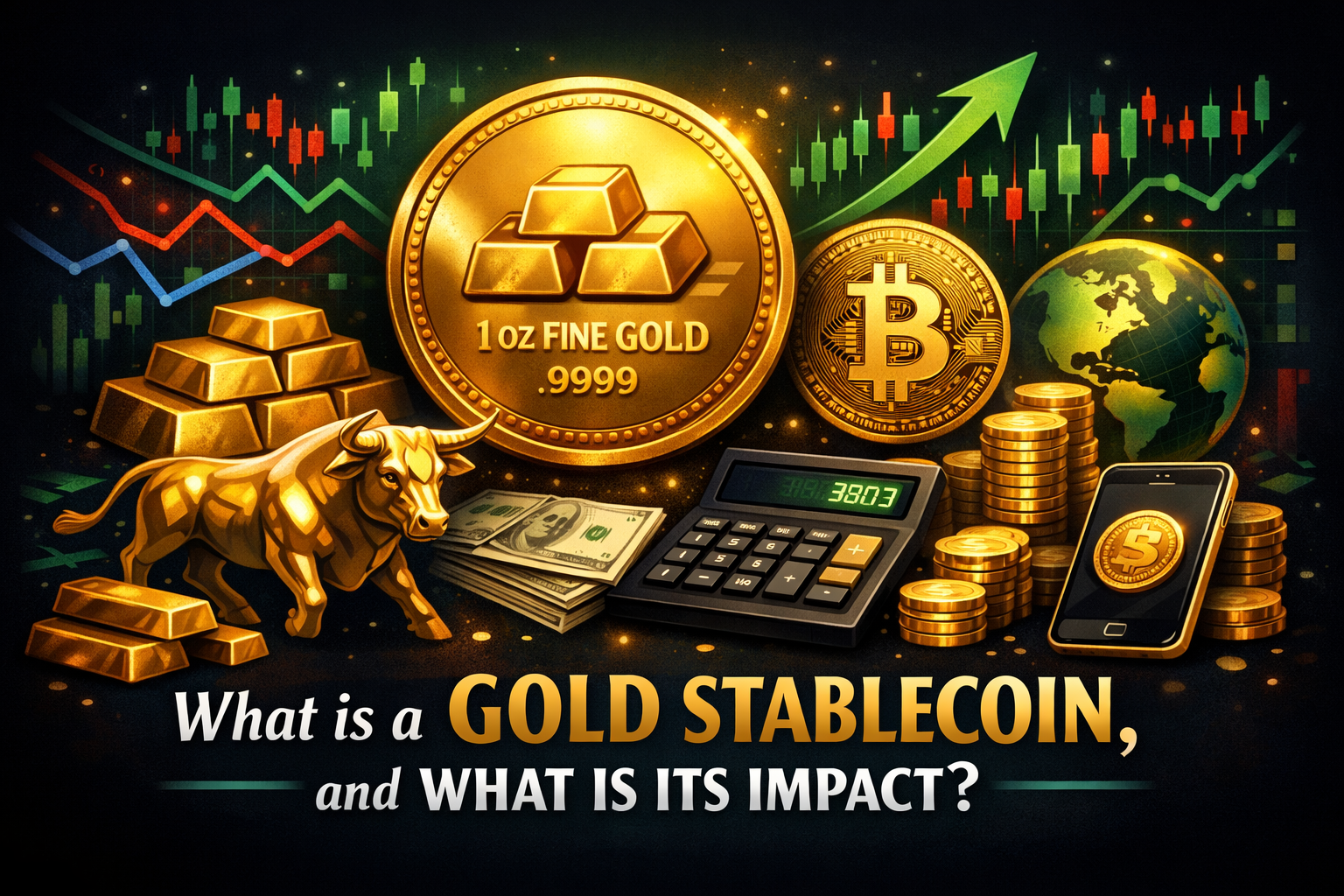
Gold has been a cornerstone of wealth for millennia, but its physical nature often makes it difficult to store, divide, and transport. The rise of gold stablecoins has bridged this gap, merging the timeless value of physical gold with the borderless efficiency of blockchain. By providing a digital claim to audited, vaulted bullion, these assets offer a modern solution for those seeking the stability of a "hard asset" without the logistical hurdles of traditional gold ownership.
Key Takeaways
-
Each token represents a direct legal claim to physical gold (typically 1 troy ounce) stored in high-security vaults, often verifiable via real-time proof-of-reserves.
-
Unlike physical bars, stablecoins allow for fractional ownership and 24/7 global trading, making gold accessible to retail investors and highly liquid even when traditional markets are closed.
-
Through DeFi integration, gold has evolved from a "dead" asset in a vault into a yield-bearing instrument that can be lent, borrowed against, or used for instant global trade settlement.
What is a Gold Stablecoin?
A gold stablecoin is a digital asset issued on a blockchain that is pegged 1:1 to the value of physical gold. Typically, one token represents one fine troy ounce of gold. Unlike volatile cryptocurrencies like Bitcoin, these are "commodity-backed stablecoins," mirroring the global spot price (XAU).
The Digital Representation of Physical Reality
These tokens are not just synthetic trackers of price; they are legal claims to specific assets. Leading examples like PAX Gold (PAXG) and Tether Gold (XAUt) dominate the market because they provide a direct link between a digital token in your wallet and a physical gold bar in a high-security facility.
The Mechanics: Vaults and Audits
The value of a gold stablecoin is backed by physical bullion stored in secure, professional vaults, often in London or Switzerland. To maintain the 1:1 peg, issuers must prove that for every token in circulation, an equivalent amount of gold exists in their possession.
Real-Time Proof of Reserves
By 2026, the industry has moved toward "Real-Time Proof of Reserves." This transparency allows users to verify their holdings instantly. By entering a wallet address on an issuer's portal, a holder can often see the specific serial number and purity of the LBMA-accredited gold bar that backs their specific digital tokens.
Impact: Democratizing Gold Ownership
Historically, owning gold was reserved for the wealthy or those willing to deal with high dealer premiums and physical storage risks. Gold stablecoins break this barrier by offering fractional ownership, allowing investors to purchase as little as $10 worth of gold (or a fraction of a milligram).
Removing Entry Barriers
This democratization allows retail investors globally—especially those in developing nations—to protect their savings with a "hard asset." There is no longer a need for a home safe, specialized insurance, or a high-minimum bank account to enter the gold market.
Impact: Global Liquidity and 24/7 Trading
Physical gold is notoriously "illiquid," often requiring days or weeks for shipping, assaying, and settlement. Gold stablecoins trade 24/7 on global exchanges, allowing for the instant conversion of wealth into a safe-haven asset.
Surpassing Traditional Markets
In early 2026, the trading volume for tokenized gold surpassed several major gold ETFs. This shift allows investors to react to geopolitical shocks on a weekend or late at night when traditional gold markets are closed, effectively making gold as liquid as any major fiat currency.
Impact: Gold as a Yield-Bearing Asset
Traditionally, gold is a "dead" asset—it sits in a vault and does not pay dividends. One of the most revolutionary impacts is the integration of gold into Decentralized Finance (DeFi), where it can be put to work.
Productive Commodity Capital
By tokenizing gold, holders can lend their assets on DeFi platforms to earn an annual percentage yield (APY) or use their gold as collateral for loans. This transforms gold from a static store of value into a productive financial instrument that can grow even when the spot price is flat.
Impact: A Hedge Against Fiat Volatility
In an era of persistent inflation and "weaponized" fiat currencies, gold stablecoins provide a neutral, "sovereign-free" alternative. They are not tied to the central bank policies of any single government.
Wealth Preservation in Volatile Regions
For individuals in emerging markets facing local currency devaluation, gold tokens offer a reliable way to preserve purchasing power. Because the asset is accessible via a smartphone, it bypasses traditional banking hurdles that often prevent citizens from owning foreign currency or precious metals.
The Regulatory Shift: The GENIUS Act and MiCA
By 2026, the regulatory landscape has matured. Framers like the GENIUS Act in the U.S. and MiCA in Europe have established clear rules for asset-backed tokens, requiring issuers to follow strict transparency and reserve guidelines.
Institutional "Buy-In"
This legal clarity has allowed major banks and institutional market-makers to safely enter the space. The result is a professionalized market with high levels of trust, which has increased the overall stability and narrowed the "spread" (the difference between buying and selling prices) for tokenized gold.
Future Outlook: "Gold as a Service"
The ultimate impact is the move toward "Gold as a Service" (GaaS). Infrastructure is currently being standardized to allow gold tokens to be used as a seamless "cash leg" for settling global trade.
Reclaiming a Global Medium of Exchange
Industry leaders are pushing for systems where gold moves from the back of the vault to the front lines of global payments. In this future, you could pay for international shipping or large-scale commodities using digital gold, returning the metal to its ancient role as a universal medium of exchange but with 21st-century speed.
Summary
The gold stablecoin represents a fundamental shift in how the world interacts with precious metals. By tokenizing physical bullion, the industry has solved long-standing issues of liquidity, storage, and divisibility. As regulatory frameworks like MiCA and the GENIUS Act provide much-needed institutional trust, gold is moving beyond its role as a static "safe haven" and into a dynamic role as "Gold as a Service." Whether used as a hedge against fiat inflation in volatile regions or as productive collateral in decentralized finance, gold stablecoins are successfully reclaiming gold’s ancient status as a universal medium of exchange for the digital age.
FAQs
-
Is a gold stablecoin just a price tracker or do I actually own gold?
It is more than a price tracker. Reputable gold stablecoins are legal claims to physical gold bars. For example, tokens like PAXG or XAUt are backed by specific, LBMA-accredited bars held in secure vaults.
-
Can I actually redeem my tokens for physical gold?
Yes, most major issuers allow physical redemption, though there are usually minimum requirements (such as owning enough tokens to equal a full standard gold bar) and associated shipping or handling fees.
-
How do I know the gold is actually in the vault?
By 2026, the industry standard has moved to "Real-Time Proof of Reserves." Issuers undergo regular third-party audits, and users can often use the issuer’s portal to see the serial numbers and purity of the bars backing the total supply of tokens.
-
How is this different from a Gold ETF?
While both track gold, stablecoins live on the blockchain, allowing for 24/7 trading, instant settlement, and the ability to move the asset to a private wallet. Furthermore, stablecoins can be used in DeFi applications, whereas ETFs are restricted to traditional brokerage hours and systems.
-
What happens if the company issuing the stablecoin goes bust?
Because these tokens are asset-backed and usually held in a bankruptcy-remote structure, the physical gold should remain segregated from the company’s corporate assets. However, it is vital to check the specific legal terms and regulatory compliance (like MiCA or the GENIUS Act) of the issuer.