

War Risks Return: Can Bitcoin Still Act as a Safe Haven?
Thesis Statement
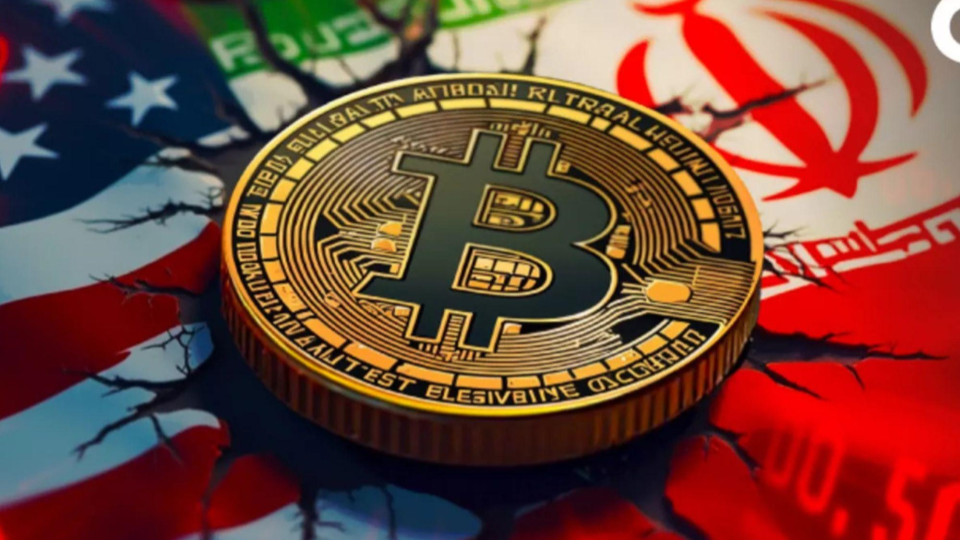
The return of major war risks in 2026 has thrust Bitcoin back into the spotlight. With US and Israeli strikes on Iran sparking market turmoil since late February, investors watched closely to see if the leading cryptocurrency would live up to its reputation as a safe haven during global crises. Bitcoin initially dropped from around $72,000 to near $63,000 amid the chaos but staged notable recoveries, sometimes outperforming traditional assets like gold and stocks in the following weeks.
Bitcoin shows mixed behavior during the 2026 US-Iran conflict, delivering quick rebounds and institutional support that fuel its safe-haven narrative in some moments while revealing persistent ties to risk assets that challenge the idea in others.
How Bitcoin Reacted in the First Hours of the 2026 Iran Strikes
When US and Israeli forces launched strikes on Iranian targets on February 28, 2026, Bitcoin faced an immediate test. The price fell sharply within hours, dropping roughly 4-8% from levels near $72,000 down toward $63,000 as panic selling hit leveraged positions and over $300 million in crypto liquidations occurred in the opening weekend. Traders used Bitcoin as one of the few 24/7 liquid markets to express fear, with sell volume spiking dramatically in a single hour. This initial reaction echoed patterns from past conflicts, where Bitcoin often sold off alongside equities in the heat of sudden geopolitical shocks.
Yet the speed of the drop stood out because Bitcoin now sits in institutional portfolios that treat it more like a high-beta asset sensitive to liquidity squeezes. Despite the hit, the cryptocurrency did not collapse further, holding key support levels that prevented a deeper rout seen in some riskier altcoins. The early hours highlighted Bitcoin's dual nature.
On one side, its borderless and always-on trading allowed fast price discovery when traditional markets were closed. On the other hand, the correlation with broader risk sentiment showed how algorithms and leveraged traders treat Bitcoin as part of growth-oriented allocations rather than a pure defensive play. Observers noted that this fast pricing mechanism positions Bitcoin as a real-time barometer for shifting views on war probabilities, oil prices, and inflation expectations. By the end of the first weekend, the market had already begun to digest the news, setting the stage for a rebound that caught many by surprise.
Bitcoin's Quick Rebound and Outperformance Against Gold
Bitcoin did not stay down for long after the initial strikes. By early March 2026, it climbed back above $73,000, delivering net gains of around 2-14% over the first few weeks of the conflict depending on the exact measurement window. This recovery stood in contrast to gold, which spiked initially on safe-haven demand but later pulled back from peaks near $5,270 per ounce toward $5,000, posting losses in some periods while Bitcoin gained. In one stretch, Bitcoin outperformed gold by roughly 13-25% as measured against the metal's performance. Stocks like the S&P 500 also lagged, declining around 1-4% over similar windows.
This outperformance came as ETF inflows resumed strongly, with spot Bitcoin funds seeing hundreds of millions of dollars in daily purchases on key recovery days. BlackRock's IBIT and other vehicles absorbed supply, creating a structural bid that cushioned prices. Analysts pointed to Bitcoin's fixed 21 million supply cap and growing institutional ownership as factors that helped it climb the "wall of worry."
The rebound fueled fresh talk that Bitcoin acts as a stabilizer in war-shocked markets, especially when compared to assets that sold off more sharply. Yet the path was volatile, with swings tied to headlines about escalation or potential de-escalation, showing how news flow drives short-term moves more than any inherent safe-haven property.
Institutional Money Flows That Supported Bitcoin During Tensions
Spot Bitcoin ETFs played a central role in Bitcoin's resilience throughout the 2026 conflict period. In the first quarter alone, these funds drew roughly $18.7 billion in net inflows globally, with US products contributing significantly even amid uncertainty. On individual high-volume days in March, inflows exceeded $680 million, extending multi-day rallies and helping push prices toward one-month highs above $73,000. BlackRock led the charge, with its IBIT fund accumulating large amounts of Bitcoin over consecutive sessions.
These flows came from traditional finance players who now view Bitcoin as a portfolio diversifier rather than pure speculation. Corporate and sovereign interest added layers of demand, absorbing selling pressure from retail traders or miners during fear spikes. The result was a market split between steady institutional buying and more reactive retail or whale behavior. Even as oil prices climbed on supply disruption fears, ETF demand provided a counterweight that kept Bitcoin from breaking major support levels for extended periods.
This institutional conviction marked a shift from earlier cycles, where Bitcoin lacked such structured buying channels during crises. The inflows underscored growing acceptance of Bitcoin as an asset class capable of weathering macro stress, though critics noted that the buying often accelerated on relief rallies rather than pure panic phases.
Why Bitcoin Sometimes Moves Like a Risk Asset in Crises
Despite moments of strength, Bitcoin frequently aligned with equities and other growth assets during the height of 2026 tensions. Its 30-day rolling correlation with the S&P 500 rose notably in stress periods, placing it closer to tech stocks than to traditional safe havens. When war news intensified, or oil surged past $100-110 per barrel, Bitcoin tended to drop alongside riskier holdings as investors reduced exposure across correlated buckets. Academic models and market data from the conflict showed Bitcoin responding to liquidity conditions, and leverage unwinds more than to pure flight-to-safety flows.
This behavior stems from Bitcoin's integration into modern portfolios. Institutional algorithms now treat it as part of risk-on allocations, leading to simultaneous selling when volatility spikes. Younger investors or those skeptical of institutions may see Bitcoin differently, but established capital still favors gold or Treasuries in acute shocks. The 2026 events reinforced that Bitcoin shines more as a hedge against longer-term debasement or monetary expansion risks than as an immediate crisis protector. Its volatility profile, sharp drops followed by fast recoveries, makes it feel like a leveraged play on macro outcomes rather than a steady store of value when headlines turn negative.
Bitcoin's Role as a Real-Time Geopolitical Risk Barometer
Bitcoin has grown into something beyond a potential safe haven; it now serves as a fast-moving indicator of shifting war and macro probabilities. During the 2026 events, price action reacted almost instantly to developments like strike announcements, ceasefire rumors, or threats around key shipping routes. When de-escalation signals emerged, Bitcoin rallied alongside equities and saw oil ease, behaving like a high-beta expression of relief. Conversely, escalation headlines triggered immediate pressure.
This sensitivity arises from Bitcoin's liquidity, global accessibility, and position in trader toolkits as an all day venue for expressing views on inflation, energy costs, and policy responses. Market observers noted that this real-time function does not require Bitcoin to act as a classic safe haven. Instead, its price embeds collective judgments on how conflicts might alter liquidity, rates, or growth outlooks.
Prediction markets and options activity around Bitcoin milestones reflected lowered odds for aggressive upside targets when tensions lingered. The asset's behavior helped traders gauge sentiment faster than traditional indicators, turning volatility into a feature for those monitoring geopolitical shifts. Over time, this role could strengthen as more capital flows through regulated channels, making Bitcoin a central node in how markets process uncertainty.
Comparing Bitcoin's 2026 Performance to Past Conflicts
The 2026 US-Iran episode invited direct comparisons to earlier events like the 2022 Russia-Ukraine invasion. In both cases, Bitcoin saw initial sharp drops, around 9% in 2022 and similar percentages in early 2026, followed by consolidation and recovery phases. Yet the context differed due to deeper institutional involvement and ETF infrastructure in 2026, which provided stronger buying support during rebounds.
Gold performed more traditionally in some past crises but showed mixed results this time, sometimes lagging Bitcoin's percentage gains from conflict lows. Stocks and broader risk assets also followed comparable patterns of sell-off and partial recovery. These parallels highlight evolution in Bitcoin's market structure. Earlier episodes lacked the scale of regulated inflows that buffered prices in 2026. At the same time, the correlation with equities remained evident, suggesting that while the asset has matured, it has not fully decoupled from risk sentiment.
Longer-term holders pointed to Bitcoin's supply dynamics and adoption trends as reasons for optimism beyond short-term war impacts. The comparison showed progress in resilience but also persistent challenges in delivering consistent protection during the most intense phases of geopolitical stress.
The Split Between Retail Fear and Institutional Buying
The 2026 conflict exposed a clear divide in Bitcoin market participation. Retail sentiment plunged into extreme fear territory for extended stretches, with gauges showing prolonged low readings as war headlines dominated. Many smaller holders sold or paused accumulation amid volatility. In contrast, institutional channels through ETFs and other vehicles maintained net buying, absorbing available supply and preventing steeper declines. Data showed US spot ETFs taking in billions across quarters, with specific weeks posting strong inflows even when broader sentiment stayed negative.
This split created a market dynamic where institutional demand set a floor while retail flows added volatility on top. Miners and some larger holders adjusted positions at times, but the steady bid from funds helped stabilize ranges between roughly $63,000 and $74,000 during peak tension periods. The divergence reflected different time horizons and risk tolerances, with retail often reacting emotionally to news while institutions focused on structural factors like scarcity and portfolio allocation. As adoption grows, this institutional layer could continue to dampen downside extremes, though it has not eliminated sharp swings tied to external shocks.
What Oil Price Spikes and Inflation Fears Mean for Bitcoin
Rising oil prices amid the 2026 conflict added another layer to Bitcoin's challenges. As crude surged on disruption concerns, inflation worries mounted, and expectations for rate cuts shifted later into the year or beyond. Higher energy costs typically pressure growth assets, and Bitcoin felt some of that effect through its sensitivity to liquidity and risk appetite. Yet in periods when oil eased on de-escalation hopes, Bitcoin often participated in relief rallies. The interplay showed Bitcoin's exposure to second-order effects of war, such as stagflation risks or delayed monetary easing.
Analysts tracked how sustained high oil levels could cap upside by keeping policy tighter, while any resolution that lowered energy prices might open the door for stronger Bitcoin moves. Bitcoin's fixed supply positioned it as a potential long-term beneficiary of monetary expansion if conflicts lead to larger fiscal responses. In the near term, however, the oil dynamic tested its ability to decouple from traditional macro headwinds. The experience reinforced that Bitcoin performs best when liquidity conditions remain supportive, even if geopolitical narratives dominate headlines.
Academic Views and Data on Bitcoin During Geopolitical Shocks
Recent research offers nuanced perspectives on Bitcoin's safe-haven potential. One study found Bitcoin and the Swiss franc acting as strong protectors against equity crashes, specifically driven by geopolitical risk, while gold and Treasury bonds showed weaker or negative responses in those scenarios. The protective effect appeared more pronounced during large market moves than moderate ones. Other analyses highlighted Bitcoin's jumps correlating with geopolitical events, though its overall behavior often tracked risk assets in practice.
These findings suggest context matters greatly. Bitcoin may shine in certain crash profiles tied to geopolitics, but struggle when shocks overlap with liquidity crunches or equity sell-offs. Data from multiple conflicts show inconsistent short-term hedging properties, with stronger arguments emerging for longer horizons focused on debasement or systemic trust issues. The academic lens adds depth to market observations, indicating that Bitcoin's role continues to grow as its market matures and participant base broadens. No single event settles the debate, but cumulative evidence points to a hybrid character, part hedge, part risk asset, depending on the nature and duration of the stress.
Trader Strategies That Worked Amid 2026 War Uncertainty
Participants who navigated the 2026 volatility successfully often blended spot holdings with careful risk management. Some focused on accumulating during dips supported by ETF flows, viewing institutional demand as a reliable anchor. Others used Bitcoin's 24/7 trading to adjust positions quickly around news events, capitalizing on fast recoveries after initial sell-offs. Dollar-cost averaging into ETFs helped smooth entry points for those wary of timing sharp moves. On-chain metrics, such as exchange flows or whale activity, provided additional signals for those monitoring shifts in holder behavior.
Strategies also incorporated diversification, pairing Bitcoin with assets that behave differently in stress periods. Traders who reduced leverage ahead of expected volatility avoided heavy liquidations, preserving capital for rebounds. The conflict underscored the value of patience and a focus on fundamentals like network security and adoption trends over pure price reactions. While no approach guarantees outcomes in uncertain times, those emphasizing long-term conviction and disciplined execution tended to fare better than reactive traders chasing every headline.
Longer-Term Implications for Bitcoin in a World of Recurring Conflicts
Looking ahead, the 2026 experience suggests Bitcoin will face repeated tests as geopolitical risks remain a feature of global markets. Its growing liquidity and institutional integration could enhance its role as a macro signal and portfolio component, potentially strengthening resilience over multi-year horizons. The fixed supply and decentralized structure continue to appeal to those concerned about currency debasement or trust in traditional systems, especially if conflicts drive larger policy responses. Yet short-term volatility tied to risk sentiment is likely to persist, requiring investors to assess time frames carefully.
As more capital enters through regulated avenues, Bitcoin's market dynamics may shift further toward maturity, with deeper liquidity potentially moderating extreme swings. Sovereign and corporate adoption trends could add new demand layers that buffer against isolated shocks. The conflict highlighted both progress and limitations, pointing to a future where Bitcoin complements rather than replaces traditional safe havens in diversified strategies. Ongoing evolution in how markets price war risks will shape whether the asset solidifies a unique defensive profile or remains more sensitive to broader sentiment.
Bitcoin's Correlation Patterns with Stocks and Gold in 2026
Throughout 2026, Bitcoin's relationships with other assets provided clues to its behavior. Correlations with the S&P 500 often climbed during stress, reflecting shared sensitivity to liquidity and growth expectations. Meanwhile, gold links showed periods of divergence, with the two assets moving independently at times as investors allocated based on different theses, one favoring physical scarcity and history, and the other digital properties and upside potential. Negative or low correlations in certain windows offered diversification benefits for holders balancing both.
These patterns were not static. They shifted with news flow, oil movements, and policy signals, illustrating Bitcoin's hybrid status. When equities recovered on relief, Bitcoin often joined or led the move. Gold's more consistent defensive traits shone in some phases but faltered in others, where Bitcoin posted relative gains. The data encouraged portfolio approaches that treat Bitcoin as a distinct allocation rather than a direct gold substitute, allowing investors to capture unique characteristics while managing overlap risks with equities.
How ETF Infrastructure Changed Bitcoin's Crisis Response
The presence of spot Bitcoin ETFs marked a structural change in how the asset responded to the 2026 war risks. These vehicles created an accessible on-ramp for traditional capital, channeling billions in inflows that supported prices during volatile periods. Unlike earlier crises without such infrastructure, 2026 saw sustained buying from funds even as sentiment dipped, helping establish price floors and fuel rebounds. Cumulative inflows reaching tens of billions underscored a maturing ecosystem where institutional participation provides a counterbalance to speculative flows.
This infrastructure reduced some frictions for allocators and increased overall market depth. It also introduced new dynamics, as ETF flows themselves became data points watched by traders. While not eliminating volatility, the mechanism added a layer of demand stability that was absent in prior geopolitical tests. As the product set expands and more advisors incorporate Bitcoin, this channel could further influence crisis behavior, tilting the balance toward longer-term conviction over short-term panic.
Personal accounts from the 2026 period captured the emotional and practical side of holding Bitcoin amid war risks. A software engineer in Asia described setting alerts for price drops but ultimately holding through the volatility after reviewing on-chain strength and ETF data. "The initial fear was real, but seeing institutional buys continue made me trust the bigger picture," the holder noted. In conflict-affected areas, some individuals used Bitcoin to move value when banking channels faced pressure, highlighting practical utility beyond investment narratives.
Family offices and smaller funds shared stories of rebalancing portfolios to maintain Bitcoin exposure as a growth diversifier, even while increasing cash or gold buffers temporarily. These experiences varied by location and risk tolerance but often converged on themes of learning from volatility and focusing on adoption metrics. The human element revealed how abstract debates about safe-haven status translate into real decisions under uncertainty, with many emerging more informed about Bitcoin's strengths and limitations after living through the events.
FAQs
1. How did Bitcoin perform overall during the early weeks of the 2026 US-Iran conflict?
Bitcoin experienced an initial drop followed by recoveries that led to net positive performance in several measurement periods compared to gold and major stock indices. ETF inflows and quick rebounds helped limit downside, though volatility remained high and tied closely to headlines.
2. Does Bitcoin act consistently as a safe haven in geopolitical events?
Evidence from 2026 and prior conflicts shows mixed results. Bitcoin can rebound strongly and attract institutional support, but it often moves with risk assets in the initial shock phase rather than providing immediate protection like some traditional havens.
3. What role did spot Bitcoin ETFs play in 2026's market resilience?
The ETFs absorbed significant buying that supported prices during dips and contributed to rallies. Institutional flows through these products created a structural bid that differed from earlier cycles without such vehicles.
4. Why does Bitcoin sometimes correlate with stocks during war tensions?
Integration into modern portfolios and sensitivity to liquidity, leverage, and growth expectations cause Bitcoin to behave like a risk asset at times. Algorithms and trader positioning amplify these links during broad sell-offs.
5. Can Bitcoin benefit longer-term from geopolitical uncertainty?
Many view its fixed supply and decentralized nature as potential hedges against debasement or systemic issues that conflicts can exacerbate. Short-term tests continue, but adoption trends support arguments for enduring value.
6. How should investors approach Bitcoin amid ongoing global risks?
A balanced view that considers time horizons, portfolio diversification, and personal risk tolerance helps. Monitoring institutional flows, on-chain data, and macro signals provides context beyond daily price moves, while recognizing that volatility is key.