

How to Earn KAVA on KuCoin in 2026: Real APY Math, On-Chain Steps, and Trader Stories That Deliver
2026/04/12 08:11:27
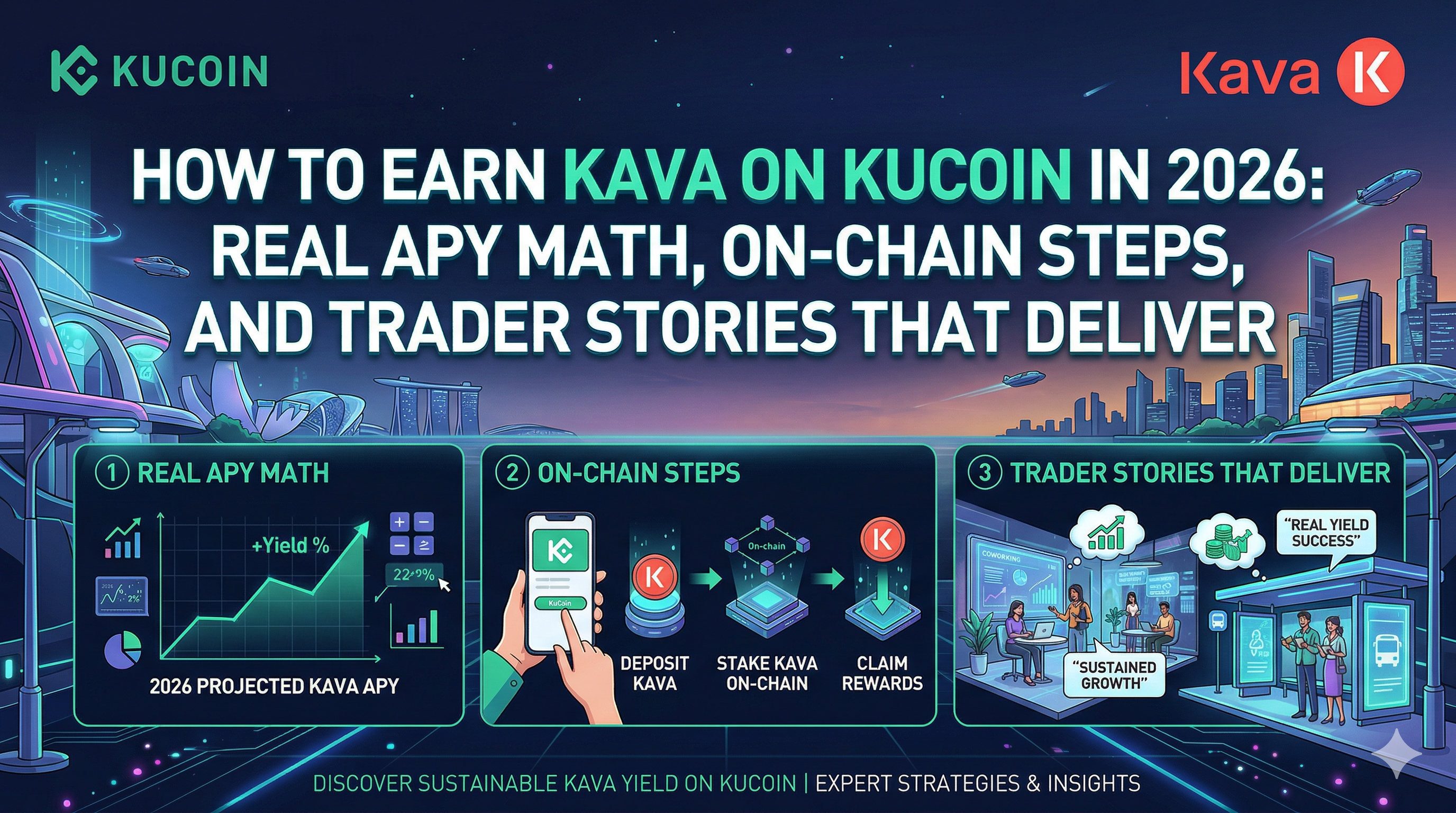
In early 2026, KAVA trades around $0.052 on KuCoin, giving everyday holders a fresh shot at turning holdings into steady rewards. New traders recently shared how a modest KuCoin purchase snowballed into meaningful monthly KAVA payouts after moving assets on-chain. KuCoin remains the go-to spot for quick buys and cheap withdrawals, feeding directly into the Kava network, where staking and lending generate real income.
KuCoin gives users a direct path to KAVA rewards by combining low-cost acquisition with seamless access to the chain’s native 9-12% APY staking and DeFi opportunities, turning a simple trade into compounding passive gains amid the ecosystem’s 2026 growth plans.
Why KAVA at Around $0.05 in Early 2026 Makes Staking Especially Attractive Right Now
KAVA sits near $0.052 on KuCoin right now, down slightly in recent weeks but holding steady volume, making entry easy for new and seasoned holders alike. At this level, the token offers strong upside for yield chasers because staking rewards flow in additional KAVA tokens that compound over time. Native chain data shows reward rates hovering between 9.75% and 12.29%, depending on the validator and network activity, far outpacing many stablecoin options in the current market. A holder who buys 10,000 KAVA today spends roughly $520 yet earns about 975 to 1,229 extra KAVA over the next 12 months before any compounding.
Those new tokens arrive weekly or daily once staked, allowing users to reinvest without additional fees from the exchange. KuCoin’s tight spreads and instant availability mean buyers avoid the slippage seen on smaller platforms during quiet hours. Recent community posts show how this price point lets smaller accounts hit meaningful reward thresholds faster than when KAVA sat above $0.08. Validators on the Kava chain distribute inflation-based rewards plus a share of transaction fees, keeping the yield engine running even during sideways price action. The 21-day unbonding window feels manageable when rewards keep flowing, and KuCoin’s fast withdrawal process gets funds onto the chain in minutes. Early 2026 also brings Kava’s focus on tokenized assets and USDT liquidity, which could lift overall network usage and push staking returns higher for everyone who positions early through KuCoin.
Getting Started on KuCoin: How to Buy KAVA Quickly and with Low Fees
Log in to your KuCoin account and head straight to the KAVA/USDT trading pair, where daily volume keeps spreads razor thin. Search for KAVA, check the live price around $0.052, and place a market or limit order that matches your budget. Many users fund via P2P or bank transfer first to skip card fees entirely, then swap into USDT before grabbing KAVA in one click. KuCoin charges minimal maker-taker fees that drop even lower once you hit basic trading tiers, so a $1,000 purchase might cost under $2 in total.
After the trade settles instantly in your spot wallet, double-check the amount and prepare for withdrawal. The platform shows exact network fees upfront so you know precisely how many KAVA will arrive on-chain. Recent March 2026 promotions included rate-up coupons that some traders applied to boost related earn products, though KAVA itself shines brightest when moved off-exchange. New users often start small to test the flow, buying 500 KAVA first and watching the transfer complete within 10 minutes.
KuCoin’s mobile app makes the whole process smooth for traders on the go in places like South Africa, where fast local funding options shine. Once purchased, the tokens sit ready for immediate withdrawal to a compatible wallet, unlocking the full reward potential that centralized holding alone cannot provide.
Moving Your KAVA Off KuCoin to Stake On-Chain Without Losing a Dime
Head to your KuCoin wallet, select KAVA, and choose withdraw to the Kava mainnet address. Copy your Keplr or Trust Wallet address carefully and paste it, then confirm the network as KAVA to avoid any cross-chain mistakes. KuCoin displays the exact withdrawal fee, usually a few cents worth of KAVA, so your full balance minus that tiny cost lands safely on-chain. The process takes under five minutes during normal network times, and users report zero lost tokens when they double-check the address first. Once confirmed on the blockchain explorer, open your wallet app and see the KAVA appear ready for staking.
This direct bridge from KuCoin keeps costs minimal compared to routing through other exchanges that charge higher gas or bridge fees. Many holders time the withdrawal during low-congestion hours to ensure the transaction confirms in seconds. The 21-day unbonding clock starts only after you stake, so the move itself carries no lockup. KuCoin’s support team stays available 24/7 if any confirmation delay appears, though most transfers sail through without issue. This step turns your exchange balance into productive on-chain assets that start earning immediately upon delegation.
Installing Keplr Wallet and Connecting to the Kava Network Step by Step
Download the Keplr browser extension or mobile app and create or import your wallet with a secure seed phrase. Once inside, click add network and search for Kava; it auto-fills the RPC details so you can connect in one tap. Switch the active chain to Kava and paste your address to receive the freshly withdrawn tokens from KuCoin. The interface shows your balance instantly, and a quick faucet claim or small test send confirms everything works.
Keplr then lets you view staking options right from the dashboard without leaving the wallet. Users praise how the extension integrates seamlessly with Kava’s ecosystem tools, displaying live reward estimates before you delegate. No extra gas tokens are needed for basic staking since KAVA itself covers fees. The setup takes less than three minutes even for first-timers, and the wallet remembers your connection for future sessions. This direct link from KuCoin withdrawal to Keplr staking removes middlemen and maximizes every reward dollar.
How to Select Top Validators and Avoid Slashing Risks on Kava
Inside Keplr, click the staking tab and scroll through the validator list sorted by commission and uptime. Choose established operators like Chorus One or Everstake that show 99%+ uptime and low commission rates around 5-10%. Check their voting power to ensure they stay below 10% of the total stake, reducing centralization risk. Review recent slashing history on the Kava explorer before delegating; top validators rarely face penalties. Once selected, enter the amount of KAVA you want to stake, confirm the transaction, and watch the delegation go live.
Rewards start accruing within the next block, paid out automatically to your wallet. Many holders spread their stake across two or three validators to further lower any single-point risk. KuCoin users often delegate rights after withdrawal, so the clock on rewards begins immediately. The process keeps total control in your hands while the chosen validator handles block production and earns you a steady cut.
Crunching the Numbers: What a $1,000 KAVA Stake Actually Earns You in 2026
Take $1,000 and buy roughly 19,231 KAVA at today’s $0.052 price on KuCoin. Stake the full amount at a conservative 10% APY, and you earn about 1,923 extra KAVA over 12 months, worth roughly $100 at current prices. At the higher 12.29% rate reported on staking dashboards, that same stake produces 2,363 new KAVA worth nearly $123 annually. Compound monthly by claiming and restaking rewards, and the effective yield climbs closer to 11.5% over time. After two years, the original 19,231 KAVA grows to around 22,300 tokens, turning the initial $1,000 into $1,160 without any price appreciation. Daily rewards average 5.27 KAVA at 10% APY, enough to notice even on smaller stacks. These figures come straight from current network data and assume steady validator performance. KuCoin’s low entry cost means you keep almost every dollar working instead of paying high fees elsewhere. Real holders run these exact numbers in simple spreadsheets before committing, adjusting for their exact buy price and chosen APY.
The Real Impact of the 21-Day Unbonding Period on Your Strategy
The 21-day unbonding window on Kava means you cannot access staked KAVA instantly if you decide to sell during a sudden price spike. Plan your liquidity needs around this buffer so you always keep a small unstaked portion in your wallet for emergencies. Most active traders treat the unbonding as a feature that discourages panic selling and actually boosts long-term returns.
During the wait, rewards continue to accrue until the unbond completes, so you lose nothing on yield. KuCoin users often withdraw only what they need to stake and leave extra in spot for quick trades. Recent market dips showed holders who understood the timeline simply waited out volatility and kept earning the full APY. The period aligns with Kava’s security model and rarely feels restrictive once you build the habit of holding a cash buffer.
Kava’s Ambitious 2026 Roadmap with USDT, RWAs, and AI: Rewards for Stakers Ahead
Kava’s 2026 plans center on deeper USDT liquidity, real-world asset tokenization, and AI-powered decentralized compute, all of which increase network activity and transaction fees that flow back to stakers. Higher usage directly lifts the reward pool beyond pure inflation. KuCoin buyers who stake early position themselves to benefit as new capital enters the ecosystem. Roadmap updates released in recent weeks already show rising TVL in Kava’s DeFi modules, signaling stronger yields ahead. Stakers see these developments as free upside on top of current APYs.
Capitalizing on KuCoin’s Occasional High-Yield KAVA Staking Promotions
KuCoin runs limited-time earn events that occasionally include KAVA with boosted APRs up to 12% for short lock periods. Check the Earn section weekly and set alerts for new listings so you can move fresh purchases straight into the promotion before it fills. These flash opportunities let users stack rewards on top of native staking once the promo ends. Past March 2026, cycles distributed extra coupons that traders applied to related products, adding measurable income.
After staking, supply a portion of KAVA or borrowed assets to Kava Lend to earn extra KAVA and HARD tokens on top of staking rewards. The dual yield compounds faster because you keep the original stake active. KuCoin supplies the initial capital, and the DeFi loop runs entirely on-chain. Users report total returns climbing into the mid-teens when both mechanisms run together.
Smart Ways to Handle KAVA Price Swings While Keeping Your Stake Active
Dollar-cost average additional buys on KuCoin during dips to lower your overall entry and keep staking rewards flowing uninterrupted. Set price alerts inside the app so you can react quickly without selling staked positions. Many traders keep 20% of their KAVA liquid on KuCoin for opportunistic trades while the bulk earns on-chain.
Claim rewards every week or two and send them back to KuCoin for a quick swap if needed, then redeposit and restake. This compounding loop turns small weekly payouts into meaningful portfolio growth. Track everything in a simple spreadsheet showing original stake, rewards claimed, and current value.
With Kava pushing tokenized finance and AI infrastructure in 2026, staked positions today sit ready to capture rising network value. KuCoin keeps the acquisition cost low, so more capital stays productive longer. Consistent earners who started small now watch their holdings grow steadily through both price appreciation and reward accumulation.
FAQs
Q1: How long does it take to see the first KAVA rewards after buying on KuCoin and staking?
Most users notice the initial rewards within 24 hours once the delegation completes on the Kava network, with payouts continuing steadily every block thereafter.
Q2: Can I keep trading other coins on KuCoin while my KAVA stake earns on-chain?
Yes, the spot balance stays separate from your staked amount, so you continue using the full KuCoin platform without touching your earning position.
Q3: What is the smallest amount of KAVA that makes staking worthwhile through KuCoin?
Even 100 KAVA delivers noticeable weekly rewards at current APYs, and KuCoin’s low fees let micro holders start without waste.
Q4: Do KuCoin promotions ever overlap with native Kava staking for extra yield?
They do during special earn weeks, allowing users to lock a portion for boosted rates before returning to full on-chain staking afterward.
Q5: How does the 21-day unbonding affect someone who needs quick access to cash?
Keep a separate unstaked reserve on KuCoin or in your wallet so you never have to unbond during urgent situations.
Q6: Will Kava’s 2026 roadmap changes automatically raise staking rewards for KuCoin users?
Increased network activity from USDT and RWA integrations tends to grow the fee pool that supplements staking yields over time.
Disclaimer: This content is for informational purposes only and does not constitute investment advice. Cryptocurrency investments carry risk. Please do your own research (DYOR).