

How Are Ethereum and Solana Preparing for Quantum Threats Compared to Bitcoin?

Introduction
While Bitcoin faces approximately 30% of its supply vulnerable to quantum attacks, the broader cryptocurrency ecosystem is awakening to the threat. Ethereum and Solana, the second and third largest cryptocurrencies by market cap, are taking notably different approaches to quantum preparedness. The question is no longer whether quantum computers will threaten blockchains - it is which platforms will survive the transition intact, and which will be left exposed.
This divergence matters for every cryptocurrency holder. The platforms preparing actively today are building infrastructure that will define the post-quantum era. Those waiting for crises to strike face existential risk. Understanding these different approaches helps investors make informed decisions about where to allocate capital.
The cryptocurrency market is beginning to price in quantum preparedness as a factor in platform valuation. Active preparation reduces existential risk and increases long-term viability. Investors are increasingly factoring this into their allocation decisions across different blockchain platforms.
Ethereum has established a dedicated Post-Quantum team and accelerated cryptographic upgrades. Solana is testing quantum-resistant signatures with Project Eleven, though early results reveal uncomfortable tradeoffs between security and performance. Meanwhile, Bitcoin’s approach remains largely reactive. Understanding how these three platforms compare provides essential context for anyone holding significant cryptocurrency positions.
Ethereum’s Post-Quantum Preparations
The Ethereum Foundation has taken the most proactive approach among major blockchains. In November 2025, co-founder Vitalik Buterin publicly emphasized that Ethereum’s underlying elliptic curve cryptography could become vulnerable to quantum attacks. This warning prompted immediate action, leading to the establishment of a dedicated Post-Quantum team in early 2026.
Ethereum’s strategy centers on three key pillars:
-
Cryptographic agility - The ability to swap out signature schemes without major disruption
-
Hash-based signatures - Alternative to ECDSA that resists quantum attacks
-
SNARK-based upgrades - Using zero-knowledge proofs for enhanced security
The team is working on LeanVM, a streamlined virtual machine that would make signature algorithm transitions smoother. This approach allows Ethereum to maintain backward compatibility while upgrading to quantum-resistant cryptography. The Hybrid Post-Quantum Signatures initiative enables dual signature schemes during the transition period, providing security without requiring immediate migration.
Ethereum’s advantages in the quantum preparedness race include several factors. The platform was designed with upgradeability in mind, making fundamental changes less disruptive than with Bitcoin. The Foundation’s direct involvement provides centralized coordination that Bitcoin’s decentralized governance lacks. Active research into SNARK-based authentication offers a potentially revolutionary path beyond traditional digital signatures.
However, Ethereum faces significant challenges. The platform’s extensive DeFi ecosystem means any signature change could create compatibility issues across thousands of smart contracts. The transition to post-quantum cryptography would represent the most significant upgrade in Ethereum’s history, requiring careful coordination across a diverse validator community. Different DeFi protocols may need to upgrade simultaneously to maintain interoperability, creating coordination challenges.
Despite the challenges, Ethereum has advantages in its quantum preparedness. The platform was designed with upgradeability in mind, making fundamental changes less disruptive than with Bitcoin.
Solana’s approach to quantum threats reveals a fundamentally different philosophy - prioritize speed, then add security layers. The Solana Foundation has been working with Project Eleven since late 2025 to test quantum-resistant cryptography, with early results published in April 2026 showing promising but complex outcomes.
Solana's Post-Quantum Preparations
Solana’s testing focuses on two areas:
-
Post-quantum digital signatures - Testing alternative signature schemes
-
Performance security tradeoff measurement - Quantifying the cost of quantum resistance
The core challenge Solana faces is the security-versus-speed tradeoff inherent in its high-performance architecture. Solana processes transactions at extremely high throughput, and adding quantum-resistant signatures could significantly impact performance. Early tests reportedly confirmed this tradeoff, with quantum-resistant signatures adding meaningful latency to transaction processing.
Project Eleven’s research suggests Solana could implement post-quantum cryptography without catastrophic performance degradation, but the platform would need to accept meaningful throughput reduction. This presents a genuine dilemma for a platform that built its brand on speed and scalability.
Despite the challenges, Solana has advantages in its quantum preparedness. The platform’s younger architecture means fewer legacy constraints than Bitcoin or Ethereum. Validator coordination is more centralized than Bitcoin, making protocol upgrades potentially easier to execute. Foundation-led research provides clear direction that the market can evaluate.
Solana’s early investment in post-quantum testing positions it ahead of most major blockchains in terms of preparation timeline. However, the platform must still overcome the fundamental tension between its performance-first design philosophy and the computational overhead of quantum-resistant cryptography. The decision Solana makes in the coming years may define whether it remains a high-performance platform or evolves into a more secure one.
Bitcoin’s Quantum Vulnerability Context
To understand Ethereum and Solana’s relative positioning, we must first appreciate Bitcoin’s quantum vulnerability as context. Approximately 6.5 million to 6.9 million BTC faces potential quantum attack through addresses with exposed public keys, representing roughly 30% of all Bitcoin at risk.
Bitcoin faces unique challenges in quantum preparedness. Decentralized governance makes coordination difficult for any major upgrade. No dedicated research team exists for post-quantum solutions. The conservative development philosophy resists major changes that could affect the network’s stability. The extremely high stake creates enormous upgrade risk, as any mistake could affect billions of dollars in value.
Bitcoin’s approach has been largely reactive rather than proactive. While academic research continues, no concrete roadmap for post-quantum cryptography exists. The lack of centralized leadership means any upgrade would require broad consensus among miners, developers, and users - a slow and uncertain process.
Comparing the three platforms reveals stark differences in preparation levels. Ethereum has a dedicated team, active research, and a clear roadmap. Solana is actively testing with concrete results. Bitcoin has neither the team nor the roadmap, relying on its conservative development philosophy to weather uncertainty.
Comparative Analysis: How the Three Platforms Stack Up
The quantum preparedness of Ethereum, Solana, and Bitcoin varies significantly. Understanding these differences helps investors assess risk and exposure across the cryptocurrency ecosystem.
Ethereum leads in preparation depth. The dedicated Post-Quantum team was established in late 2025 with active research on multiple approaches including hash-based signatures and SNARK-based authentication. Hybrid signature support enables gradual transition without disrupting the network. Foundation backing provides funding and coordination that other platforms lack.
Solana leads in testing concrete results. Active testing with Project Eleven since 2025 has produced measurable performance tradeoff data. The younger architecture means fewer legacy constraints than older blockchains. Strong validator coordination enables potentially rapid upgrades when decisions are made. Foundation provides clear research direction that the market can evaluate.
Bitcoin trails in active preparation. No dedicated post-quantum research team exists, and the conservative philosophy slows major upgrades. Decentralized governance complicates coordination for any significant change. Approximately 30% of supply faces quantum vulnerability through exposed public keys. No concrete roadmap or timeline exists for post-quantum upgrades.
The stark reality is that Ethereum and Solana are actively preparing while Bitcoin remains largely reactive. For investors concerned about quantum threats, this preparation gap should factor into portfolio allocation decisions.
Should You Be Concerned About Quantum Threats to Your Crypto Holdings
For most cryptocurrency holders, practical quantum risk remains years away. No quantum computer exists that can break current cryptography, and estimates suggest such capability remains 5-10 years distant. However, the preparation gap between platforms matters for long-term positioning.
Practical considerations vary by platform. Ethereum holders benefit from active preparation but should monitor transition timing to ensure upgrades are executed before quantum threats materialize. Solana holders face a performance tradeoff but can expect meaningful upgrades to be developed. Bitcoin holders should consider quantum vulnerability in long-term allocation decisions. Holders using hardware wallets reduce exposure regardless of platform, as self-custody provides control over key management.
For those building long-term cryptocurrency positions, platform selection increasingly includes quantum preparedness as a factor. The question is no longer whether quantum computing threatens cryptocurrencies - it is which platforms will navigate the transition successfully.
The preparation gap between Ethereum, Solana, and Bitcoin reflects broader philosophical differences in platform development. Ethereum’s proactive approach demonstrates the value of centralized coordination in times of technological change. Solana’s performance-first philosophy faces genuine tension with security requirements. Bitcoin’s conservative approach provides stability but leaves vulnerability unaddressed.
Looking ahead, the quantum computing timeline suggests threats remain years away. Most estimates place quantum break capability at 5-10 years distant. However, the platforms preparing today are building infrastructure that will define the post-quantum era. Ethereum’s early investment in cryptographic agility positions it to adapt regardless of which quantum-resistant scheme proves superior. Solana’s willingness to accept performance tradeoffs demonstrates commitment to security over speed. Bitcoin’s reactive approach leaves it vulnerable to the same existential questions it faced in earlier eras of cryptocurrency development.
For investors, the practical implication is clear. Long-term cryptocurrency positions should factor quantum preparedness into platform selection. The gap between actively preparing platforms like Ethereum and Solana versus reactive platforms like Bitcoin will likely widen as quantum computing approaches practical capability.
How to Trade Ethereum and Solana on KuCoin
Step 1: Create Your KuCoin Account
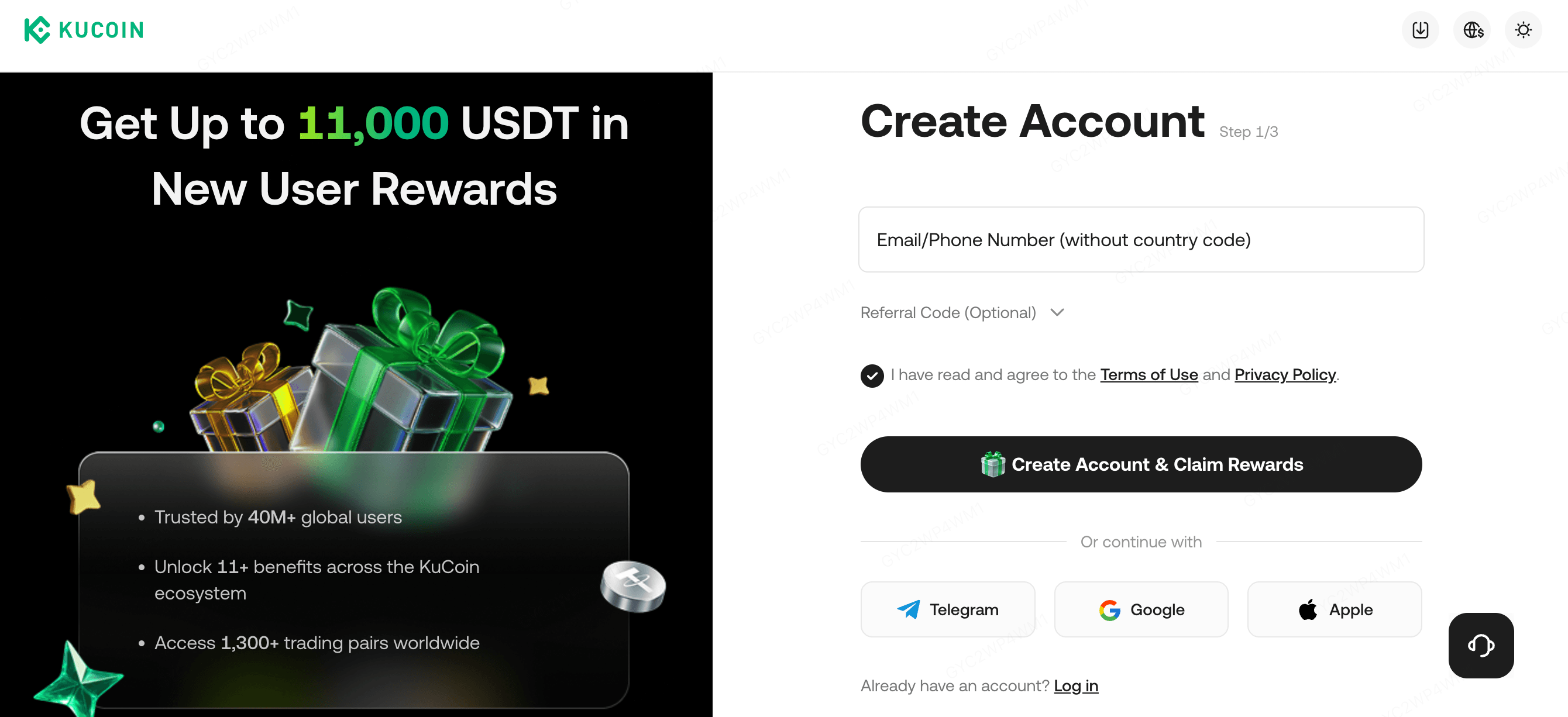
If you are ready to trade Ethereum or Solana, the first step is creating your KuCoin account. New users can register and receive up to $11,000 in rewards. Simply visit the KuCoin website or download the mobile app, complete registration, and verify your identity to unlock these rewards.
Step 2: Execute Your Trade
Search for ETH or SOL trading pairs in KuCoin’s interface. Both tokens offer strong liquidity across multiple trading pairs. Consider using limit orders during volatile periods to manage execution quality. The trading interface provides multiple order types suitable for different strategies.
Step 3: Position Management
Establish clear profit targets and stop-loss levels before entering positions. Monitor developments around post-quantum cryptography for both Ethereum and Solana. The platforms’ quantum preparedness may increasingly factor into their long-term viability and market positioning. Staying informed about post-quantum developments helps make better investment decisions across all major blockchains.
Conclusion
Ethereum, Solana, and Bitcoin represent three distinct approaches to quantum preparedness. Ethereum leads with a dedicated team, active research, and a clear roadmap toward post-quantum cryptography. Solana trades actively to balance security against its core performance advantage. Bitcoin, surprisingly vulnerable with 30% of supply at risk, has no clear roadmap and relies on its conservative development philosophy.
The practical reality is that quantum computing threats remain years away. However, the preparation gap between platforms is significant and growing. Ethereum’s proactive approach positions it well for long-term security. Solana’s performance-first architecture faces genuine tradeoffs but the platform is actively testing solutions. Bitcoin’s reactive approach and quantum-vulnerable supply represent a meaningful risk factor that long-term holders should consider.
For cryptocurrency investors, platform selection increasingly includes quantum preparedness as a meaningful factor. The transition to post-quantum cryptography will test every blockchain, and the platforms preparing today are positioning for survival tomorrow.
FAQs
Q: How much further ahead is Ethereum in quantum preparedness compared to Bitcoin?
A: Ethereum has a dedicated Post-Quantum team established in late 2025, active research on multiple approaches, and a clear roadmap. Bitcoin has no dedicated team and no concrete roadmap. Ethereum is years ahead in active preparation.
Q: Does Solana’s quantum preparedness come at a performance cost?
A: Yes. Early testing with Project Eleven confirms a security-versus-speed tradeoff. Quantum-resistant signatures add meaningful latency to transaction processing. Solana must decide between maintaining its speed advantage or accepting the security upgrade.
Q: Should I sell my Bitcoin because of quantum vulnerability?
A: Practical quantum risk remains years away. No quantum computer exists that can break current cryptography. However, for long-term allocation, the 30% of Bitcoin facing quantum vulnerability represents a meaningful risk factor that should influence position sizing.
Q: Which blockchain will survive quantum computing attacks?
A: Ethereum appears best positioned given its active preparation, while Bitcoin faces significant challenges. Solana is actively testing but must resolve its performance tradeoff. The eventual survivor depends on execution of post-quantum upgrades, not current preparation alone.
Q: When should I worry about quantum attacks on my crypto?
A: Most estimates suggest quantum computers capable of breaking current cryptography remain 5-10 years away. However, the preparation gap between platforms is relevant now for long-term position management.