

Pakistan Lifts Crypto Ban: How Emerging Markets Are Racing Into Digital Assets
Thesis Statement
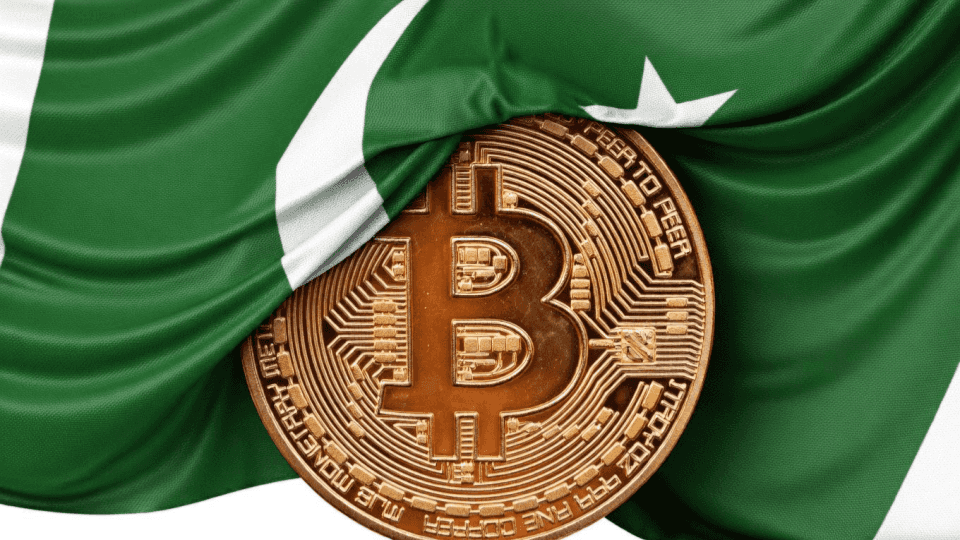
Pakistan's central bank lifted a long-standing restriction on crypto services this week, marking a sharp turn for one of the world's most active underground digital asset markets. On April 14, 2026, the State Bank of Pakistan (SBP) issued a circular allowing banks to open accounts for licensed virtual asset service providers. This change follows the passage of the Virtual Assets Act 2026, which created the Pakistan Virtual Assets Regulatory Authority (PVARA) to oversee the sector. The move brings formal banking access to a market where people already trade billions in crypto each year, often through informal channels.
Pakistan's bold step signals a wider wave as emerging markets embrace crypto to solve real economic pain points and unlock new growth.
How Pakistan's Underground Crypto Scene Exploded Despite the Old Ban
For years, Pakistan operated one of the most vibrant crypto scenes on the planet, even while banks stayed away. Estimates put the number of active users between 20 million and 27 million by early 2026, placing the country among the global top three or four in raw user numbers behind only giants like India and the United States. People turned to Bitcoin, stablecoins, and other tokens to send money home from abroad, hedge against rupee swings, and access financial tools that traditional banks rarely offered in rural areas. Transaction volumes hit around $25 billion in 2025 alone, with some reports suggesting even higher figures when counting peer-to-peer trades and offshore platforms.
Young traders in Karachi and Lahore used mobile apps late into the night, swapping USDT for local rupees to pay bills or buy goods when bank transfers felt slow or costly. This underground boom happened quietly, driven by necessity rather than hype. Families relied on crypto remittances that arrived faster and cheaper than old Western Union routes. Entrepreneurs in tech hubs experimented with decentralized tools to build small online businesses. The ban kept banks out but never stopped the flow of digital value crossing borders or within the country. Now, with licensing in place, that hidden energy stands ready to surface into the formal economy.
What the State Bank of Pakistan's Circular Actually Changes on the Ground
The SBP's BPRD Circular Letter No. 10 of 2026 replaces the 2018 directive that blocked banks from any crypto dealings. Banks can now maintain accounts for PVARA-licensed firms, but they still cannot trade, hold, or invest in crypto assets themselves. Accounts must stay segregated and operate only in Pakistani rupees. This setup gives exchanges and wallet providers a legal way to handle daily operations like customer deposits and withdrawals without forcing users into cash-heavy or offshore workarounds. Licensed operators gain legitimacy that could attract more participants who previously hesitated over legal risks.
Early signs show interest from major platforms seeking no-objection certificates or full licenses. The framework also opens paths for better tracking of flows while keeping consumer protections in focus. In practice, a trader in Islamabad might soon deposit rupees directly into a local exchange account instead of juggling multiple informal methods. Remittance companies could integrate smoother pipelines for overseas workers sending money back to their villages. The change feels practical rather than revolutionary at first glance, yet it removes a major daily friction that kept much activity in the shadows.
Pakistanis Who Built Lives Around Crypto Before Legalization
Practically, a software developer from Lahore who lost his traditional job during economic slowdowns but rebuilt through freelance gigs paid in stablecoins. He converted earnings to local currency via peer-to-peer groups and used the funds to support his extended family. Across the country, thousands like him turned to crypto as a lifeline when inflation eroded savings or banks limited withdrawals. In smaller towns, women running home-based crafts businesses accept USDT payments from international buyers on platforms and convert quickly to cover supplies.
One Karachi-based remittance recipient described waiting days for bank wires from the Gulf, only to lose value to fees and exchange rates, until crypto cut that time to minutes. These human stories show how digital assets filled gaps left by limited banking access for over 100 million adults. Young people in their twenties, often with smartphones but thin credit histories, found crypto offered entry to global markets without gatekeepers. The upcoming formalization could amplify these successes, letting participants scale without constant worry over sudden account freezes or unclear rules. Their experiences show crypto adoption in Pakistan grew from everyday survival needs, not distant speculation.
Why Remittances and Inflation Drove Pakistan Straight Into Digital Assets
Pakistan receives massive inflows from workers abroad, yet old systems eat into those sums through high costs and delays. Crypto offered speed and lower fees, turning it into a preferred channel for many families. The rupee faced repeated pressure, losing significant value in recent years, prompting holders to seek stores of value outside local banking. Stablecoins became popular bridges, letting users park value temporarily before converting as needed. This pattern mirrors challenges across emerging economies where currency volatility and weak infrastructure push innovation toward borderless tools. In Pakistan, the combination created a perfect storm: large diaspora networks, high mobile penetration, and trust issues with legacy finance.
Volumes swelled as users discovered they could move money across time zones without weekends or holidays interrupting service. The new banking access could lower costs further by reducing reliance on unregulated middlemen. Families might see more of each remittance dollar reach home, while businesses gain predictable cash flow options. These pressures explain the rapid user growth even under restrictions, setting the stage for accelerated activity once infrastructure catches up.
How the Virtual Assets Act 2026 Sets Up a Licensing System That Works
Lawmakers passed the Virtual Assets Act earlier in 2026, creating PVARA as a dedicated body to license and supervise providers. The authority replaces temporary setups with permanent powers to approve exchanges, custodians, and related services. Operators must meet standards around security, customer verification, and reporting. This structure aims to bring transparency without choking the grassroots momentum already present. Exchanges like Binance and HTX have shown interest in securing approvals, potentially bringing local language support, rupee pairs, and better compliance tools.
The Act also touches on possibilities for tokenized assets and broader blockchain uses, though the immediate focus stays on integrating existing activity. Licensing gives users clearer recourse if issues arise and helps separate legitimate players from risky ones. For a market estimated to hold $18-30 billion in digital assets, this framework provides a path to formalize holdings and transactions. Early movers who obtain licenses could capture a significant share as trust builds. The system balances openness with oversight, reflecting lessons from other countries that moved too slowly or too fast.
Pakistan's $25 Billion Transaction Wave in 2025
Data from 2025 reveals Pakistan handled roughly $25 billion in crypto transaction volume despite the banking freeze. Some broader estimates, including offshore and peer-to-peer activity, push figures toward $250 billion in annual turnover on certain platforms when counting all users. Around 17.5 million Pakistanis held accounts on one major exchange alone, with holdings of nearly $5 billion there. Chainalysis rankings consistently placed Pakistan near the top globally for grassroots adoption, driven by high on-chain activity relative to population and economic size.
User growth accelerated from about 18 million in 2024 to over 27 million recently, showing 50 percent year-over-year jumps in some periods. These figures come from wallet activity, trading pairs, and transfer patterns that reveal heavy use for both savings and payments. The scale rivals formal stock market participation, where account numbers are far fewer. Such volumes highlight how crypto became embedded in daily economic life long before official nods. With banking doors opening, these numbers could climb as friction drops and new users join confidently. Projections for 2026 point toward 35-40 million participants if integration goes smoothly.
What Licensed Exchanges Could Bring to Everyday Pakistani Traders
Once platforms secure PVARA approvals, users might see rupee on-ramps, faster local settlements, and improved mobile experiences tailored to local needs. Features like educational resources in Urdu, integration with popular payment apps, and stronger security protocols could lower barriers for first-timers. Traders who once navigated gray-market groups may shift to regulated venues offering better liquidity and dispute resolution. Remittance firms could partner directly, cutting layers and costs for overseas families. Smaller businesses might accept crypto payments more openly, knowing settlement routes exist through licensed channels.
Innovation could follow, with developers building tools for micro-lending or supply chain tracking on blockchain. The shift promises to professionalize what started as informal networks, while preserving the speed and accessibility that drew millions initially. Competition among licensed players might drive down fees and spark product improvements. For a population where many remain unbanked, these services extend financial reach without requiring physical branches. The coming months will test how quickly operators adapt and how users respond to the new options.
Comparing Pakistan's Move to Crypto Growth Patterns in India and Vietnam
India sits atop global adoption charts with massive user bases and active trading communities, while Vietnam shows strong retail participation through decentralized tools. Both countries demonstrate how large populations with mobile-first habits can drive crypto volumes even amid evolving rules. Pakistan shares similar demographics: young, tech-savvy citizens facing economic pressures that make alternative finance attractive. Yet Pakistan's path includes a sharper recent pivot from restriction to structured access. The region's combined activity underscores South and Southeast Asia as hotspots where crypto addresses gaps in traditional systems.
Cross-border learnings could flow as regulators and businesses watch each other's frameworks. In each market, adoption ties closely to remittances, inflation protection, and inclusion for those outside banking nets. Pakistan's licensing step could position it to learn from neighbors' successes and missteps, potentially accelerating responsible growth. Shared cultural and economic threads suggest the wave will continue spreading as more nations formalize their existing underground flows.
Brazil and Nigeria Show Parallel Paths for Emerging Market Crypto Adoption
Brazil reports high ownership rates around 20 percent in some surveys, fueled by interest in stablecoins and local token projects. Nigeria boasts significant peer-to-peer trading volumes and creative use cases despite past restrictions. Both nations illustrate how emerging economies turn to crypto for hedging, cross-border payments, and bypassing inefficiencies. Pakistan's 27 million users fit this pattern, with similar drivers around currency stability and remittance efficiency. In Nigeria, decentralized finance tools helped users navigate banking limitations, much like informal channels did in Pakistan.
Brazil saw institutional interest grow alongside retail activity. These examples highlight a broader trend where developing markets lead in adoption metrics because crypto solves immediate problems faster than legacy reforms. Pakistan now joins this group with clearer rules, potentially inspiring similar adjustments elsewhere. The human element stays consistent: families, small traders, and entrepreneurs using available tools to improve daily finances. As more countries ease barriers, data flows, and best practices could create regional synergies.
Potential Economic Boosts From Bringing Crypto Activity Into the Open
Formal integration could channel existing volumes into taxable and trackable streams, supporting government revenue without new burdens on users. Businesses might expand faster with reliable payment options, creating jobs in tech, compliance, and related services. Remittance savings could stay in the local economy longer, boosting consumption and investment. Tokenization of assets, mentioned in broader discussions around the Act, opens doors for efficient ownership transfers in real estate or commodities.
Youth employment in blockchain development could rise as local talent builds solutions for domestic needs. The shift from gray to regulated markets often unlocks capital that stayed sidelined due to uncertainty. For Pakistan's economy, where GDP hovers near $400 billion in some estimates, capturing even a fraction of crypto flows formally could add meaningful activity. Early data from other markets shows that adoption correlates with innovation spikes in fintech. The key lies in execution that maintains user trust while encouraging participation. These gains build on momentum already present rather than starting from zero.
Challenges Users Might Face During the Transition to Licensed Services
Shifting millions of users accustomed to informal methods requires clear communication and simple onboarding. Some may worry about new verification steps or temporary service disruptions as platforms adjust. Liquidity could vary initially while regulated venues build volume. Education around safe practices remains vital, especially for those new to formal platforms. Providers will need to balance compliance with user-friendly designs that match the speed people expect from crypto. Rural users with limited internet or documentation might need extra support to participate fully.
Competition could sort strong operators from weaker ones, potentially leading to consolidation. Yet the overall direction points toward greater security and options over time. Past transitions in similar markets show that initial hesitation gives way to broader uptake once reliability proves out. Addressing these growing pains thoughtfully will determine how quickly the full benefits materialize for ordinary participants.
Global Investors Watching Pakistan's Regulated Crypto Experiment Closely
International platforms and funds monitor developments for clues about scalability in high-population markets. Successful licensing could draw capital and talent eager to serve the large user base. Partnerships might emerge for technology transfers or joint ventures in areas like custody or analytics. The rupee-pegged stablecoin ideas or mining expansions discussed in policy circles add layers of interest.
Observers note Pakistan's demographics, a large, young population with rising smartphone use, as fertile ground for digital finance expansion. Lessons from this rollout could influence approaches in other South Asian or African contexts facing comparable conditions. Investor sentiment often improves when countries move from bans to frameworks, signaling openness to innovation. While banks stay restricted from direct holdings, the servicing model still creates ecosystem opportunities. Global attention could accelerate local capacity building and bring world-class standards to Pakistani operations. The experiment tests whether structured access can harness grassroots energy without losing its core advantages.
How Other Emerging Markets Could Copy Elements of Pakistan's Approach
Nations with large unbanked populations or remittance dependencies may study the combination of a dedicated regulator and targeted banking access. Steps like creating a licensing authority first, then enabling financial plumbing, offer a phased model that brings activity above ground gradually. Countries facing currency pressures could adapt similar hedges through stable assets while building oversight. Regional cooperation might grow around shared standards for cross-border crypto flows.
Success in Pakistan would provide a blueprint showing how to integrate high existing adoption without starting over. Smaller economies might focus on niche applications like tokenized remittances or supply chains. The emphasis on rupee-only accounts for licensed entities offers a control mechanism that others could tweak. As data emerges from the early months, policymakers elsewhere will likely benchmark results on user growth, volume shifts, and compliance metrics. This ripple effect could speed broader acceptance across developing regions where crypto already thrives informally.
What the Next 12 Months Hold for Crypto Users Inside Pakistan
Expect a ramp-up in licensed platform launches, improved local language tools, and possibly pilot programs for new services. User numbers could push toward 35 million or more as word spreads about safer options. Remittance volumes might shift noticeably toward regulated channels if costs drop. Innovation in areas like decentralized identity or micro-payments could surface from local developers. Challenges around awareness and access in remote areas will test implementation creativity.
Overall market sentiment within the country appears optimistic based on early reactions, with many viewing the change as validation of years of quiet participation. The period ahead will reveal how effectively the framework scales while protecting participants. Monitoring real transaction data and user feedback will provide the clearest picture of progress. For now, the foundation supports continued expansion built on the strong base already in place.
Why Emerging Markets Lead the Global Crypto Story in 2026
Across Asia, Africa, and Latin America, adoption metrics consistently outpace many developed nations because digital assets deliver practical solutions where traditional finance falls short. High mobile usage combines with economic realities like inflation, remittance needs, and inclusion gaps to fuel organic growth. Pakistan's recent move adds to this narrative, showing how countries can formalize vibrant underground scenes rather than fight them. The combined user bases in top emerging adopters represent hundreds of millions who interact with crypto daily for payments, savings, or transfers.
This ground-up momentum drives innovation tailored to local conditions, from stablecoin usage in volatile economies to blockchain tools for trade. Global volumes reflect these realities, with regions like APAC posting strong year-over-year gains. Pakistan's story fits neatly into the pattern: necessity breeds creativity, and policy eventually follows the people. As more markets align rules with existing behavior, the sector gains depth and resilience from diverse participants solving real problems.
FAQs
1. How does the new banking access actually help ordinary crypto users in Pakistan?
The SBP circular lets licensed providers open accounts, which should make deposits and withdrawals smoother using local rupees. Users who previously relied on cash or offshore routes may face fewer hassles, faster settlements, and reduced risks from informal methods. Over time, this could lower costs for remittances and trading while giving more confidence to participate.
2. Will major international exchanges start operating directly in Pakistan now?
Platforms such as Binance and HTX have expressed interest in securing licenses or no-objection certificates. Once approved, they could offer localized services, including better language support and rupee trading pairs. The exact timeline depends on how quickly they meet PVARA requirements, but the framework clearly opens that door.
3. What risks remain for someone starting with crypto in Pakistan today?
Even with the regulatory step forward, users should still verify platform licenses, use strong security practices, and understand volatility. The transition phase may involve some learning curves around new processes. Sticking to regulated entities and keeping amounts manageable helps manage those uncertainties.
4. How big is Pakistan's crypto user base compared to other countries?
Recent estimates place active users between 20 million and 27 million, ranking the country near the global top tier alongside India and the United States in certain metrics. This scale was developed largely through grassroots activity before formal rules arrived.
5. Could this change affect remittance flows into Pakistan?
Yes, many families already use crypto for faster, cheaper transfers from abroad. Formal banking access for providers could integrate these flows more smoothly into the economy, potentially increasing efficiency and reducing losses to high fees or delays.
7. Is crypto ownership itself now fully legal for individuals in Pakistan?
The Virtual Assets Act and SBP move focus to licensing service providers and allowing banking support. Individuals have long participated, and the framework aims to bring that activity under clearer oversight without reversing personal use that was already widespread.