

DeFi 101: What Is Liquidity Mining And How Does It Work in 2026?
Introduction
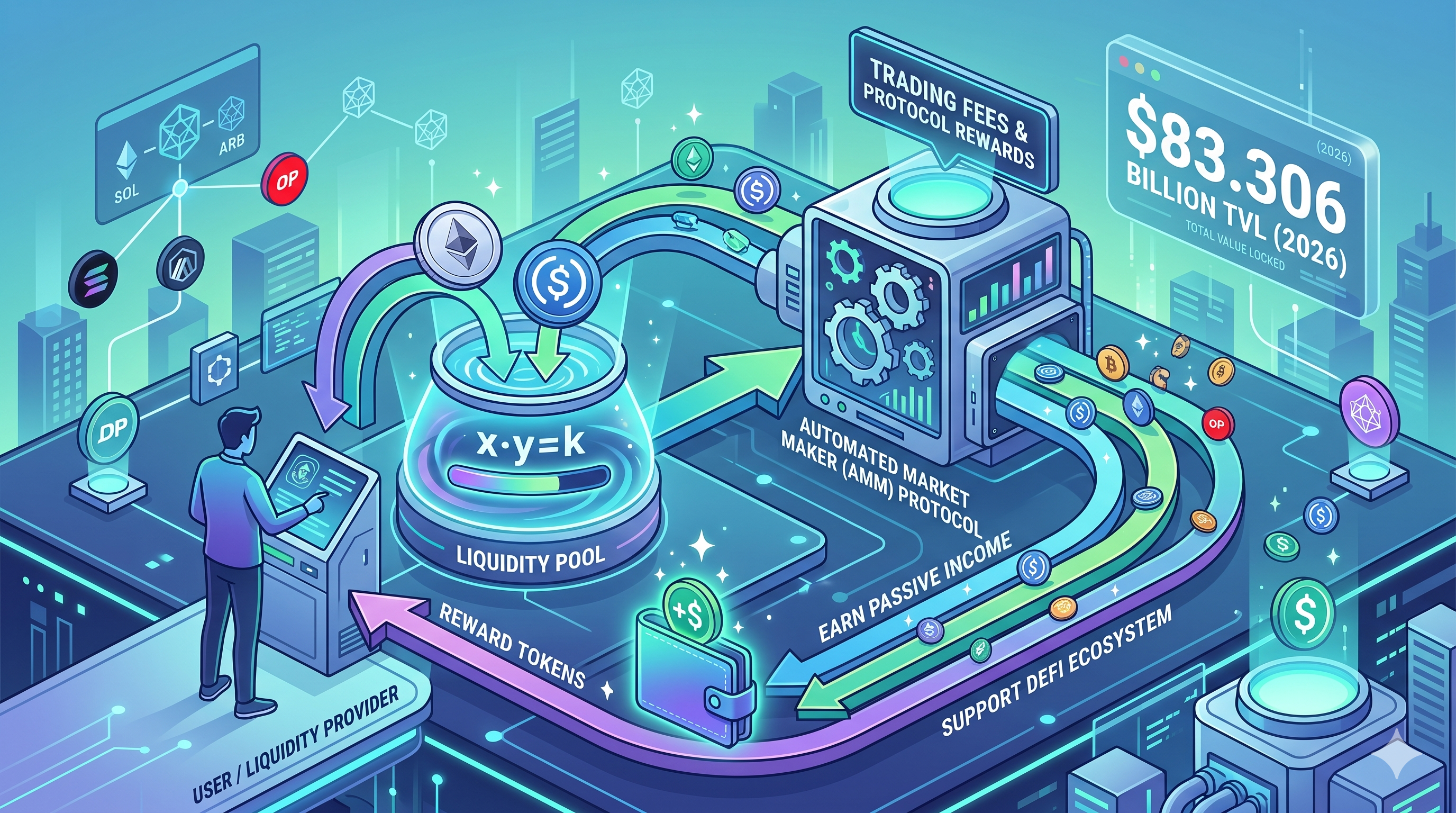
Liquidity mining is the process of supplying crypto assets to decentralized finance (DeFi) protocols and earning rewards in return. Users who contribute assets to liquidity pools receive a share of the trading fees generated by the platform, along with additional token incentives in some cases. Liquidity mining remains one of the most popular ways to generate passive income in crypto while supporting the broader DeFi ecosystem.
The concept gained mainstream attention during the DeFi boom led by protocols such as Uniswap and Compound. Earlier decentralized exchanges like IDEX pioneered aspects of liquidity incentives, while Synthetix further refined reward mechanisms for decentralized liquidity providers.
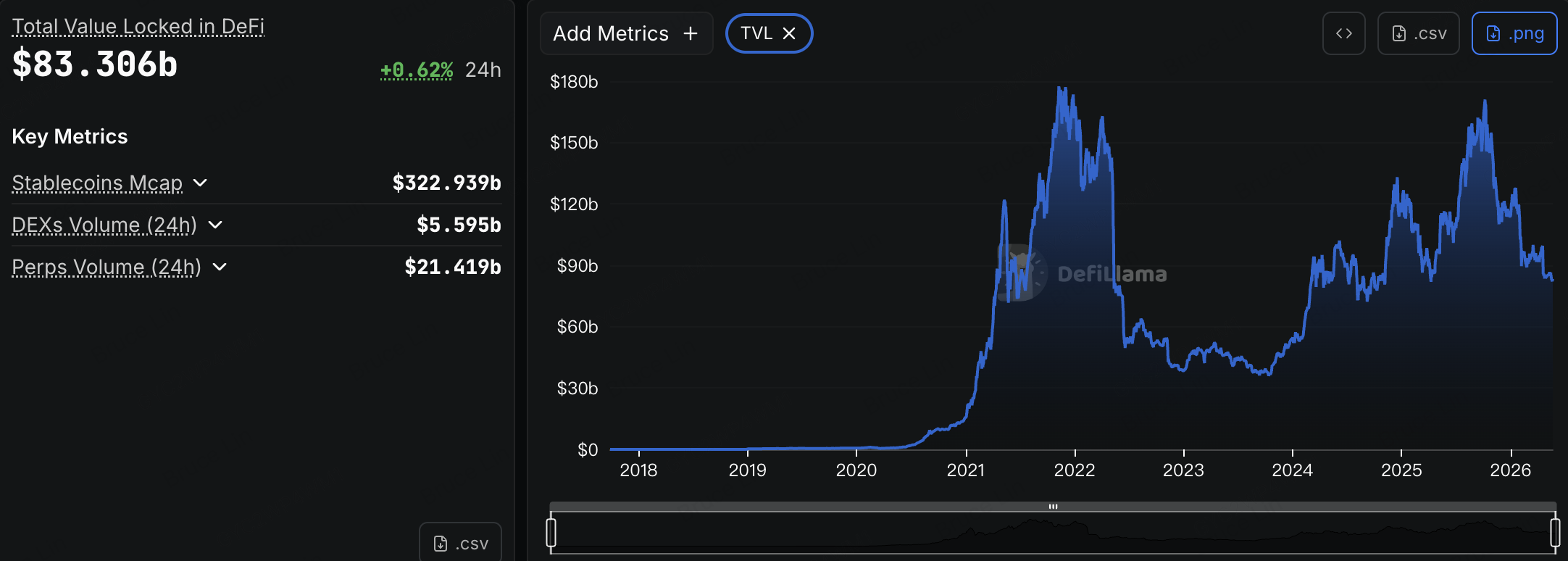
Today, liquidity mining has evolved far beyond simple token swaps. Modern DeFi protocols support lending, perpetual futures, liquid staking, cross-chain liquidity, and real-world asset tokenization. As of 2026, the DeFi sector continues to hold $83.306 billions in total value locked (TVL), with liquidity distributed across Ethereum, Solana, BNB Chain, Arbitrum, Base, and other blockchain ecosystems.
This guide explains how liquidity mining works, how liquidity providers earn rewards, the risks involved, and how you can start providing liquidity using leading DeFi protocols.
What Is Liquidity Mining?
In traditional financial markets, liquidity is typically provided by professional market makers and large financial institutions operating on order-book exchanges. These entities profit through arbitrage strategies, spreads, and high-frequency trading infrastructure.
Decentralized finance introduced a different model through Automated Market Makers (AMMs). Instead of relying on centralized intermediaries, AMMs use smart contracts and mathematical formulas to determine asset prices based on supply and demand inside liquidity pools.
x⋅y=k
The formula above represents the constant product AMM model popularized by Uniswap. In this model:
- x and represent the quantities of two assets in a liquidity pool
- k remains constant during trades
- Asset prices automatically adjust as traders swap between tokens
Anyone can contribute assets to these liquidity pools and become a liquidity provider (LP). In return, liquidity providers receive a portion of the trading fees generated by the protocol.
For example, if you contribute $1,000 worth of assets to a liquidity pool valued at $100,000, you own 1% of that pool. If the protocol generates $10,000 in trading fees over time, your share of the rewards would be proportional to your contribution.
Many modern DeFi protocols also distribute additional governance tokens or ecosystem incentives on top of trading fees, further increasing potential yields.
How Can You Become A Liquidity Provider?
In this section, we will outline the simple steps to become a liquidity provider on Uniswap, the largest AMM-based DEX with more than $5.5 billion in locked crypto assets.
Step 1: Buy crypto assets from KuCoin exchange
If you don’t have any crypto assets, you can buy them from the KuCoin exchange platform. With KuCoin, you can buy crypto assets with credit/debit card, Apple Pay, or a SEPA bank transfer. KuCoin also has a KuCoin Express service where you can buy crypto assets with just one click. After you’ve made a successful purchase, you can withdraw your assets to your favorite wallet. We do recommend MetaMask for Ethereum or ERC-20 assets since it is supported across all the major DEX platforms.
Step 2: Uniswap Liquidity Portal
Once you have your crypto assets in your wallet, go to the Uniswap pool page, click on ‘New Position’, select the crypto assets that you purchased from KuCoin, and add liquidity.
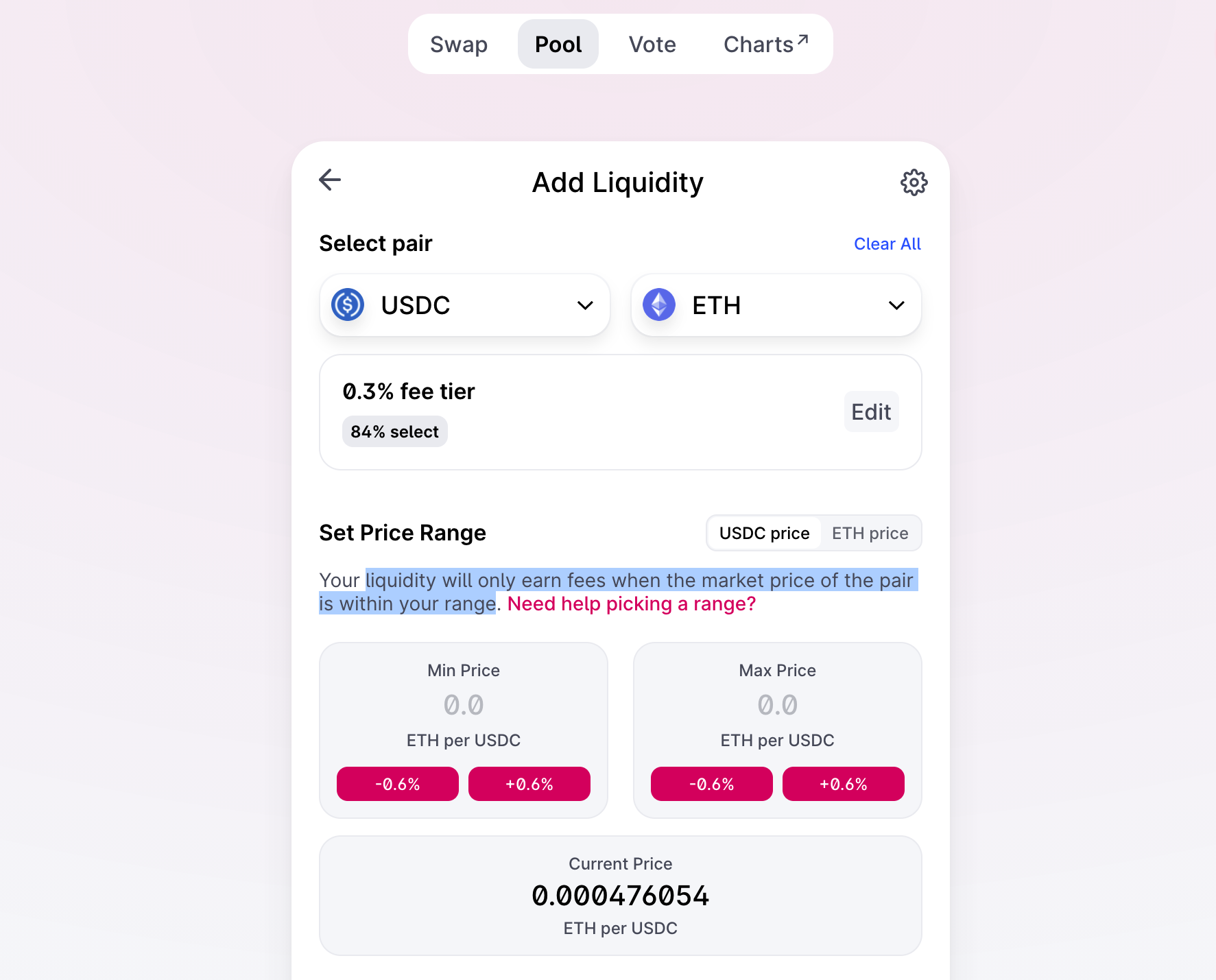
Adding liquidity to the Uniswap pool
Step 3: Collect Rewards
Once you’ve added the liquidity, the rewards will appear in your dashboard. You can withdraw the rewards or the liquidity without any platform fees. From the dashboard, you can also add more liquidity to earn more rewards based on your share of the pool.
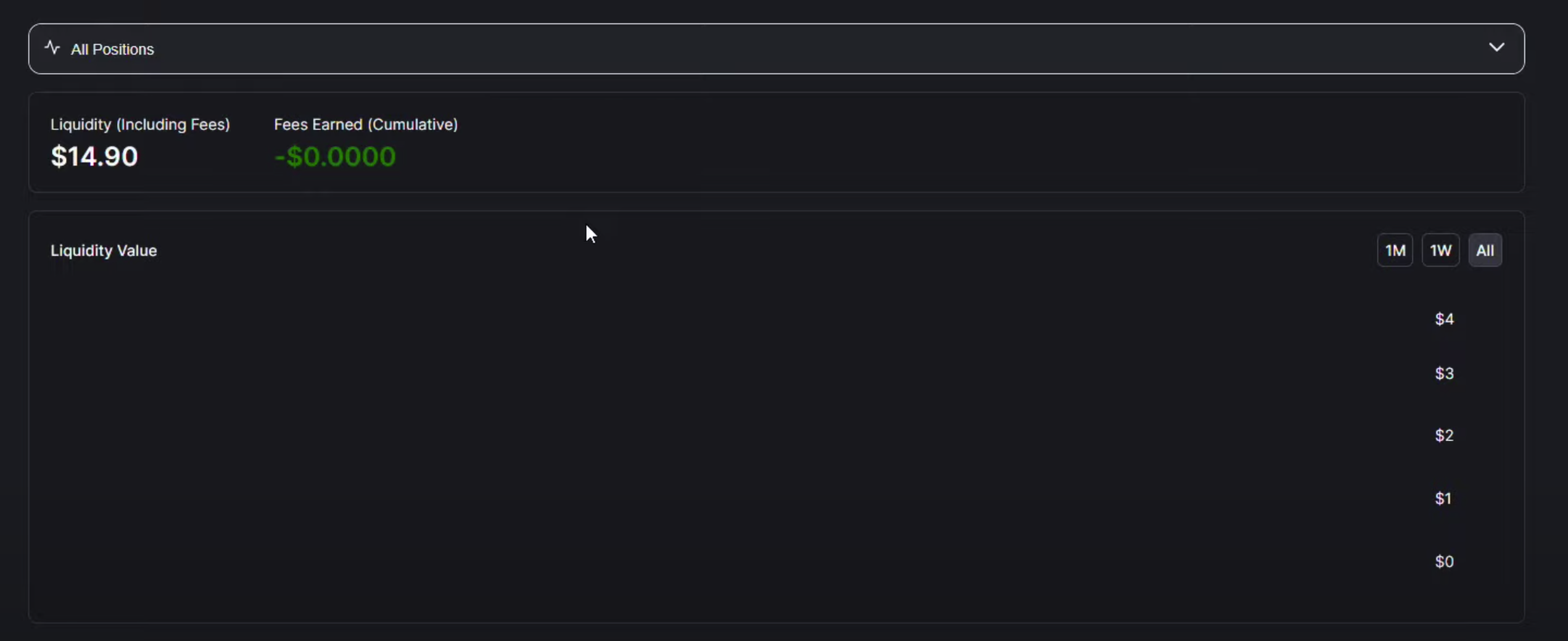
Uniswap dashboard to manage liquidity and rewards
Closing Thoughts
Liquidity mining is one of the best ways to become a market maker and earn passive income on your ideal crypto assets. Liquidity mining isn’t just limited to AMM-based DEX platforms like Uniswap, as there are hundreds of DeFi Protocols for lending, borrowing, and derivatives where you can add your liquidity to earn passive rewards.
FAQs
What is liquidity mining in crypto?
Liquidity mining is a DeFi strategy where users provide crypto assets to liquidity pools on decentralized exchanges or protocols in exchange for rewards. These rewards typically come from trading fees and additional token incentives.
Is liquidity mining the same as staking?
No. Although both allow users to earn passive income, liquidity mining and staking work differently.
- Staking usually involves locking a single cryptocurrency to help secure a blockchain network.
- Liquidity mining involves depositing two or more assets into a liquidity pool to facilitate decentralized trading.
Liquidity mining generally carries additional risks such as impermanent loss.
What is impermanent loss?
Impermanent loss occurs when the prices of assets inside a liquidity pool change compared to when you initially deposited them. The larger the price divergence, the greater the potential loss relative to simply holding the assets.
This is one of the biggest risks associated with liquidity mining.
Can you lose money with liquidity mining?
Yes. While liquidity mining can generate attractive yields, users can lose money due to:
- Impermanent loss
- Smart contract exploits
- Market volatility
- Token price declines
- Low trading volume reducing fee income
Always research protocols carefully before providing liquidity.