

Strait of Hormuz Volatility: Why Crypto Markets Keep Swinging Wildly in 2026
Thesis Statement
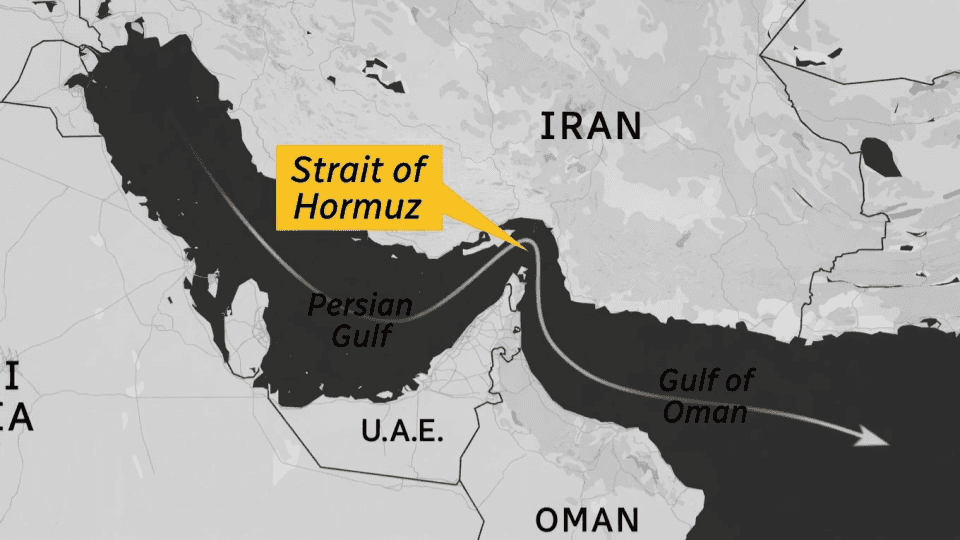
The Strait of Hormuz experienced sharp swings in status during April 2026. Iran announced the waterway was completely open to commercial vessels on April 17, only to reverse course within 24 hours and reimpose restrictions, with reports of gunboats firing on tankers. Oil prices dropped significantly on the reopening signal before rebounding amid renewed uncertainty. Bitcoin climbed to levels above $78,000 on the brief positive development before pulling back toward $76,000 as tensions escalated again.
The narrow passage, which normally carries about 20% of global traded oil, turned into a direct driver of cryptocurrency price action through energy market channels and broader macro sentiment. Back-and-forth developments around the Strait of Hormuz in April 2026 demonstrate how oil supply signals reshape inflation expectations, liquidity views, and risk appetite, producing rapid and correlated movements in crypto markets that show Bitcoin functioning as both a risk asset and a potential inflation hedge.
How the Strait of Hormuz Triggered Crypto Price Action in April 2026
The Strait of Hormuz handles roughly one-fifth of the world’s traded oil, along with notable volumes of liquefied natural gas. In early 2026, regional tensions led to reduced tanker traffic, with volumes falling sharply from normal daily levels exceeding 100 vessels. On April 17, Iran’s foreign minister declared the strait open for commercial traffic in connection with a related ceasefire. Oil futures declined markedly as supply disruption fears eased. Bitcoin advanced around 2-3% in sessions tied to this signal, reaching above $78,000 at peaks before adjusting lower. The following day, Iranian authorities reasserted control and imposed restrictions, citing ongoing external measures on ports.
Maritime reports noted gunboats firing warning shots, prompting some vessels to turn back, and shipping data showed quieter waters. Bitcoin responded with downward pressure as markets repriced potential energy cost increases and their effects on inflation and policy. This sequence highlighted the speed with which maritime developments are transmitted to 24/7 crypto trading, where participants monitor shipping updates alongside on-chain data and futures positioning. The episode revealed the strait’s role as a persistent pressure point capable of generating volatility across asset classes through immediate impacts on energy benchmarks.
The Direct Transmission from Oil Prices to Crypto Movements
Oil price changes linked to Strait of Hormuz status feed into inflation expectations that affect the valuation of growth-oriented assets such as cryptocurrencies. In periods when perceived supply risks pushed Brent crude toward and above $100 per barrel earlier in 2026, Bitcoin faced periods of selling pressure around $70,000-$72,000 levels as higher energy costs raised concerns over persistent inflation and delayed monetary easing. On April 17, the reopening announcement contributed to oil declining approximately 8-12% across benchmarks like Brent and WTI. Bitcoin moved higher in tandem, breaking through recent resistance zones as expectations shifted toward improved liquidity conditions.
Correlation measures between crude oil and Bitcoin showed positive alignment near 0.6-0.7 during these heightened periods, driven by joint sensitivity to global growth signals and policy outlooks. Energy price relief reduces input costs across economies and supports narratives favoring capital allocation to risk assets. Crypto markets, with continuous trading and leverage, often amplify these shifts compared to traditional sessions. Institutional models increasingly incorporate oil forward curves when assessing crypto exposures because sustained moves in Brent can influence real yield calculations and allocation targets. The April volatility illustrated how oil acts as an intermediary that channels physical supply signals into digital asset pricing through layered effects on financial conditions.
Oil Relief Rallies and Their Effects on Crypto Sentiment
Signals of potential stabilization in the Strait of Hormuz generate notable positive responses in crypto because they address supply risks on multiple levels, including near-term inflation moderation and restored trade flow support for growth outlooks. The April 17 declaration led to oil dropping sharply, with Brent falling toward the low $90s in initial moves. Bitcoin advanced past the $76,000-$78,000 ranges as risk appetite improved and short positions faced pressure, resulting in hundreds of millions in liquidations on the upside. These relief phases encourage rotation into higher-beta assets where crypto participates strongly due to its sensitivity to liquidity and narrative shifts.
ETF flow data reflected increased inflows during such windows, with spot Bitcoin vehicles seeing renewed buying interest. The mechanism extends beyond immediate price correlation to expectations around corporate margins and broader economic confidence that spill into alternative investments. Even temporary or partial indications suffice to trigger short covering and fresh positioning because prior downside risks had already been built into pricing. The swift April reversal tested newly established levels, showing how narrow the balance remains between positive sentiment and renewed caution. Market depth in crypto has grown, yet high leverage sustains the potential for rapid percentage moves when energy headlines dominate attention.
Shipping Intelligence Integration in Crypto Trading Strategies
Crypto trading desks incorporate real-time maritime data as routine inputs, treating advisories from sources like the UK Maritime Trade Operations with priority comparable to major economic releases. In April 2026, updates on vessel movements, turn-backs, or incidents in the Strait of Hormuz prompted quick adjustments to risk models and positioning. Quantitative approaches combine shipping metrics with on-chain flows and options volatility to produce aggregate signals. Periods of near-zero tanker crossings earlier in the crisis elevated tail-risk flags that led to position scaling.
When reopening signals emerged, models reflected reduced uncertainty and supported increased exposure. This practice spans professional and retail levels, with platforms surfacing geopolitical indicators that include chokepoint status to frame price context. A single maritime security update can influence order books rapidly because it provides leading insight into oil curve dynamics that then affect dollar strength, yields, and crypto valuations. The April sequence demonstrated how logistics intelligence merges with digital markets to create tight feedback loops, sustaining volatility as physical events translate quickly into trading decisions across time zones.
Liquidity Impacts When Oil Prices Rise from Hormuz Disruptions
Higher oil prices connected to Strait of Hormuz restrictions influence global liquidity in channels that affect leveraged crypto positions. Elevated energy costs contribute to inflation metrics that sustain central bank caution, lowering probabilities for rate cuts or liquidity expansion that support risk assets. In early 2026, spikes, as crude moved above $100, funding rates on crypto perpetuals increased while certain ETF inflows moderated. The relief dynamic on April 17 showed the opposite, with falling oil easing break-even inflation levels and facilitating capital return to speculative holdings.
Bitcoin exhibited directional bias tied to these liquidity paths, though with variable lags. Stress testing frameworks now model scenarios of sustained high Brent levels to estimate resulting crypto drawdowns based on observed betas. Crypto’s continuous market structure means these pressures appear without session breaks, contributing to overnight adjustments or fast recoveries on headline changes. The transmission occurs through higher yields, currency shifts, and overall risk premium compression or expansion, explaining why maritime supply signals produce amplified crypto responses.
Bitcoin Mining Economics and Energy Market Fluctuations
Strait of Hormuz-related oil volatility affects Bitcoin mining through energy cost channels in various jurisdictions. Iran has maintained notable hash rate shares in periods tied to local energy resources, and supply disruptions can influence regional operations. Network difficulty showed occasional short-term adjustments linked to power availability signals during tension peaks before stabilizing. Broader oil movements elevate benchmarks for natural gas and coal that feed into electricity pricing for mining operations worldwide. Relief phases with lower oil support margin expansion for efficient producers contribute to positive network narratives.
Public mining companies experienced stock price sympathy with crypto during the April swings, reflecting operational leverage to energy inputs. On-chain metrics such as hash rate fluctuations became reference points in discussions when energy headlines intensified. As the Bitcoin network expands in geographic diversity and efficiency, these indirect effects provide ongoing supply-side context to price formation, adding depth to how physical commodity risks intersect with digital asset fundamentals.
Risk Sentiment Shifts Driven by Hormuz Status Changes
The Strait of Hormuz functions as a gauge for geopolitical risk that influences asset classification within portfolios. Closure threats or restrictions prompt flows toward perceived lower-risk holdings, pressuring Bitcoin in its role as a growth-sensitive asset. Reopening signals reverse the pattern, supporting rotation into equities, commodities, and crypto as confidence metrics improve. April 2026 displayed this speed, with one day’s positive announcement lifting volumes and sentiment before the reversal prompted retracement.
Correlation matrices on trading platforms are updated frequently to capture these sentiment-driven alignments or divergences. Positioning data indicated beta adjustments based on chokepoint developments, with reduced exposure during uncertainty peaks and scaling during de-escalation windows. Crypto’s high-beta characteristics amplify these moves in compressed periods, while growing institutional participation supplies steadier demand that moderates extremes over longer horizons. The Hormuz developments underscored the asset class’s embedding in global macro narratives, where physical supply risks can outweigh certain domestic indicators in setting short-term direction.
Inflation Outlook Changes and Their Crypto Implications
Developments in the Strait of Hormuz shape inflation projections that influence policy expectations and discount rates applied to future-oriented assets. Oil supply concerns elevate headline readings through energy components, leading markets to adjust forecasts for tighter conditions or slower easing. Bitcoin displays mixed short-term responses in such environments despite longer-term hedge narratives, as liquidity dynamics dominate immediate pricing. Forward curves steepened during elevated crude phases in 2026, reflecting energy persistence that affected rate path probabilities.
Relief from Hormuz signals lowered these trajectories and supported rallies through improved policy outlooks. ETF activity tracked closely with shifts in easing expectations during volatile windows. Energy’s prominence in consumption baskets makes chokepoint events potent transmitters to policy-sensitive markets. Models linking sustained oil moves to terminal rate assumptions illustrate pathways to crypto valuation revisions. The April episodes showed rapid market repricing of inflation paths, tightening the observed connection between energy security and digital asset performance.
Patterns Observed Across Energy Shocks and 2026 Events
The April 2026 Strait of Hormuz sequence aligned with historical patterns from prior energy stresses while reflecting crypto market evolution. Earlier oil spikes from geopolitical sources typically produced gradual risk-asset weakness followed by stabilization on resolution. The 2026 cycle featured accelerated timelines due to instant information dissemination and round-the-clock trading. Reopening signals generated sharper relief rallies, supported by pre-positioned risk pricing. Hash rate resilience improved amid regional fluctuations compared to past instances.
Increased market depth tempered some liquidation cascades, although leverage maintained swing potential. Real-time shipping data emerged as a distinguishing analytical layer that enhanced response timing. Greater institutional integration provided bid support during positive phases. These observations confirm persistent transmission mechanisms alongside adaptations from asset growth, with physical commodity risks continuing to inform digital strategies through refined monitoring approaches.
Effects on Crypto Activity in Oil-Importing Regions
Oil-importing economies experience Strait of Hormuz volatility through currency pressures and energy affordability that influence local crypto participation. Higher global prices strain import balances and can weaken fiat values, elevating demand for alternatives such as Bitcoin for value storage or transfer. April 2026 swings coincided with periods of increased local trading volumes on both downside and relief moves as exchange rate adjustments occurred.
Peer-to-peer activity and stablecoin usage for cross-border needs showed responsiveness to energy cost signals affecting operational considerations. Aggregated flows from these markets contribute to global liquidity in major pairs, creating bidirectional influences. Crypto adoption metrics in such regions incorporate energy security factors into usage patterns, with maritime developments serving as contextual signals for holding or rebalancing decisions. This layer diversifies overall market reactions beyond developed-market institutional perspectives.
Indicators of Crypto’s Integration with Global Macro Factors
April 2026 volatility tied to the Strait of Hormuz highlighted crypto’s role as an asset class responsive to supply chain and energy security themes while preserving elevated volatility traits. Bitcoin and related assets synthesized inputs from shipping data, oil benchmarks, and policy signals into price discovery with speed that parallels traditional commodities in certain respects. Institutional involvement added depth during relief intervals, yet leverage elements sustained short-term amplitude.
The events positioned crypto as a reflector of broader economic and geopolitical conditions, where chokepoint status can shift notional values across ledgers in short windows. Tools and analytical frameworks continue to adapt to capture these linkages more effectively. The Hormuz developments served as a practical illustration of connectivity that enriches ecosystem dynamics and requires ongoing attention to transmission channels from physical markets to digital ones.
FAQs
1. How do temporary signals about the Strait of Hormuz status affect Bitcoin prices in the near term?
Positive indications of smoother oil flows through the strait often coincide with oil price declines that moderate inflation concerns and support buying in risk assets, including Bitcoin. Price gains of several percent have occurred in sessions following such signals in April 2026 as liquidity and growth expectations improve, although sustainability depends on follow-through confirmation and absence of reversals.
2. Why does Bitcoin sometimes decline when oil prices increase due to Hormuz-related events?
Oil price rises from supply concerns elevate inflation readings and can lead to expectations of more cautious monetary policy that restricts liquidity for risk assets. Crypto exhibits sensitivity in these conditions through higher yields and reduced risk appetite, producing downward pressure even as longer-term characteristics remain relevant.
3. Do shipping and maritime reports help explain crypto price changes around the Strait of Hormuz?
Maritime advisories and tanker tracking data provide timely indicators of potential oil market shifts that influence broader sentiment and pricing. Participants reference these alongside other metrics because updates on vessel activity or incidents can precede observable moves in energy benchmarks and correlated crypto responses.
4. How do energy price fluctuations from the Strait of Hormuz appear in Bitcoin mining metrics?
Oil and related energy cost changes can affect electricity expenses and operational viability in mining regions, occasionally showing in network hash rate or difficulty adjustments. These supply-side elements add context to price discussions when energy headlines intensify, particularly during periods of volatility.
5. What does the April 2026 Hormuz volatility indicate about Bitcoin’s relationship with oil markets?
The events showed Bitcoin reacting to oil through inflation expectations, liquidity conditions, and risk sentiment rather than direct commodity linkage. Correlation strengthened in certain phases, with relief from energy pressures supporting rallies and spikes, adding headwinds, reflecting mature macro sensitivity.
6. Will the connection between Strait of Hormuz developments and crypto volatility continue?
The relationship has remained relevant in 2026 due to the Strait’s role in global energy trade and crypto’s integration with macro factors. Greater market maturity and hedging options may influence magnitude over time, but transmission via oil and policy channels is expected to persist as long as supply risks center on the waterway.