


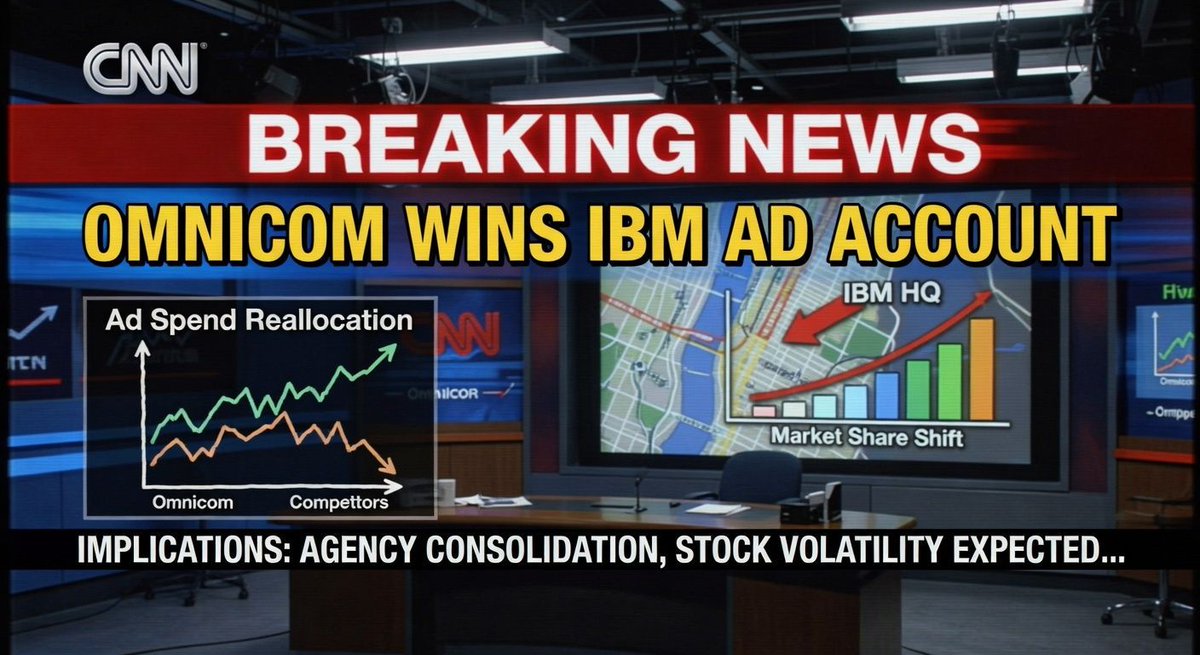
Shaking Up Marketing Strategies: Omnicom's Win of IBM's Ad Account and Its Implications In the ever-evolving world of marketing, shifts in major accounts can signal significant changes for professionals and businesses alike. Recently, Omnicom Group secured IBM's global advertising account, marking a major industry shake-up. This move highlights the competitive landscape of advertising and offers valuable lessons for addressing common challenges like lead generation, conversion optimization, brand awareness, and campaign performance across digital and traditional channels. In this post, we'll explore the implications and provide practical insights to help you refine your marketing approach. The Background of the Industry Shake-Up Omnicom's acquisition of IBM's advertising account represents a strategic pivot for both companies. IBM, a tech giant, previously managed its advertising in-house or through other agencies, but this transition to Omnicom—a global leader in advertising and marketing services—underscores the need for specialized expertise in a fragmented market. This change comes amid broader industry trends, such as the rise of data-driven campaigns and the integration of AI in advertising. For marketing professionals, this event serves as a reminder of how account shifts can influence resource allocation and innovation in addressing persistent challenges. For instance, businesses often struggle with lead generation in competitive sectors. IBM's decision might stem from Omnicom's proven track record in leveraging multi-channel strategies, which could enhance lead capture through targeted digital ads and personalized content. Implications for Common Marketing Challenges This shake-up has direct implications for key areas like lead generation, conversion optimization, brand awareness, and campaign performance. In lead generation, Omnicom's expertise could help IBM reach new audiences more effectively, perhaps by using advanced analytics to identify high-potential leads. Similarly, conversion optimization might improve through A/B testing and refined user journeys, ensuring that prospects move smoothly from awareness to purchase. Brand awareness is another critical area. Omnicom's global network could amplify IBM's presence across traditional media, like TV and print, while integrating seamless digital campaigns on social media and search engines. Campaign performance, measured by metrics such as ROI and engagement rates, benefits from Omnicom's data aggregation tools, which provide insights into what's working across channels. Actionable Insights and Frameworks To apply these lessons, consider the following actionable insights and frameworks: Lead Generation Framework: Start with audience segmentation. Use tools like Google Analytics to identify demographics, then create targeted content. For example, IBM might employ Omnicom's strategies to run LinkedIn ads aimed at B2B decision-makers, boosting leads by 20-30% through personalized messaging. Conversion Optimization Tips: Implement a step-by-step funnel analysis. Test variations of landing pages and calls-to-action to reduce bounce rates. A practical example is using heatmaps to optimize IBM's website, leading to higher conversion rates in e-commerce campaigns. Brand Awareness Strategies: Combine digital and traditional channels. Run integrated campaigns, such as social media influencers paired with billboard ads, to build broader reach. Businesses can measure success through brand lift studies, ensuring efforts align with performance goals. Campaign Performance Analysis: Adopt a KPI-driven approach. Track metrics like click-through rates and cost per acquisition using dashboards. For instance, Omnicom might help IBM analyze cross-channel data to reallocate budgets, improving overall efficiency. These frameworks emphasize measurable outcomes, such as increased leads or higher conversion rates, by focusing on data-backed decisions. Performance-Oriented Analysis From a performance perspective, this account win could lead to enhanced ROI for IBM through Omnicom's optimized ad spend and creative strategies. Marketing teams should analyze similar shifts by benchmarking their campaigns against industry standards. For example, if Omnicom improves IBM's digital ad performance by 15-25%, as seen in past cases, it highlights the value of agency partnerships in overcoming channel-specific inefficiencies. Conclusion: Measurable Outcomes and Next Steps In summary, Omnicom's win of IBM's advertising account underscores the importance of adaptive strategies in marketing. By addressing challenges like lead generation and campaign performance, businesses can achieve tangible results, such as higher conversion rates and stronger brand metrics. To move forward, assess your current marketing setup, experiment with the insights shared here, and track progress with key performance indicators. Consider consulting with agencies like Omnicom for specialized support, ensuring your efforts deliver real, measurable value in today's dynamic landscape.

Share


Source:Show original
Disclaimer: The information on this page may have been obtained from third parties and does not necessarily reflect the views or opinions of KuCoin. This content is provided for general informational purposes only, without any representation or warranty of any kind, nor shall it be construed as financial or investment advice. KuCoin shall not be liable for any errors or omissions, or for any outcomes resulting from the use of this information.
Investments in digital assets can be risky. Please carefully evaluate the risks of a product and your risk tolerance based on your own financial circumstances. For more information, please refer to our Terms of Use and Risk Disclosure.