





The Crypto Native Guide to Investor Relations
Original author: Mippo, co-founder of Blockworks
Chopper, Foresight News
The Investor Relations (IR) department's core responsibility is to help the market understand an asset, its strategy, and its potential value. It serves as a bridge between the project team and the market.
When I first entered the crypto industry, what people considered a “good IR” wasn’t really that great. Although we’ve made some progress in certain areas over the years, we’re still far from meeting the standard we should in how we communicate with investors.
Doing IR well can expand your buyer base and improve the quality of your holder structure. Doing it poorly—or not at all—will cause your token to decline, no matter how excellent the product is.
Over the past year, we have engaged with nearly all leading projects in the crypto space to build investor relations frameworks and have now provided services to over 20 projects. This article is a practical, actionable guide to investor communication.
Distribution is the key.
If you want to maximize token value, just look at two factors:
How many target investors are aware of your token?
How many of these investors converted into buyers?
An excellent IR strategy must optimize both of these aspects simultaneously.
There are essentially only two types of potential buyers for tokens:
The first category is crypto liquidity funds. These are actively managed institutions that already hold your token or are actively tracking it. For them, the core is value reevaluation—showing an institution that currently values your token at $1 the path to a $5 valuation. You achieve this through precise data, a compelling narrative, and consistent proof of progress. This is the work of narrative building and data presentation.
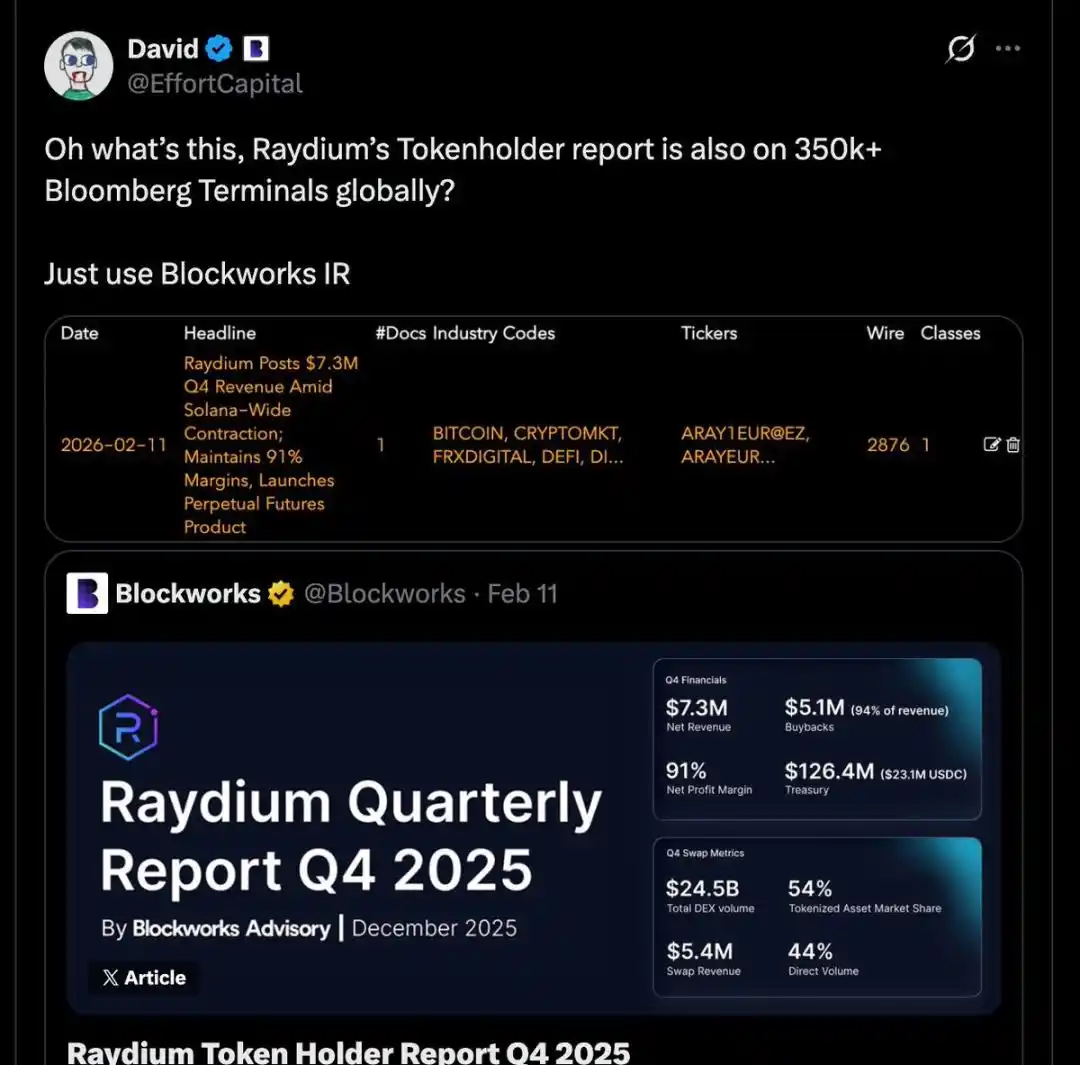
The second category consists of large strategic investors or institutions, such as recent collaborations like Morpho with Apollo or BlackRock with Uniswap. This involves a completely different operating logic: longer sales cycles, stricter due diligence, and the need for a mature product. If you’re in an early stage or need funding in the short term, frankly, these institutions aren’t the right fit for you. But if you’re ready, you need to be where they are: on Bloomberg Terminals, at institutional summits, and through in-person networking. Apply B2B sales thinking, not marketing thinking.
Take control of your narrative
If you don’t tell your own story, the market will tell it for you.
The reality is that most protocols’ data can’t be perfect, and that’s okay. The real problem is trying to hide it and staying silent for months. The most common excuse I hear is: “I don’t want to get roasted on Twitter.”
A project won't die because it's mocked on Twitter, but it will die because investors forget about it. The longer you go without communicating with the market, the angrier and more disappointed investors will become.
You don't need perfect data; you need honesty, context, and a coherent explanation of what matters, what's improving, and what still needs improvement.
This is the key to building trust; silence will directly destroy trust.
Token unlock
Token issuers must respect supply and demand.
To understand price movements, you only need to grasp the core factor of supply and demand. Often, price management is more about tactical alignment of supply and demand than anything else.
The biggest mistake I've seen is teams only beginning to think about solutions one to two months before the unlock. In just 30 days, you simply don’t have enough time to fix massive supply-demand imbalances.
Start planning at least 30 weeks in advance; ideally 40 to 50 weeks. You’ll need time to connect with buyers, identify demand, and communicate with investors if lock-ups need to be delayed.
This is a trivial, unassuming, but critically important part of IR—give yourself sufficient time window to handle it.
Data is your best ally
Narratives are important. But by 2026, narratives without data backing them are meaningless.
The best IR system, using data to make tokens easier to understand, compare, and evaluate. The data itself should tell a complete story.
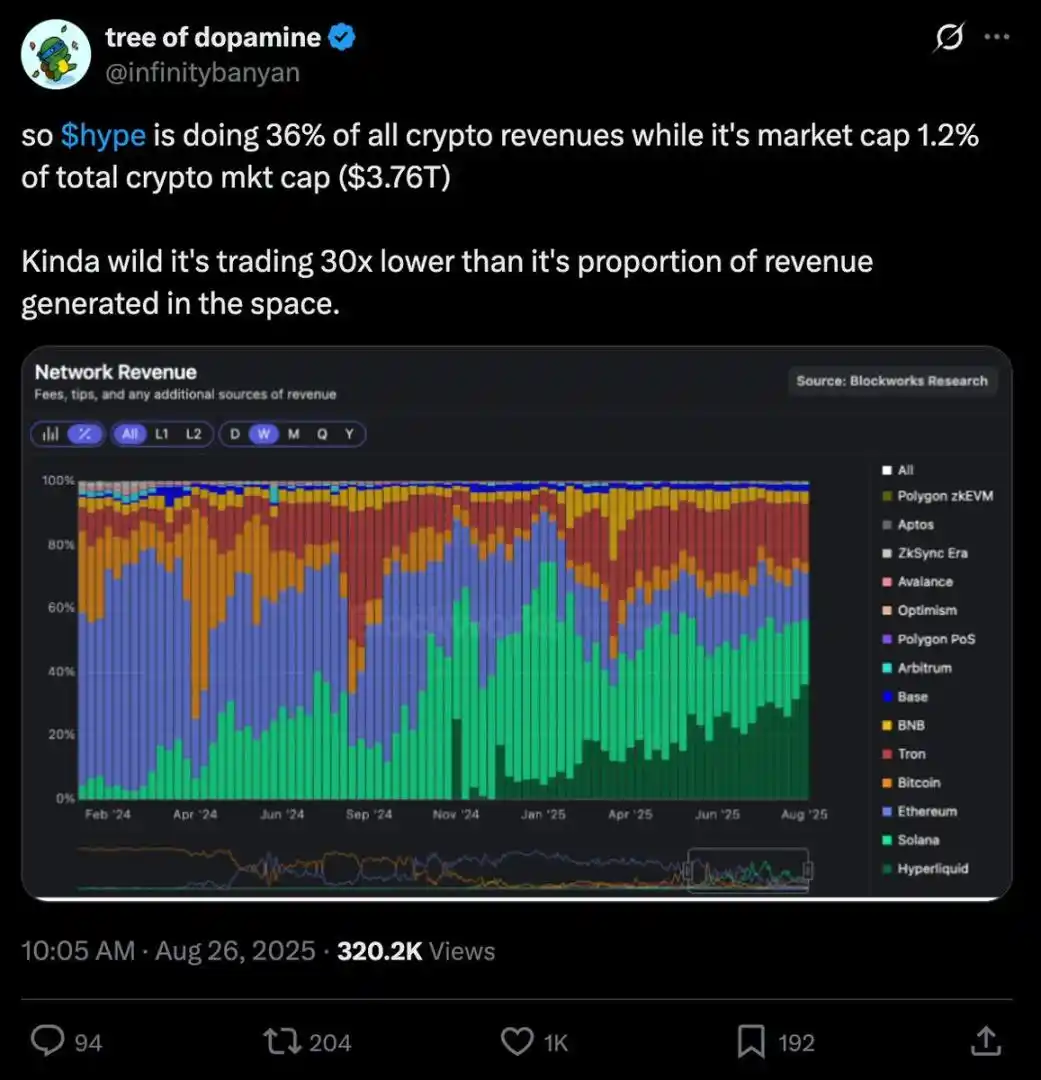
Data can come from multiple sources:
· Proprietary data of the protocol itself
On-chain market structure data
Competitor comparative data
· Real-world analogies that help traditional investors understand crypto behavior
The last category is currently severely undervalued. True excellent investor communication is not just about showing internal dashboards, but helping investors understand the role your protocol plays in the broader context.
For example: You operate a perpetual futures DEX, and the dashboard shows a trading volume of $75 million last month. Is that good or bad? Who should you compare it to? Should investors buy or sell?
I see that in today’s crypto industry, there is an abundance of data but very little context. Great teams don’t just report numbers—they use numbers to tell stories.
IR is not a compliance task to go through the motions.
Most people assume that investor relations in the crypto industry are the same as in the stock market. The only problem is: IR in the stock market is very dull.
Don’t believe it? Listen to Vlad Tenev’s perspective.
Vlad envisions a future where earnings reports are no longer dry Zoom presentations by CFOs to 60 sell-side analysts, but instead feel like live NBA post-game interviews—with energy, interaction, and emotion.
I completely agree. We have eight years of goal-oriented, data-driven marketing experience combining offline and social media strategies. IR should operate in the same way. The goal is not just to “inform the market,” but to engage existing investors, strengthen their confidence, and expand the pool of potential future token holders.
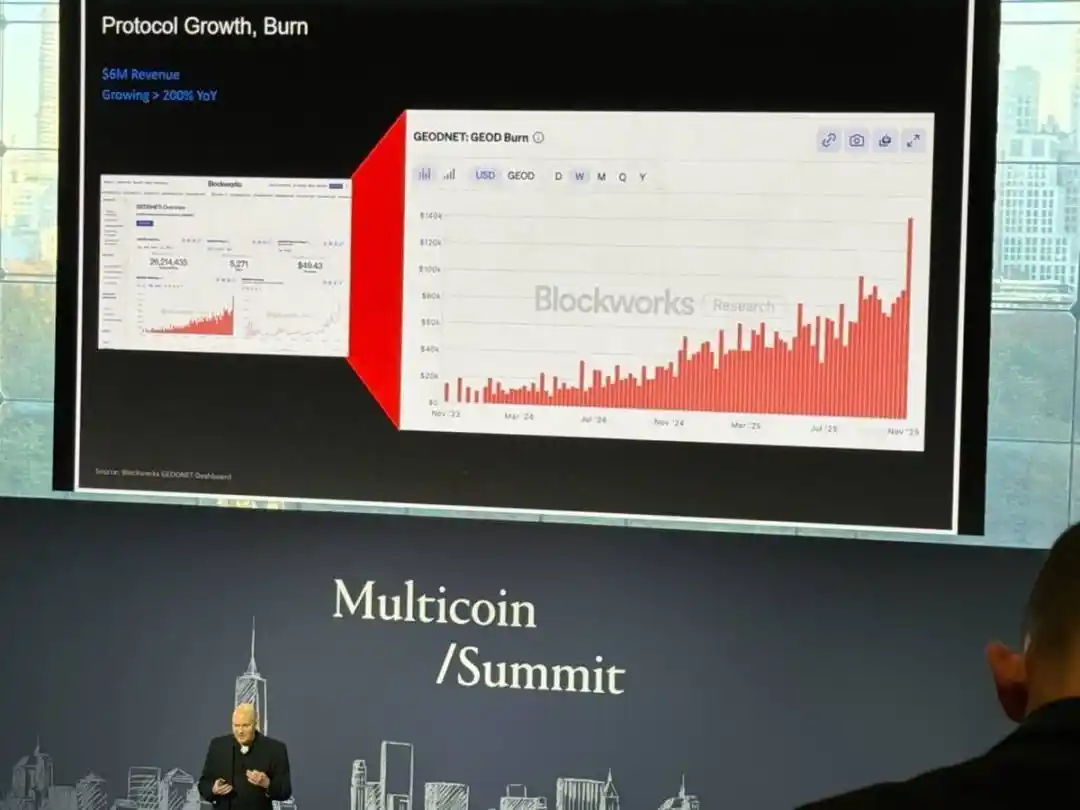
What will the future look like? Live streams during earnings reports, CEO panels with industry guests, inviting major holders to appear and share their insights… truly engage with investors and attract new holders.
Reduce the entry cost for potential investors
All liquidity funds must now justify their holdings to LPs. This means due diligence, and it means investment reporting.
If your protocol lacks public data, research reports, or background information, you're forcing every potential investor to build their analysis framework from scratch.
You are artificially inflating the cost of investing in you, resulting in fewer people willing to invest.
Lower their difficulty and consistently deliver high-quality content: research reports, protocol data analysis, ecosystem updates, and third-party analyses—making it easy for fund analysts to include your token in their portfolios.
Without data analysis, you're flying blind.
Even the most advanced protocols in the crypto space have a surprisingly weak understanding of investor structure. Basic behavioral analysis is nearly absent: How long do investors hold on average? Do they open perpetual hedges at token launch?
On-chain data makes the kind of in-depth analysis that stock market IR teams dream of possible.
If an investor claims to be a long-term believer, the truth has already been permanently recorded on-chain. Protocols that embed this analytical capability into their IR functions will gain a significant advantage: not only understanding current holders, but also precisely identifying the next wave of target investors.
Transparency expands market size
Most teams instinctively believe that disclosing less is safer, but the opposite is true.
Investors are already bearing uncertainty around your token: unlocks, treasury expenditures, market-making agreements, non-standardized terms, and more. If you don’t provide answers, the market won’t ignore these issues—it will fill in the gaps with the most pessimistic assumptions possible.
The cost of insufficient transparency cannot be precisely calculated—you will never know how many investors abandoned your token due to incomplete or unverifiable information. This cost is real.
Success metrics
It’s easy to measure the success of an IR by token price. The problem is that price noise is too high and influenced by many factors beyond the IR’s control: macroeconomic conditions, liquidity, market sentiment, geopolitical conflicts, and more.
A more reasonable approach is to measure whether IR has improved the quality and breadth of the investor base.
Here are several metrics worth tracking:
· Increase in the number of targeted investors actively following the token
Growth in high-quality holders across each segment, particularly liquidity funds and strategic institutions.
· Change in holder concentration
· Number of investors converted from initial contact → active due diligence → holding
· The proportion of core holders aligned with the target holding period
· Frequency and quality of investor outreach throughout the year
· Increase in active investor inquiries
Increased exposure in target buyer channels
· Measured through direct communication and feedback: investors' understanding of your core logic has improved
For a liquidity fund, a practical indicator is: Are more investors today forming a clear valuation framework for your token compared to a year ago?
Not everyone needs to buy now, but if more people understand how to evaluate your token, know which milestones matter, and recognize what prices are attractive, that’s real progress.
The success of IR is not just about "whether the price went up," but about "whether we expanded the size of the potential holder base."
The Path Forward
We are building in this direction because the current state of tokens represents a survival-level challenge for the entire industry. It is an unfortunate reality that most tokens today lack investment value. Jason and I sincerely want to solve this problem, and years of experience have shown us the path forward.
Tokens should be more transparent and investor-friendly than stocks, as they are built on cryptographic infrastructure. Projects have strong incentives to move in this direction, as it significantly expands the accessible market.
More importantly, the investor relations field has seen little innovation for a long time. In our view, the future of IR is far from being a dull, procedural task—it must be dynamic, multimedia-rich, highly interactive, and proactive. It requires active offline engagement, sparking discussions on social media, and telling compelling stories to attract new investors. This is the direction the industry must take.
Click to learn about the open positions at BlockBeats
Welcome to the official BlockBeats community:
Telegram subscription group: https://t.me/theblockbeats
Telegram group: https://t.me/BlockBeats_App
Official Twitter account: https://twitter.com/BlockBeatsAsia