



Author: Gu Yu, ChainCatcher
Overnight, a group photo of prominent crypto figures went viral across the X timelines of all crypto professionals, accompanied by an overwhelming wave of mockery and criticism.
The main figures in the image, including Cathie Wood, CEO of ARK Invest, Olaf Carlson-Wee, founder of Polychain, and Michael Novogratz, founder of Galaxy Digital, are all highly prominent in the industry, yet they were still unable to stop this turmoil, which has only intensified.
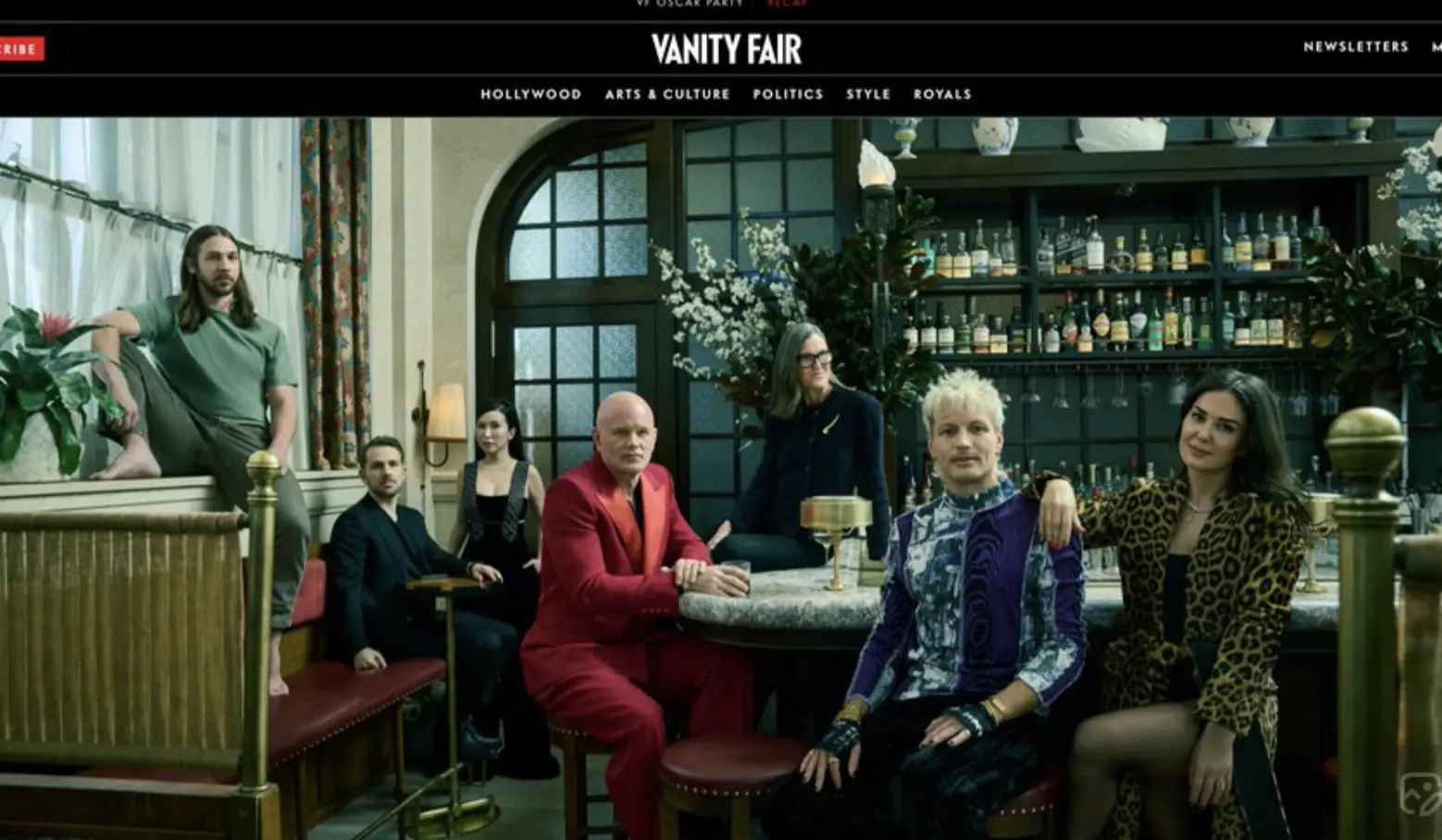
A closer look at this photo reveals that it is a piece from the established celebrity magazine Vanity Fair, featured in the latest cover story titled “Crypto True Believers Demand to Be Taken Seriously.”
This article, through close observation of the industry’s core circles, explores how the cryptocurrency sector, after enduring multiple rounds of regulatory crackdowns and market crashes, attempts to redefine the global power landscape by 2026 through massive political donations and grand, messianic narratives.
Although stories about crypto industry giants have appeared in mainstream publications such as Fortune and The New York Times, Vanity Fair, a media outlet deeply attuned to celebrity culture, offers a noticeably more “sensational” perspective. Rather than delving deeply into complex industry trends, the article dedicates significant attention to the strikingly contrasting personal lives of these “power reconfigurers.”
In the author’s portrayal, these billionaires are depicted as eccentric figures disconnected from reality yet eager to control it: they discuss the future of human civilization in mansions in Puerto Rico, while simultaneously obsessing over finding extraterrestrial life, practicing extreme survivalism, and often going barefoot in public.
Noelle Acheson, partner at Triple Crown Digital, commented: We can laugh all we want—and we definitely want to—at Vanity Fair’s photoset, at the awkward poses and baffling character portrayals… but the deeper issue is: Is this how mainstream media sees the cryptocurrency industry? If so, we still have a lot of work to do.
In the view of most industry professionals, this article does not positively represent cryptocurrency从业者; instead, it reinforces stereotypes about the crypto industry.
Tally co-founder Dennison Bertram further revealed that this article was intended by Vanity Fair to mock cryptocurrency and its associated figures, with both the text and photographs brimming with deep contempt and sarcasm. Before engaging with cryptocurrency, he worked for over a decade as a fashion photographer.
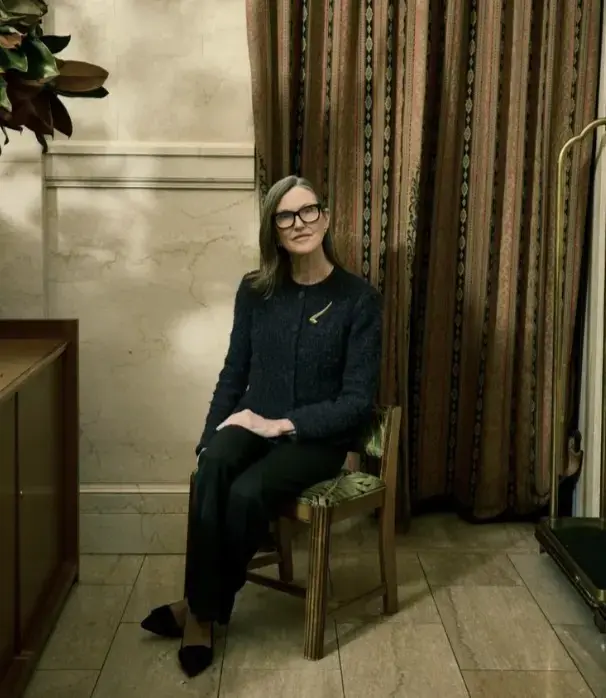
He analyzed the example of a personal profile feature on Cathie Wood, stating, “Here, Cathie Wood is deliberately portrayed as petite. The camera shoots her from above, and the composition intentionally minimizes her stature. The messy curtains, crossed ankles, and the deliberately included luggage cart together create a cold, unfeeling atmosphere in the frame. Is there a more cruel visual effect than this?”
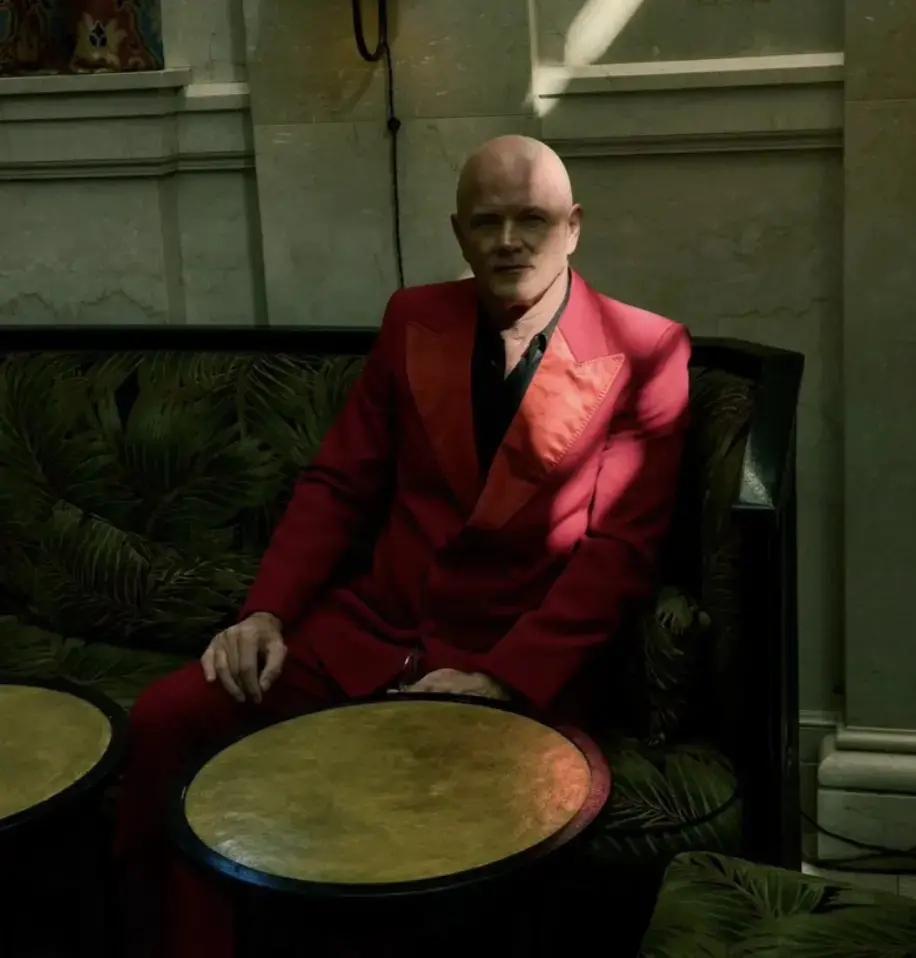
Looking at Michael Novogratz’s photo, “his eyes are squinting, looking fierce. Why? Because he’s wearing glasses. He’s holding them, barely visible. His face is deliberately cast in shadow, appearing menacing. Another mess—everything is crooked, nothing is neat or aligned. Is this a positive image? I don’t think so at all.”
A group of prominent figures who rose to prominence in the crypto industry attempted to seek greater recognition and support through Vanity Fair magazine, unaware that they were walking into a massive trap—ultimately appearing as clowns in the public eye, a painful lesson indeed.
At this point, the very act of seeking recognition from mainstream magazines has become a target of criticism. Jinelle D'Lima, founder of Nozomi, believes that Satoshi Nakamoto and the cypherpunks never sought approval. “The point is, you don’t need their endorsement: not for the movement of funds, not for the network to operate, not for anything to function. We didn’t build this to please Vanity Fair or Forbes. We built it to resist everything they represent: gatekeepers, institutions, and those who decide what is legal and what is illegal.”
“We’re on the cover now. Can it get any more ironic? This isn’t us. We were never supposed to be like this,” said Jinelle D'Lima.
The reason this article in Vanity Fair has become a center of controversy is that it revealed an awkward reality to the crypto industry:Even as the industry attempts to gain serious recognition from mainstream circles through astronomical political donations and attempts to align itself with the traditional financial system, these new elites are still perceived by mainstream culture’s aesthetics and values as a cult-like subculture.
This debacle may be telling everyone: the true power of the crypto industry has never been in the glossy mainstream media coverage, but in the code that keeps running even when no one takes it seriously.