





Key Insights:
- The United States recently passed a bill prohibiting the Federal Reserve from developing a Central Bank Digital Currency or CBDCs.
- If the bill becomes law, the prohibition will continue until 2031.
- However, the law is currently facing resistance in the House and a reported lack of enthusiasm from the president.
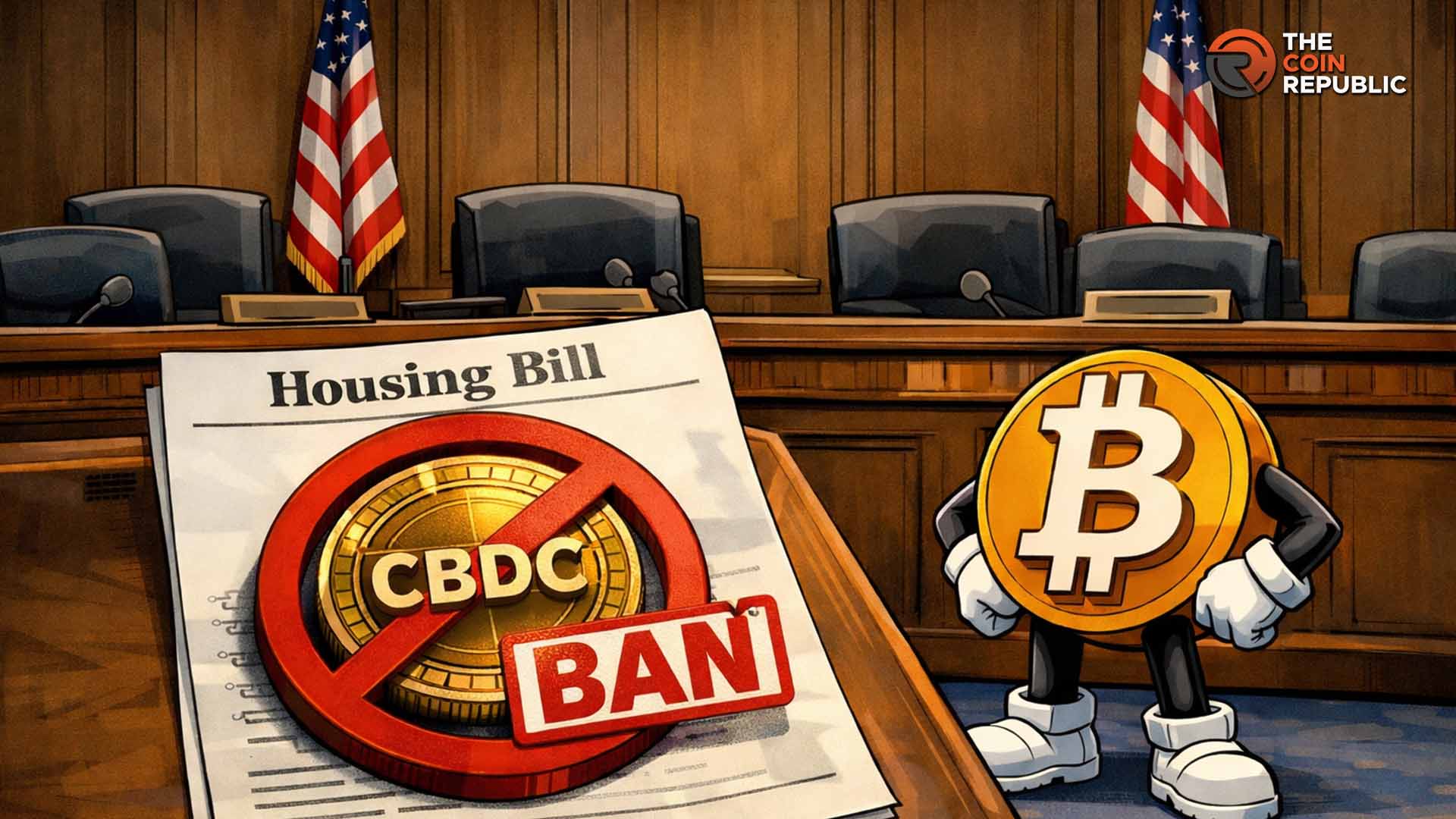
The United States Senate recently passed a comprehensive housing bill. This legislation surprisingly includes a definitive prohibition on the Federal Reserve. It does not allow the central bank to develop the Central Bank Digital Currency (CBDC).
CBDCs are government-issued cryptocurrencies that operate as cash equivalents. This act was incorporated into the larger housing package by lawmakers so that it would be bipartisan. The move is an indication of a change in policy toward digital assets.
Legislative Framework for the US CBDC Ban
The bill addresses the powers of the Federal Reserve towards digital money. It, however, forbids any pilot programs for a CBDC unless expressly approved by Congress. The prohibition on American Central Bank Digital Currency, or central bank digital currencies, would remain until 2031.
It was incorporated into the 21st Century ROAD to Housing Act, a comprehensive housing bill unrelated to cryptocurrency. That bill passed the Senate 89-10 on Thursday, a rare and overwhelming majority.
The suggestion expressly prohibits the Fed from offering services to individuals. It discourages the establishment of a retail CBDC that is directly available to the population. This law hitch is intended to safeguard the current two-tier banking.
This has been perceived by many experts as a triumph of the decentralization process. It compels the government to rely on private-sector innovation in stablecoins. Additionally, the US SEC and CFTC signed an MOU to align oversight and end long-standing regulatory turf wars in US markets.
Political Hurdles Facing the CBDC Restrictions
However, the CBDC ban has not yet become legislation. The housing package it is tied to is now facing multiple challenges, primarily, the House. The House must pass the legislation before President Donald Trump can sign it into law.
Earlier this week, the president threatened to refuse to sign any measures into law unless lawmakers pass the SAVE Act, a contentious voting reform initiative with slim chances of passage.
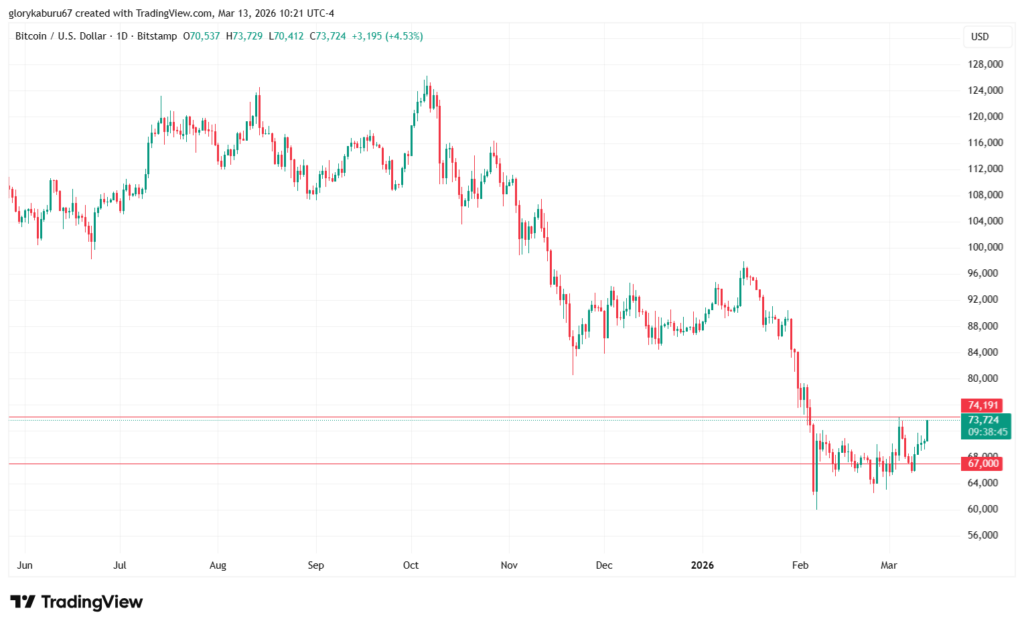
Nevertheless, Bitcoin responded positively to news of a possible restriction on CBDCs. Bitcoin price rose 4% in the aftermath of the Senate vote. It is currently trading at $73,100.
Future Implications of a US CBDC Moratorium
A decade-long ban would reshape the global financial landscape. It gives private stablecoins a lead in the market of the digital dollar. This provides companies such as Circle and Tether with more space to grow. A CBDC moratorium will guarantee that innovation remains in the market.
But the opponents are concerned about falling behind the global competitors. China keeps growing the pilot projects on the digital yuan. Europe is likewise advancing on its digital euro projects. The US has the risk of losing out in the world currency wars.
Nevertheless, the Senate is adamant. The bill gives importance to personal privacy rather than technological speed. This indicates a larger tendency of distrust of centralized digital assets.
The post Senate Housing Bill Bans US Central Bank from Issuing CBDC appeared first on The Coin Republic.