





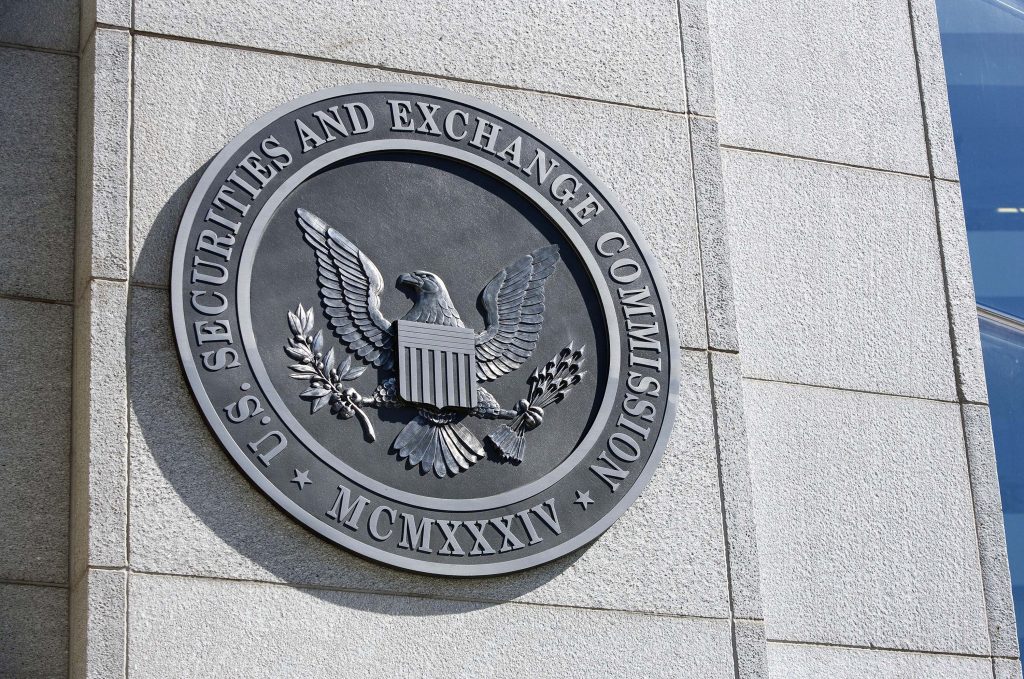
US financial regulators just rewrote the rulebook. On Tuesday, the SEC and CFTC released joint guidelines classifying the vast majority of digital assets as commodities or “digital tools,” stripping the SEC of its previous enforcement-heavy oversight role.
The move immediately fueled conflict-of-interest allegations regarding World Liberty Financial, the DeFi project controlled by the Trump family.
- Token Taxonomy: New SEC-CFTC guidelines classify most crypto assets as commodities, exempting them from securities registration.
- Conflict Concerns: Insiders argue the shift directly benefits World Liberty Financial by reducing disclosure burdens for the Trump family project.
- Legislative Bridge: Chair Paul Atkins frames the rules as a temporary measure while Congress stalls on the Digital Asset Market Clarity Act.
The Mechanics of the ‘Token Taxonomy’ Shift Explained
SEC Chair Paul Atkins calls it a “token taxonomy.” The market calls it a total reversal. Speaking at the Blockchain Summit in DC, Atkins confirmed the regulator is “not the ‘securities and everything commission’ anymore.”
The new joint guidelines with the CFTC explicitly categorize most digital assets—including payment tokens, collectibles, and utility assets—as distinct from securities.
— BSCN (@BSCNews) March 18, 2026
CRYPTO: SEC OFFICIALLY CLASSIFIES NFTs AS "DIGITAL COLLECTIBLES," NOT SECURITIES
The joint SEC/CFTC interpretive guidance dropped March 17 with a five-category token taxonomy:
Digital commodities (BTC, ETH, SOL, XRP, ADA, LINK + 10 more) Digital collectibles (NFTs,… pic.twitter.com/acXShbdce1
This creates a massive regulatory moat. Under the previous administration, these assets faced existential legal threats for failing to register.
Now, they are officially deemed “digital tools.” Only direct blockchain-based representations of existing securities, such as tokenized stocks and bonds, remain under the strict purview of the SEC. This is the operational rollout of the regulation philosophy Atkins promised: innovation first, enforcement second.
The timing is critical. While the administration pushes for the Digital Asset Market Clarity Act, the legislation remains stalled in Congress due to disputes over stablecoin interest provisions. Atkins is not waiting for the vote.
By issuing these guidelines now, agencies are creating a provisional safe harbor that mimics the Act’s intended structure without requiring legislative approval. The agencies frame this as a “bridge” to provide certainty, but it effectively sidelines the stricter oversight mandates that defined the Gensler era.
Does the New Framework Shield Family Interests?
The policy shift creates an immediate governance paradox. Market insiders note that the primary beneficiary of this deregulated environment is likely World Liberty Financial, the lending protocol launched by the Trump family.
Under the Biden-era interpretation, project insiders faced strict lockup periods and heavy disclosure requirements. The new “digital tool” classification effectively bypasses those hurdles.
Todd Baker, a senior fellow at Columbia Law School, argues the framework is tailored to facilitate “profit-making but socially valueless” trading free from federal oversight.
The contrast with recent history is sharp. Just months prior, the industry was navigating heavy litigation, such as cases where Gemini was sued over its internal governance and strategy shifts.
The new rules likely preclude similar enforcement actions against projects like World Liberty Financial, provided they do not tokenize existing securities.
Critics argue this creates a two-tier system where connected projects gain faster access to liquidity. However, supporters like The Digital Chamber’s Cody Carbone see it as a necessary correction to keep the US competitive.
With other jurisdictions vacillating, South Korea is still debating the total abolition of crypto taxes to prevent capital flight, the US is moving aggressively to cement its status as the global crypto capital. Summer Mersinger of the Blockchain Association framed the coordination as helpful in the “near term,” but the conflict of interest questions remain the headline.
The agencies have built their bridge, but it leads to a political minefield. Rules can be rewritten by the next chair; only legislation provides cement. Until the Clarity Act clears Congress, the market is trading on administrative permission, not law.
Discover: The best new crypto in the world
The post Trump SEC Overhaul Fuels Oversight Debate Over Family Crypto Conflicts appeared first on Cryptonews.