





Author: The Kobeissi Letter
Compile:Jesse
This is an in-depth analysis from The Kobeissi Letter regarding the Greenland tariff incident and Trump's "tariff strategy."
Will the trade war resurge due to new tariffs on Greenland?
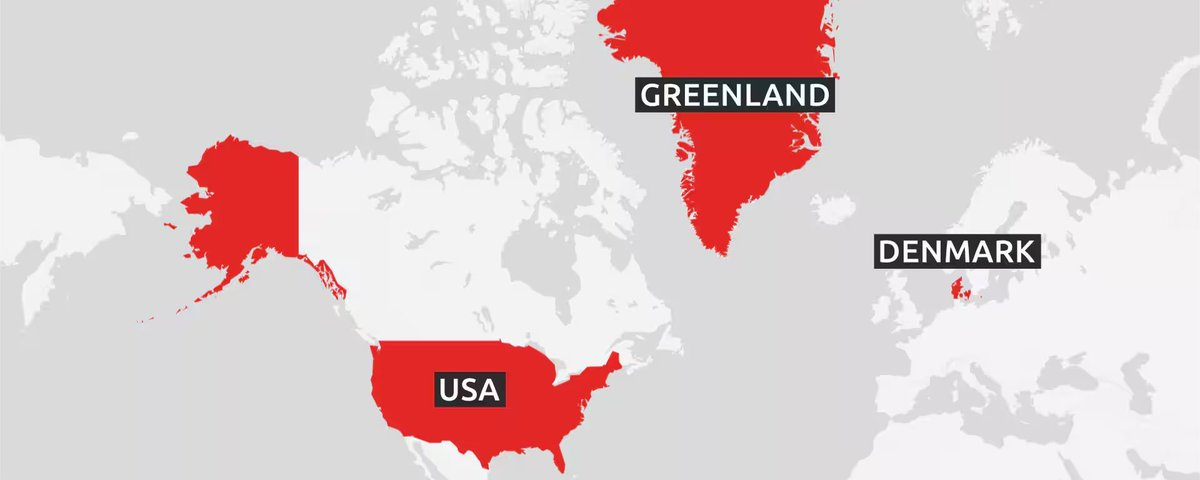
Just now, President Trump announced new tariffs on the European Union and confirmed his primary strategic goal: the purchase of Greenland. This includes new 10% tariffs on Denmark, Norway, Sweden, France, Germany, the United Kingdom, the Netherlands, and Finland, starting from February 1st.
In addition, these tariffs will be raised to 25% on June 1 and will never be lifted before a Greenland deal is reached. According to Trump, this deal must be a "full and complete purchase" of Greenland.
Before analyzing our precise strategy, it must first be noted that trade wars have become a "cyclical headwind." Tariffs always return when the market least expects them, and then gradually fade away. This is a product of President Trump's "tariff strategy," which is carefully designed.
The most recent case occurred on October 10, when President Trump threatened to impose 100% tariffs on China starting from November 1 (just 21 days after the announcement). This timeline may sound familiar, as it is an integral part of the strategy outlined in the playbook. After the news was released, S&P 500 futures fell by -3.5% during the day, widening further before the weekend close.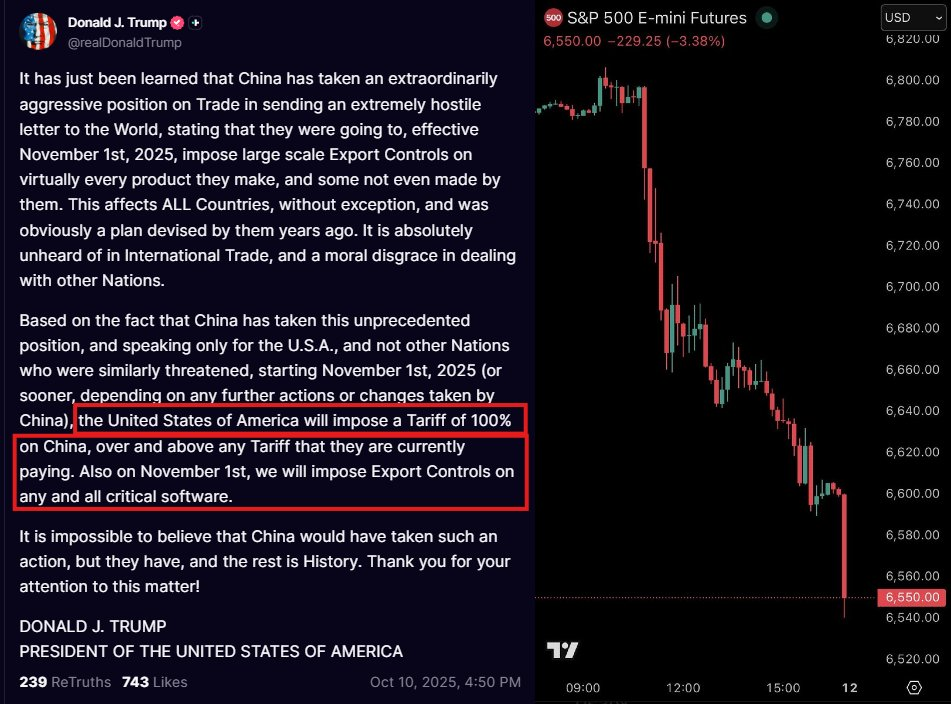
October 10 - Trump Threatens to Impose 100% Tariffs on China
President Trump often begins with punitive and threatening messages, which is part of his negotiation strategy. And this approach has worked well for him. In his October showdown with China, it ultimately resulted in the signing of a new trade agreement and China lifting its rare earth export restrictions, which Trump had claimed were harming the United States.
This time,The statement was released on Saturday, while market futures will not open until Monday evening (as Monday is a federal holiday). The market reaction may involve a similar "emotional sell-off," but the impact is likely to be milder, given the time available to digest the news.
All of this is part of President Trump's "tariff strategy," which we will detail below:
Tariff Strategy Manual
In 2025, our investment strategy generated nearly twice the return of the S&P 500 index, largely due to our early utilization of asset price volatility during the trade war. Here are the specific strategies we have consistently applied:
A Comprehensive Step-by-Step Guide to Coping with the Trump Trade War:
Friday: President Trump released a cryptic message hinting at potential tariffs on specific countries or industries. As uncertainty increased, markets declined. This event began on Friday when Trump threatened to impose tariffs on Denmark.
Later that day or shortly after (this time on Saturday): President Trump announces a huge new tariff, typically above 25%.
Saturday and Sunday: During the market's closure, President Trump repeatedly escalated threats of tariffs to apply pressure, aiming to maximize the psychological impact.
During the weekend: The targeted country usually makes a public response or sends signals indicating a willingness to negotiate.
8 p.m. Eastern Time on Sunday (this time it's Monday night): Futures open, and the market gives an initial emotional reaction to the headline news about tariffs, causing futures prices to drop.
Monday and Tuesday: President Trump continued to publicly pressure, but investors began to realize that the tariffs have not yet taken effect and there are still several weeks before implementation (such as February 1).
Midweek of the same week: Bottom-fishing buyers step in and trigger a corrective rebound, but such a move often fades and leads to another decline. This is typically the time when "smart money" begins to accumulate.
Next weekend (about a week later): President Trump posted that negotiations were ongoing, and that he was working with the leaders of the target countries to seek a solution.
That Saturday evening at 6 p.m. on Sunday: Futures opened sharply higher as optimism returned, but the gains retreated after the cash market opened on Monday.
After the market opened on Monday: High-ranking government officials, including Treasury Secretary Bessent, appeared on live television to reassure investors and emphasize progress in reaching an agreement.
Next 2-4 weeks: Officials at all levels of the Trump administration continue to disclose progress on the trade agreement.
Finally: The trade agreement is officially announced, and the market hits a new all-time high.
Loop: Repeat starting from step 1.
Of course, this is not a 100% guaranteed roadmap, but based on our experience, almost all trade wars that have erupted since January 2025 have followed roughly the same path.
Note: This time, President Trump's plan to acquire Greenland is undoubtedly more ambitious than the request to China to reduce export controls. Therefore, the implementation process of this strategy may take longer, but it will follow a similar sequence of events.
Timing is key.
President Trump's entire negotiation strategy revolves around timing and pressure. He provides a buffer period of 2-3 weeks before tariffs take effect in order to reach an agreement. Trump's goal is to prevent these tariffs from ever actually going into effect; what he wants is a deal. This also explains why these announcements increasingly appear on weekends when the markets are closed. He pushes the threats to the edge. This is why they work: if they were to actually take effect and remain in place, they would have a powerful impact on the markets and the world.
In the previous trade war with China, President Trump announced a new trade agreement with China on November 1st—the very day on which 100% tariffs were originally scheduled to take effect.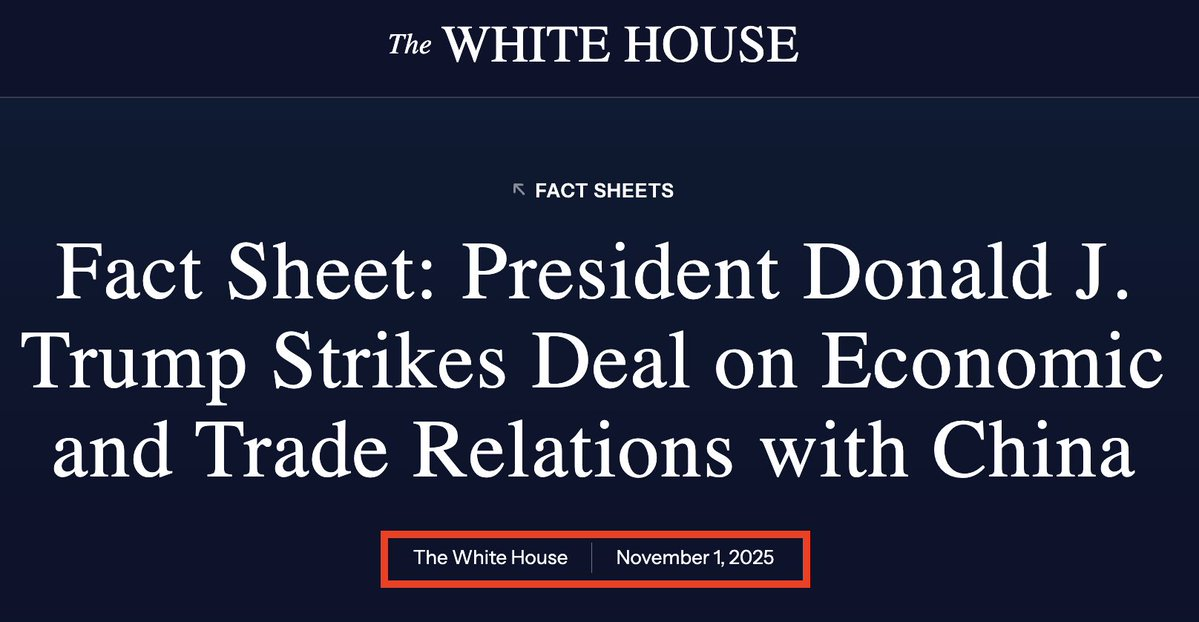
In the end, those who remain objective and follow procedures during the fluctuations of a trade war are gaining the best trading environment ever.
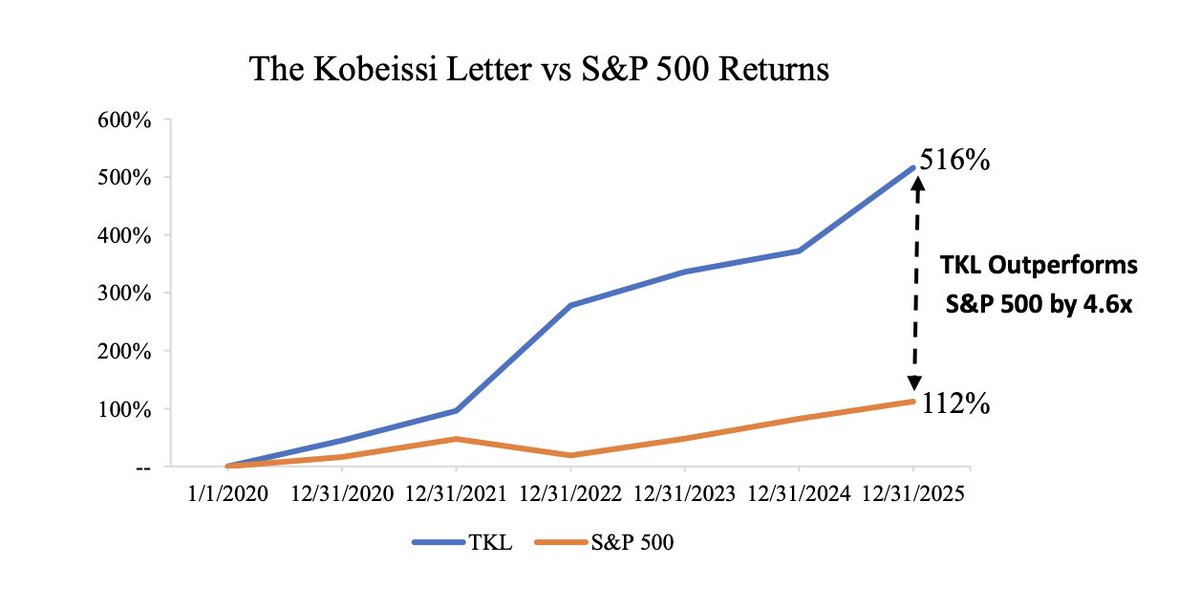
As mentioned earlier, this objective and systematic approach has enabled our performance to surpass market benchmarks. As shown in the chart below, since 2020, the return rate of our investment strategy has been nearly five times that of the S&P 500 index.
Conclusion
This time, President Trump's plan to purchase Greenland has indeed raised the bar higher than previous demands. Market turbulence may last longer, but we would like to reiterate our original view: the most skilled traders are capitalizing on asset price fluctuations caused by trade war headlines.
Volatility is an opportunity.