





Editor’s Note: Over the past few weeks, the situation in the Middle East has rapidly escalated, with repeated ceasefires and renewed clashes occurring in quick succession. Against this backdrop, this article offers a more specific perspective: how the United States was drawn into this conflict.
From a highly classified briefing in the Situation Room to the final order given aboard Air Force One, this decision was not made in a single stroke, but gradually converged through continuous adjustments. On one hand, Israel constructed an operational framework that nearly amounted to a "guaranteed victory narrative," framing the war as a low-risk, short-duration window of opportunity; on the other hand, the U.S. intelligence system quickly dismantled this narrative, pointing out that "regime change" was unrealistic, without rejecting the military strike itself.
Objections have always existed, but never formed a true barrier. Vance emphasized costs and uncertainty, Keynes highlighted resource and supply constraints, and Wiles focused on oil prices and election risks—these various dimensions of risk were continually raised, yet never altered the direction of decision-making. All information was heard, but none truly imposed a constraint.
Across a series of White House Situation Room meetings, President Trump weighed his personal instincts, the vice president’s deep concerns, and pessimistic intelligence assessments. Ultimately, the war gradually became the only option through a series of unchallenged judgments.
The following is the original text:
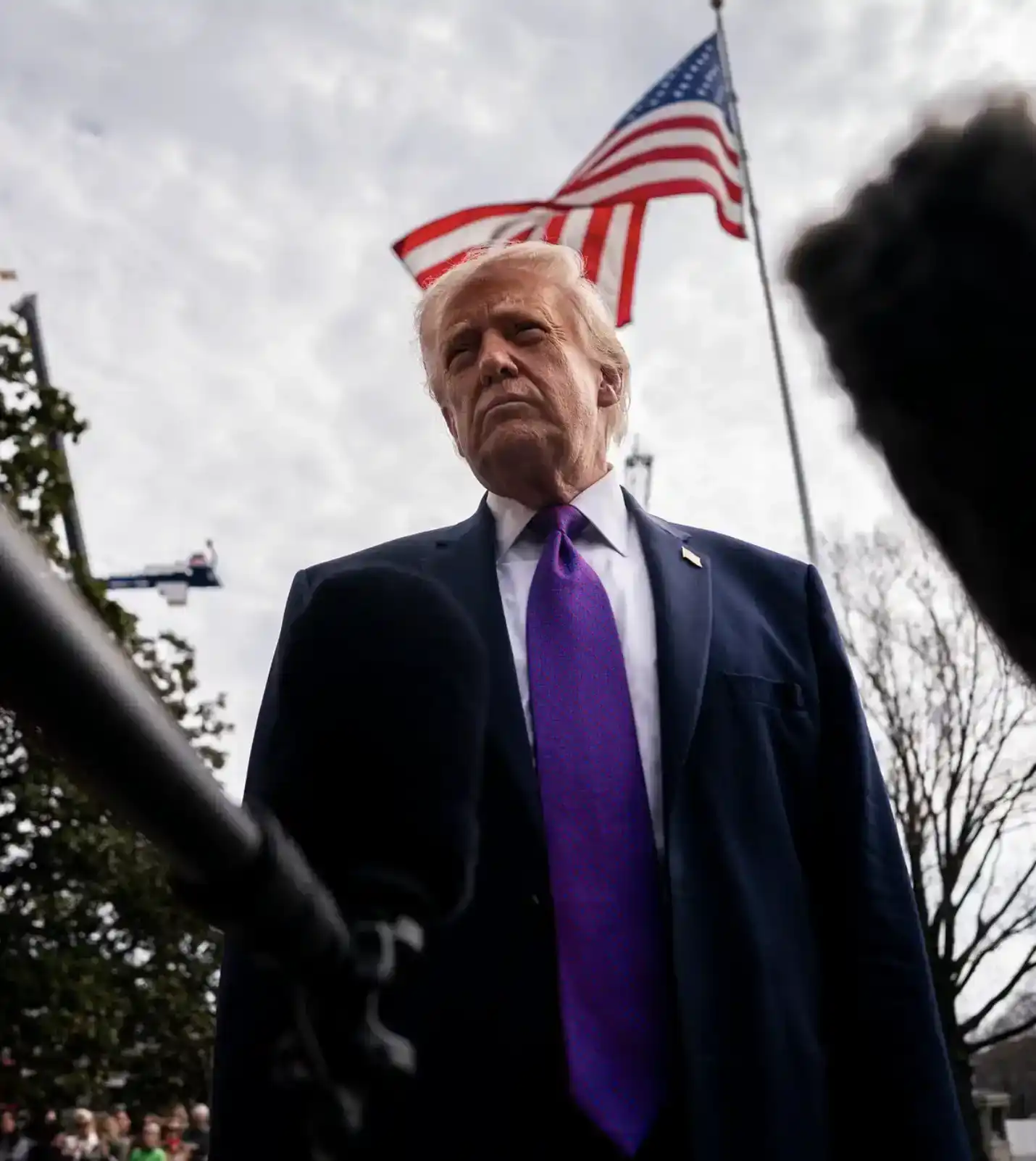
Before 11 a.m. on February 11, a black SUV delivered Israeli Prime Minister Benjamin Netanyahu to the White House. Over the past several months, he had been pushing the United States to approve a major strike against Iran. On this day, he made virtually no public appearances, avoided the media, and was swiftly ushered into the White House for one of the most pivotal moments of his political career.
U.S. and Israeli officials first met briefly in the Cabinet Room next to the Oval Office. Then, Netanyahu was taken underground to the true core location—the White House Situation Room—where he would deliver a highly classified briefing on Iran’s situation to Trump and his team. The Situation Room is rarely used to host foreign leaders.
When Trump sat down, he did not take his usual seat at the head of the table but instead sat to one side, facing the large screen on the wall. Netanyahu sat across from him, opposite the president across the table.
On screen, David Barnea, Director of Israel’s foreign intelligence agency Mossad, along with several senior military officials, are connected live. Their images are arranged behind Netanyahu, creating a visual effect of a wartime commander supported by his team.
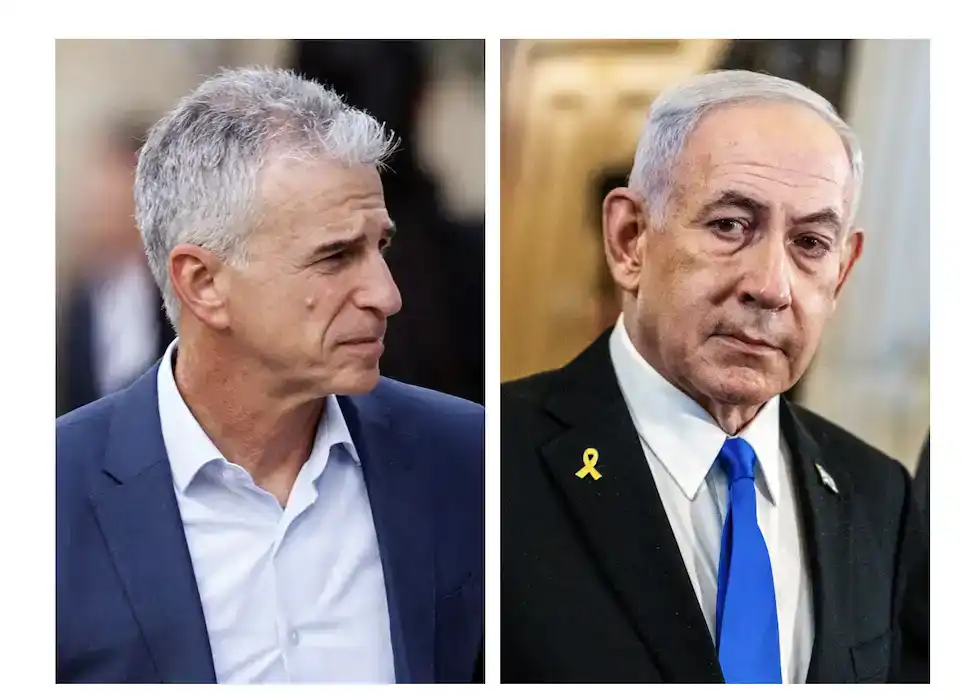
White House Chief of Staff Susie Wiles sat at the far end of the table; Secretary of State and National Security Advisor Marco Rubio occupied his usual seat; Secretary of Defense Pete Hegseth sat alongside Chairman of the Joint Chiefs of Staff Dan Kane, with CIA Director John Ratcliffe seated to the side. President’s son-in-law Jared Kushner and Special Envoy for Iran negotiations Steve Witkoff were also present.
The meeting was deliberately kept extremely limited in scope to avoid any risk of leaks. Several senior cabinet officials were unaware of it, and Vice President Vance was unable to attend—he was in Azerbaijan at the time, and the last-minute notice made it impossible for him to return in time.
In the following hour, Netanyahu's briefing became a pivotal turning point, propelling the U.S. and Israel toward a major military conflict in one of the world’s most sensitive regions. More importantly, this briefing triggered intense discussions within the White House over the subsequent days and weeks. Trump repeatedly weighed the risks and options during these closed-door meetings before ultimately approving participation in strikes against Iran.
This article is based on interviews conducted for the forthcoming book, "Regime Change: The Inside Story of Donald Trump’s Imperial Presidential Power." Through numerous anonymous sources, it reconstructs the internal dynamics of this decision-making process: how the president’s instincts shaped judgments, how key team members diverged in opinion, and how the White House operated under a highly centralized decision-making structure.
The report also showed that, over several months, Trump’s hardline stance aligned closely with Netanyahu’s, exceeding the expectations of even some core advisors. Their close interaction spanned two administrations, remaining a focal point of political controversy in the U.S. despite occasional friction. Ultimately, even the more cautious members of the “war cabinet”—except for Vance, who has consistently opposed full-scale war—deferred to the president’s judgment, particularly his strong conviction that the war would end quickly and achieve decisive results. The White House declined to comment.
At the February 11 war room meeting, Netanyahu made a highly aggressive statement: the Iranian regime has entered a vulnerable phase, and with the U.S. and Israel united, there is an opportunity to decisively end the Islamic Republic.
Israel even prepared a video for Trump showcasing potential successors who might take control after the regime's fall, including Reza Pahlavi, the exiled son of Iran’s last shah—a long-time opposition figure active in Washington who has sought to position himself as a secular alternative in a post-theocratic era.
Netanyahu’s team presented an assessment that borders on a “guaranteed victory” narrative: Iran’s missile system can be destroyed within weeks; the regime will be weakened to the point of being unable to block the Strait of Hormuz; and its capacity to retaliate against the U.S. and its allies is limited.
Furthermore, Mossad intelligence indicates that protests within Iran will erupt again. In coordination with intelligence agencies inciting unrest, intensive bombing campaigns aim to create conditions for the opposition to overthrow the regime. Meanwhile, Kurdish forces may advance southward from Iraq to open a ground front, further fragmenting Iran’s military forces and accelerating its collapse.
The presentation was delivered in a calm and confident tone, but the core message was unmistakable—this is a window of opportunity for a "low-risk, high-reward" venture.
It also truly resonated with the most key people present.
“That sounds good,” Trump replied. For Netanyahu, this was nearly equivalent to implicit approval.
Not only did he himself feel this way, but attendees generally believed that the president had already made up his mind. Advisors noted that Trump was deeply impressed by Israel’s military intelligence capabilities—a sentiment consistent with his interactions with them prior to the 12-day conflict with Iran in June.
Earlier that day, during a cabinet meeting, Netanyahu laid the groundwork for this briefing with the core argument: that Iran’s Supreme Leader, Ali Khamenei, represents an existential threat that must be addressed.
When asked about the risks, he did not deny the uncertainty but repeatedly emphasized a judgment: the cost of inaction is higher. If delays continue, Iran will accelerate missile production and build a more impenetrable "immune layer" around its nuclear program, making the cost of future action even greater.
Everyone present understands a harsh reality: Iran’s rate and cost of expanding its missile and drone stockpiles are far lower than America’s capacity to build a defensive system. This means time is not on America’s side.
It was this presentation, along with Trump’s positive response, that shifted the focus from “whether it was feasible” to “how to verify it.” That evening, the U.S. intelligence community urgently initiated an assessment to analyze the feasibility of Israel’s entire proposal.
U.S. Central Intelligence Agency: "Absurd"
The U.S. intelligence community's assessment was conveyed the following day, February 12, at another classified meeting in the Situation Room attended solely by U.S. officials. Prior to Trump’s arrival, two senior intelligence officials had already briefed the president’s inner circle.
These intelligence officials are highly familiar with U.S. military capabilities and Iran’s political-military system. They broke down Netanyahu’s plan into four parts: first, a “decapitation strike”—assassinating the Supreme Leader; second, degrading Iran’s ability to project power abroad and threaten neighboring countries; third, inciting popular uprisings within Iran; and fourth, achieving regime change by installing a secular leader to take control of the country.
The U.S. assessment concluded that the first two objectives are feasible with U.S. intelligence and military capabilities. However, the third and fourth components—including the scenario of Kurdish forces launching a ground offensive into Iran from Iraq—were deemed unrealistic.
After Trump entered the meeting, CIA Director John Ratcliffe presented him with the assessment, summarizing the Israeli prime minister’s “regime change” proposal in one word: “absurd.”
At this point, Rubio interjected: “In other words, it’s nonsense.” Ratcliffe added that, given the uncertainties of war, regime change is not entirely impossible, but should never be viewed as a feasible or established goal. Subsequently, several attendees, including Vice President Vance, who had just returned from Azerbaijan, expressed strong skepticism, stating that the prospect of regime change was highly unrealistic.
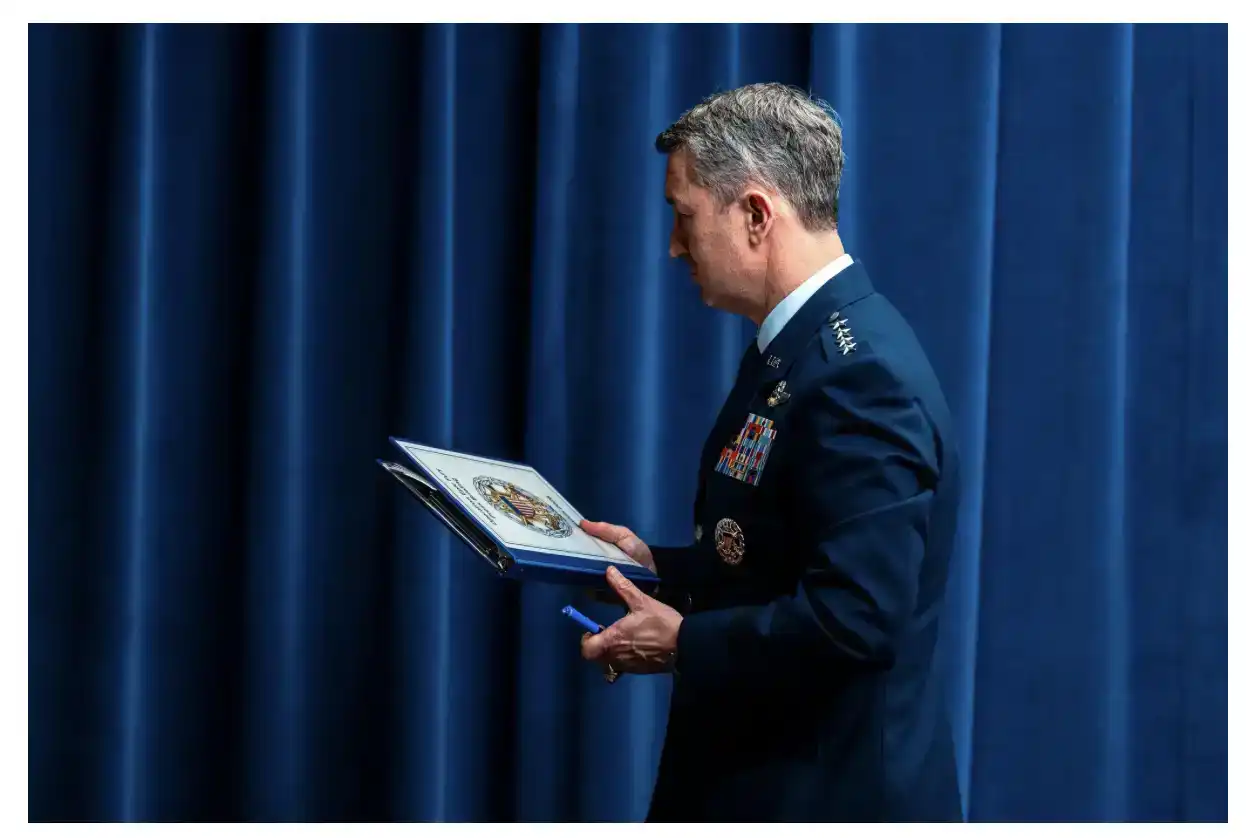
Trump turned to Chairman of the Joint Chiefs of Staff, General Dan Kane: “General, what do you think?” Kane replied: “Mr. President, based on my experience, this is pretty much standard Israeli practice. They often overpackage, and their specific proposals aren’t always well-developed. They know they need us, so they’re pushing hard.”
Trump quickly made his judgment, stating, “Regime change is their problem.” The target of this statement is unclear—it could refer to Israel or the Iranian people. But the core conclusion is: whether he goes to war with Iran will not depend on the feasibility of the third and fourth parts of Netanyahu’s plan.
In contrast, Trump still shows strong interest in the first two objectives: assassinating Iran’s top leadership and destroying its military capabilities.
General Cain—whom Trump famously referred to as "Razin's Caine"—impressed the president early on by asserting that he could defeat ISIS faster than outside expectations. Trump subsequently promoted this former Air Force fighter pilot to his top military advisor. Cain was not a political loyalist and harbored serious reservations about going to war with Iran, but he was always extremely cautious in how he expressed his views to the president.
Over the course of the following days, Kane repeatedly emphasized to Trump and his team that if the U.S. launched a large-scale military strike against Iran, its weapons stockpiles would be rapidly depleted—particularly missile defense systems, which were already under strain due to prolonged support for Ukraine and Israel. Moreover, there was no clear or rapid path to replenish these stockpiles.
He also noted that ensuring the security of the Strait of Hormuz would be extremely difficult, with extremely high risks if Iran were to impose a blockade. Trump, however, dismissed this concern, believing that the Iranian regime would be forced to concede before the situation reached that point. The president appeared consistently convinced that this would be a swift and decisive war—a judgment reinforced by the muted response following the U.S. military strike on Iranian nuclear facilities in June.
Kane’s role in the pre-war decision-making process exemplifies the classic tension between military advice and presidential decision-making. He consistently avoided taking a direct stance, instead repeatedly emphasizing that his duty was to present options and outline potential risks, as well as second- and third-order consequences—not to make judgments on behalf of the president. As a result, some attendees perceived him as providing arguments for multiple positions simultaneously.
He often retorts, “And then what?” But Trump usually only hears what he wants to hear.
Kane stands in stark contrast to his predecessor, Chairman of the Joint Chiefs of Staff Mark Milley, who repeatedly and strongly opposed the president during Trump’s first term, viewing his duty as preventing the president from taking dangerous or reckless actions.
A person familiar with their interactions noted that Trump often mistook Kane’s tactical advice for strategic judgment. In reality, Kane might warn in one sentence about the difficulties of an action, then immediately follow up by noting that the U.S. possesses nearly unlimited, low-cost precision-guided munitions and could sustain strikes against Iran for weeks once air superiority is achieved.
In Kane’s view, these are merely two different perspectives; but in Trump’s eyes, the latter often offsets the former.
Throughout the decision-making process, Cain never directly told the president, "Going to war with Iran is a bad idea," although some of his colleagues believed this was his true assessment.
Hawkish, Trump
Although Netanyahu is not fully trusted within Trump’s inner circle, his assessment of the situation has, for many years, been closer to Trump’s own views than those of the anti-interventionists in the “America First” camp.
Among all the diplomatic challenges Trump faced during his two presidential terms, Iran remained a unique case. He viewed it as a highly threatening adversary and was willing to take significant risks, including going to war or preventing it from acquiring nuclear weapons.
Meanwhile, Netanyahu’s proposal aligns perfectly with Trump’s long-standing desire: to overthrow Iran’s theocratic regime, which has held power since 1979. That year, Trump was 32 years old, and since then, this regime has consistently been viewed by the United States as a thorn in its side.
Today, he has the opportunity to become the first U.S. president in 47 years to achieve a regime change in Iran.
A rarely discussed but persistent motive is that Iran once plotted to assassinate Trump in retaliation for the U.S. military’s killing of Iranian general Qasem Soleimani in January 2020.
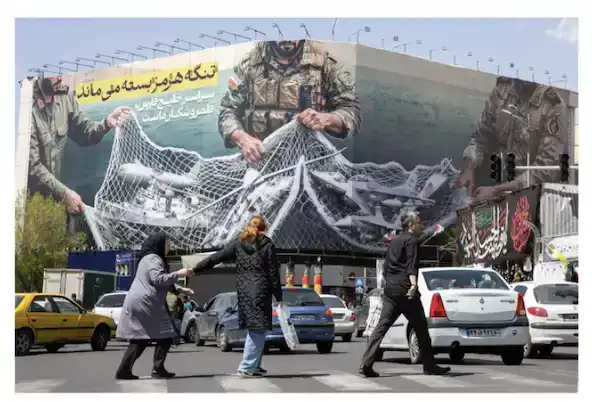
After beginning his second term, Trump's confidence in the U.S. military's capabilities further increased, especially following the high-profile raid that successfully captured Venezuela's leader.
Within the cabinet, Defense Secretary Hegseth was the most steadfast supporter of military action against Iran. Rubio was more hesitant; he believed Iran was unlikely to reach an agreement through negotiations but preferred continuing pressure rather than direct war. However, he did not attempt to dissuade Trump, and after the war began, he fully defended the administration’s position.
White House Chief of Staff Susie Wiles is concerned about the potential consequences of a new overseas conflict, but she typically refrains from forcefully addressing military issues in large meetings, instead encouraging other advisors to voice their opinions. While she wields influence on many issues, she chooses restraint in meetings where the president is present with military leaders. Those close to her say she believes it is not her role to voice personal concerns in such settings; more important is ensuring that the expert input of individuals like Kane, Ratcliffe, and Rubio reaches the president.
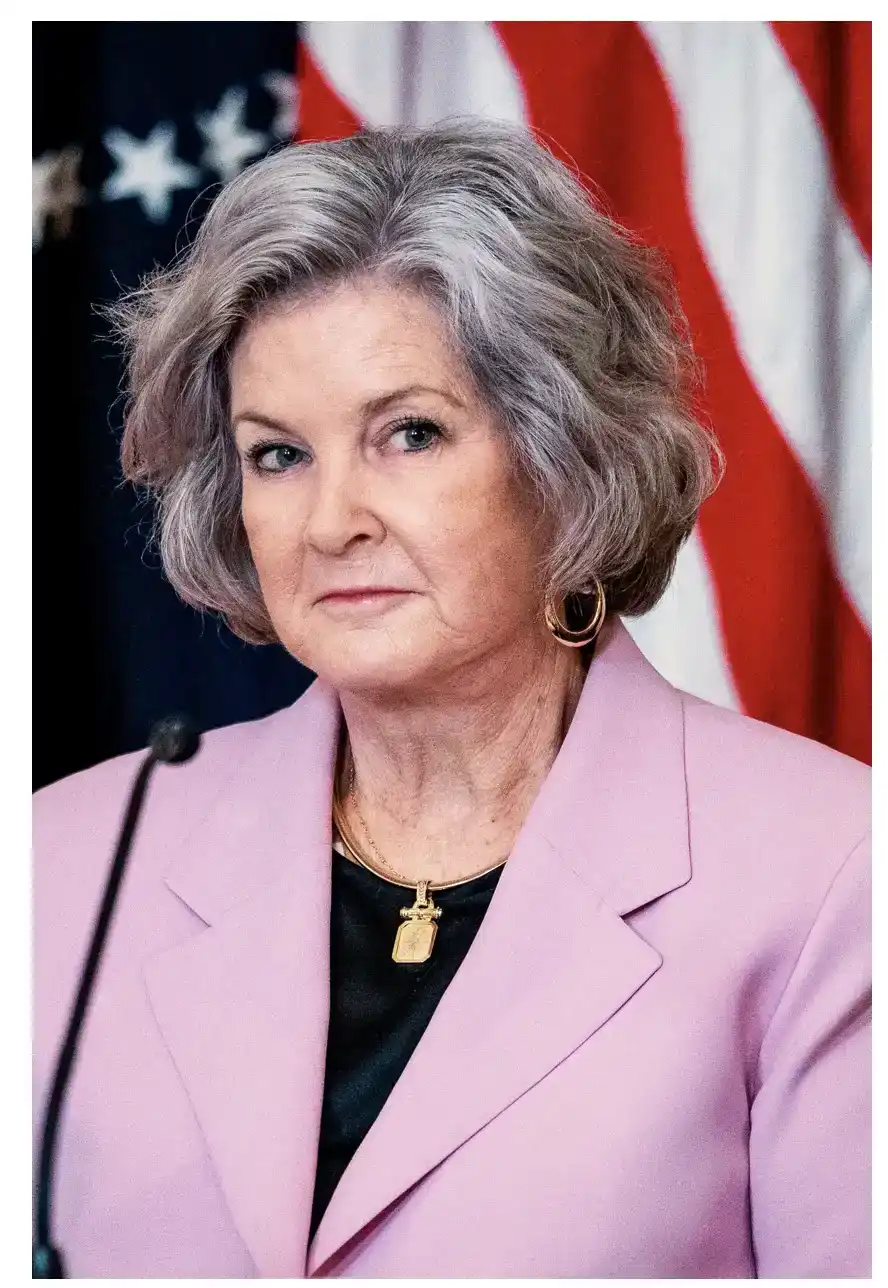
Nevertheless, Wiles privately told colleagues that she was concerned the United States might once again be drawn into a Middle Eastern war. Strikes against Iran could push oil prices higher before the midterm elections, directly influencing the political trajectory of Trump’s second term in its final two years—whether to build on his record or face investigations and subpoenas from the Democratic-controlled House of Representatives.
But in the end, Wiles still supported the action.
Skeptic, Vice President Vance
No one in Trump’s inner circle is more concerned about the prospect of war with Iran, or has worked harder to prevent it, than the Vice President.
Vance built his political career by opposing such military adventurism. He has described the option of going to war with Iran as a "massive diversion of resources" and an "extremely costly endeavor."
But he is not entirely dovish on all issues. In January, Trump publicly warned Iran to stop killing protesters and claimed U.S. assistance was coming. At the time, Vance privately encouraged the president to uphold this red line. However, he advocated for a limited, punitive strike, more in line with the pattern of Trump’s 2017 missile strikes in response to Syria’s use of chemical weapons against civilians.
Vance believes that a war against Iran aimed at regime change would be a disaster. His preferred option is actually to launch no strikes at all. However, given that Trump is likely to intervene in some way, he attempts to steer the action toward more limited options. Later, when it became clear that the president was determined to launch a large-scale operation, Vance shifted to arguing that if a strike must happen, it should be conducted with overwhelming force to achieve objectives as quickly as possible.
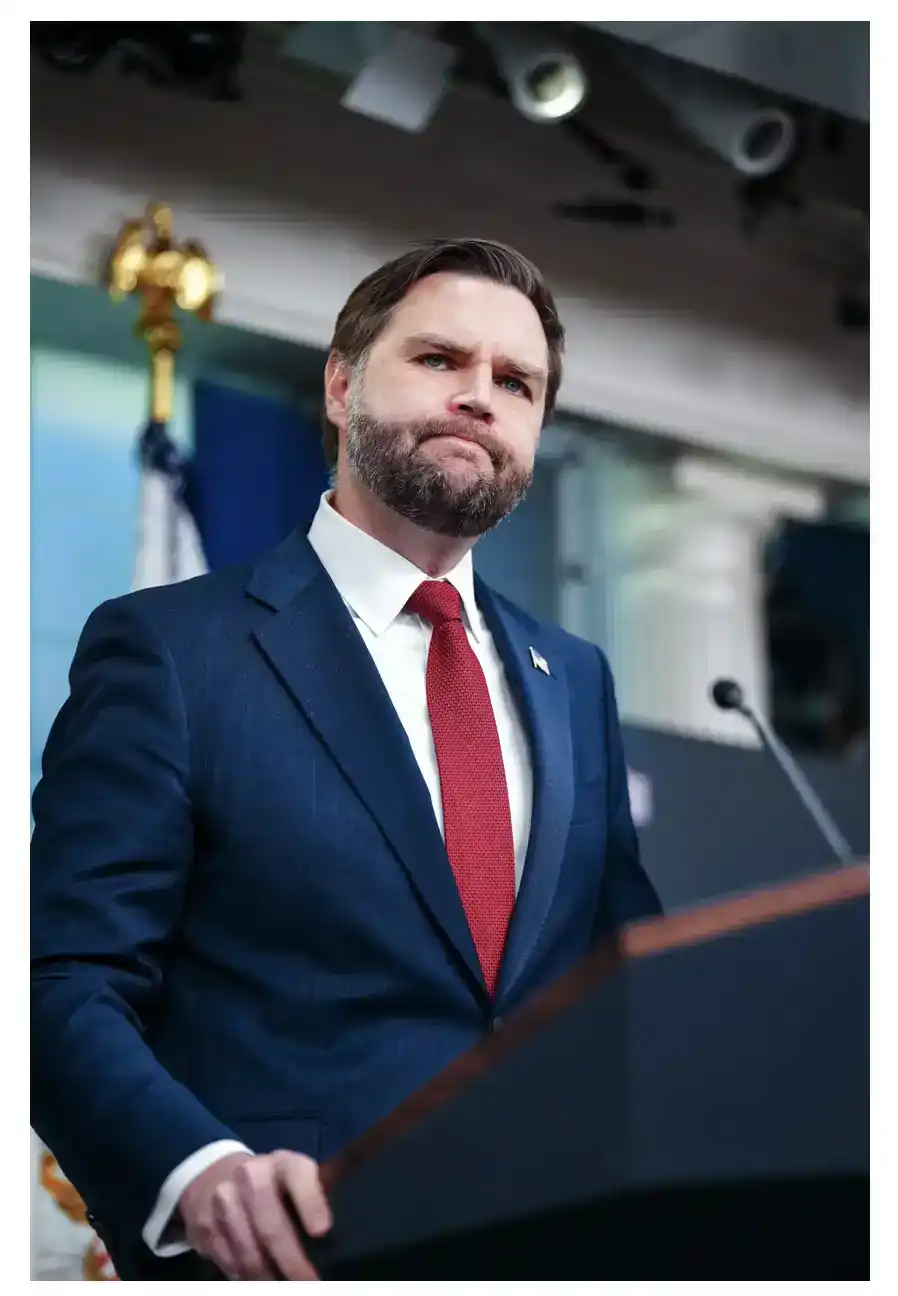
In front of his colleagues, Vance warned Trump that going to war with Iran could trigger regional chaos and cause immeasurable casualties. It could also dismantle Trump’s political coalition and be seen by many voters who believed his promise of “no more new wars” as a betrayal.
Vance also raised other concerns. As Vice President, he understands the severity of the U.S. ammunition shortage. Going to war with a regime that is fiercely determined to survive could make it much harder for the United States to respond to other conflicts in the coming years.
Vance told those around him that no matter how sophisticated the military assessment, it is impossible to truly predict how Iran will retaliate when its regime’s survival is at stake. This war is highly likely to spiral in unpredictable directions. Moreover, he believes that even if the war ends, there is virtually no realistic possibility of building a “peaceful Iran” in its aftermath.
In addition, perhaps the greatest risk lies in the Strait of Hormuz, where Iran holds a strategic advantage. If this narrow waterway, which carries a significant volume of oil and natural gas shipments, were to be blocked, the United States would immediately face severe consequences, starting with a sharp spike in oil prices.
Over the past year, another influential figure in the right-wing camp who opposes intervention and is skeptical of military action—commentator Tucker Carlson—visited the Oval Office multiple times to warn Trump that his presidency would be destroyed if the U.S. went to war with Iran. Weeks before the war broke out, Carlson, who had known Trump for many years, spoke to him by phone; Trump tried to reassure him, saying, “I know you’re worried about this, but everything will be fine.” Carlson asked how he could be sure. Trump replied, “Because it always ends up that way.”
In the final days of February, U.S. and Israeli officials discussed new intelligence that significantly accelerated the timeline for action. The Supreme Leader was set to meet in person, during daylight hours, with other senior officials of the Iranian regime—fully exposed to aerial strike range. This was a fleeting opportunity to directly target the core of Iran’s power, a target that might not arise again.
Trump then gave Iran another opportunity to reach an agreement and halt its path to nuclear weapons. Meanwhile, the diplomatic engagement itself provided the United States with additional time to deploy more military assets to the Middle East.
Several of Trump’s advisors said the president had essentially made up his mind weeks ago, though he had not yet decided exactly when to act. Now, Netanyahu is urging him to move as soon as possible.
In the same week, Kushner and Vitkov called from Geneva to report the outcomes of their latest round of talks with Iranian officials. During three rounds of negotiations held in Oman and Switzerland, the two had been probing Iran’s willingness to reach an agreement. At one point during the talks, the U.S. side proposed providing nuclear fuel free of charge for the entire duration of Iran’s nuclear program, to test whether Tehran’s insistence on uranium enrichment was truly for civilian energy purposes or to preserve the capability to develop nuclear weapons.
Iran rejected the proposal, calling it an infringement on its dignity.
Kushner and Vitkov told the president that an agreement might be possible, but it would take months. They indicated that if Trump was expecting them to look him in the eye and guarantee the issue would be resolved, there was still a long way to go. Kushner told him that the Iranians had been playing games.
Trump: "I think we need to take action."
On Thursday, February 26, around 5 p.m., the final war room meeting began. By this point, everyone’s positions in the room were already very clear. Previous meetings had largely addressed all the issues, and everyone understood each other’s stances. The discussion lasted approximately an hour and a half.
Trump sat in his usual position at the center of the conference table. To his right were Vice President Vance, followed by Susie Wiles, Ratcliffe, White House Counsel David Walling, and White House Communications Director Steven Zhang. Directly across from Steven Zhang sat White House Press Secretary Karine Leavitt; to her right were General Cain, Hagerness, and Rubio.
This war planning group was so tightly controlled that two key officials tasked with responding to the largest supply disruption in the history of the global oil market—Secretary of the Treasury Scott Bessent and Secretary of Energy Chris Wright—were excluded, and Director of National Intelligence Tulsi Gabbard was also not permitted to attend.
The president began by asking, “Alright, what do we know right now?” The Secretary of Defense Hegseth and General Kane first outlined the sequence of the strike operations. Then, Trump expressed his desire to hear everyone’s input around the table.
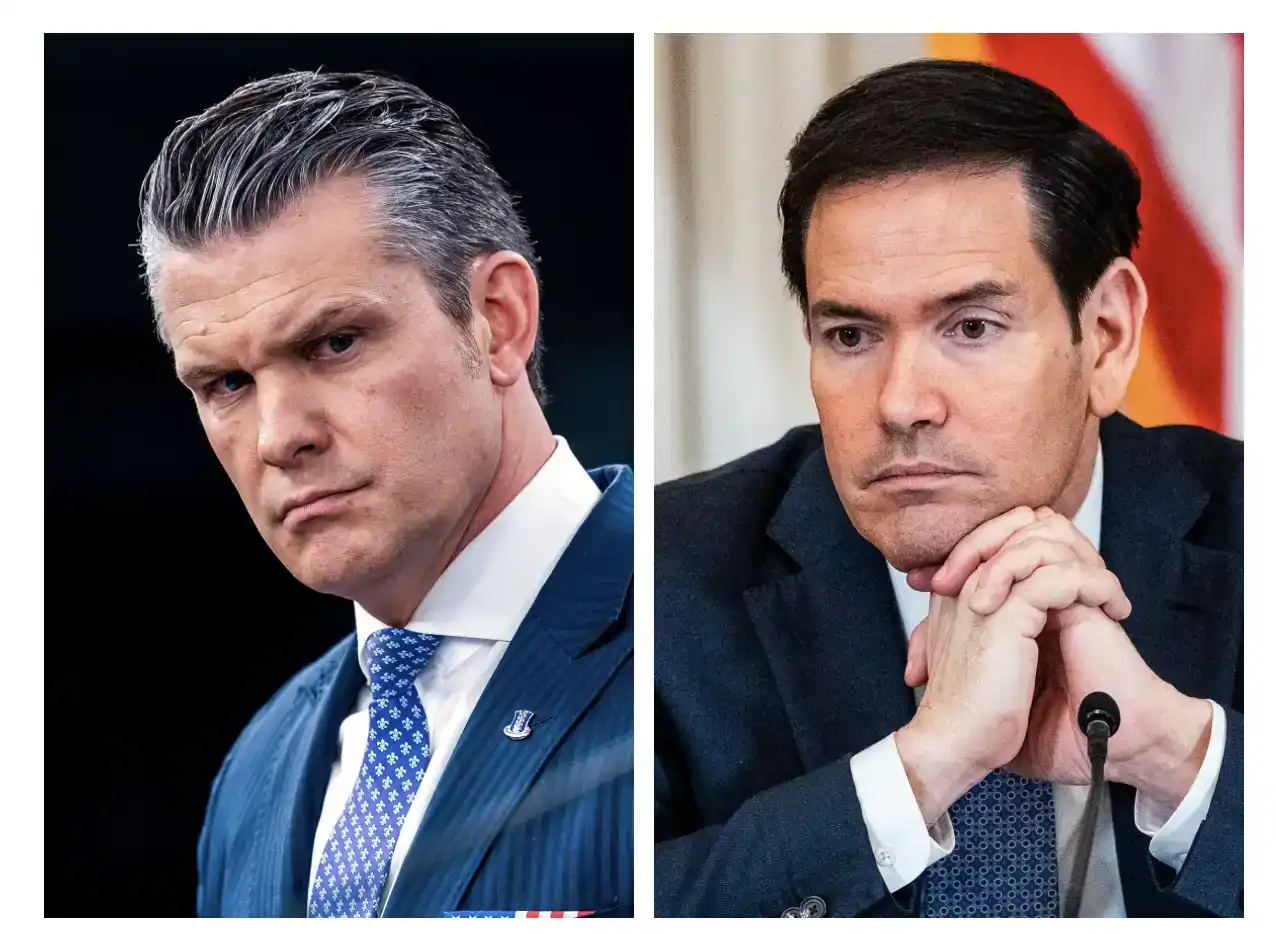
Vance spoke first. Since his opposition to the premise of the entire operation was already well known, he said directly to the president: “You know I think this is a bad idea, but if you decide to go ahead, I’ll support you.”
Wiles told Trump that if he believes advancing this matter is necessary for U.S. national security, then he should go ahead and do it.
Ratcliffe did not comment on whether action should be taken, but he mentioned the startling new intelligence: Iran’s leadership was about to gather at the Supreme Leader’s residence in Tehran. The CIA director told the president that, by some definitions, regime change was possible. “If all we’re talking about is killing the Supreme Leader, we could probably do it,” he said.
When it came time for White House Counsel Warden, he stated that, based on how U.S. officials designed the plan and presented it to the president for consideration, it was legally permissible. He did not express a personal opinion, but when pressed by the president, he mentioned that as a Marine veteran, he had known an American soldier who died years ago at the hands of Iran. This issue had always carried deep personal significance for him. He told the president that if Israel was going to proceed regardless, then the United States should move forward as well.
Steven Zhang analyzed the public opinion consequences of this action: Trump campaigned on a platform opposing further wars, and voters did not elect him to engage in overseas conflicts. This plan also contradicts the government’s repeated assertions following the June strike on Iran—how can it now explain to the public that Iran’s nuclear facilities were already “completely destroyed” over the past eight months? However, Steven Zhang did not explicitly endorse or oppose the plan, stating only that whatever decision Trump makes will be the right one.
Levitt told the president that it was his decision, and the communications team would do its best to manage the subsequent public reaction.
Hegseth’s position is more direct. He believes that the Iranians will eventually have to be “dealt with,” so why not act now? He offers a technical assessment: given the available forces, this campaign can be completed within a certain timeframe.
General Kane maintained a cautious and restrained stance. He outlined the various risks and the extent to which the operation would deplete ammunition reserves, but did not express any personal preference. His position remained consistent: if Trump gives the order, the military will carry it out. The president’s two most senior military advisors both walked him through how the campaign would unfold and the limits of the U.S. military’s ability to degrade Iran’s military capabilities.
When it was Rubio’s turn, he gave a clearer statement: “If our goal is regime change or expecting to spark an uprising, then we shouldn’t do it. But if the goal is to destroy Iran’s missile program, that goal is achievable.”
Everyone ultimately yielded to the president’s intuition. They had seen him make bold decisions, take unimaginable risks, and still walk away unscathed. At this point, no one would truly stand in his way.
“I think we have to act,” the president said to everyone in the room. He stated that it was essential to ensure Iran could not acquire nuclear weapons and could not continue launching missiles at Israel or the broader region.
General Kane told Trump that he still had some time and did not need to issue an order immediately; he could wait until as late as 4 p.m. the next day to decide.
The next afternoon, aboard Air Force One, just 22 minutes before Kane’s deadline, Trump issued the following order: “Operation Epic Fury is approved. Do not cancel. Good luck.”