





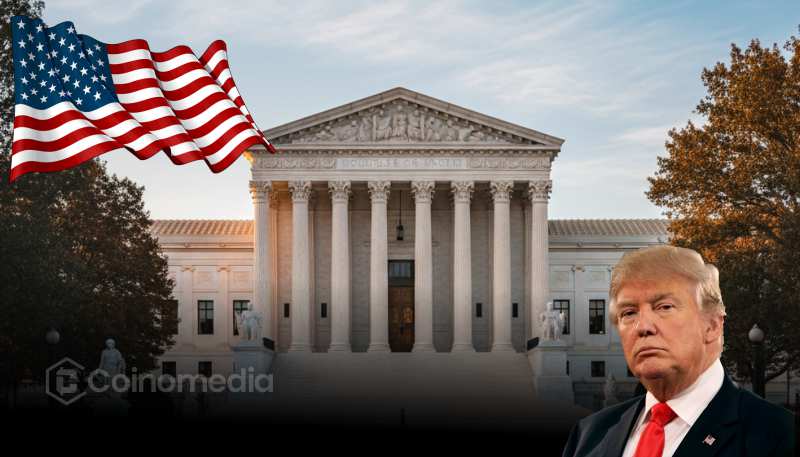
- Supreme Court did not rule on Trump tariffs as expected.
- The decision affects emergency presidential tariff powers.
- Uncertainty continues for global trade and U.S. businesses.
No Decision Yet on Trump Tariffs
In a widely anticipated move that didn’t happen, the U.S. Supreme Court on Wednesday held back its ruling on former President Donald Trump’s controversial tariffs. The decision, which was expected this week, would determine whether Trump exceeded presidential powers by using emergency authority to impose wide-ranging import tariffs during his administration.
Instead, the Court released opinions on other unrelated cases, leaving businesses, lawmakers, and global markets waiting for clarity. The Trump tariffs case centers on the International Emergency Economic Powers Act (IEEPA), a law originally intended to give the president specific powers during national emergencies. Critics argue Trump misused the act to justify tariffs on goods from countries like China, without going through Congress.
Why the Ruling Matters
The outcome of this case could have far-reaching implications. At the heart of the matter is whether a president can bypass Congress to impose major trade measures by simply declaring an emergency. A ruling either way could reshape how future presidents approach trade policy.
If the Court upholds Trump’s actions, it could give future presidents greater freedom to impose tariffs without congressional approval. If the Court rules against him, it could rein in executive power and restore more trade authority to Congress.
Lower courts have already found parts of Trump’s tariff strategy questionable. During oral arguments, several justices also expressed concern over the broad use of emergency powers in economic policy.
What Happens Next?
As of now, the Supreme Court has not provided a new date for when the ruling will be announced. The Court typically releases opinions without prior notice, so the decision could still come at any time in the coming weeks.
Until then, uncertainty lingers — particularly for industries dependent on international imports and exports. Global markets, especially trade partners like China and the European Union, are closely watching the outcome.
Read Also:
- Crypto Market Cap Hits $3.32T After $103B Daily Surge
- Supreme Court Delays Ruling on Trump Tariffs Case
- Next Big Crypto: Franklin Templeton Amending Institutional Money Market Funds, DeepSnitch AI Goes Vertical After Breaking Through $1.20M in Presale
- UAE Goes All In to Attract Crypto Elite
- DeepSnitch AI vs. BlockDAG: Is It the AI Coin The One That Can Become an Explosive 100x Moonshot This January?
The post Supreme Court Delays Ruling on Trump Tariffs Case appeared first on CoinoMedia.