





Article by: Olga Kharif
Compiled by: Saoirse, Foresight News

IRS building in Washington, D.C. Photographer: Eric Lee / Bloomberg
Tyler Menzer said that, in order to gain a deeper understanding of the situation of cryptocurrency investors, he has analyzed IRS data for several years and concluded that these investors may be deliberately avoiding taxes.
Just like a popular internet meme from a few years ago—late Arizona Cardinals coach Dennis Green, upon facing a victorious opponent, angrily declared, “They are who we thought they were”—typical crypto users, when it comes to fulfilling their tax obligations to Uncle Sam, are much the same. (Meaning: as expected, crypto users really don’t want to pay taxes to the IRS.)
Tyler Menzer is an assistant professor in the accounting department at Texas Christian University’s Neeley School of Business and has access to millions of anonymized taxpayer records provided by the Internal Revenue Service. He and his co-authors, whose research was recently published, found that during the period from 2013 to 2021, very few taxpayers reported cryptocurrency transactions on their tax returns; and among those who did, this group differed significantly from traditional stock investors.
“Cryptocurrency holders are more likely to hold meme stocks,” said Menzer in the interview. “They tend to be younger and may have lower incomes. Our paper’s key conclusion is that this is a distinct group of taxpayers and investors—they trade differently and may have different compliance behaviors. Many likely haven’t reported their cryptocurrency assets to the IRS.”
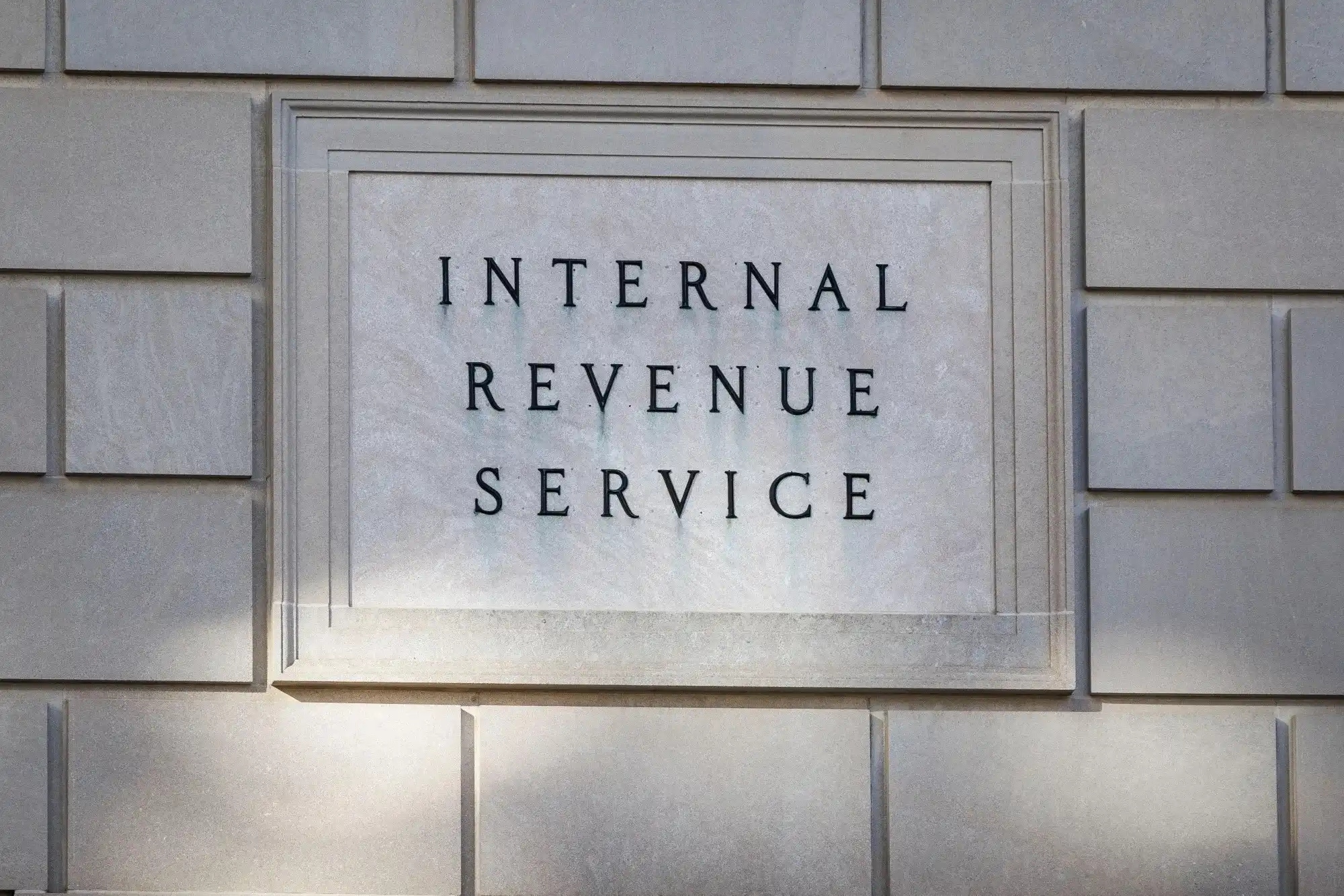
IRS building in Washington, D.C. Photographer: Samuel Corum / Bloomberg
Other multiple surveys and studies show that, as of 2021, approximately 12% to 21% of U.S. adults had held cryptocurrency, but Menzer and his team found that only 6.5% had reported cryptocurrency transactions to the IRS. This study’s time frame predates the early 2024 U.S. approval of ETFs to hold physical cryptocurrency, a policy shift that has since fundamentally reshaped the overall investor landscape.
The paper titled Who Reports Cryptocurrency to the IRS?, co-authored by Professor Jeffrey Hoopes and Tyler Menzer of the University of North Carolina at Chapel Hill and Professor Jaron Wilde of the University of Iowa’s accounting department, was published in March in a Springer Nature accounting research journal. The study primarily focuses on transactions involving Bitcoin and Ethereum.
The Internal Revenue Service did not immediately respond to this.
CoinTracker, a software company that tracks crypto asset investments and ensures tax compliance,数据显示 that in 2025, accounts holding digital assets for less than a year experienced an average loss of $636, while trades involving assets held for over a year yielded an average profit of $2,692. During the 2025 tax year, crypto investors averaged 836 taxable transactions.
Crypto traders often completely overlook the tax implications when selling their positions, a phenomenon Menzer attributes to insufficient investor expertise and the high volatility of crypto assets. Bitcoin, a market bellwether, has dropped approximately 40% since hitting an all-time high in October. In contrast, many traditional stock investors deliberately time their sales to qualify for lower tax rates.
However, this situation will soon change. The IRS has tightened filing requirements for the 2026 tax year, moving cryptocurrency regulation closer to the framework used for stock markets. U.S. exchanges like Coinbase are required to issue transaction forms, and taxpayers must accurately report whether they hold cryptocurrency, regardless of whether they receive the new Form 1099-DA. Rules addressing wash sales and other compliance loopholes are currently under review.
It remains to be seen whether the libertarian anti-tax ideology that has long been prevalent in the crypto space can endure, especially as tax filing season approaches.