





Introduction:
Currently, the Crypto market’s exploration of RWA primarily focuses on asset tokenization—how to map the ownership of real-world assets such as government bonds, stocks, or real estate onto the blockchain to enable more efficient settlement and custody. However, this solution, centered on efficient custody and settlement, does not fully address another major demand in financial markets: leveraged trading and risk management related to asset price volatility, which involves significantly larger and more active trading volumes.
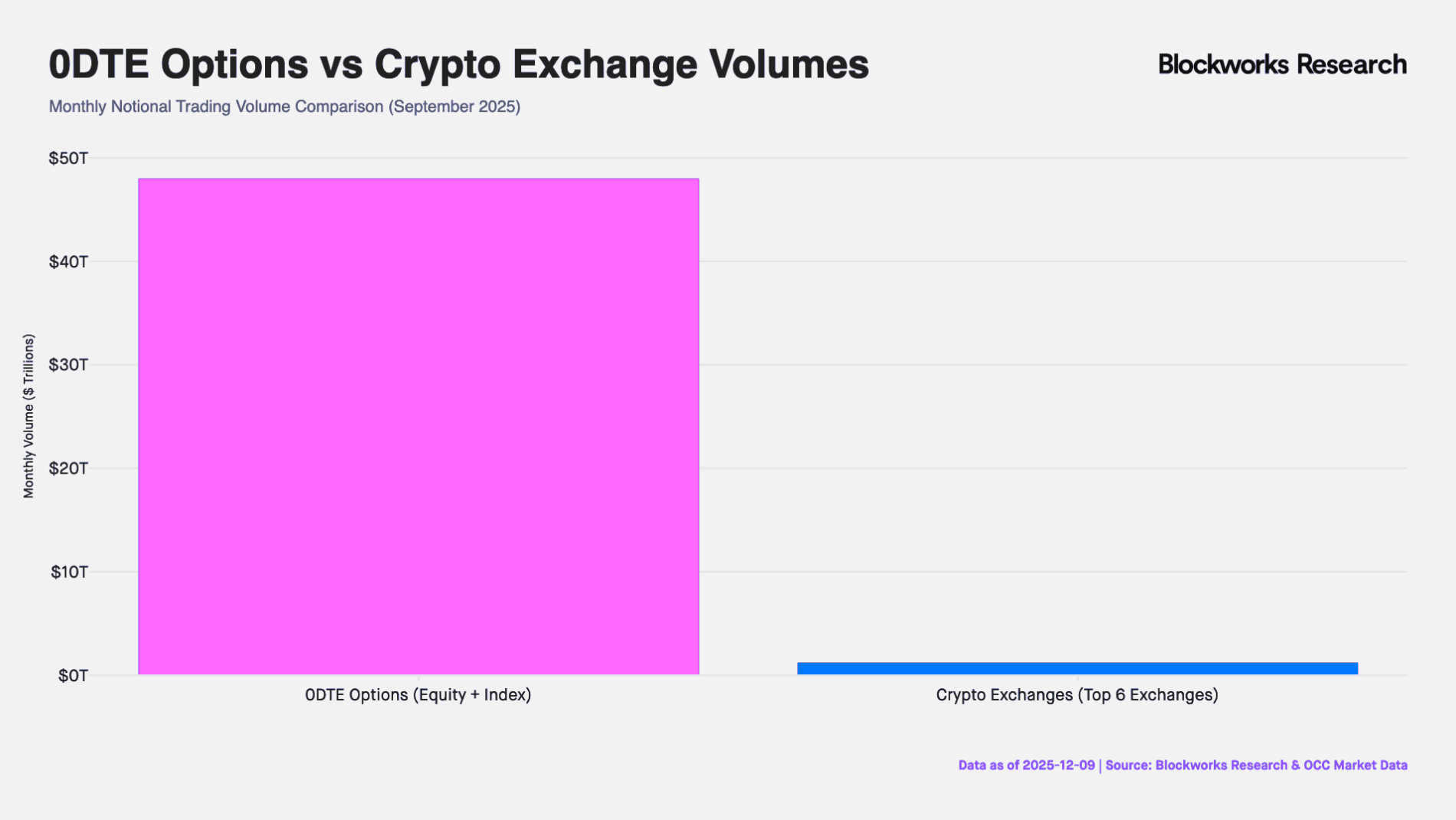
In fact, the true engine of global financial market liquidity is not passive asset holders, but traders seeking leveraged directional exposure. From the $50 trillion monthly notional value of the end-of-month options market in the United States to the $30 trillion monthly trading volume of the CFD (Contract for Difference) market outside the U.S., retail investors’ appetite for high-leverage, short-term risk exposure remains insatiable. Despite the massive trading volumes, existing traditional financial instruments still struggle to meet this demand: 0DTE options force traders to bear nonlinear risks from Theta (time decay) and Vega (volatility) in addition to simple directional bets, while the CFD market is widely criticized for its opaque, black-box mechanisms and centralized counterparty risk.
From the perspective of traders seeking directional exposure, what many truly desire is not “options” or “tokenized stocks,” but a pure Delta One (linear/symmetric) exposure—where price movements of an asset translate directly and proportionally into profits or losses, without any friction or deviation (Arthur Hayes wrote a piece last year titled 《Adapt or Die》 detailing the full background behind their development of crypto perpetual contracts; worth reading if interested).
It is precisely within this structural mismatch that DeFi protocols have keenly captured this market opportunity. Some DeFi entrepreneurs are attempting to introduce perpetual contracts—already proven over nearly a decade in the crypto market—to traditional asset classes. These products employ a synthetic derivatives architecture, anchoring the price of underlying assets through oracle price feeds and funding rate mechanisms, enabling round-the-clock leveraged trading in stocks, commodities, and forex without requiring actual ownership or delivery of the assets.
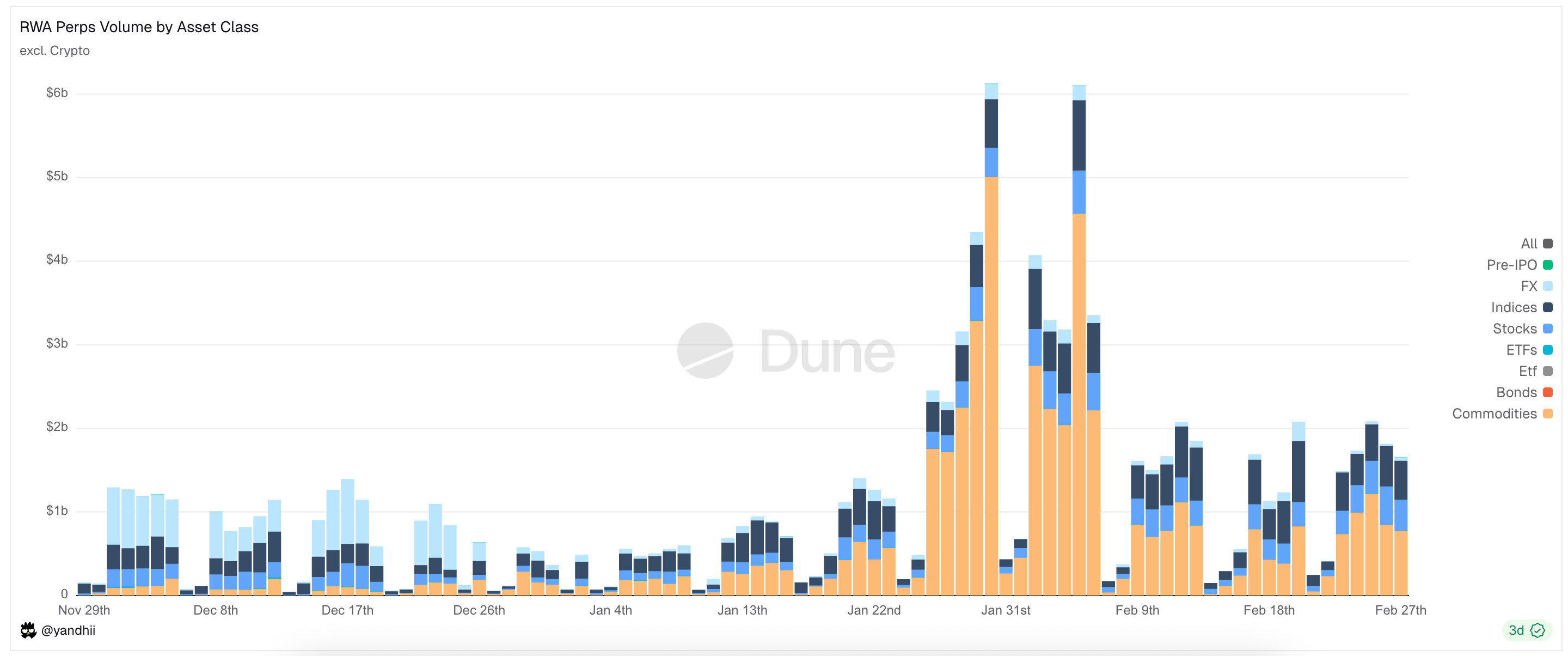
Chart: Primary asset types currently traded on RWA Perps Dex
I. Market Background (Opportunity to Enter the RWA Perps Market)
1.1 Enter Market 1: The U.S. 0DTE Options Market
Over the past decade, the U.S. options market has undergone a profound structural shift. According to data from the major options exchange Cboe Global Markets, the volume share of expiration-week options in S&P 500 options has surged from less than 5% in 2016 to over 60% today, with monthly notional turnover reaching $48 trillion (approximately 40 times the monthly trading volume of perpetual contracts on CEX exchanges). This figure reflects not only increased trading frequency but also reveals the presence of a massive capital force seeking extremely high intraday leverage exposure.
Note: 0DTE stands for "Zero Days to Expiration," referring to options that expire on the same day they are traded, also known as same-day expiration options. These contracts expire at the close of the trading day. Traders use them for ultra-short-term speculation to capture quick returns and avoid overnight holding risk.
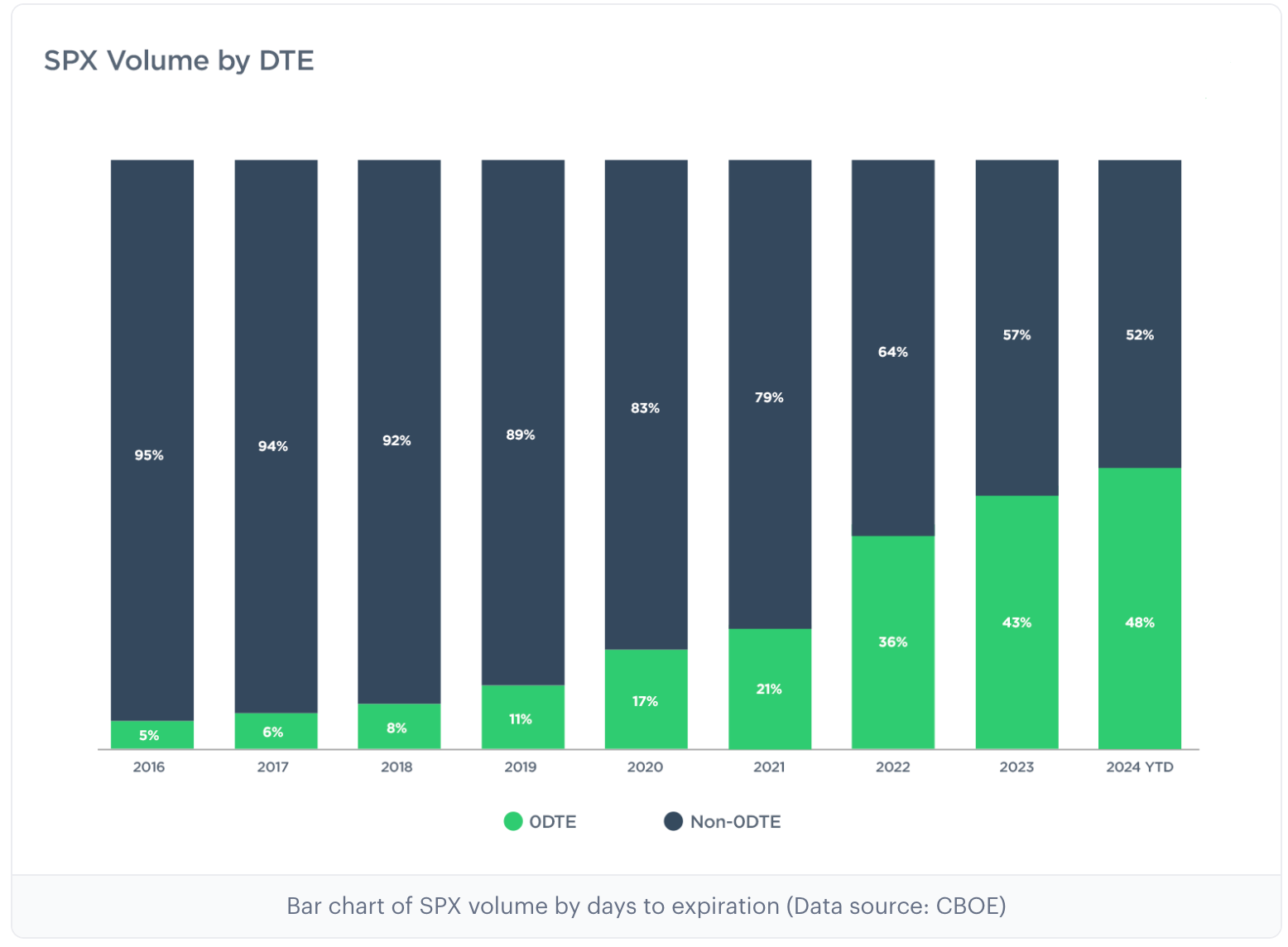
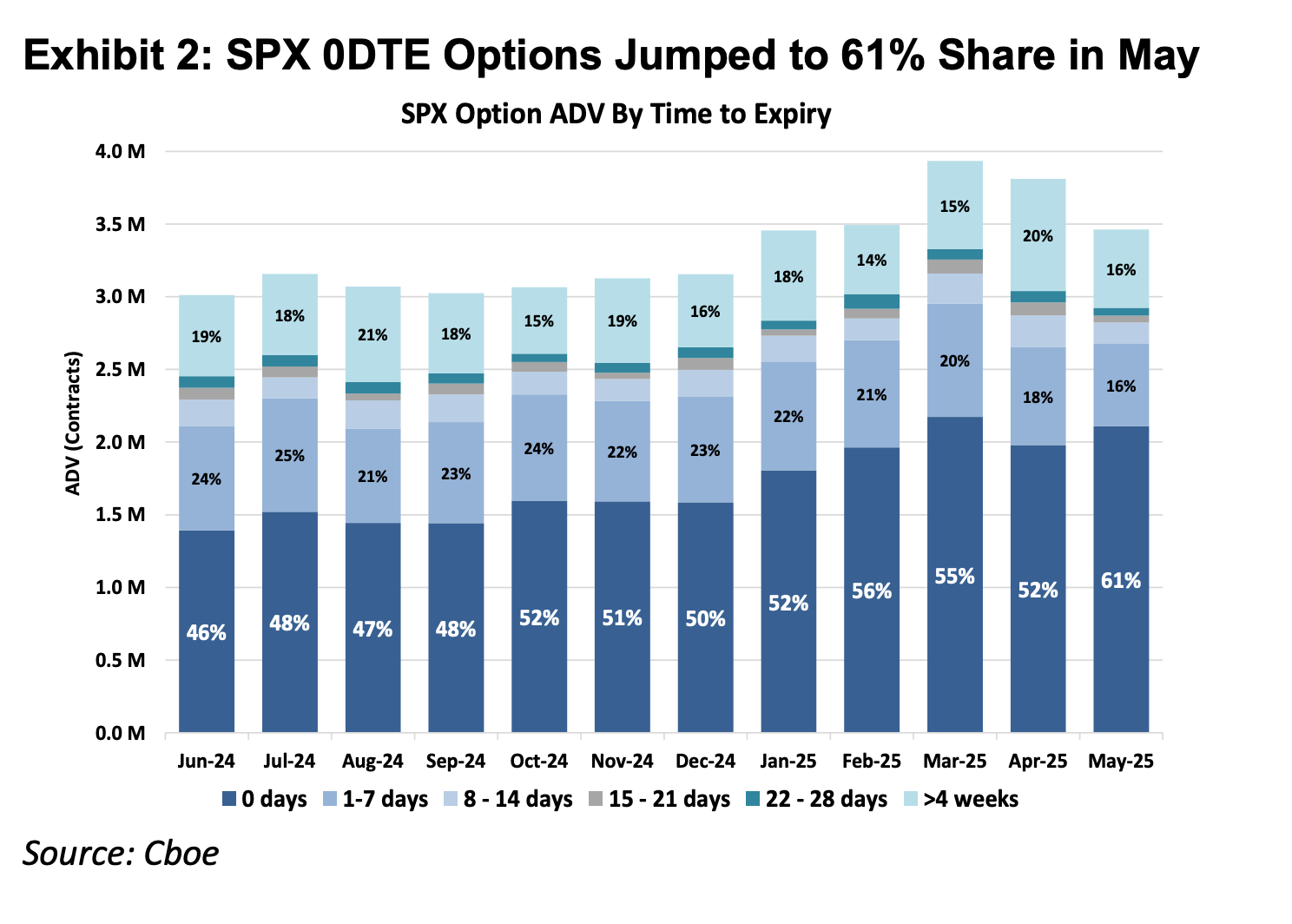
Chart: The two graphs above show the proportion of S&P 500 options with different expiration dates from 2016 to 2025. It can be seen that 0DTE options accounted for only about 5% of the options market in 2016, but by 2025, their market share surged to 61%, indicating that nearly half of all S&P 500 options trading is now focused on betting on intraday price movements for ultra-short-term speculation.
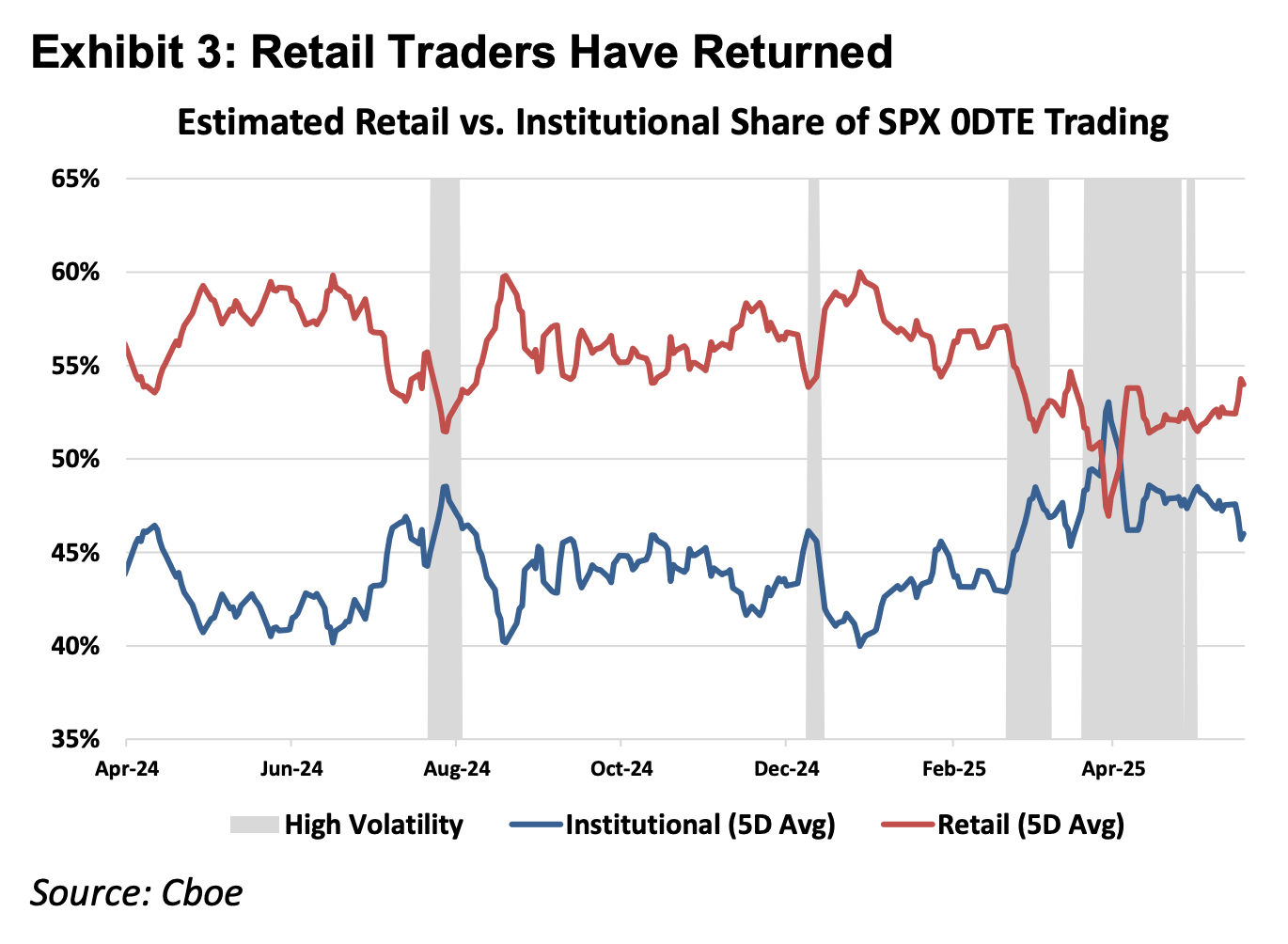
Chart: The above chart shows that retail investors are the absolute dominant force in the 0DTE market.
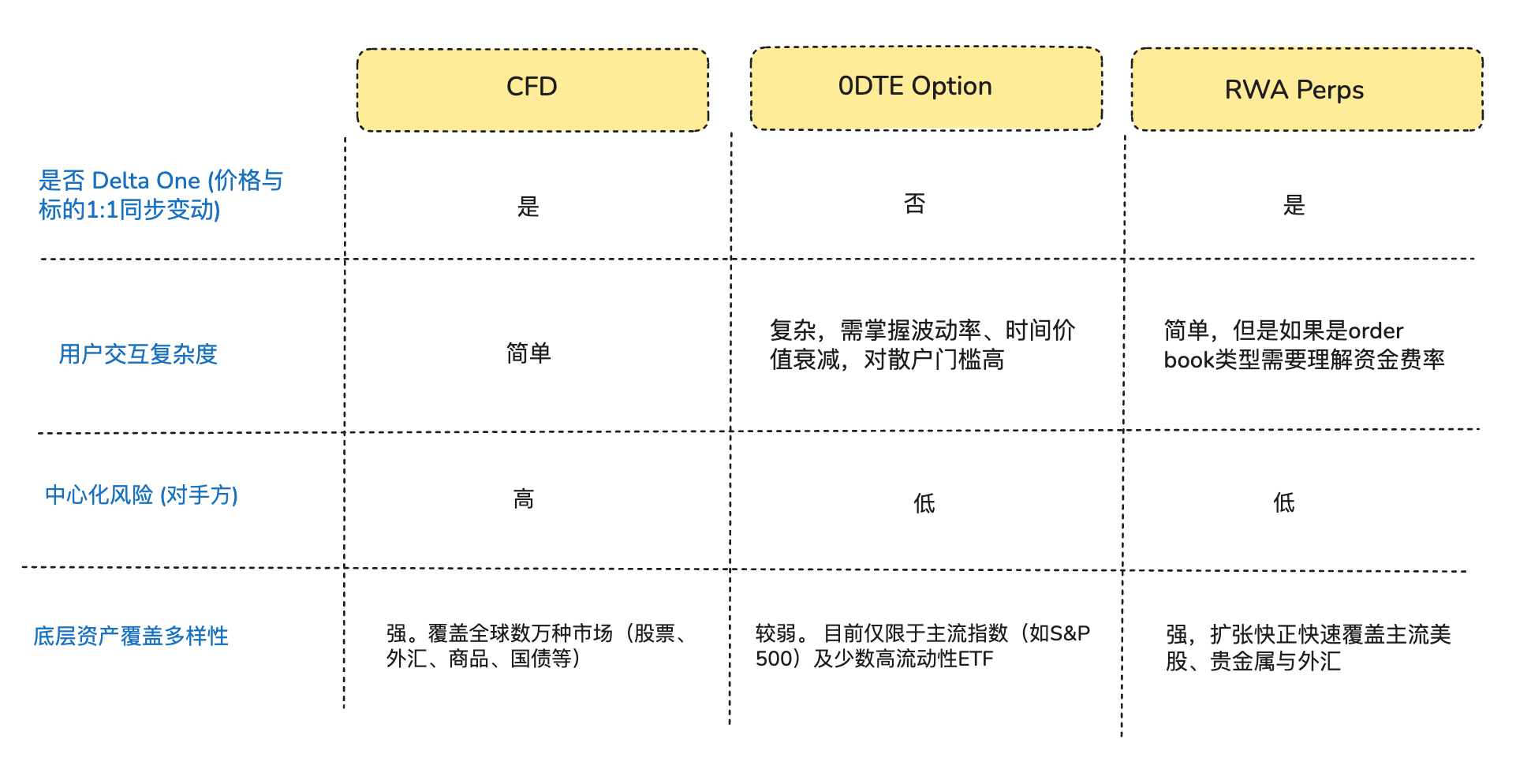
From the first principles of financial instruments, financial derivatives can be classified into Delta One products and nonlinear products. Traditional Delta One instruments such as stocks and futures have symmetric risk exposure: the gains from price increases are linearly proportional to the losses from price decreases. However, options are designed specifically to manage asymmetric risk.
For example, a fund manager holding a large position in Apple Inc. stock may be unwilling to sell due to confidence in the company’s long-term fundamentals, but is concerned about a sharp price drop triggered by short-term earnings volatility. In this case, he can purchase put options to insure his position. Under this structure, his upside potential remains intact and continues to rise with the stock price (symmetrical upside), while his downside risk is strictly limited to the premium paid (asymmetrical downside).
To achieve this insurance function of "separation of rights and obligations," the cost structure of options must include not only the intrinsic value (Delta) that reflects direction, but also the time value (Theta) that reflects the possibility of volatility (Gamma) and the passage of time.
The significant growth in the 0DTE market share over recent years reveals a paradox: many traders are not using it to manage asymmetric risk or conduct complex volatility trades, but rather as the only available means to gain intraday directional leverage. In this scenario, traders are forced to pay a high time value cost (Theta Decay) for an "insurance function" they do not need. As long as the underlying asset’s rate of increase is insufficient to offset the rate of time value decay, even correct directional predictions will result in trades still incurring losses.
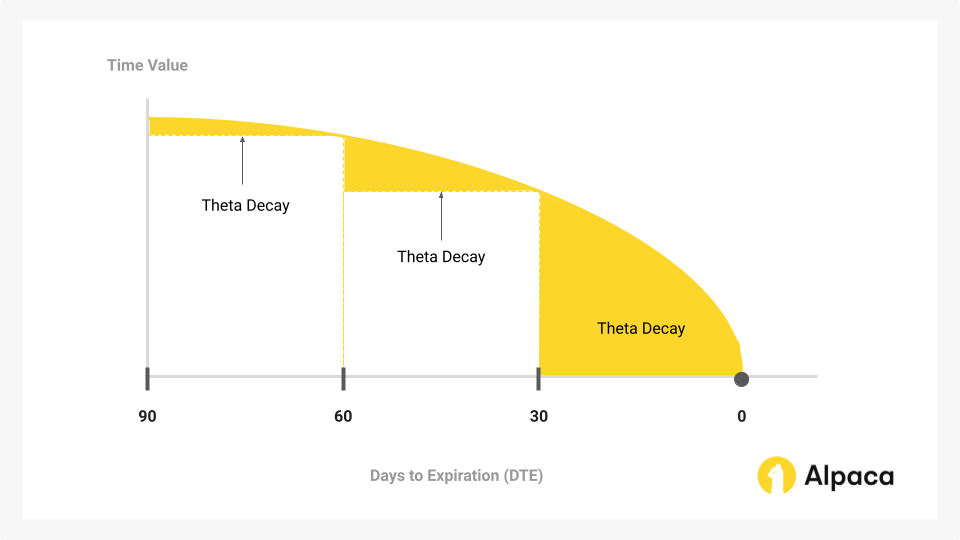
Chart: Time value is the primary component of an option that erodes over time and is at the core of 0DTE options trading.
Therefore, as a Delta One product, perpetual contracts derive their value by stripping away extraneous time and volatility costs, offering pure linear leveraged exposure that, from a mathematical standpoint, better aligns with the speculative needs of this capital than 0DTE options.
1.2 Enter Market 2: Non-U.S. CFD Markets
Outside the United States, retail leverage demand is primarily met by CFDs (Contracts for Difference), with the CFD market achieving an average monthly trading volume of $30 trillion in 2025.
Although CFDs offer a linear profit Delta One structure, their market operation model is based on a broker-dealer system, which presents significant transparency issues. The vast majority of CFD brokers operate on a B-Book (internal market-making) model, meaning the broker acts directly as the counterparty to the client’s trades (although some reputable securities firms hedge positions for profitable clients to manage risk, the top few CFD firms account for only 20% of the market, while the remaining 80% is dominated by numerous smaller brokers, many of whom rely on opaque practices and profit from client losses). Within this zero-sum structure and opaque black box, brokers possess both the technical authority and economic incentive to manipulate quotes, slippage, and execution speed.
Compared to CFD products, RWA Perps can also be understood as a “smart contract-based transparent CFD.” By on-chainizing liquidation logic, funding rate calculations, and oracle price feeds, DeFi protocols eliminate the possibility of centralized brokers interfering with trade outcomes. Meanwhile, the atomic settlement mechanism based on stablecoins enhances fund transfer efficiency to the second level, enabling true self-custody and real-time settlement.
II. Challenges in Building RWA Perps Products
RWA Perps are not merely a straightforward replication of the Perps we've previously seen that focus on crypto assets; while crypto assets feature 24/7 trading, real-time pricing, and T+0 on-chain settlement, traditional assets are constrained by the legal frameworks, holiday schedules, and outdated banking clearing protocols of the physical world.
The asynchronous nature of these underlying attributes forms the "impossible trinity" in RWA Perps product design:
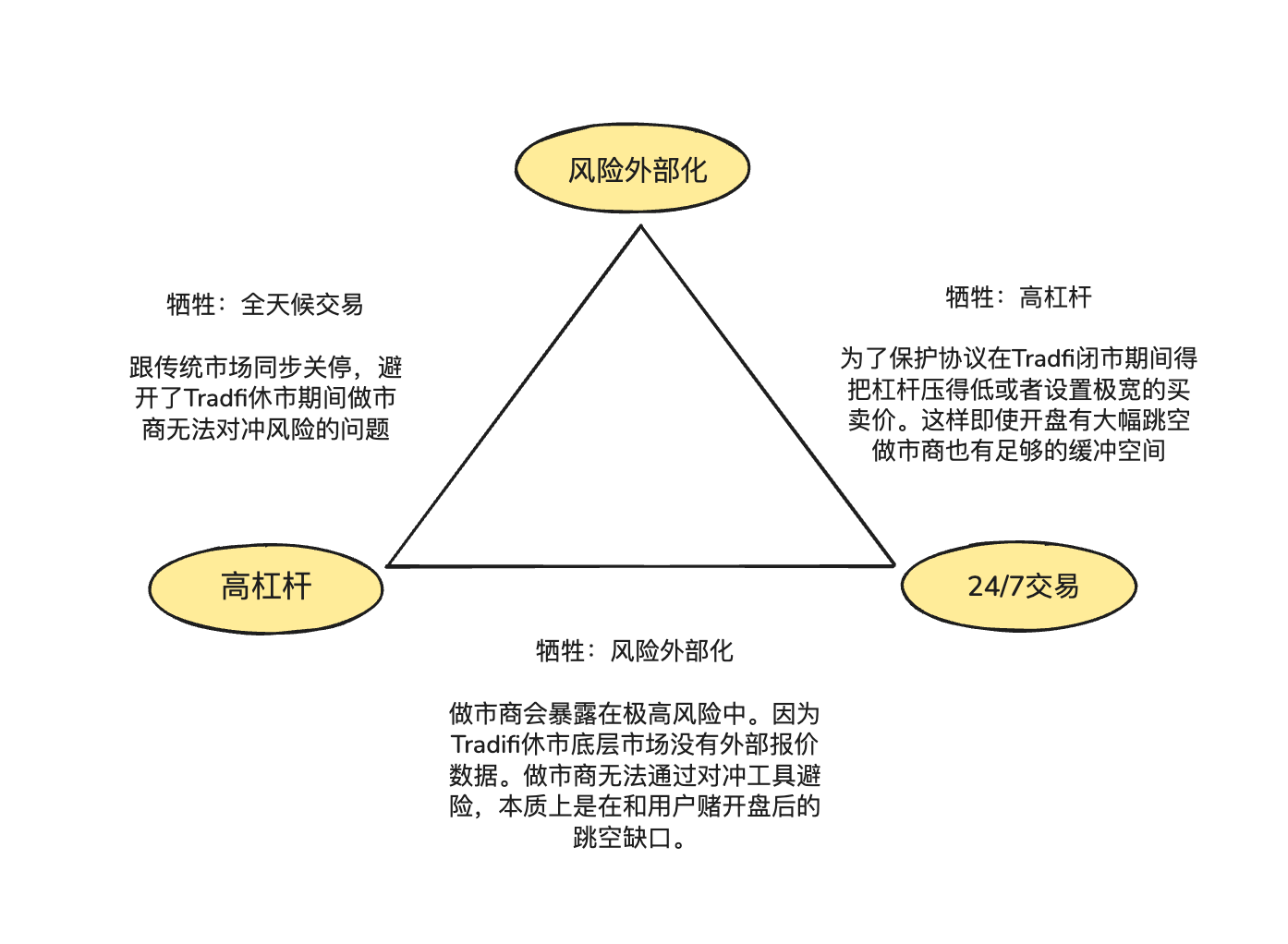
- High Leverage: Meets retail users' demand for high-leverage speculation.
- 24/7 Trading: Upholding the core value of DeFi — available anytime, anywhere.
- Risk Externalization: Ensure that the protocol and market makers do not bear directional speculative risk, enabling systemic long-term sustainability.
2.1 How is the on-chain price of RWA Perps anchored when the U.S. stock market is closed?
The nature of Perps products is a "mirror of price discovery," requiring a continuous stream of external spot price feeds. However, when Nasdaq or CME are closed on weekends and during nighttime hours, this causes disruptions in the oracle data sources.
This pricing vacuum and misalignment during U.S. stock market hours give rise to two core risks:
Risk 1: Market makers lack sufficient hedging channels during weekend market closures.
Professional market makers are able to offer extremely tight spreads and deep liquidity because they do not bet on direction but instead seek neutral positions, earning only the spread. This means that for every $1 million worth of Tesla stock contracts sold to traders on-chain, the market maker must immediately hedge this risk exposure by purchasing an equivalent amount of the asset in traditional spot or futures markets.
When traditional markets close and hedging channels are unavailable, market makers cannot adjust their hedging positions. To mitigate this risk, market makers can only choose to cancel orders or incorporate substantial risk premiums into their quotes during off-hours. This explains why the bid-ask spread in traditional order book models expands nonlinearly to tens of times its normal level over weekends, making liquidity dry-up highly likely.
Risk 2: The "gap risk" of opening significantly higher or lower on Monday
Due to the 24/7 trading nature of crypto-native assets, asset price curves are typically continuous, giving the liquidation engine sufficient time to close users' positions as prices decline. However, in the RWA Perps space, price pressure accumulated during traditional asset market closures is released instantaneously at Monday’s open. If a large gap occurs at Monday’s open, the liquidation engine may be caught in a vacuum during this “price gap,” unable to find a counterparty to execute liquidations before liquidation occurs.
To address the above challenges, there are currently two main approaches for RWA Perps:
- Internal simulated pricing (e.g., TradeXYZ / Hyperliquid): Introduces an Exponential Moving Average (EMA) algorithm to gradually "drift" the price based on on-chain buy and sell pressure when oracles are disconnected, maintaining a 24/7 facade, but still theoretically susceptible to manipulation as a "shadow market".
- Forced Risk Reduction (e.g., Ostium): This is a more pragmatic risk management approach. Ostium introduces a 0DTE feature: requiring all high-leverage positions to be automatically closed or significantly de-leveraged before market close. Only low-leverage positions (with sufficient margin buffer to absorb a 5%-10% gap) are permitted to hold overnight. This approach sacrifices some "permanence" in exchange for absolute system safety against Monday opening gaps, preventing LP pools from being systematically undermined by bad debt.
2.2 How to provide TradFi-level trading depth on-chain at low cost?
In DEX development, the choice between liquidity provision and order execution mechanisms is a core variable determining the system’s capital efficiency, risk allocation logic, and user experience. The two prevailing solutions today are: CLOB (Centralized Limit Order Book) and Oracle-based Pool.
Hyperliquid has validated the success of the order book model on crypto-native assets, centered on frictionless hedging execution: market makers can transfer risk across platforms in milliseconds using stablecoins. After receiving orders on the on-chain order book, market makers can execute millisecond-level risk hedging on 24/7 CEXs using stablecoins. Since crypto funds and assets operate within a highly interconnected crypto network, hedging costs are extremely low, enabling market makers to narrow bid-ask spreads significantly, attract trading volume, and create a positive feedback loop.
In the RWA space, market makers face significant cross-border hedging friction: on one hand, the timing mismatch between on-chain USDC (T+0) and traditional fiat settlement forces market makers to maintain large amounts of USD idle in traditional accounts as hedging reserves; on the other hand, traditional banks' weekend and holiday closures prevent market makers from hedging promptly during unexpected market movements on non-business days.
This is why Ostium’s founder, Kaledora, has consistently advocated for a pool-based model over an order book model, as she believes the frictionless hedging inherent in crypto-native asset exchanges is difficult to achieve in the RWA perps space—when market makers take an NVDA order in RWA perps, they cannot instantly hedge against Nasdaq using stablecoins in milliseconds, due to the numerous barriers posed by traditional banking channels.
2.3 When traders consistently profit from one-sided market movements, how does the system ensure it does not go bankrupt?
The third challenge involves how the protocol ensures long-term solvency through external hedging. GMX’s pool model has been able to sustain itself in the crypto market because it acts as a “passive market maker,” leveraging statistical advantages from large sample sizes to consistently capture funding costs and liquidation profits generated by highly leveraged positions in a highly volatile environment. In a crypto market characterized by pronounced volatility, this model’s mathematical expectation is favorable for liquidity providers in the pool.
However, the risk profile of RWA assets is markedly different. Major indices like the S&P 500 often experience prolonged, one-sided bull markets lasting several years. Without externalization mechanisms (hedging), users' sustained profits directly translate into net losses for the LP pool, causing the system not only to fail to capture volatility gains but also to be completely drained by one-sided positions, ultimately leading to insolvency.
Three: Representative project and architecture comparison: Oracle pricing + Pool-based vs. Order book
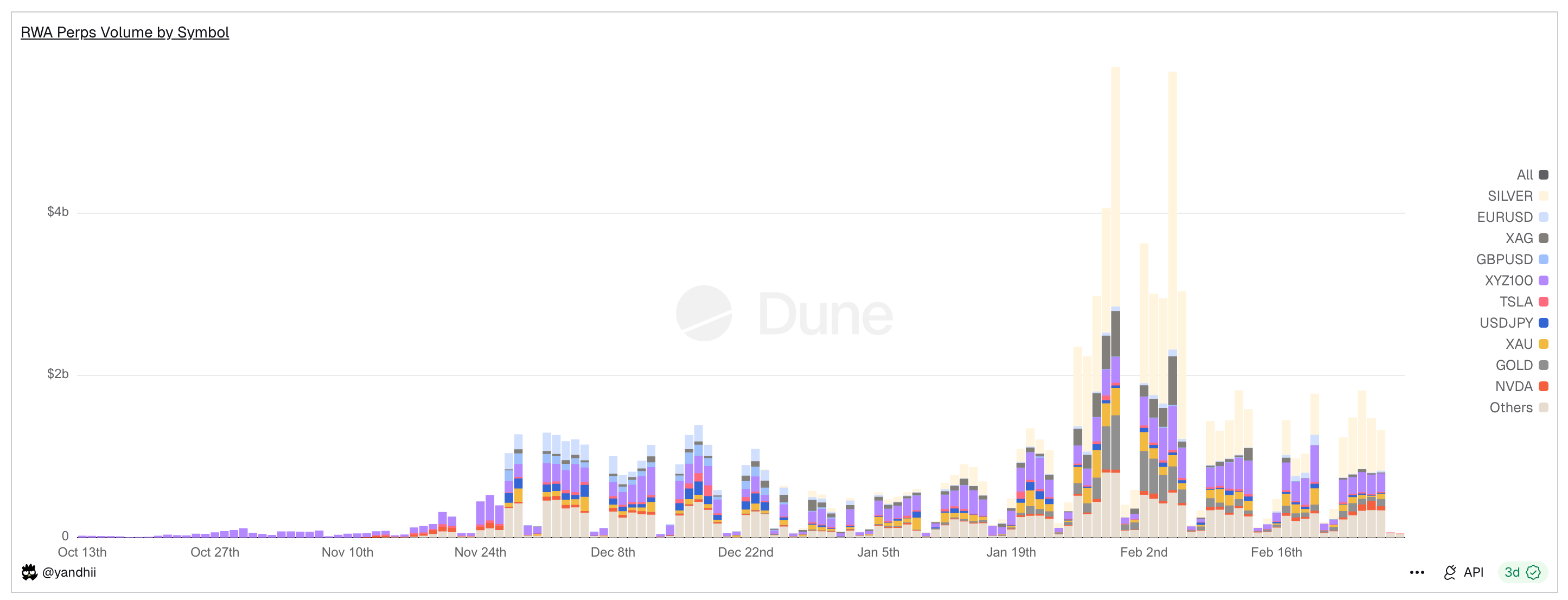
Chart: RWA Perps Dex daily trading volume, showing a sharp decline in volume over the weekend
The core contradiction of RWA Perps has always revolved around the "fracture of physical time": although various RWA Perps DEX platforms have generated over $20 billion in trading volume within 30 days, trading volume plummets by 70-90% during weekends. This data reveals the industry’s current reality: despite DeFi’s attempt to break free from the gravitational pull of traditional finance, liquidity remains heavily dependent on TradFi trading hours.
In response to this gap, the market has evolved two distinct architectural paradigms: the Active Hedge Pool model, exemplified by Ostium, and the Internal Pricing CLOB model, represented by Trade.xyz on the Hyperliquid ecosystem.
3.1 Early RWA Perps Projects: Synthetix, Gains Network
Before Ostium and Hyperliquid attempted to trade RWA through complex hedging mechanisms or order book restructurings, the DeFi market had already conducted its first wave of experiments with synthetic assets. Early protocols such as Synthetix and Gains Network validated the concept of RWA Perps, demonstrating strong on-chain demand for exposure to traditional assets, while also fully revealing the limitations of first-generation mechanisms in terms of capital efficiency and risk management.
Synthetix: Global Debt Pool Model
Synthetix is one of the earliest protocols to attempt bringing real-world asset prices on-chain. Between 2020 and 2021, Synthetix aggressively attempted to launch mirrored stocks such as sAAPL and sTSLA, aiming to bring U.S. equities on-chain.
As the pioneer of the "pool counterparty" model (where all SNX stakers serve as counterparties), Synthetix was designed to create a order-book-free, infinitely liquid exchange model: all synthetic assets are freely exchanged at prices provided by oracles, eliminating the need for users to match counterparties—a key advantage in solving early liquidity bootstrapping challenges (particularly relevant during the initial adoption of liquidity mining incentives).
Synthetix delisted most RWA assets after 2021, primarily due to the lack of an active hedging mechanism at the protocol level, making assets like sTSLA vulnerable to attacks when prices cannot be updated during market closures.
Overall, Synthetix pioneered a model that provided on-chain liquidity for RWA mirror assets using a derivatives collateral pool; its order-book-free design with oracle pricing continues to be influential today, but the product has effectively exited the RWA Perps market since around 2022.
Gains Network (gTrade): Oracle-priced liquidity pool model
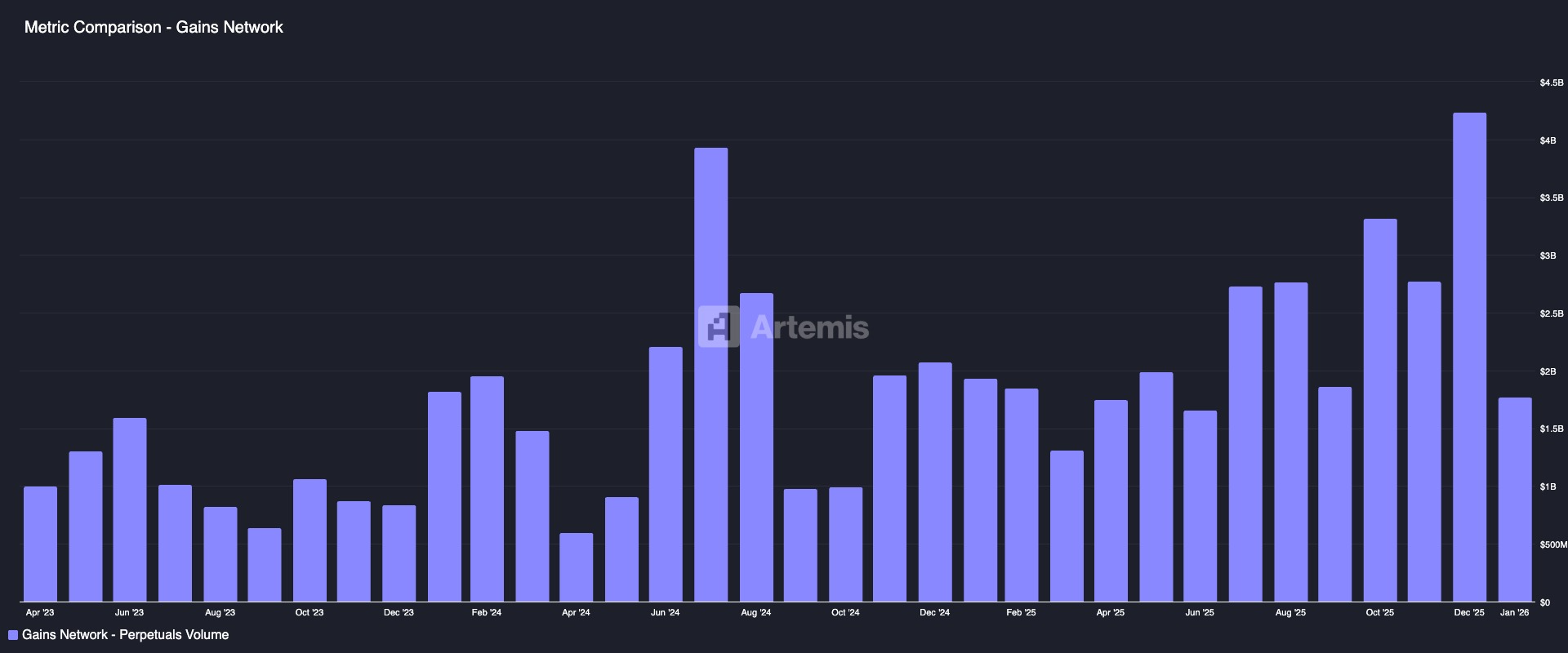
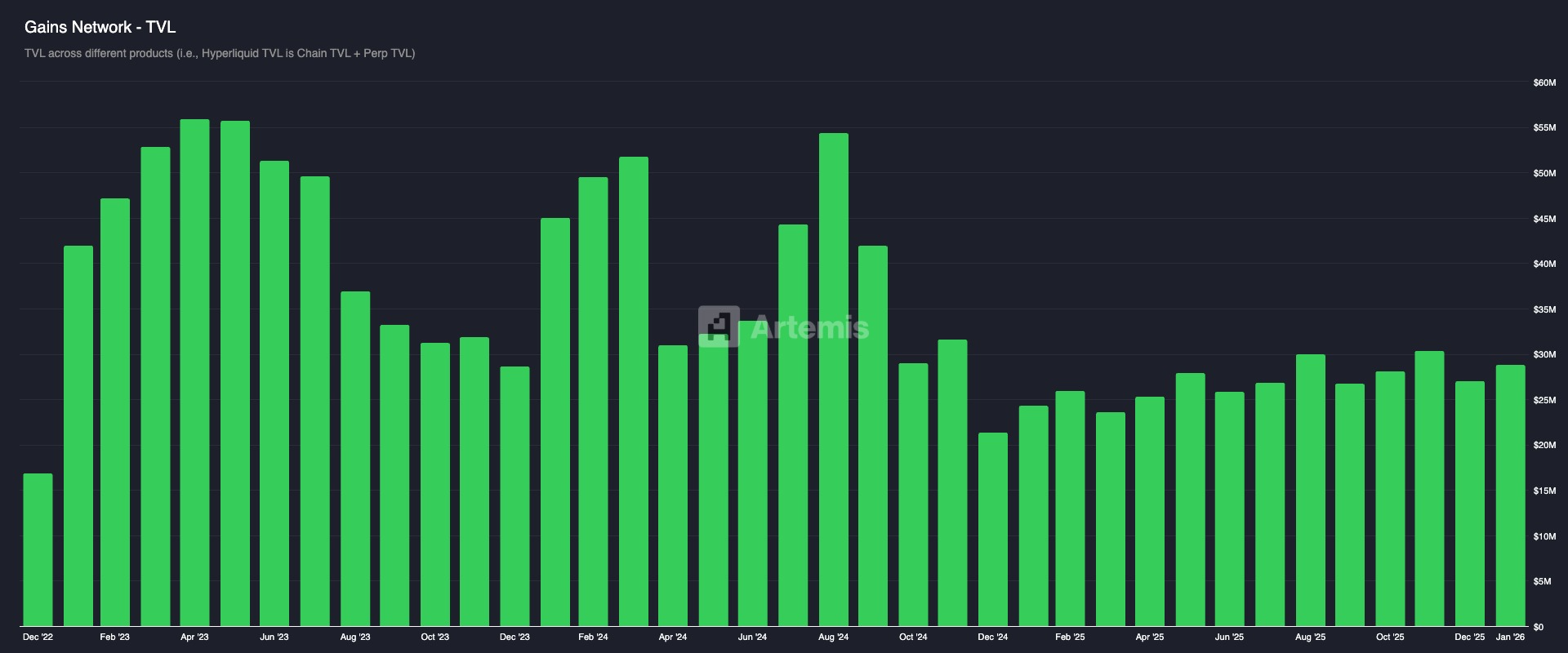
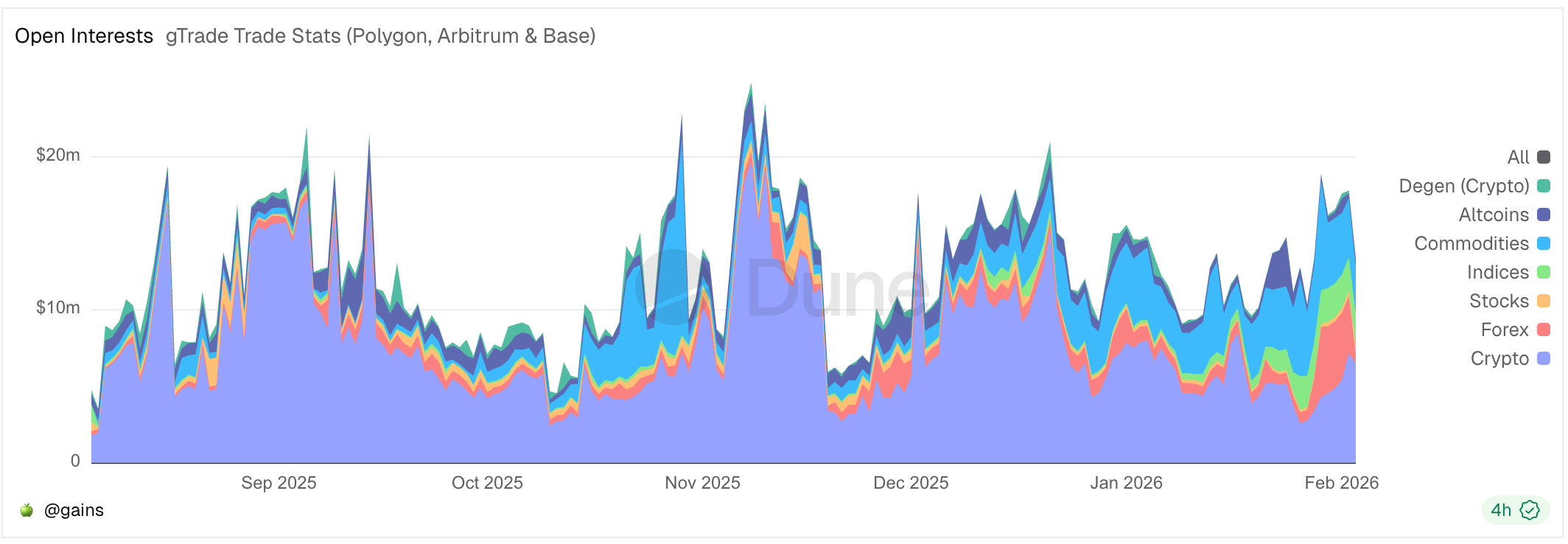
Gains is another representative project that early explored on-chain RWA synthetic leveraged trading, supporting multiple trading pairs including cryptocurrencies, forex, and U.S. stocks. Its design employs independent asset pools as counterparties: users open synthetic leveraged positions by collateralizing USDC, DAI, or ETH, and the gains and losses of trades are absorbed by the asset pool (gToken Vault).
- Liquidity Model and Market Making Game Mechanism:
- Single-sided vault: The Gains market-making pool primarily consists of stablecoins such as USDC/DAI.
- The GNS token serves as a risk buffer and incentive: To prevent liquidity pools from being liquidated during extreme market conditions, the protocol introduces the GNS token as a final line of defense. When the liquidity pools generate surplus profits, the protocol uses those excess earnings to repurchase and burn GNS tokens, reducing inflation. When the liquidity pools incur losses, the system mints additional GNS tokens and sells them over-the-counter to replenish liquidity.
For pricing, Gains uses Chainlink to obtain real-time prices and applies a fixed spread, with the spread income distributed as fees to LPs and GNS stakers. For risk management, it incorporates design elements such as price impact fees (additional charges on large orders to simulate slippage and compensate the liquidity pool for risk) and circuit breakers (setting upper and lower limits on single-trade profits and losses to enforce mandatory take-profit or liquidation).
Overall, Gains offers a highly leveraged, multi-market synthetic trading experience and is regarded as one of the key examples of a decentralized exchange benchmarking against centralized platforms, demonstrating that the "oracle + liquidity pool" model can support large-scale trading under proper risk management. However, it also reveals challenges such as the liquidity pool bearing concentrated profit risks and the absence of hedging mechanisms—issues that provide valuable insights for future project design innovations.
3.2 Ostium: Break through the limitations of pool-based models to create a on-chain CFD broker
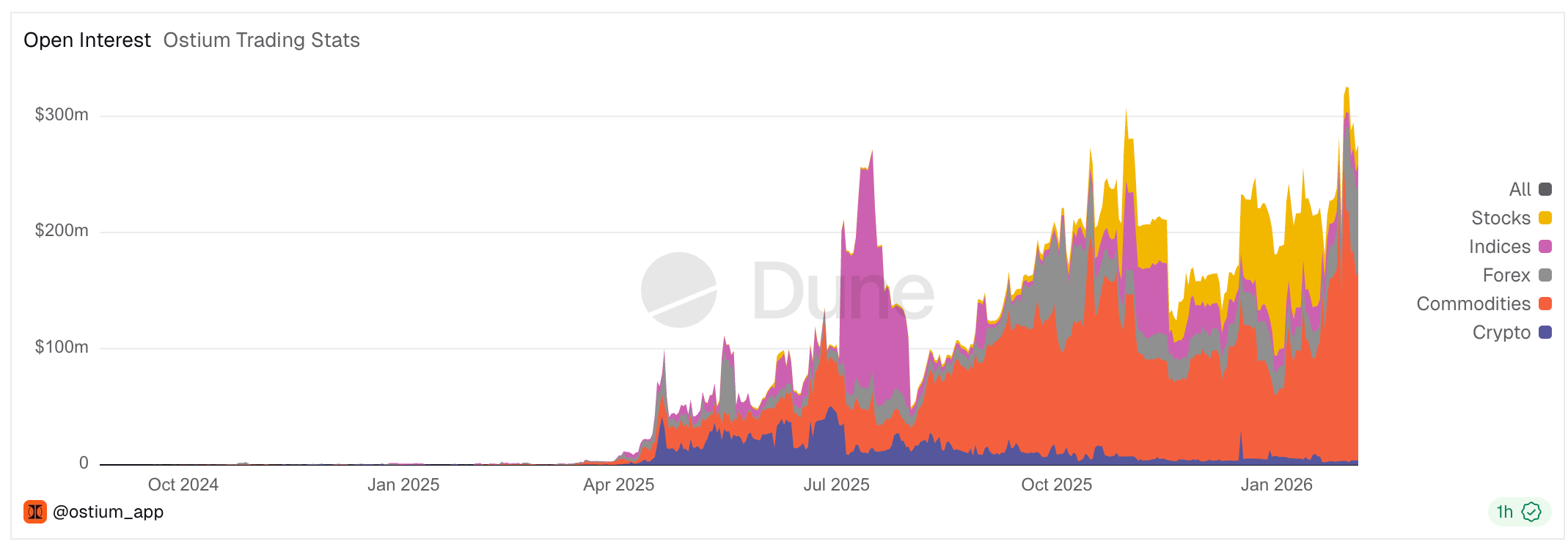
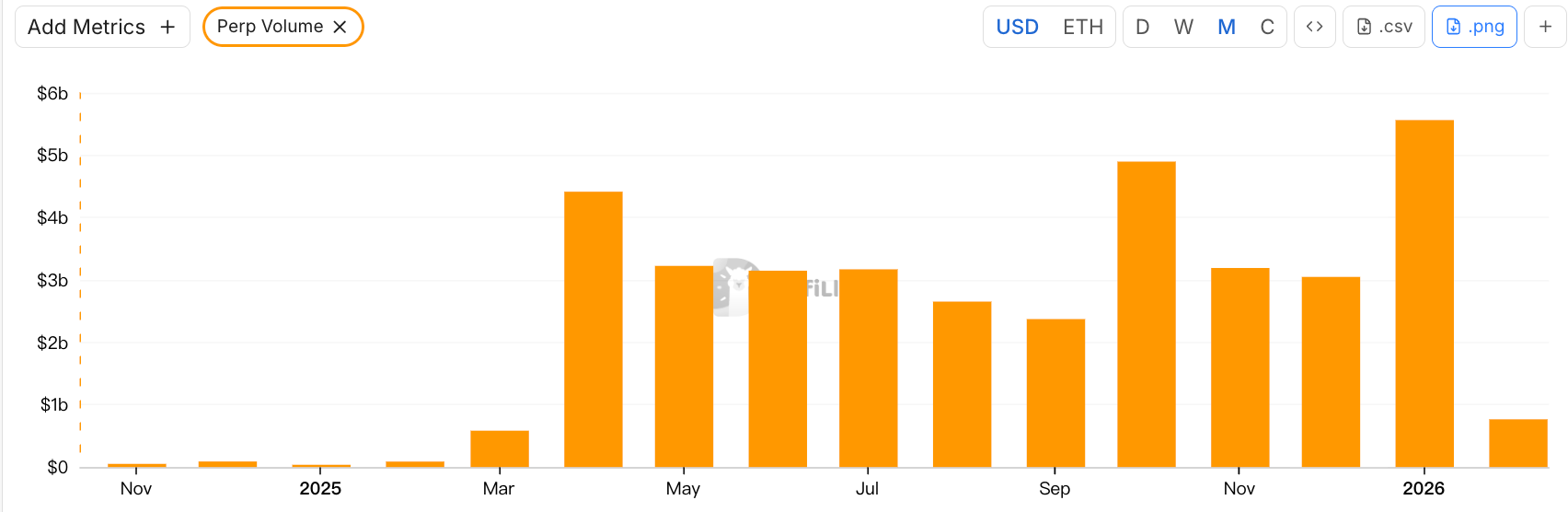
Ostium is a rising RWA Perp DEX that officially launched on Arbitrum mainnet in August 2025. In terms of liquidity provision and order execution, Ostium still adopts a pool-based model as its core architecture. However, drawing insights from earlier models like GMX and Gains Network, they deeply recognized that the traditional pool model’s adversarial dynamic—where traders’ profits directly equate to LP losses—has long been unfavorable to LPs and, more importantly, has capped trading volume and constrained market growth (as analyzed in our previous Perp DEX research). To alleviate this zero-sum conflict, Ostium has implemented unique designs that integrate on-chain A-Book (hedging) and B-Book (internal matching) mechanisms traditionally used by brokerage firms.
Interpretation of the liquidity model and market-making game mechanism
- Basic Liquidity Model (Two-Layer Pool Architecture)
- Primary Buffer: Liquidity Buffer — This is the protocol’s “moat,” built from accumulated protocol revenue. Trader profits are paid out from here first, and losses also enter here first. Although the underlying mechanics differ, its role is similar to the market maker cushion in Gains Network.
- Secondary buffer: Market-making vault (OLP Vault) — This is a pool funded by LPs. The OLP only steps in as a direct counterparty when the Liquidity Buffer funds are exhausted.
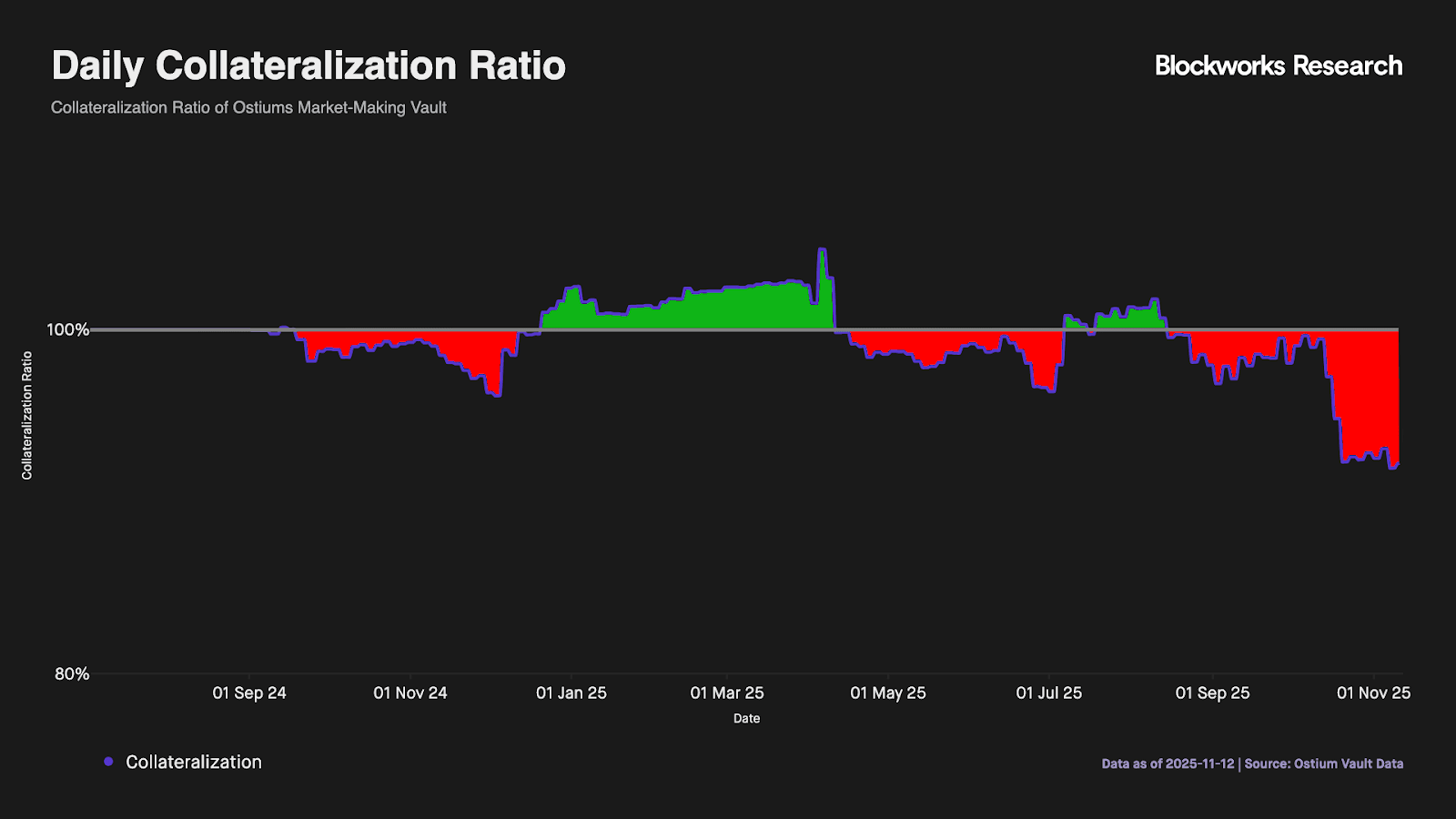
- The core evolution overcoming the primary limitations of the original pool-based model: fully separating "settlement" from "market making." Ostium recognizes that the simple two-tier buffer system cannot address long-term directional imbalances (data shown below confirms this—liquidity buffer funds are easily depleted; with only these two foundational layers in v1, LPs still face prolonged directional risk). To address this, Ostium introduced a more critical design—completely decoupling the settlement and market-making functions from the original passive LP pool.
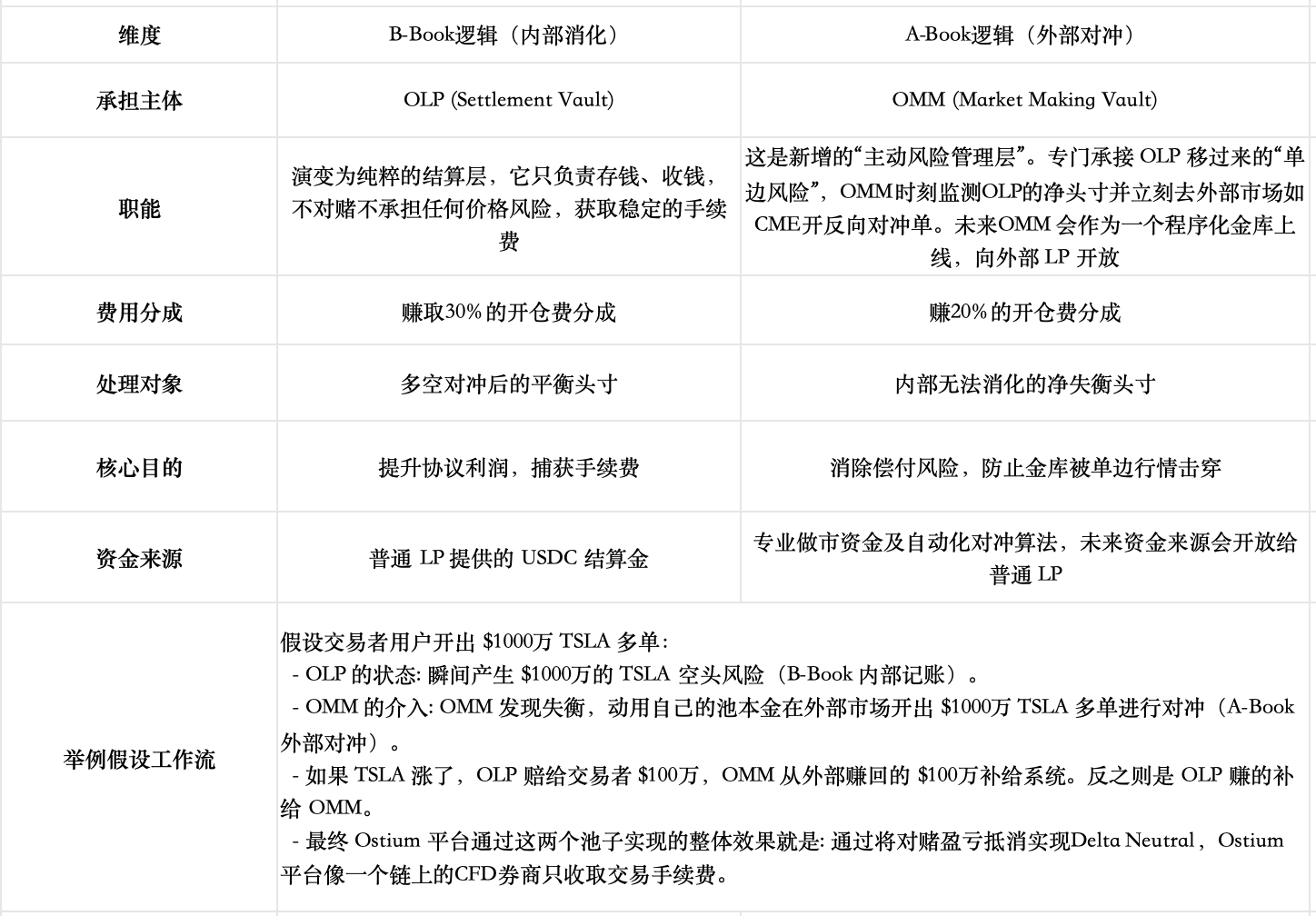
The OMM market-making hedging treasury has not yet been officially launched. When handling high trading volumes, the product will require a professional market-making team with exceptional execution capabilities—these remain significant challenges: the team must not only possess compliant institutional credentials aligned with traditional finance but also achieve millisecond-level cross-market hedging to mitigate basis risk between oracles and live market prices; additionally, they must have robust capital allocation capabilities to overcome maturity mismatches in on-chain fund flows, and be able to monitor Delta net position imbalances in real time, dynamically adjusting bid-ask spreads or impact fees for precise risk control and flow management.
Risk management during market closure
Ostium aligns with U.S. stock market trading hours and uses oracle-integrated timestamps to ensure market orders are executed only during market open, effectively eliminating price vacuum risks during non-trading hours. To address common gap risks in U.S. stocks, the platform implements strict "liquidation checkpoints": 15 minutes before daily market close, the system automatically liquidates positions with leverage ratios exceeding a threshold (e.g., 10x), bringing intraday leverage as high as 100x back into a safe range.
Why didn't existing pool-based projects like GMX implement a similar design?
GMX has consistently maintained its pool model without separation of direction risk, primarily due to the significant trade-offs involved and differing market fundamentals: the current design already achieves relative balance through internal mechanisms such as adaptive funding fees, price impact, and long/short pool separation. Introducing an external or independent hedge vault would compromise yields, increase complexity, and elevate centralization risks. Additionally, GMX’s pool effectively assumes the aggregated exposure of all traders; in the highly volatile crypto market, individual random bets statistically tend toward negative expected value, allowing the pool—as the collective counterparty—to capture positive expected value. In contrast, Ostium focuses on RWA markets such as equities, which exhibit significantly lower volatility, and aims to enter the traditional CFD brokerage market.
Additionally, in August 2025, a proposal titled Global Hedge Vault (GHV) was introduced on the GMX governance forum, aiming to incorporate external market makers to achieve a Delta Neutral-like mechanism, indicating that other Pool-Based projects are also paying attention to this emerging trend.
Why use a pool model instead of an order book?
Ostium founder Kaledora has a clear theoretical rationale for why she insists on choosing Pool Based and does not allow weekend trading. She has previously faced backlash from the Hyperliquid community for criticizing order book projects like Trade, which experienced absurd extremely high funding rates during weekends.
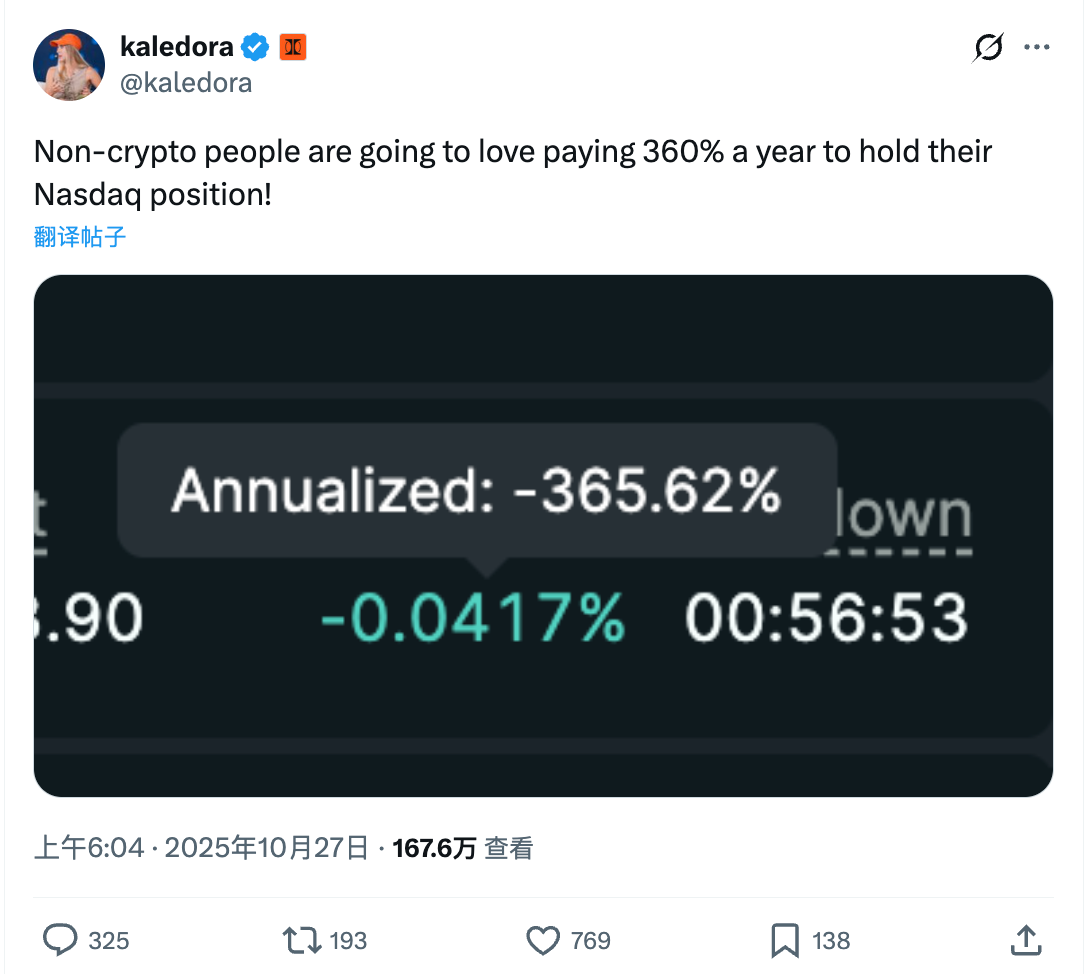
Chart: Ostium founder points out that Trade.xyz, which operates during traditional market hours, experienced skyrocketing funding rates over the weekend.
Her theory is that the limitations of traditional pool-based models—such as LPs bearing directional risk and system capital constraints limiting trade volume—have been resolved by her new design. By introducing a hybrid risk management system of A-Book and B-Book, unilateral risk is real-time transferred to a globally liquid, infinitely scalable market. Once unilateral risk is technically neutralized, open interest is no longer constrained by pool size, and the protocol’s trade volume ceiling becomes entirely dependent on its distribution capacity—similar to the business model of top-tier CFD brokers.
In contrast, she believes the core function of an order book is price discovery, which makes sense for crypto-native assets but represents a massive waste of resources in the RWA space. Because stock and forex prices are already perfectly discovered in real time at top global exchanges like Nasdaq and CME, creating another on-chain order book means competing against these trillion-dollar giants in an “anemic” environment—a dimensional disadvantage in liquidity that makes any large trader prefer a broker model that references global prices over an order book with alarming slippage.