


Michael Saylor’s company Strategy disclosed during its Q1 2026 earnings call that it may sell a portion of its Bitcoin holdings, marking a notable shift in tone from the firm long known for its aggressive accumulation strategy.
The statement came as part of Strategy’s first quarter 2026 financial results, published on May 5, 2026. The language used was conditional, with the company indicating it “may sell” rather than confirming a completed or fully approved transaction.
The distinction matters. “May sell” signals that a partial sale is under consideration as part of broader treasury planning, not that Bitcoin has already left the company’s balance sheet. Investors parsing earnings-call language should weigh the conditional framing before drawing conclusions.
KEY POINTS
- What was said: Strategy indicated during its Q1 2026 earnings call that it may sell a portion of its Bitcoin holdings.
- Scope: The potential sale covers only a portion of its holdings, not a full exit from its Bitcoin position.
- Takeaway: The remark reflects a conditional possibility disclosed in a corporate earnings context, not a confirmed liquidation event.
What the Q1 2026 Earnings Call Actually Revealed
Strategy, formerly MicroStrategy, has built its corporate identity around Bitcoin accumulation. The Q1 2026 earnings presentation introduced language suggesting the company is at least evaluating partial sales as a treasury management tool.
The phrasing “portion of its Bitcoin holdings” is deliberate. It separates this scenario from a full unwinding of Strategy’s Bitcoin treasury, which would carry far larger market implications. A partial sale could serve multiple purposes: covering operational expenses, managing debt obligations, or rebalancing the company’s asset mix.
Bitcoin’s current market price provides context for the scale of any potential sale by Strategy, which holds one of the largest corporate Bitcoin treasuries in existence.
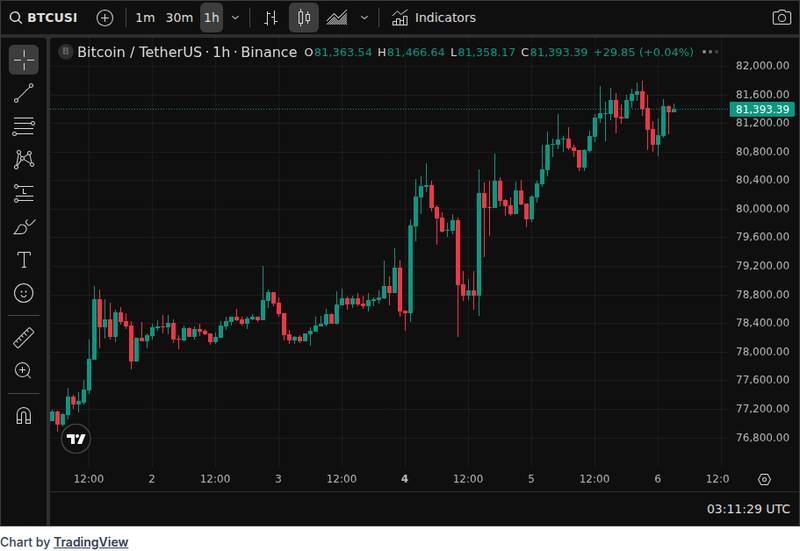
No specific quantity, timeline, or trigger conditions were detailed in the disclosure. Without those specifics, the statement functions as a forward-looking risk disclosure rather than an actionable plan.
Why a Partial Sale Differs From a Full Exit
For investors tracking Strategy’s Bitcoin exposure, the difference between selling a portion and exiting entirely is substantial. A partial sale would reduce the company’s Bitcoin-weighted balance sheet risk while maintaining its core thesis that Bitcoin is a long-term treasury reserve asset.
A full exit would signal a fundamental strategic reversal. The way treasury vehicle decisions at firms like Hyperliquid can reshape market perceptions of commitment to a native asset illustrates how closely investors watch corporate treasury positioning.
The conditional nature of the statement also raises questions about what would trigger a sale. Companies typically sell treasury assets to address liquidity needs, meet debt covenants, or respond to shareholder pressure. Strategy’s subsequent filings should clarify which, if any, of these factors are in play.
Broader corporate Bitcoin treasury management has become a more active topic in 2026, with firms weighing accumulation against balance-sheet flexibility. This is playing out across the industry, from large acquisition deals reshaping corporate crypto strategies to governance debates about risk management in DeFi protocols.
Any actual sale from Strategy’s treasury could also shift exchange reserve dynamics for Bitcoin, a metric closely watched by on-chain analysts tracking institutional flows.

The next concrete signal will likely come from follow-up filings or subsequent earnings calls where Strategy provides more detail on whether the conditional language translates into actual Bitcoin sales.
Disclaimer: This article is for informational purposes only and does not constitute financial or investment advice. Cryptocurrency and digital asset markets carry significant risk. Always do your own research before making decisions.