








Hidden Financial War? Iran Uses Stablecoins to Collect Strait Toll Fees
Original author: Ma He, Foresight News
On April 2, Deputy Foreign Minister Gharibabadi publicly confirmed at a routine press conference in Tehran that all ultra-large oil tankers passing through the Strait of Hormuz must pay tolls to the Islamic Revolutionary Guard Corps (IRGC), explicitly excluding the US dollar as a settlement channel. This statement formally institutionalizes longstanding rumors within the shipping industry—Iran is no longer content with traditional tools of geopolitical maneuvering, but is turning its control of the strait into a financial experiment targeting dollar hegemony.
The implementation speed of the fee structure has exceeded market expectations.
Bloomberg, citing internal documents of the Islamic Revolutionary Guard Corps Navy, reported that the system was technically deployed by the end of March. Iran has chosen only two methods to receive toll payments: RMB wire transfer or settlement in USD stablecoins via a decentralized network.
The Iranian customs authority has established a dedicated cryptocurrency exchange window on Qeshm Island to ensure funds are quickly converted into rials or transferred to overseas accounts upon receipt.
This arrangement has been carefully designed.
Traditional international shipping settlements rely on the SWIFT network and correspondent banking systems, and any transaction involving Iran triggers secondary sanctions from the U.S. Department of the Treasury. In contrast, the combination of the Cross-Border RMB Payment System and public blockchain networks creates a parallel channel that bypasses dollar monitoring.
According to Braemar, a London-based shipping broker, at least two oil tankers flying obscure flags completed payments in renminbi and safely passed through the strait by the end of March. The Iranian Parliament’s National Security Committee’s passage of the “Hormuz Strait Transit Management Act” on March 30 provided further domestic legal backing for this mechanism.
Notably, Iran will also implement differentiated fee pricing for vessel tiers based on geopolitical affiliations.
Bloomberg, citing insiders, reported that oil transit fees for the Strait of Hormuz start at $0.50 per barrel, with five tiers based on the relationship with different countries.
The first tier is the ally special rate, at $0.5–$0.7 per barrel for China and Russia, with a dedicated green channel that allows free passage upon regular reporting.
The second tier consists of friendly partners, such as India and Pakistan, at $0.80–$0.90 per barrel.
The third tier consists of neutral countries—Africa, Southeast Asia, and Latin America—subject to a $1 per barrel fee, requiring declaration and clearance after inspection confirms the absence of hostile assets.
Tier four consists of high-risk countries with close ties to the United States but no hostile actions toward Iran, such as Japan and South Korea, as well as many EU nations, with a fee of $1.2–$1.5 per barrel; Iran requires full monitoring, and approval queues may take significantly longer.
Tier 5 includes the United States, Israel, and its allies—access is prohibited.
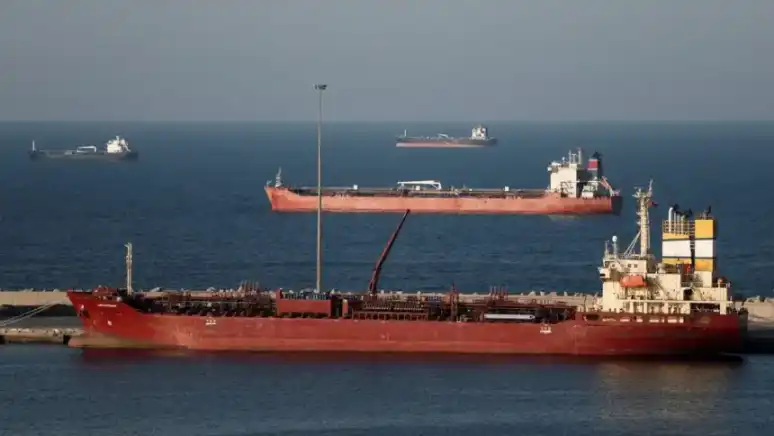
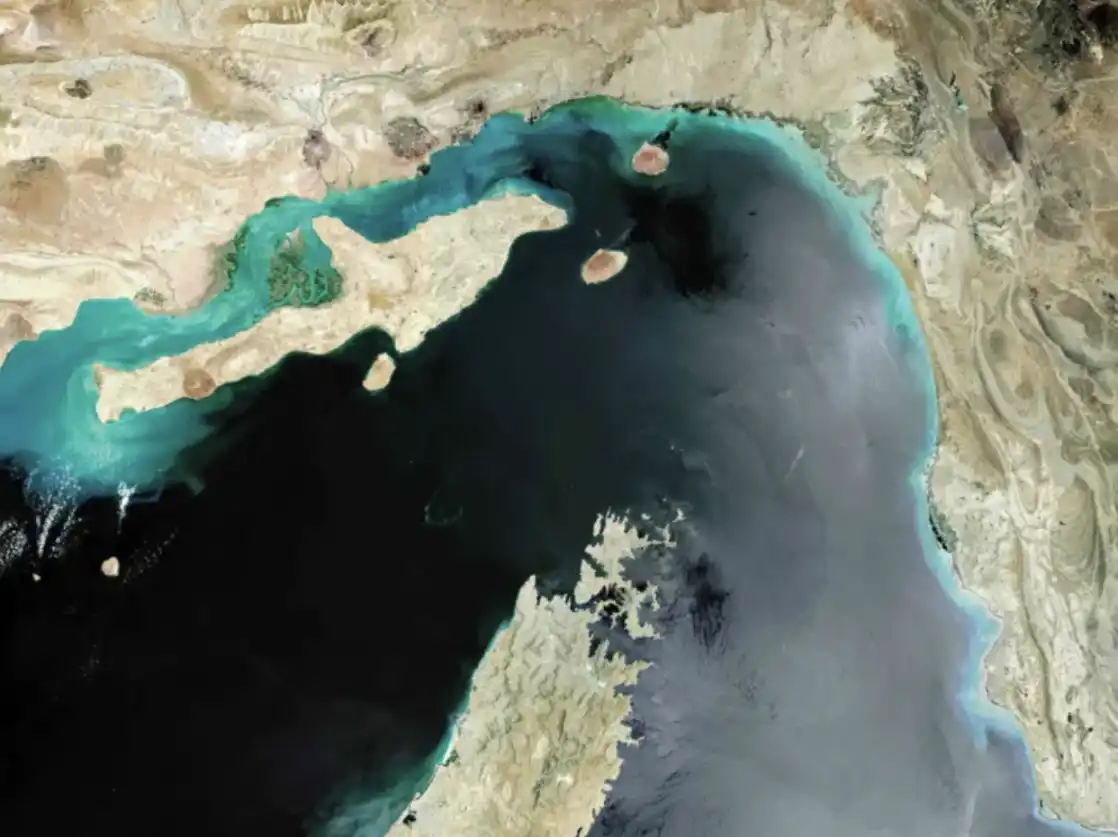
Once the ultra-large crude carrier has paid the toll, the Islamic Revolutionary Guard Corps will issue a license code and route instructions. The vessel must fly the flag of a country with which a transit agreement has been negotiated, and in some cases, must officially re-register its flag state to that country. As the vessel approaches the Strait of Hormuz, it must broadcast its transit code via VHF radio, after which a patrol boat will intercept it and escort it through the strait along the coastline, between a group of islands known to industry insiders as the "Iranian toll booths."
This is the first time a sovereign nation has integrated a stablecoin into its strategic payment infrastructure.
Unlike El Salvador’s symbolic move to legalize bitcoin, Iran’s decision is enforced at a commercial scale. The strait handles 21% of global crude oil shipping, with dozens of vessels passing through daily.
If this mechanism continues to operate, it is estimated that over $20 billion in stablecoins will flow annually through Iranian-controlled digital wallets, forming a gray liquidity pool protected by sovereign powers.
The deeper impact lies in the ripple effects on marine insurance and trade finance. The International Group of P&I Clubs has issued an internal alert, warning that payments to the IRGC could trigger sanctions compliance risks under EU and UK regulations, potentially invalidating insurance policies. This forces shipowners to make a brutal choice between shipping economics and legal risk: detouring around the Cape of Good Hope adds 15 days to voyages and tens of thousands of dollars in fuel costs, while paying cryptocurrency tolls risks account freezes. Some commodity traders are beginning to attempt rerouting through Pakistani intermediaries; Islamabad has recently announced permission for 20 international tankers to fly the Pakistani flag, effectively creating an offshore outsourcing channel for the Iranian system.
Iran is not the only country doing this. Russia has previously announced a similar fee policy for the Northern Sea Route and has publicly considered accepting cryptocurrency payments. This digital financial logic of turning geographic hubs into nodes is reshaping the payment infrastructure of global energy trade.
When merchant ships complete USDT settlements via on-chain protocols at the Qeshm Island anchorage, they are not merely paying a toll—they are systematically dismantling the remnants of the Bretton Woods system.
The vulnerability of this experiment is equally apparent. Since USDT/USDC remain essentially pegged to the U.S. dollar and are subject to OFAC tracking, the challenge lies in how the shadow entities established by the Islamic Revolutionary Guard Corps can大规模 "decentralize" their conversion into physical assets or fiat currency (rial). However, as long as Iran maintains its geographic monopoly over the Strait of Hormuz, this financial war mediated by cryptocurrency will continue to rewrite the rulebook of global trade.
Click to learn about the open positions at BlockBeats
Welcome to the official BlockBeats community:
Telegram subscription group: https://t.me/theblockbeats
Telegram community: https://t.me/BlockBeats_App
Official Twitter account: https://twitter.com/BlockBeatsAsia