





TL;DR:
- The protocol removes more than 33,000 HYPE tokens from circulation daily, projecting an annual reduction of over 12 million units.
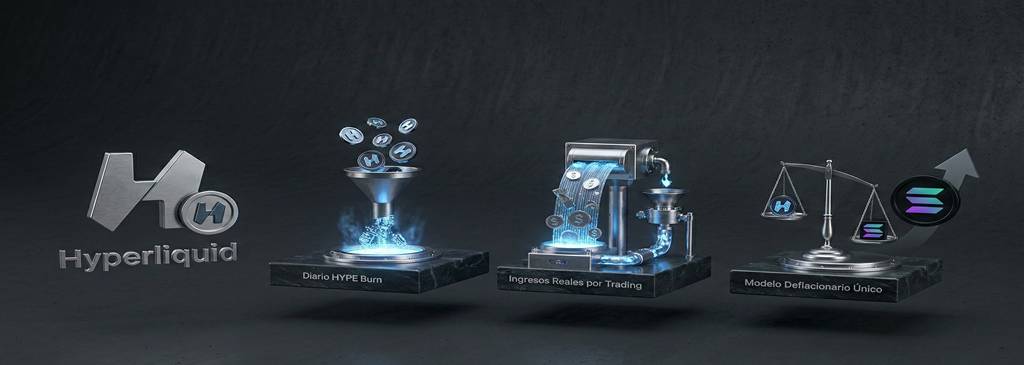
- Unlike inflationary networks such as Solana, Hyperliquid’s model utilizes real trading revenue to fund asset buybacks.
- The “flywheel” mechanism directly links trading volume to burn intensity, protecting the ecosystem’s value.
Hyperliquid’s aggressive scarcity strategy has captured the crypto market’s attention, especially after it was confirmed that the daily HYPE burn on HyperCore exceeded industry expectations. Last Monday, the protocol repurchased over 60,000 units, resulting in a definitive net outflow of 33,939 tokens after validator rewards were distributed.
Deflation
— Hyperliquid Hub
On March 2, 2026, HyperCore repurchased 60,737 HYPE at an average price of approximately $32.07.
On the same day:
26,798 HYPE were distributed as rewards to stakers and 24 validators
Net Effect
60,737− 26,798 = 33,939 HYPENet tokens permanently removed from… pic.twitter.com/mwIbHMqhRB
(@Hyperliquid_Hub) March 3, 2026
This rate of deflation places the project in an exceptional category among Layer 1 networks, as it does not rely on new token emissions to incentivize the network. Instead, it uses cash flow generated from commercial transactions to withdraw liquidity from the market, creating constant positive pressure on the circulating supply.
A Deflationary Strategy Challenging Layer 1 Giants
To maintain security, competitors like Solana uphold high annual inflation rates, whereas Hyperliquid reduces its monetary base. It is estimated that if this trend persists, the network could eliminate more than 12.2 million tokens per year, fundamentally shifting HYPE’s tokenomics compared to its direct rivals.
Consequently, this “flywheel” model is fueled by increased volume in HIP-3, generating higher revenues that, in turn, fund more massive buybacks. Therefore, the system adjusts organically to volatility, intensifying buybacks when prices drop to stabilize the ecosystem.
In summary, success will depend on the long-term sustainability of trading volume, which has already pushed the price of HYPE up by 18% in the last week. Investors are now closely watching whether this burn rate will solidify Hyperliquid as the most efficient and deflationary financial infrastructure in the Web3 sector.