






Author: danny
A friend asked me why I seem to know everything about every topic. Aside from past experiences or current activities, more often than not, I’m learning on the spot. Today, I’ll share how I use AI tools and NotebookLM to build my self-learning journey as an ordinary person.
First of all, I want to say that this article is aimed at: systematically and structurally learning and understanding a specific field, topic, or concept, and building your own knowledge system and map. If you only need a basic understanding of some concepts—just knowing what this xx is—then asking mainstream AI tools available today would likely suffice.
Using AI to learn about something new currently has several bottlenecks and limitations:
First is hallucination: AI (most likely) will give you fabricated data and information, especially in niche areas, due to insufficient training data and learning materials;
Second, there aren't this many details because, due to copyright and other issues, AI cannot independently read entire articles or books; training materials are generally reviews and comments from others, and information in niche fields is especially scarce;
Third, without a precise description of the issue, if you have no prior exposure to this topic, you likely won’t be able to clearly articulate what you want to understand, nor grasp the causes and effects behind these matters, let alone systematically and structurally gather information or build a structured learning framework.
Theory section
My approach is actually quite simple: I use academia’s “citation network” to refine information, then leverage AI’s ability to provide evidence and think divergently, engaging in a kind of left-right brain “internal debate” to systematically understand something new.
Short version workflow:
Find valuable papers - Add them to NotebookLM - Use AI tools to generate prompts - Ask and learn within NotebookLM - Add more valuable papers to NotebookLM - Learn within NotebookLM - Repeat this process
Advanced workflow:
Step 1: Follow the trail (Time required: 0.25 hours)
Don’t search for “What is XX, how does it work?”—instead, go straight to the “anchor” of the field.
Call AI (Gemini / Perplexity): Ask directly: "In [specific field], who are the three universally recognized pioneers? What are the 1-3 highly cited classic papers that laid the foundation for this field?" (e.g., in the LLM field, identify papers such as "Attention Is All You Need"). Represents the "present life".
Download first-order literature: Extract the references from these 1–3 core articles and download all the core literature they cite. Represents the "previous life".
Extract high-frequency second-order literature: Cross-reference the references in first-order literature to identify the top 5 articles most frequently cited, ranked among the top 10 by citation count.
Core logic: Seeing the world through the master’s eyes is the lowest-cost shortcut. Don’t underestimate this step—you’re downloading the most essential map of思想 evolution in this field over the past decades.
Step 2: Build a structured knowledge base (Time required: 0.25 hours)
Upload all the classic papers selected in the first step to Google NotebookLM at once.
Generally, for classic articles, these two are sufficient: https://scholar.google.com/ or https://arxiv.org/
Why NotebookLM? Because it never hallucinates. It only answers questions based on the materials you provide.
Through rigorous literature screening, you manually filtered out junk information from the internet, creating a pure, highly focused knowledge base for this field.
Step 3: Left-right sparring between different AIs (Duration: 1–3.5 hours)
This is the core of the workflow. You have AIs with different characteristics cross-examine each other within your knowledge base, creating structured knowledge pathways and logical reasoning to ultimately form your own insights.
Replace passive learning with active questioning. Active questioning (curiosity) stimulates the brain to think.
Find the anchor: Ask Claude, Deepseek, Gemini, or Perplexity: “What are the core contentious issues and underlying theoretical frameworks in the field of xx?”
Closed-loop inquiry: Return to NotebookLM with these core controversies and ask: “Based on the documents I uploaded, how did the experts address these core controversies? Please provide specific source references and the reasoning process.”
Dimensionality reduction review: Copy the rigorous response generated by NotebookLM and feed it back to Gemini or Claude, which possess strong logical analysis capabilities. Instruct: “Critically examine these viewpoints, identify logical flaws, temporal limitations, or blind spots. Based on this, what are the three deeper questions I should ask next?”
Cognitive spiral upward: Return to NotebookLM with the vulnerabilities and new questions identified by AI to seek answers.
Hands-on practice
Let me use “What exactly are LLMs (large language models)?” as an example 😂
Step 1: Follow the trail (Time required: 0.25 hours)
I asked both Gemini and Claude—hey, you actually gave this answer
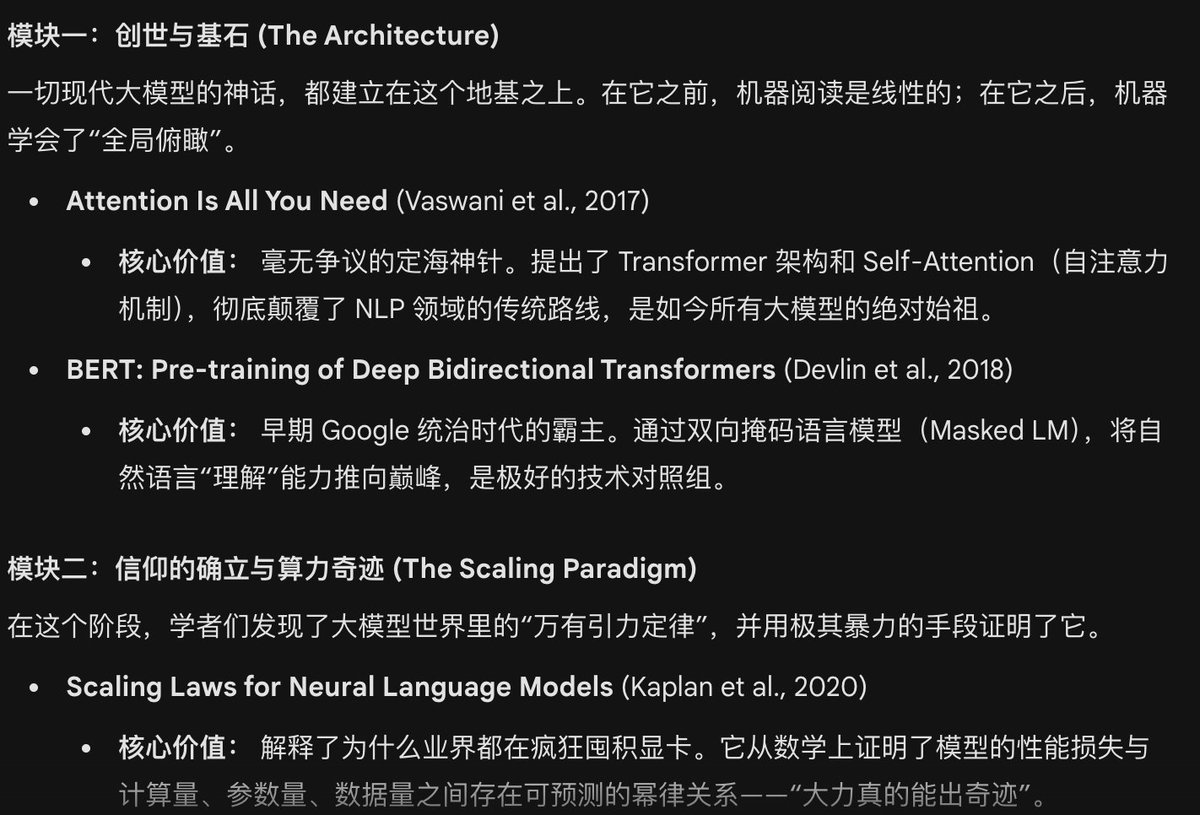
Gemini
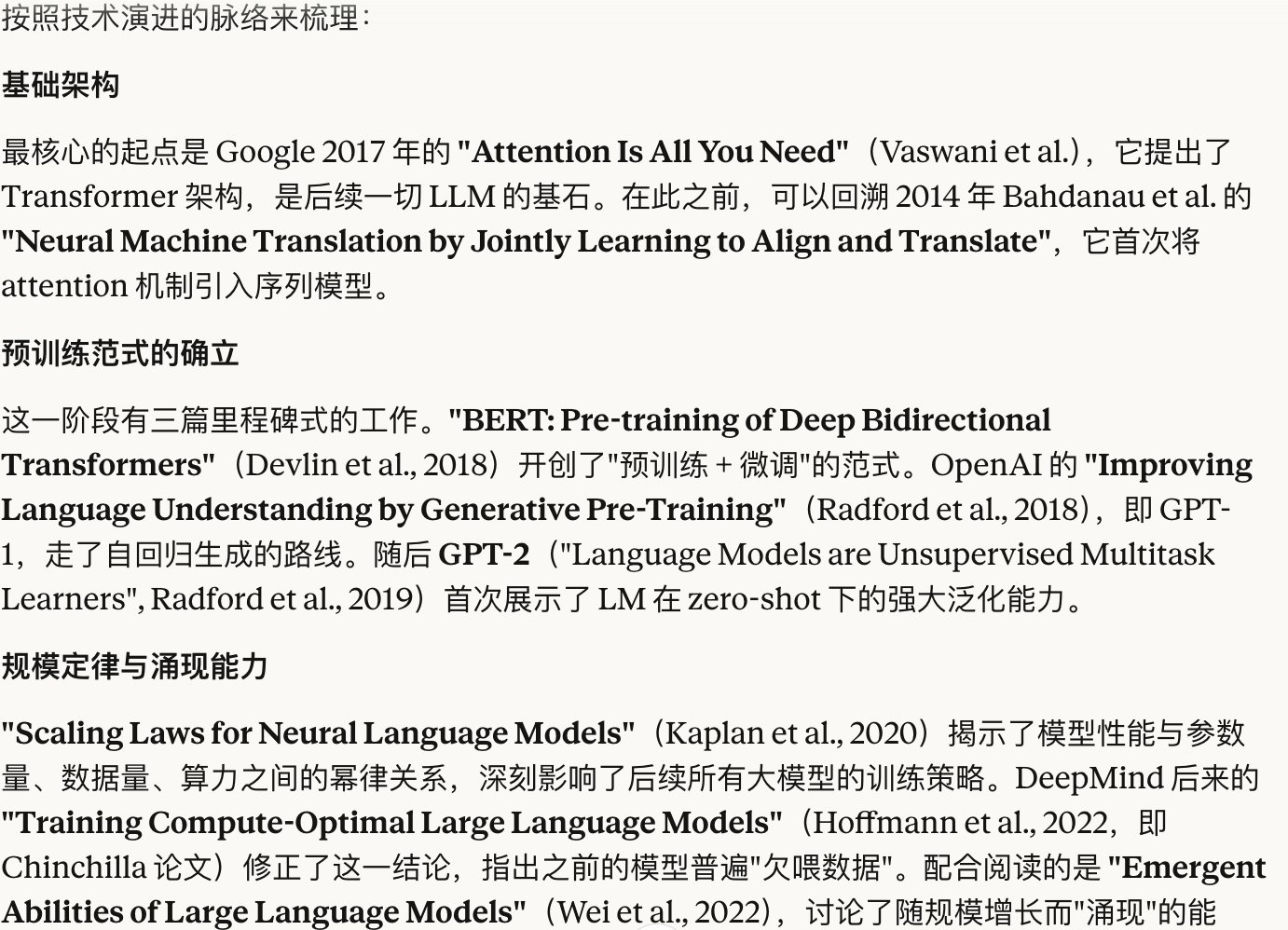
Then you suddenly remember your middle school teacher saying that scientific theories always build on what came before and lead to what comes after, having a past, present, and future. So you ask the AI to research which papers these core articles cited (usually found in the “literature review”), and which subsequent papers have cited the core articles—you ask the AI to filter them out for you.
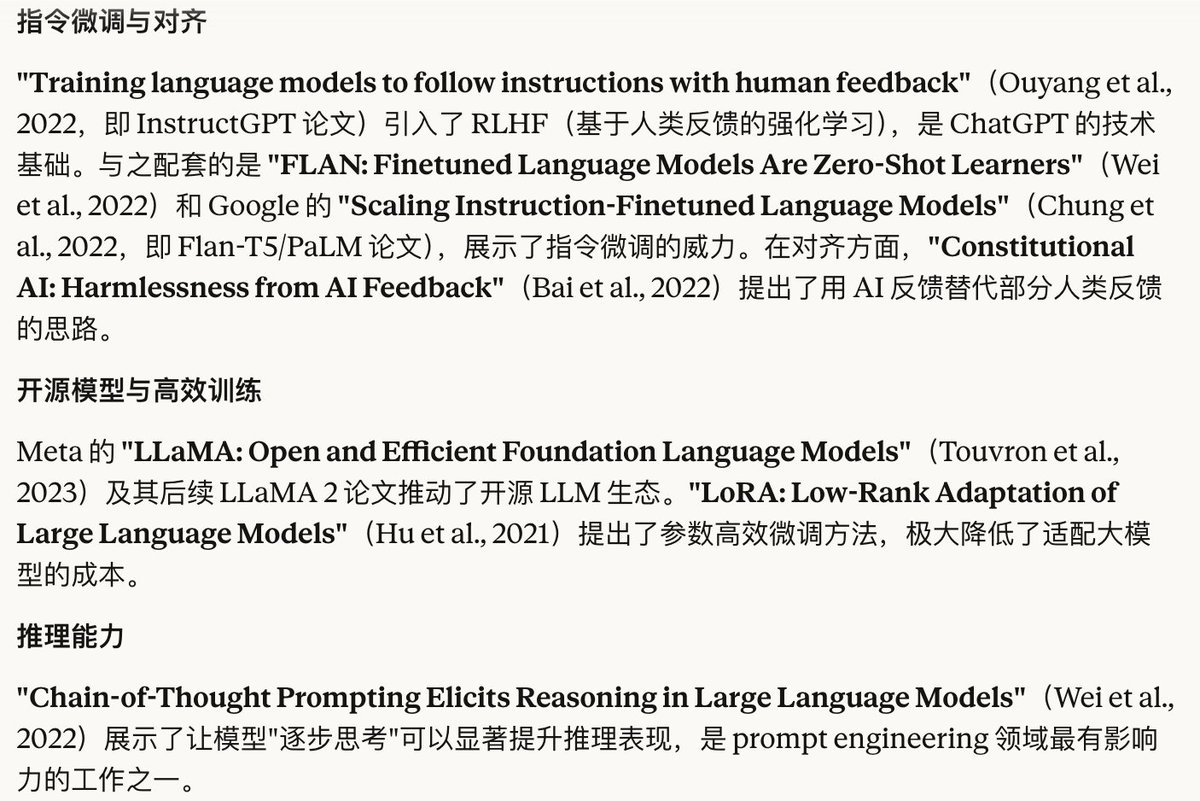
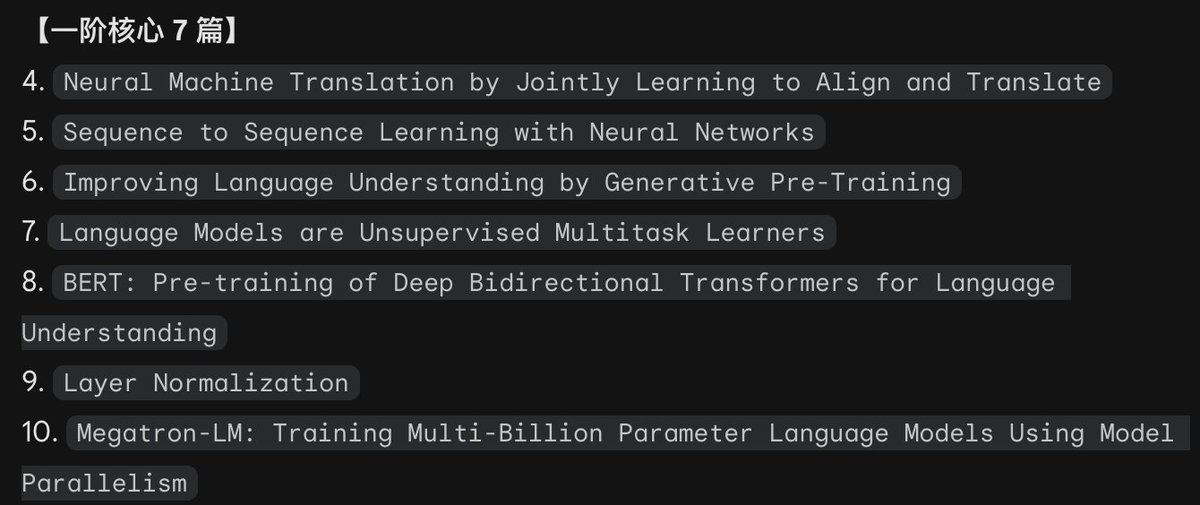
Step 2: Build a structured knowledge base
Due to certain original LLM characteristics and AI permissions, we need to manually download it (or you can have your lobster 🦞 do it for you).

In general, https://scholar.google.com/ and https://arxiv.org/ are more than sufficient.
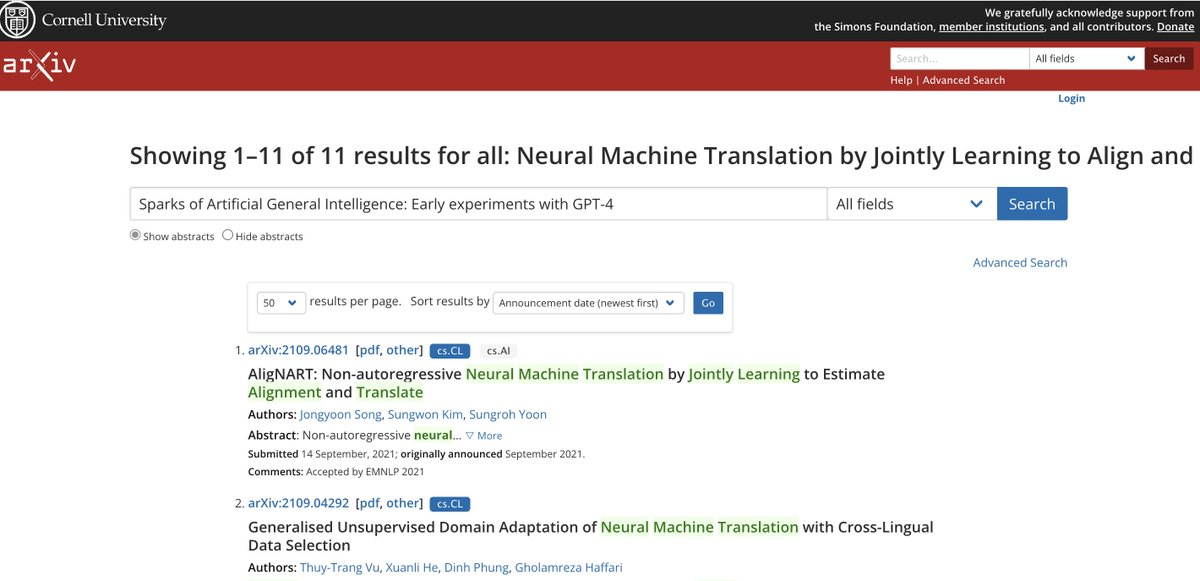
After downloading, place it into NotebookLM (currently, one library supports around 300 articles).
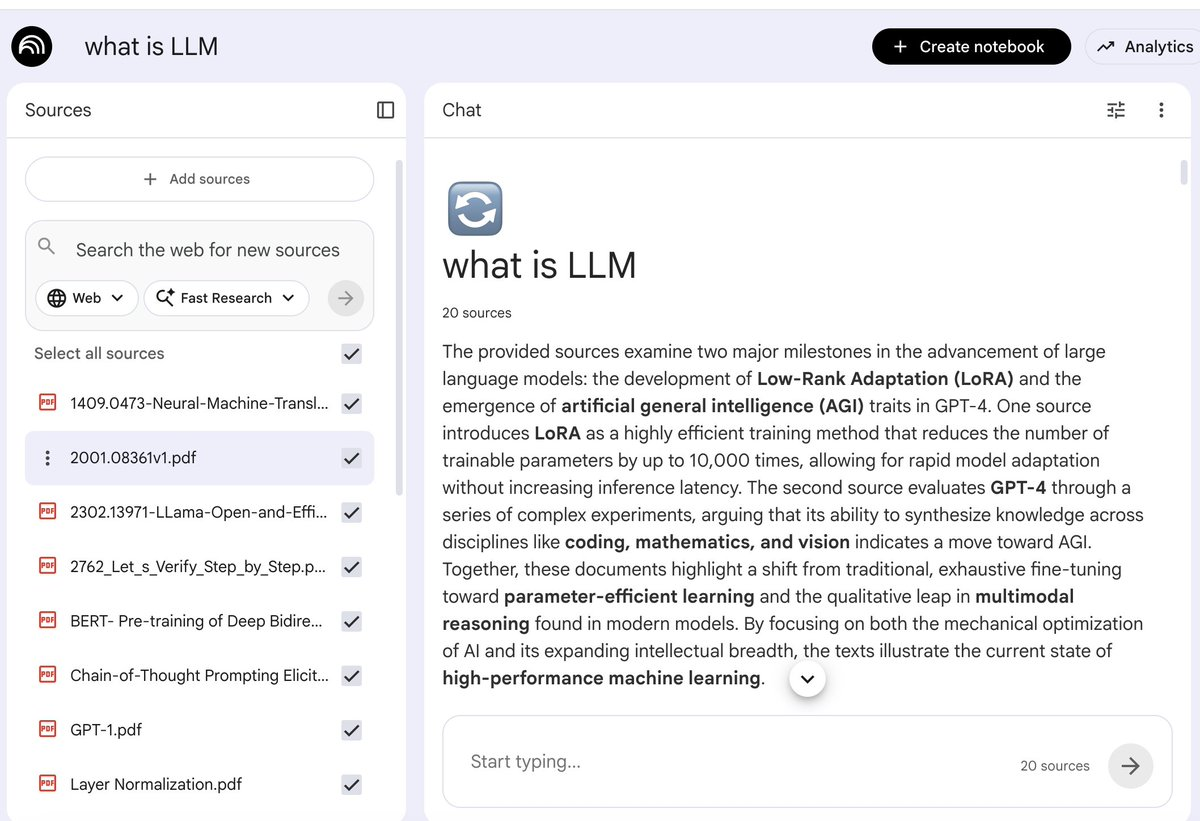
Step 3: Left-right sparring between different AIs
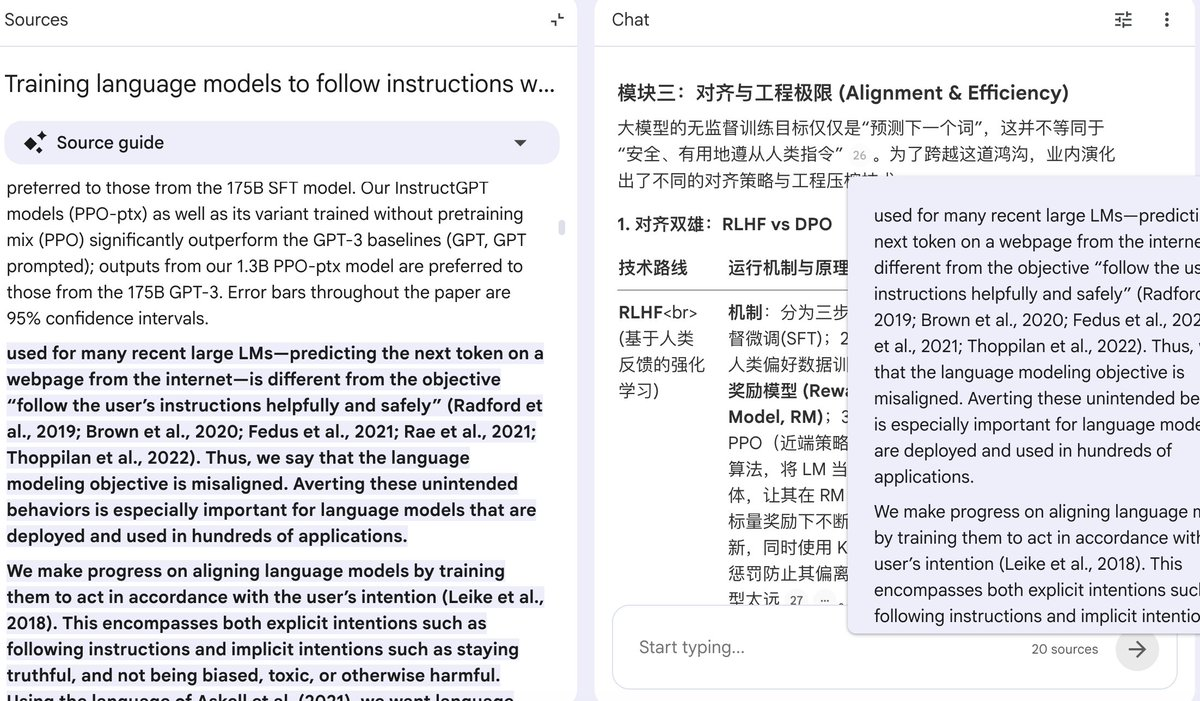
You can start by asking some simple, intuitive questions in NotebookLM, then discuss and debate your understanding with other AIs, and afterward send your conclusions back to NotebookLM for it to refute, argue, supplement, and correct.
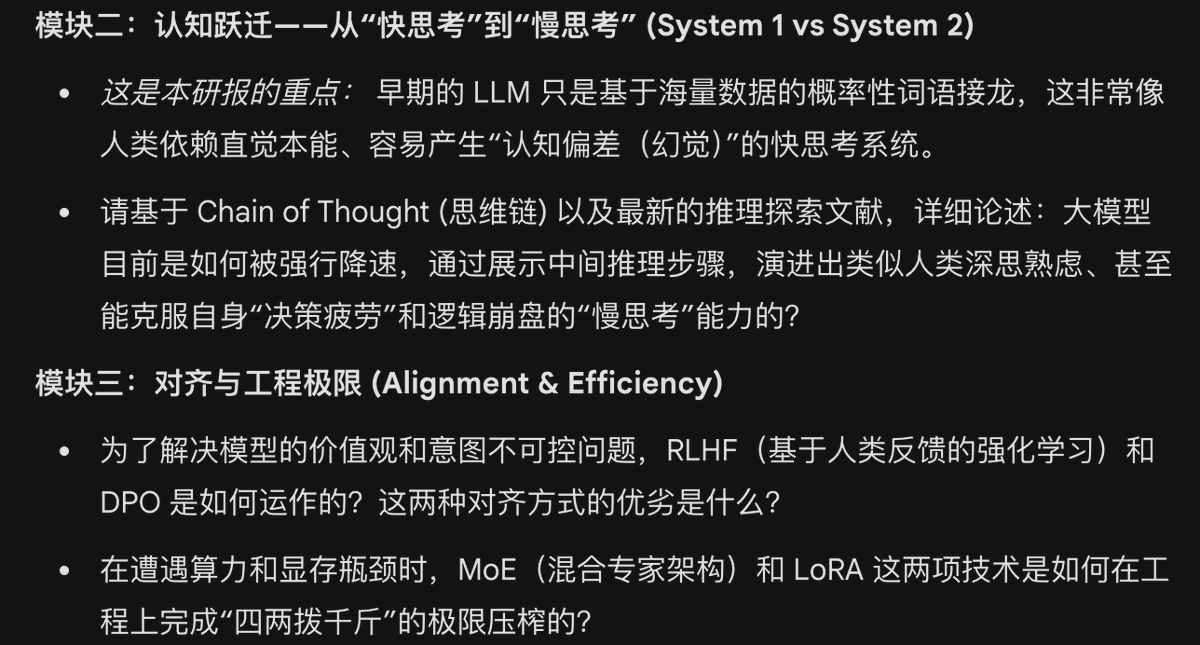
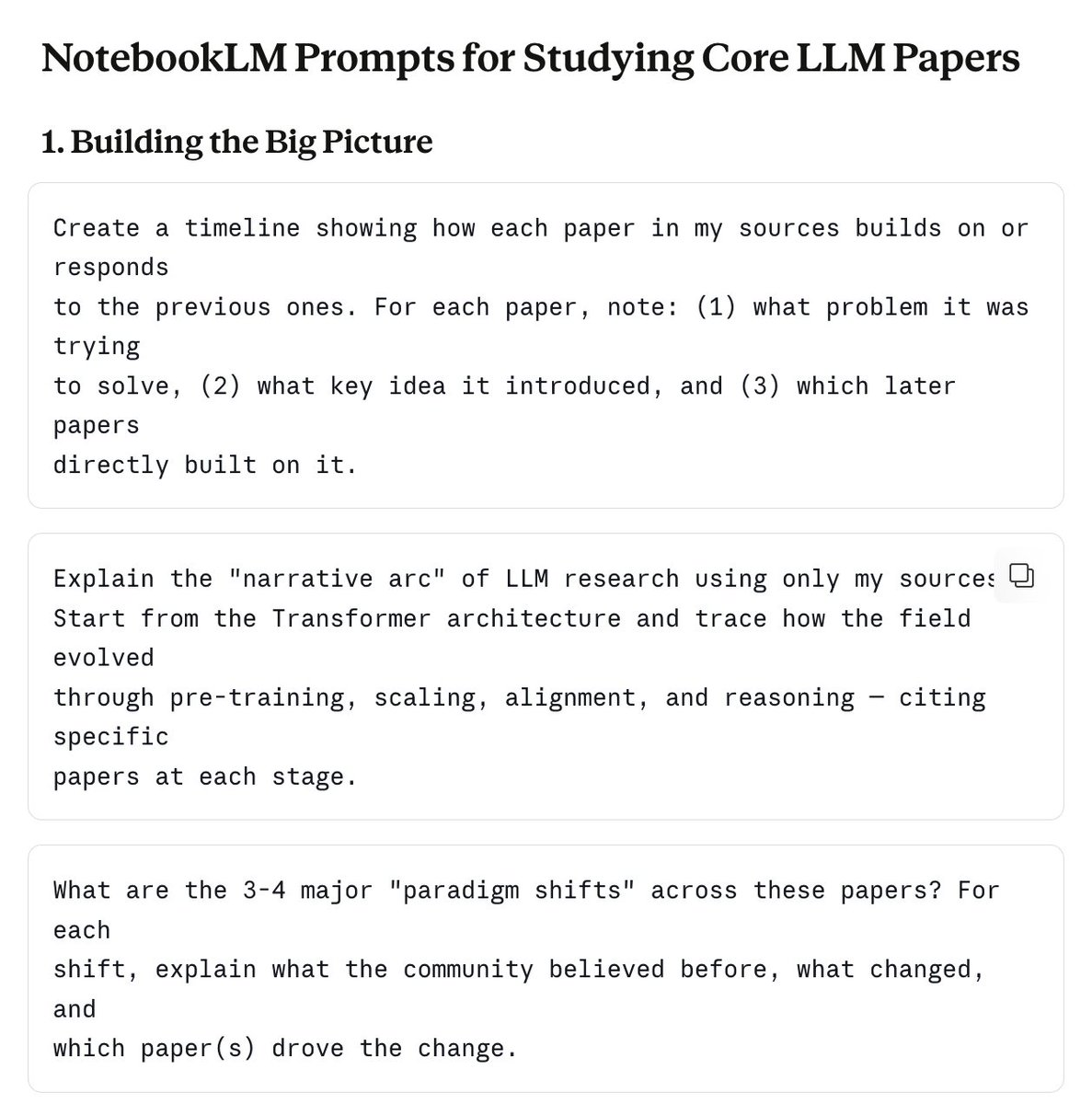
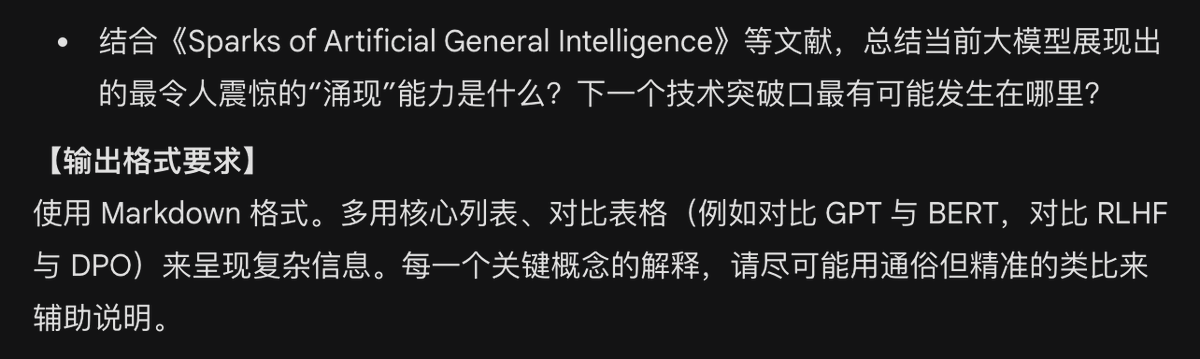
Notebooklm's response and comments:
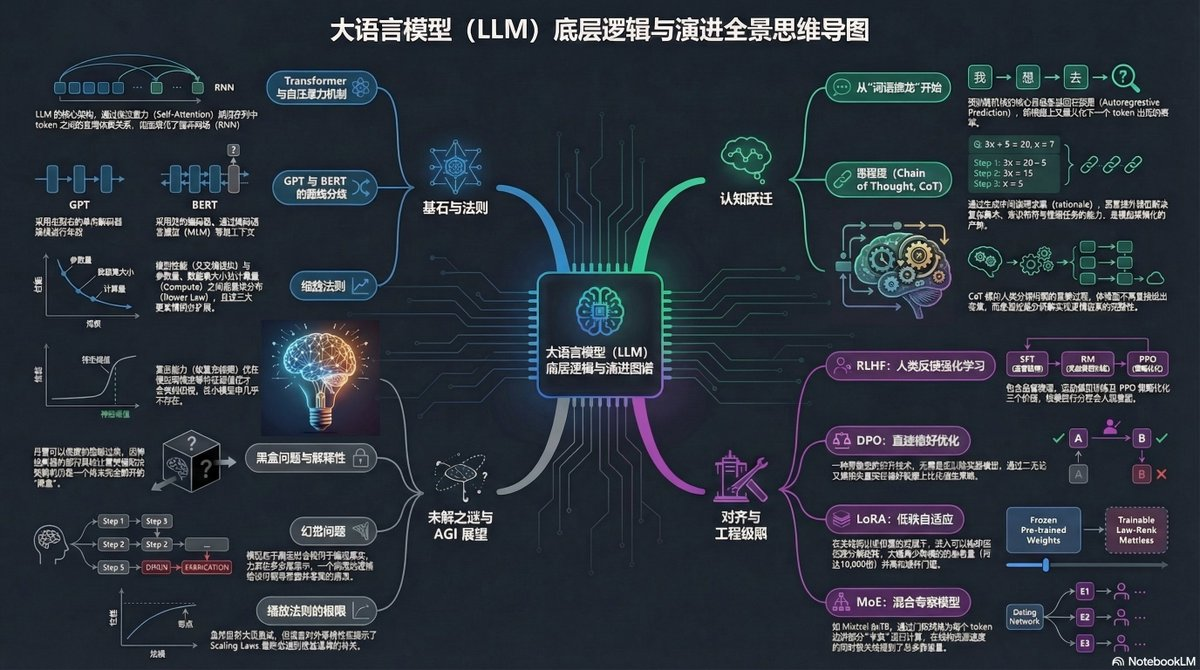
Repeat this several times until you can map out your own mind map.
Then, if you want to get serious, have NotebookLM generate a quiz for you to test your knowledge.
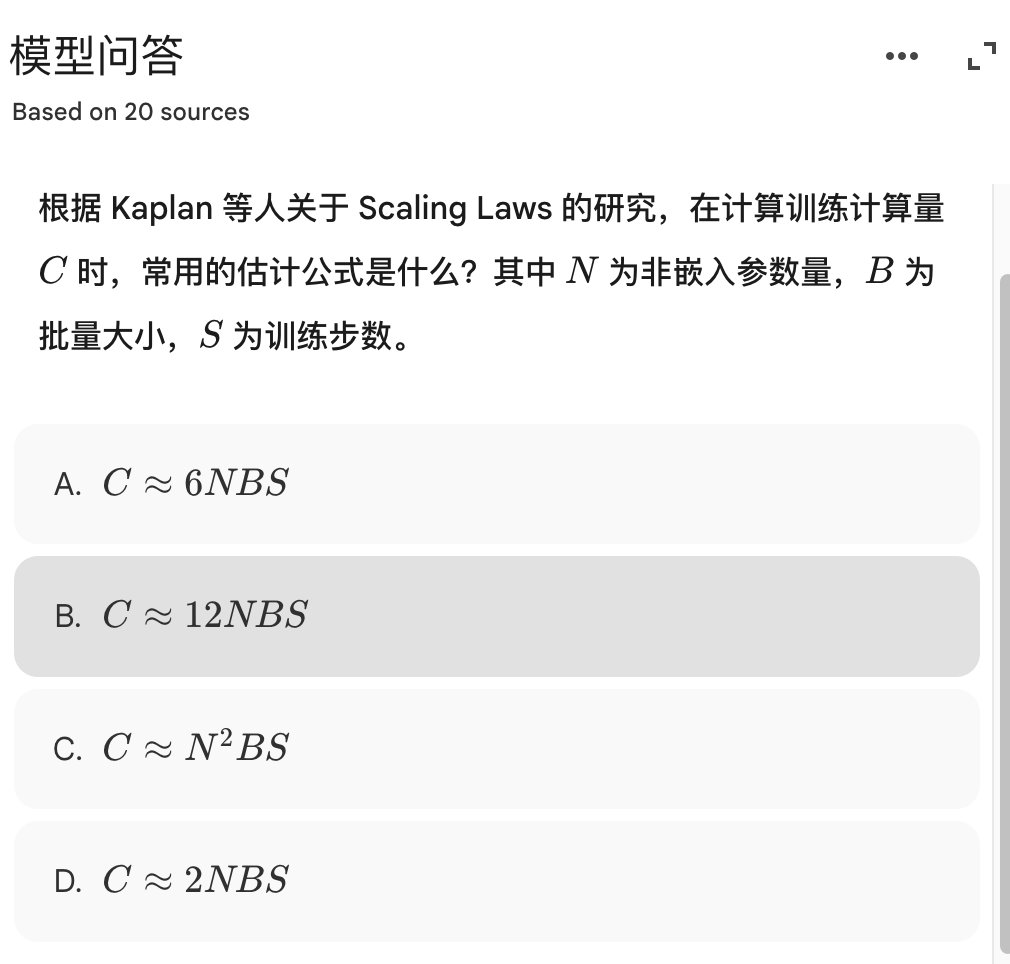
At this point, you have a solid understanding of this field (you now know its past, present, and future—and can talk for five extra minutes when someone asks!).
Epilogue
Save your “knowledge base” (and update it in real time, even if it’s just a lobster doing it) in a separate folder—for example, I keep all theoretical articles related to futures trading in their own folder. When you need to analyze something, simply pull up that folder, then describe the data and cases, and you’ll be able to conduct analyses that are largely “hallucination-free.”
It's not that current AI models are incapable of deep thinking and analysis; it's just that you haven't used the right tools. (In LLMs, there's a crucial parameter: constraints and input conditions.)
Using AI is a skill, but making AI empower humans is another skill.