


Written by: Kuri, Deep Tide TechFlow
On January 25th, an open-source AI assistant named ClawdBot became popular.
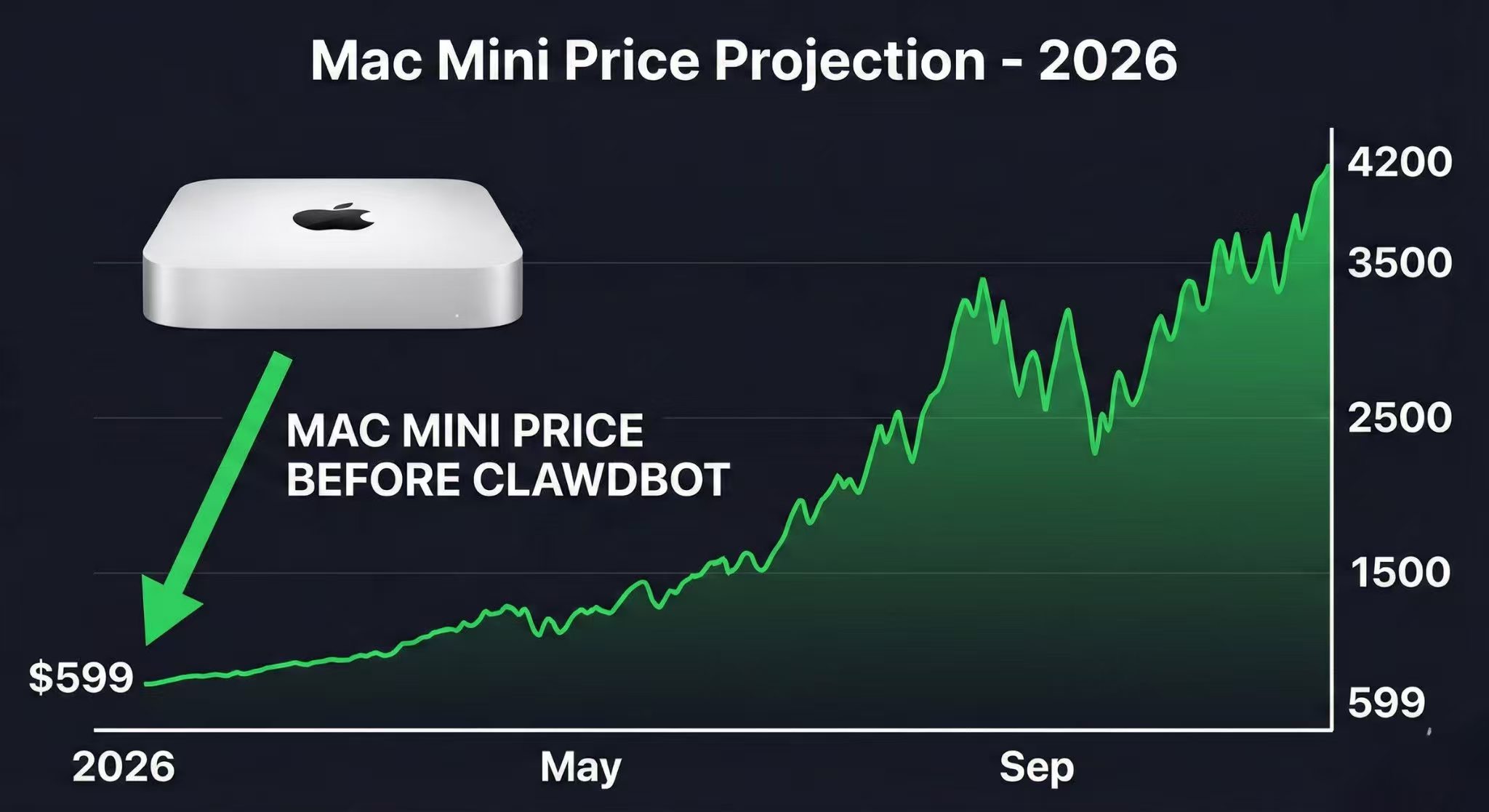
You may have seen it densely covered on Twitter and major domestic and international media in the past couple of days. The project has gained over 40,000 stars on GitHub. Foreign users jokingly say that Mac mini units might be sold out because of it, as the system needs to run non-stop 24/7. A brand-new Mac with no other tasks, combining convenience and powerful capabilities, is thus a great choice.
At the same time, nearly ten thousand people flooded into the project's Discord community.
ClawdBot founder Peter Steinberger also posted a tweet saying that he no longer looks at code much, as AI writes it all.
This also triggered another phenomenon-level technical topic on Twitter, "How to Quickly Deploy ClawdBot," following the inspirational viral post "How to Fix Your Life in a Day" by Dan Koe.
Naturally, attention brings liquidity, and friends from the crypto world come running as they catch the scent.
The meme coin CLAWD with the same name actually launched on the 25th, and its market cap once surged to $16 million. Everything seems very familiar: a trending AI project, a similarly named token, and early players getting rich quickly. The only problem is:
The founder said he won't issue a token.
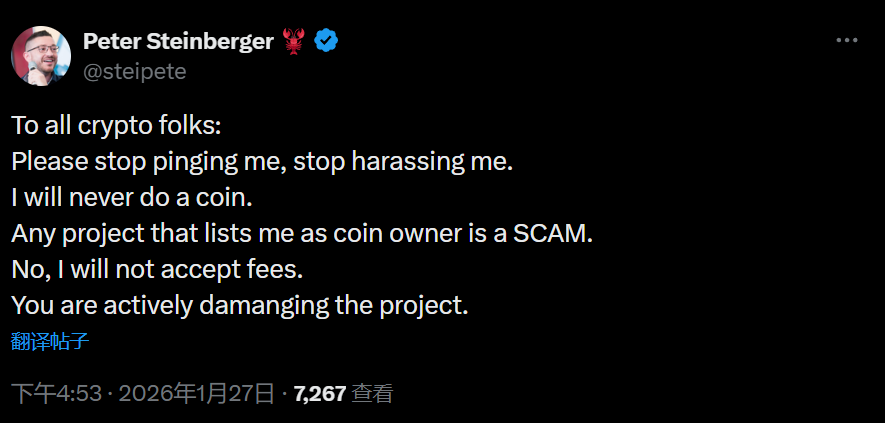
On January 27, Peter Steinberger posted a statement on Twitter:
"Stop sending me private messages and stop harassing me. I will never issue any tokens. Any project listing me as a token owner is a scam. No, I do not accept any payments. You are damaging this project."
On the same day, he posted another tweet:
Is there a friend on GitHub who can help me recover my account? My account has been hijacked by a crypto scammer.
If you don't send the token, I'll send it to you via private message. If you still don't send it, I'll hijack your account and send it for you.
Unlike the Meme Trenches, where a poor developer is eagerly waiting for an official response, the developer who created ClawdBot seems to be well-funded and not lacking money.
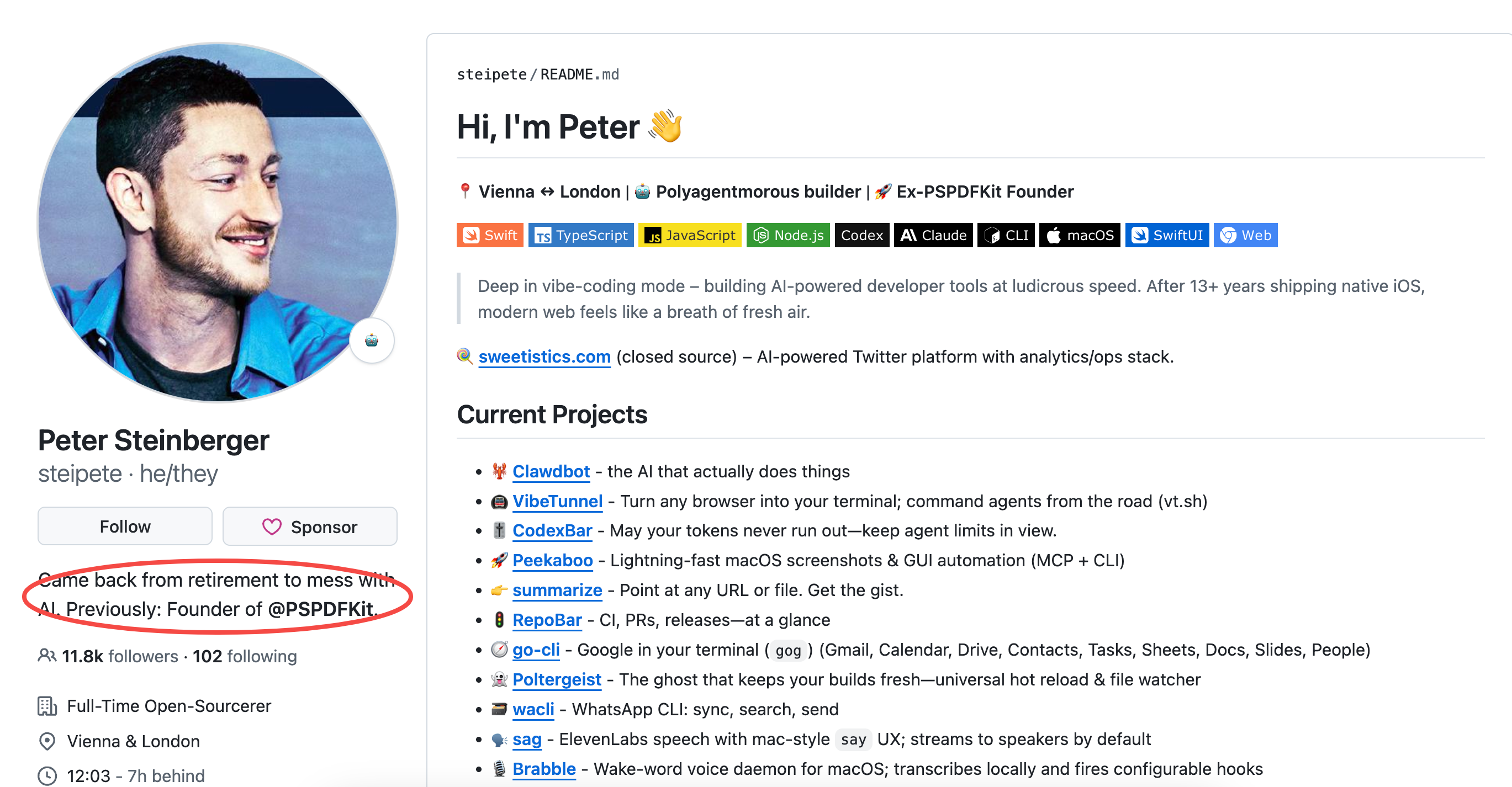
I looked up his background, and Peter previously founded a company called PSPDFKit, which provides PDF development tools.
In 2021, Insight Partners invested 100 million euros in this company, which was approximately equivalent to:
$116 million.
After the investment was completed, Peter and the co-founder retired together. In his own words, it was called "came back from retirement to mess with AI." Now, he has returned from retirement to do something with AI.
A person who has retired by making products truly doesn't need your small token earnings.
But the brothers in the Meme trenches need it.
This is the most interesting part of the story. Within the cryptocurrency community, the first principle is "who wouldn't want to make money?" When a project becomes popular, it's only natural for people to issue tokens.
If you don't release it, you're either pretending or waiting for a better opportunity, even if this project isn't closely related to cryptocurrency.
So some people will send private messages, harass, or even take over accounts to send scams.
Thinking back to the time when AI memes first became popular the previous year and last year, the pattern was like this:
First, there is a technical project or product prototype. Then the team announces the launch of a token, the community follows, and the narrative is self-consistent. This is called "technical legitimacy": you have something tangible, so you have the qualification to issue a token.
It has changed now.
Nowadays, people just look for trending topics, first rush to register a cryptocurrency with the same name, and then wait for "official claiming." If it gets claimed, everyone is happy; if not claimed, they continue to hype it up. After all, retail investors can't tell which one is genuine.
In the meme trenches, this pattern of "forcibly claiming a father figure" is becoming the norm.
Whether it's Chinese memes or overseas memes, the pursuit of mentioning, hinting at, or receiving recognition from official figures within a trending topic is an action that will never cease.
It's just that this kind of initiative goes a bit too far in terms of aggressiveness.
Previously, Meme projects were about "deifying"—finding a founder with a technical background and packaging them as the next Vitalik. Later, it became "riding on the backs of gods," with project names trying to associate with figures like Elon or Trump.
Now I'm "Binding God," and if you don't cooperate, I'll hijack your account.
From actively creating deities to being passively hijacked—the narrative cycle of AI memes may have truly come to an end.
Peter Steinberger said in the above tweet something that's really worth thinking about: "You are..."DamageThis project.
An open-source, free AI assistant available to anyone is being forced to spend energy dealing with these issues due to harassment from the cryptocurrency community.
I don't know if he will shut down the project or simply make the code private. But one thing is certain: if it really comes to that, the biggest losses will not be suffered by those who are speculating in the tokens.
Those who suffer the most are the ordinary developers who genuinely want to use this tool.
But does it matter?
In the cryptocurrency world, making money is what matters most.