





Charles Schwab has unveiled the details of its direct crypto trading offering. Under the Schwab Crypto brand, clients will trade Bitcoin and Ethereum directly through the firm's own platform. Each transaction carries a 75 basis point fee. The broker describes the pricing as one of the most competitive in the industry.
The US asset manager oversees roughly 12 trillion USD in client assets and serves 39 million clients. As a result, Schwab ranks among the largest retail brokers in the United States. Its entry into direct crypto trading therefore sends a signal to the traditional financial sector. Moreover, Schwab clients already hold around 20% of all assets tied up in US spot crypto ETPs. The move thus extends a business line that is already well established.
Schwab Crypto: Structure and custody setup
The rollout proceeds in phases. Internal staff received access first, followed by a limited group of clients drawn from a waiting list. Only after that does the offering open to all eligible clients. Geographically, Schwab Crypto is available in every US state except New York and Louisiana. International markets and US territories, however, remain excluded.
Charles Schwab Premier Bank, SSB acts as the primary custodian. Paxos Trust Company handles sub-custody, trade execution, and settlement. In December 2025, Paxos received a preliminary national trust charter from the OCC. This charter provides the regulatory foundation for institutional crypto services. Furthermore, the cooperation between Schwab and Paxos traces back to the founding of EDX Markets. Schwab is a founding partner of that institutional crypto trading venue.
External wallet transfers are not supported. Clients can neither withdraw Bitcoin or Ethereum to their own addresses nor deposit from external sources. Consequently, the offering remains entirely confined to Schwab's infrastructure. In addition, the crypto holdings carry neither SIPC nor FDIC protection. The platform notes this point explicitly in its disclosures.
Competition and fee positioning
The flat 75 basis point fee places Schwab in the middle of the US field. For example, Fidelity Crypto charges a spread of up to 1% on Bitcoin, Ethereum, and Litecoin. Robinhood operates with spreads between 0.35% and 0.85% while covering roughly 30 cryptocurrencies. Coinbase Advanced Trade starts at 0.6% under a tiered model and provides access to more than 260 tokens. Schwab, by contrast, focuses solely on Bitcoin and Ethereum. Together these two assets account for around 75% of total crypto market capitalisation.
The platform is integrated into Schwab.com, Schwab Mobile, and thinkorswim. Crypto positions therefore appear alongside equities, ETFs, and bonds in the same overview. This integration in particular positions Schwab as an alternative to pure crypto exchanges. At the same time, the narrow asset selection stands out. Coinbase and Robinhood offer broad token universes, whereas Schwab limits itself to the two largest assets.
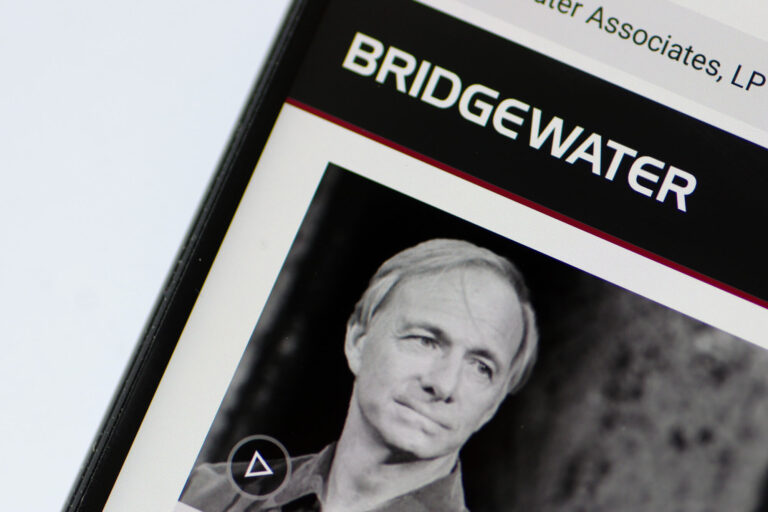



Regulatory context and industry trend
Two regulatory shifts enabled the market entry. In January 2025, the SEC rescinded Staff Accounting Bulletin 121. That rule had required banks and brokers to recognise crypto client assets as a liability on their own balance sheets. As a result, the economic incentive for institutional custody was effectively eliminated. With the repeal, the largest regulatory barrier for traditional finance firms fell away.
In March 2025, the Office of the Comptroller of the Currency (OCC) issued a further clarification. Nationally chartered banks may now offer crypto custody and stablecoin services without a special permit, provided that adequate risk controls are in place. Both clarifications occurred under the current US administration, which is considered more crypto-friendly than its predecessor. As a result, Morgan Stanley and other TradFi houses are similarly moving toward direct crypto offerings.
Schwab CEO Rick Wurster had already announced the launch on the Q3 2025 earnings call. He set a target window in the first half of 2026. At the time, the company reported net new asset inflows of 134.4 billion USD, up 48% year over year. Wurster also pointed to demographic trends: clients under 28 open roughly one third of all new Schwab retail accounts. This age group is considered the central driver behind the broker's crypto entry. The press release on Schwab Crypto is dated 16 April 2026, and the phased rollout has been underway since then.