





How Eric Trump Became an Ally of One of China's Biggest Crypto Companies
Original author: Ryan Weeks, Bloomberg
Original compilation: Luffy, Foresight News
Bitmain, once viewed by the United States as a national security threat and embroiled in controversies over mining hardware security and remote control, is the absolute market leader in the global Bitcoin mining hardware industry. This secretive Chinese company, after facing a White House ban and an investigation by the Department of Homeland Security, unexpectedly formed a significant business alliance with Eric Trump, the second son of Donald Trump.
On one side is a Chinese mining giant accused of threatening the security of the power grid and military bases; on the other is a Bitcoin company owned by the U.S. president’s family. Together, they have built a super mining facility in Texas, launching a major partnership. This article uncovers this alliance where politics and cryptocurrency intersect, revealing how Bitmain overcame its inclusion on America’s blacklist to become one of the Trump family’s most critical business partners.
The full text translation is as follows:
Miner Empire: The Mysterious and Monopolistic Bitmain
From dedicated data centers in rural Texas to converted timber factories in Borneo, rows of shoebox-sized machines stand tall, emitting deafening rumbles that sometimes draw complaints from neighbors. Each machine contains hundreds of application-specific integrated circuits (ASICs), manufactured at great expense in advanced factories in Taiwan. These chips are soldered onto three sealed compute boards, performing brute-force calculations under instructions from a control board. Depending on the model, the machines use built-in fans or liquid cooling systems to prevent overheating, consuming massive amounts of electricity regardless of where they are installed.
These devices have one purpose: to crack the underlying algorithm of Bitcoin, SHA-256. SHA-256 is a so-called one-way function, meaning the only way to solve the mathematical puzzle it generates is through brute force trial and error. Bitcoin miners make their living from this—once they compute the correct solution, they earn the right to verify others’ transactions and receive a Bitcoin reward.
Therefore, their profits directly depend on how many calculations per second these devices, called "AntMiners," can perform—currently in the trillions per second. A top-of-the-line AntMiner can cost up to $17,400. Large mining companies operate up to 500,000 miners, requiring upfront investments of billions of dollars, but this capital expenditure is negligible compared to the potential returns—at least when cryptocurrency prices are high. Some users compare it to owning a row of printers for lottery tickets, except the odds of winning are much higher.
Antminer is the flagship product of Bitmain Technologies Ltd. The company has not only dominated the Bitcoin miner manufacturing industry but, for much of its history, has essentially been the industry itself, with a market share exceeding 80%.
Very few companies have achieved such absolute control within a global industry: Alphabet Inc. in search is one; decades earlier, De Beers, which once controlled over three-quarters of the world’s diamond production; even centuries ago, institutions like the Dutch East India Company that monopolized long-distance spice trade. But unlike these historical monopolies, many aspects of Bitmain remain a mystery.
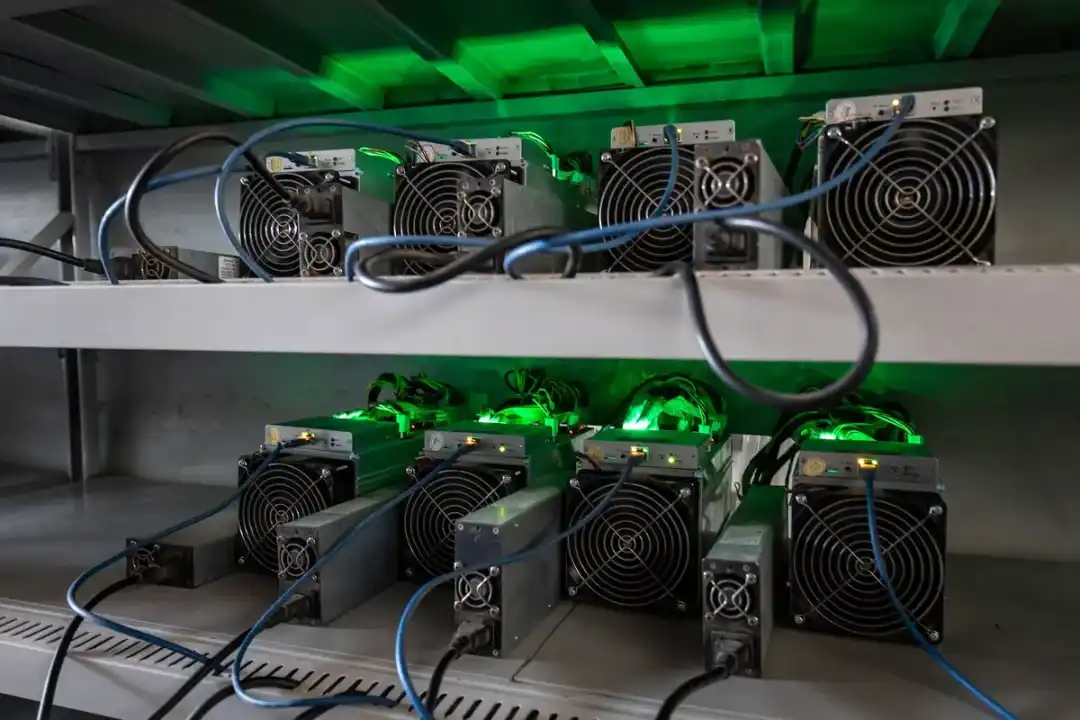
In 2017, Bitmain mining rigs at a mine in China
The company is not publicly listed, and its official website does not disclose information about its global headquarters, CEO, or board members. The person most closely associated with the company is co-founder Jan Kuntuan, who rarely appears in public and no longer serves as chairman; however, it is unclear when he stepped down, who succeeded him, or whether a successor even exists.
Until just a few months ago, Bitmain’s spokesperson consistently refused to clarify even the most basic information about the company’s structure and governance, including the identities of major shareholders. Due to the company’s sale of multiple ASIC miners at various price points, estimates of its annual revenue vary widely. One executive who worked closely with Bitmain and requested anonymity cited internal research estimating annual sales between $2 billion and $3 billion. But even this figure is at best an informed guess.
However, two things are clear: first, Bitmain is headquartered in China; second, it has formed an alliance with one of President Donald Trump’s children.
Eric Trump, Donald Trump’s second son, is a co-founder and chief strategy officer of American Bitcoin Corp., headquartered in Miami. The company went public in New York last September, at which time Eric’s stake was valued at approximately $548 million. (Since then, the stock price has declined significantly amid broad selling of crypto assets.) Eric’s brother, Donald Trump Jr., is also an investor, though the size of his holdings has not been disclosed. American Bitcoin has stated its plan to purchase thousands of Bitmain Antminer machines to become the world’s largest Bitcoin mining company, and it has already partnered with the Chinese firm to develop a large data center in Texas.
This partnership represents a stunning reversal for Bitmain. Just recently, it faced challenges that could have been existential: escalating U.S. investigations questioning whether its equipment posed a national security threat. In May 2024, the White House ordered the removal of thousands of Bitmain mining rigs from a mine near a U.S. Air Force nuclear missile base. Last year, a report by the Senate Select Committee on Intelligence warned that the presence of Bitmain mining rigs near certain military bases "constitutes an unacceptable risk."
In November, Bloomberg News reported that, according to a U.S. official and other informed sources, Bitmain has been the focus of a U.S. Department of Homeland Security investigation aimed at determining whether Antminer devices can be remotely controlled to disrupt the power grid or be repurposed for espionage. The investigation, named Operation Red Sun, began during the Biden administration and lasted at least into the early stages of Trump’s second term, with both administrations’ National Security Councils discussing the matter.
Bitmain did not respond to detailed inquiries regarding potential security risks, but in a statement issued in December, the company stated that it complies with all applicable laws and that reports claiming it is under investigation are “seriously inconsistent with the facts and constitute fake news.” A spokesperson for American Bitcoin said the company “adheres to strict standards regarding national security, grid stability, and operational safety,” and “believes that as long as mining hardware is deployed in accordance with modern industrial safety standards, it does not pose a threat to the U.S. grid or national security.”
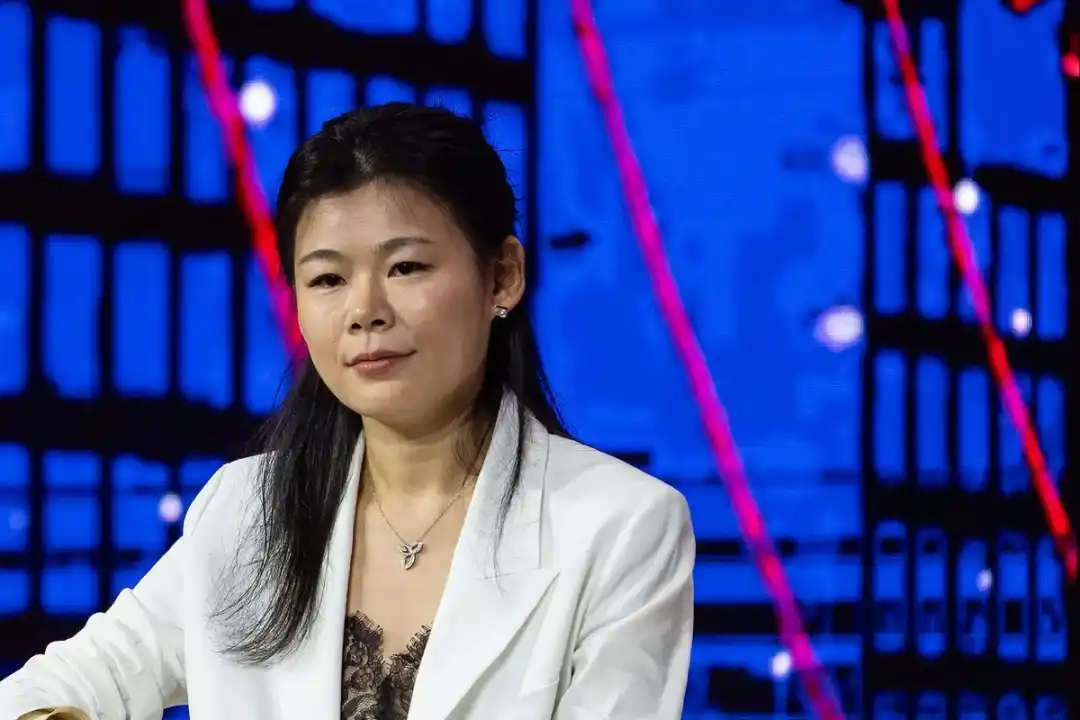
Irene Gao of Bitmain, photographed in 2025
The current progress of "Operation Red Sun" remains unclear; the Department of Homeland Security told Bloomberg Businessweek, "We cannot comment on an ongoing investigation." However, Bitmain's collaboration with American Bitcoin continues, and its aggressive expansion into the United States has not slowed. In recent months, the company has become slightly more open to the public.
For this article, Bitmain arranged an interview with its Global Sales Director, Irene Gao. She praised Trump’s pro-crypto policies as “a very good thing for most of our customers,” but when asked simple questions such as the names of other key executives beyond CEO Yang Cunyong, she declined to answer. “We simply don’t want to disclose any company information in this way,” said Irene Gao.
Security Shadow: U.S. National Security Investigations and Containment
Beyond speculators seeking quick wealth, the cryptocurrency industry has attracted two types of people since its inception: tech enthusiasts and devoted believers. The former are primarily focused on the computational and mathematical challenges of creating and trading digital assets; the latter are captivated by the potential of these tools to transform global finance.
The two Chinese entrepreneurs who founded Bitmain belong to these two camps respectively. Zhan Kuntuan is a chip designer who previously founded a startup developing TV set-top boxes. Wu Jihang was an investment analyst who later became fascinated by cryptocurrencies; notably, he was the one who translated the original Bitcoin whitepaper from English into Chinese.
Their partnership began over dinner in Beijing in 2013. Jankun once said he went to Wikipedia the next morning to look up information about cryptocurrency and immediately decided to start a business with Wu Jihang. According to multiple individuals who had contact with both men and requested anonymity due to fears of retaliation, the two share several traits: both are somewhat socially awkward, spent most of their careers in extreme obscurity, rarely appeared in public or gave interviews; sources say both tend to become irritable under pressure—Jankun, with his low, gravelly voice, has been witnessed shouting at employees in the office, his voice echoing throughout the building.
In 2013, when Jankun and Wu Jihhan founded Bitmain, Bitcoin mining was not yet dominated by massive data centers operated by publicly traded companies. It was a world where enthusiasts feverishly pursued the latest cutting-edge equipment. That year, Bitcoin broke through $1,000 for the first time, and the cryptocurrency was still in its infancy, with the majority of coins yet to be mined. At the time, having better mining hardware could still lead to a significant increase in the network's hash rate—the metric used to measure the computational power required to process transactions. As long as miners could get their hands on the most advanced equipment as quickly as possible, they were guaranteed profits.
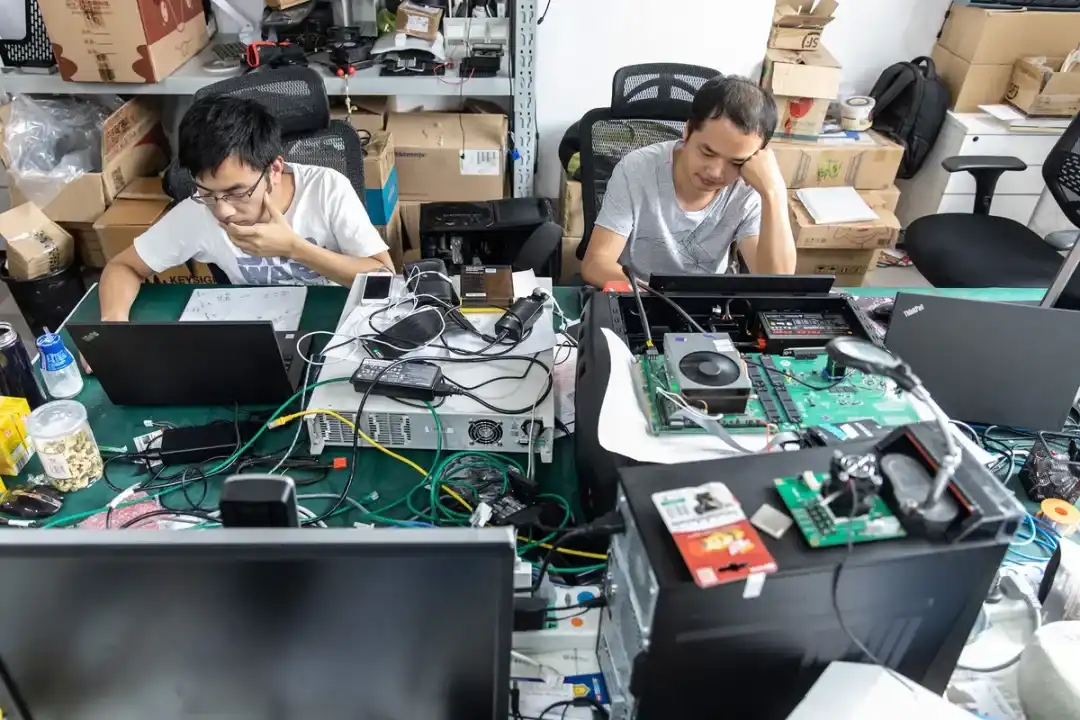
In 2017, Bitmain employees
Bitmain launched its first mining rig, the Antminer S1, in November 2013. By today’s standards, it was extremely basic, with no casing—the hash boards and wiring were fully exposed. However, as one of the earliest ASIC-based mining rigs and among the most powerful devices of its time, it represented a quantum leap over competitors and helped drive the industry’s shift toward specialized hardware. Subsequent generations of Antminers made even greater advances, with each iteration nearly redefining the market: miners who didn’t purchase the latest model simply couldn’t compete.
In 2017, Bitcoin's price surged by more than 250%, further boosting demand for AntMiners. A private funding round in mid-2018 valued Bitmain at $12 billion. Its rapid growth attracted widespread attention, and a new funding round in August 2018 even reached Jeffrey Epstein’s desk. Communications between Epstein and his advisors, released by the U.S. Department of Justice in January this year, revealed that the disgraced financier was eager to invest up to $3 million in Bitmain’s holding company, though he had some concerns about the transaction structure. The documents do not indicate whether the investment was ultimately completed.
Shortly after this conversation, Bitmain filed for an IPO in Hong Kong, disclosing revenue of $2.5 billion, a significant increase from $137 million two years earlier. The prospectus revealed that Jia Kuntuan held approximately 36% of the shares, Wu Jihann held about 20%, and both had paper fortunes worth billions of dollars. Other shareholders included Sequoia Capital China, IDG Capital, and Coatue.
But betting wealth on rising cryptocurrency prices also means facing disaster when prices fall. As the market plummeted again, the IPO plan was ultimately shelved. The entire industry entered what became known as the "crypto winter"—a prolonged period of price stagnation. Meanwhile, the partnership between Jankun and Wu Jihann began to fracture. According to anonymous insiders, the disagreement stemmed from a strategic divide: Jankun wanted Bitmain to enter the artificial intelligence field, repurposing chips for applications such as facial recognition training; while Wu Jihann, a devoted believer in cryptocurrency, opposed deviating from the company’s original mission.
At the end of 2019, Wu Jihann attempted to gain full control of the company, and Zhan Keting was removed as the legal representative and chairman of Bitmain. Zhan Keting immediately filed a lawsuit in the Cayman Islands, the registered jurisdiction of Bitmain Holdings. A prolonged power struggle ensued, culminating dramatically in a physical altercation at a government office in Beijing. Former journalist Hazel Hu witnessed this incident in 2020. She recalled that while Zhan Keting was waiting at the Haidian District Market Supervision Administration to receive Bitmain’s physical business license, his supporters clashed with Wu Jihann’s supporters present; both sides fought over the documents. Police quickly arrived from a nearby precinct and intervened to stop the brawl, which had spread to the building’s lower floors and the street below.
The following year, Wu Jihann acknowledged defeat and stepped down as CEO and chairman of Bitmain. (The dispute between the two parties was eventually resolved; Wu Jihann now serves as chairman of the mining hardware manufacturer AntPool Group and an encrypted investment platform.) Despite internal turmoil, Bitmain continued to expand, especially after Bitcoin’s price rebounded in 2020. As the mathematical challenges between mining companies and profitability grew increasingly complex, AntMiners became essential. “They are currently the most efficient devices available,” said Vishnu Mackenchery, Senior Director of Corporate Development at Compass Mining, USA.
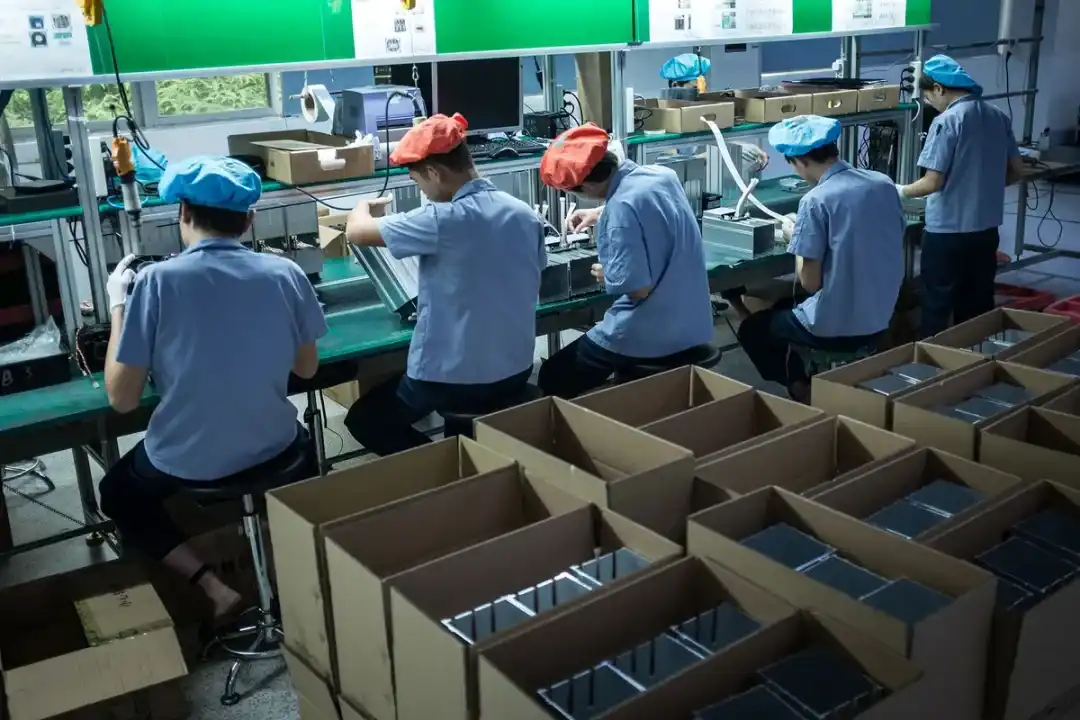
Antminer machines being assembled at the Shenzhen factory
At the time, Bitmain’s sales were heavily concentrated in the domestic market. Data from the Cambridge Centre for Alternative Finance showed that in 2019, China accounted for about three-quarters of global Bitcoin mining hash rate. However, in 2021, the Chinese government launched a severe crackdown on cryptocurrency mining, citing high energy consumption and carbon emissions. This led to a mass exodus of miners to regions with relatively cheaper electricity and more favorable regulatory environments—conditions that were particularly prominent in parts of the United States. As a miner equipment manufacturer rather than a mining operator, Bitmain was not shut down and continued operations in Beijing, while establishing distribution centers across Southeast Asia. But from that point on, its future would be determined by the United States.
Following policy adjustments in China, Bitmain increased its sales efforts toward U.S. miners and expanded into a side business managing mining operations for American clients. To establish a public face for the company in the U.S., it relocated Irene Gao to America. Irene Gao joined Bitmain shortly after graduating from university in 2016; when she first arrived in the U.S., she spent much of her time traveling between cities with a suitcase in tow, pitching products to customers. As with much of Bitmain’s information, sales figures and market share during this period remain opaque, but industry veterans agree that it is undoubtedly becoming the dominant player.
However, the company soon faced pressure from geopolitical tensions. During Trump’s first term, the White House imposed a 25% tariff on various Chinese-made electronic products, prompting Bitmain to begin routing its products through Thailand, Malaysia, and Indonesia—a common practice among Chinese manufacturers—but U.S. authorities viewed this as a violation of customs regulations. President Biden largely maintained these tariffs, and in 2022, U.S. Customs and Border Protection inspected a shipment of Antminer machines bound for Sphere 3D Corp., a mining company in Connecticut.
After disassembling a device, staff found tiny "Made in China" labels on the internal components. According to Patricia Trompeter, then-CEO of Sphere 3D, these 4,000 miners were detained for three months. Concerned about further delays, some miners began diversifying their risk by shifting orders to competitors that had already established manufacturing bases in the United States, while Bitmain had not yet done so.
The most serious质疑 against Bitmain goes far beyond tariff avoidance: whether its miners could be tampered with for purposes other than mining. In 2017, suspicions began circulating in the crypto community when an industry media outlet reported that Antminer devices contained code allowing Bitmain to remotely shut them down. The company quickly confirmed the existence of this code but claimed its purpose was legitimate—to render stolen miners inoperable, similar to Apple’s ability to lock lost iPhones. Bitmain later stated it had removed this feature, but two years later, a tech blogger discovered similar code again; the company promptly released a security patch.
According to a person familiar with internal deliberations who requested anonymity, U.S. officials during the Biden administration commissioned a study to assess whether Bitmain mining machines and other Chinese-manufactured mining equipment could pose a national security risk. The individual said the investigation pursued two distinct directions: first, whether the mining machines could be used for espionage—cryptographic hardware experts consider this possibility extremely unlikely, if not entirely implausible, given their highly specialized engineering design; second—and of greater concern to the U.S. government—the potential impact on the U.S. power grid from remote shutdowns.
When a large electricity consumer, such as a steel plant, shuts down, it is typically a planned, gradual process, with power consumption decreasing over two days or longer. Bitcoin mining operations may consume a comparable amount of power, but can be shut down within seconds. The official expressed concern that such a "shock event" could cause a sudden imbalance between power generation and consumption, potentially disrupting grid stability. The most alarming scenario: Chinese authorities remotely issue commands to shut down thousands of Bitmain mining machines located near military bases or other critical infrastructure reliant on the same power source.
“Anyone who hacks an entire data center—whether it’s for artificial intelligence, cryptocurrency, or cloud services—could cause serious damage to the power grid,” said Michael Bedford Taylor, Professor of Electrical and Computer Engineering at the University of Washington, though he cautioned that Bitmain itself is unlikely to have such motivation.
In spring 2024, the Biden administration raised public security concerns about a mining facility located near Cheyenne, Wyoming, spanning 12 acres. A company affiliated with China installed up to 15,000 mining machines at the site, most of which were manufactured by Bitmain. The facility’s investors hoped it would one day become one of the largest mining operations in the United States, benefiting from Wyoming’s low land costs and abundant electricity resources. Coincidentally, the site is approximately one mile from Warren Air Force Base, one of only three U.S. Air Force bases that deploy land-based nuclear missiles.
On May 13, 2024, President Biden issued an executive order requiring the mining operator MineOne Partners LLC to shut down its project. The document stated that the Committee on Foreign Investment in the United States had "identified national security risks." Although grid concerns were not explicitly mentioned, the order cited risks including "the presence of specialized foreign-origin equipment that could facilitate surveillance and espionage." The mining equipment was quickly loaded onto trucks and removed.
Political alliance: Partnering with the Trump family to turn the tide
This was a major and public setback, as the U.S. government explicitly linked Bitmain's devices to the possibility of malicious use. But just a few months later, the company began advancing a project that could completely transform its situation.
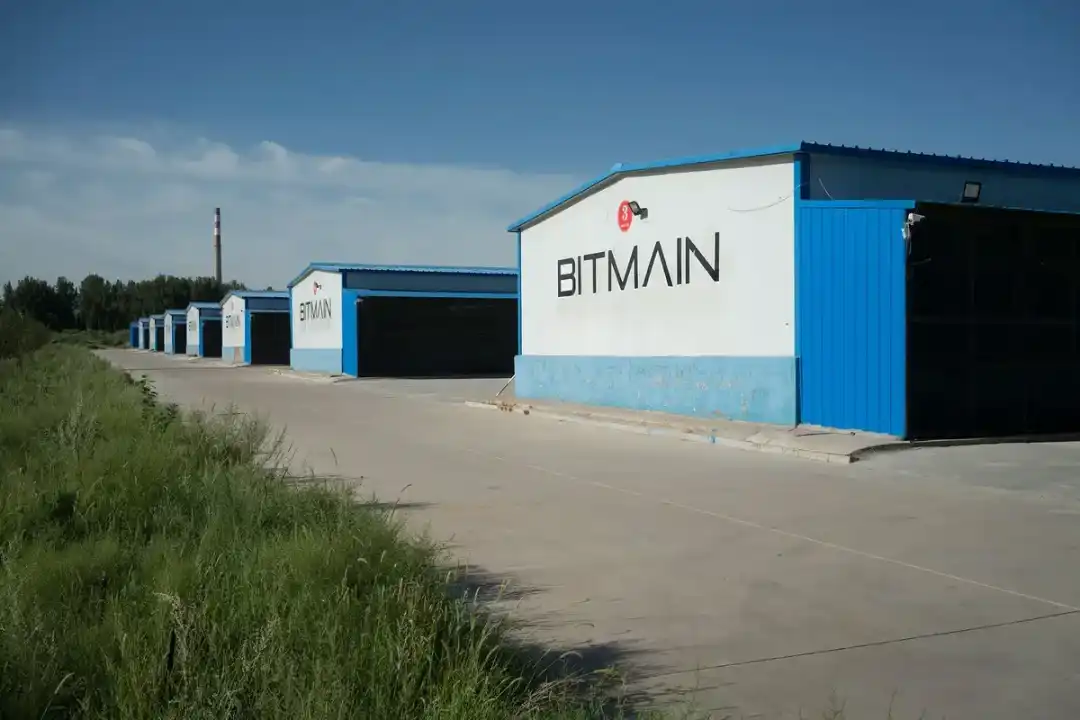
Bitmain mining farms within China in 2017
According to Michael Ho, a Chinese-Canadian businessman and cryptocurrency business partner of Eric Trump, a series of meetings that led to the founding of the president’s son’s bitcoin mining company began in late 2024. Like Wu Jihan, co-founder of Bitmain, Michael Ho is a devoted believer who likes to boast that he mined his first bitcoin in his teens, before he was legally old enough to drink. When he met Eric, he was operating Hut 8 Corp., a Miami-based mining company, with his partner Asher Genoot, a major client of Bitmain’s Antminer machines.
Michael Ho recalled that the two initially met “through many mutual friends in the Florida circle.” He said their relationship quickly grew closer after several meetings in and around Miami, including a discussion at the Trump National Golf Club in Jupiter.
Eric Trump, who has long held executive roles in the family’s real estate business, is becoming increasingly involved in the crypto space. After previously calling Bitcoin a scam, his father has since embraced the industry during his campaign, pledging at a conference in Nashville to make the United States a “Bitcoin superpower.”
In September 2024, the Trump family established a company named World Liberty Financial, with a grand yet rather vague vision of enabling "everyone to access tools and opportunities long restricted."
Initially, World Liberty Financial appeared to fail, with speculators largely ignoring its inaugural token. The tokens conferred no right to share in the company’s revenue and could not be resold after purchase, completely contradicting the purpose of traditional investment.
But after Trump's re-election, the situation changed rapidly: prices of various digital assets surged, and businesspeople eager to connect with the presidential family and access resources poured funds into his numerous enterprises. In February this year, The Wall Street Journal reported that Sheikh Tahnoon bin Zayed Al Nahyan, a key member of Abu Dhabi’s ruling family, agreed to invest $500 million in World Liberty Financial just before the president’s inauguration.

In September last year, Eric Trump, co-founder and chief strategy officer of American Bitcoin, and CEO Michael Ho were interviewed by Bloomberg TV in New York.
Michael Ho said it wasn’t difficult to convince Eric to enter the mining industry. “After meeting in person and getting to know each other better, we quickly aligned on our vision,” he told Bloomberg News last year. In March 2025, the two unveiled their complex plan to the public.
Just a month ago, Eric and Little Donald co-founded American Data Centers. Now, Hut 8 will acquire 80% of the company using its mining equipment as payment, rather than cash or stock. After acquiring all of Hut 8’s Bitmain mining rigs, American Data Centers was renamed American Bitcoin. Investor presentations state that the new company aims to “become the world’s largest and most efficient professional Bitcoin mining company while building a strong strategic Bitcoin reserve.”
Just a few months later, American Bitcoin decided to go public not through the traditional IPO process requiring extensive disclosures and rigorous scrutiny, but by merging with a small company called Gryphon Digital Mining Inc. This approach is commonly used by crypto companies and is recognized by regulators. Michael Ho serves as CEO, and Genoot as Executive Chairman. Eric is responsible for business strategy, but due to his numerous other business interests, his time commitment is expected to be quite limited. An American Bitcoin spokesperson stated that Eric is a “core member of the company’s leadership team.”
All of this ultimately led to an awkward situation. As a candidate, Donald Trump pledged to ensure Bitcoin would be “mined, minted, and manufactured in the United States,” yet the Antminer machines that American Bitcoin relies on are entirely Chinese products. Just a year ago, the Biden administration classified these miners as potential national security threats—now they’re set to generate profits for the next president’s two sons.
Perhaps aware of these contradictions and the overall "America First" public sentiment, Bitmain quickly announced adjustments to some of its business plans. Irene Gao said the company will establish a new headquarters and assembly line in Texas or Florida, and hire 250 local employees.
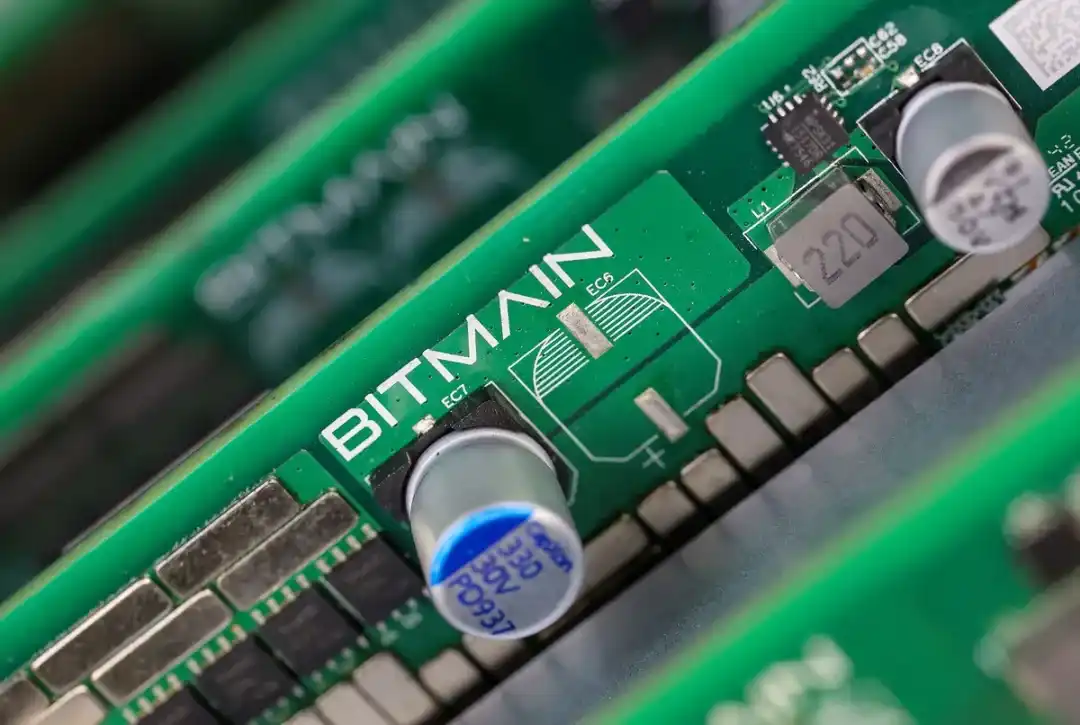
Bitmain's circuit boards
As these plans move forward, Michael Ho downplayed security concerns regarding Bitmain's products. "It has been clearly demonstrated that these ASIC chips are programmed for one purpose only: to compute the SHA-256 algorithm," he said in a September interview with Bloomberg Television. He described choosing Bitmain miners as acquiring the most advanced technology available: "Bitmain remains the most competitive and efficient."
Even with the most powerful equipment, Bitcoin mining is now harder to profit from than ever before. Over the past six months, the price of Bitcoin has dropped more than 40% to around $74,000 per coin, with approximately 95% of its fixed supply already mined. American Bitcoin’s stock price has fallen nearly 90% from its peak in September last year, with a market capitalization of about $960 million. On February 26, the company reported a quarterly loss of $59 million. Nevertheless, Eric’s association with the company has still generated substantial profits for him.
The filing shows no indication that he invested a large amount of capital when the company was founded, but his shares are currently worth approximately $75 million based on the prevailing stock price. If bitcoin rebounds, whether driven by government policy changes or other market factors, the value of his shares and those held by his brother, Donald Jr., is likely to rise significantly.
Bitmain is working with customers to address allegations of security vulnerabilities. Several months after the Biden administration ordered the removal of Bitmain’s mining equipment near a nuclear missile base in Wyoming, U.S. mining company CleanSpark Inc. took over the site. The company quickly reinstalled mining rigs purchased from Bitmain’s U.S. subsidiary, with contracts stipulating that all equipment must be "originally manufactured outside of China" or any country under U.S. sanctions. CleanSpark stated in a declaration that it prioritizes national security and operates "fully legally," adding that its Wyoming operational agreement was "only finalized after approval from the Committee on Foreign Investment in the United States."
Meanwhile, American Bitcoin is expanding its partnership with Bitmain. In a filing with the U.S. Securities and Exchange Commission in September, the company disclosed plans to purchase an additional 16,000+ Antminer units. The terms are unusual: the company will not pay cash, but instead settle payment by "staking" Bitcoin, at a price not disclosed, effectively creating an option structure exercisable at any time over two years. Some industry experts believe this arrangement, particularly the lengthy exercise period, is exceptionally favorable to American Bitcoin.
Another collaboration between the two companies is taking shape in the Texas Panhandle: a data center the size of five football fields, likely one of the world’s largest Bitcoin mining facilities. Bitmain and American Bitcoin jointly designed the project, named Vega, which began operations in June. According to Michael Ho, the mine is equipped with the latest liquid-cooled Antminer machines.
Bitmain views American Bitcoin more as a partner than merely a customer. Last year, Irene Gao and Genoot jointly attended the Bitcoin Asia cryptocurrency conference in Hong Kong. The two sat on stage, with a large screen behind them displaying the Vega project, reportedly costing $500 million to build.
Irene Gao claimed that Bitmain's latest mining machine, the S23 Hydro Antminer, has received over $1 billion in pre-orders. This practical gray miner is priced at $17,400 per unit. “All of these machines will be manufactured in the United States,” she said.
The next day, Irene Gao was interviewed by BusinessWeek in her suite at the Grand Hyatt Hotel on Hong Kong’s waterfront. She emphasized that the sale of Antminer machines and joint projects like Vega were just the beginning of Bitmain’s collaboration with American Bitcoin. “We can work with them in a highly flexible manner, fully customizing solutions to meet their needs,” she said. “We deploy the mining machines within their infrastructure, either bundling them for sale to our customers or selling them to their affiliated companies.” However, she repeatedly declined to answer more specific questions about the relationship between the two companies.
The topic Irene Gao most wants to explore is her optimistic outlook on Bitcoin’s future, particularly Bitmain’s future. She says her confidence stems in part from the evolution of events like this one. “You’ll see a lot of influential people,” she says, not just crypto enthusiasts, but also representatives from traditional finance.
Among the keynote speakers appearing the next day is Eric Trump, who will ignite the audience with an inspiring forecast: Bitcoin prices will surpass $1 million, about 14 times the current level. “This is a good sign,” said Irene Gao regarding attendance, “a thriving scene.”
Click to learn about the open positions at BlockBeats
Welcome to the official BlockBeats community:
Telegram subscription group: https://t.me/theblockbeats
Telegram group: https://t.me/BlockBeats_App
Official Twitter account: https://twitter.com/BlockBeatsAsia