





Original author: ChandlerZ, Foresight News
During the Qingming Festival holiday, A-share and Hong Kong stock markets are closed, but Bitcoin trading never stops.
Starting April 6, BTC rose from an early Asian session low of $67,400 to intraday highs above $70,300, reaching its highest level since March 26 and climbing over 4% from the daily low. Ethereum rose from around $2,050 to $2,170 during the same period, gaining approximately 6%, and remained above $2,140 at the close of U.S. equities markets, up nearly 4% over 24 hours.
CoinGlass data shows that the total liquidations across the network over the past 24 hours amounted to approximately $229 million, with $127 million in short positions and $102 million in long positions liquidated. When BTC surged past $69,000, approximately $136 million in short positions were concentrated near $69,863, triggering a large-scale wave of short liquidations.
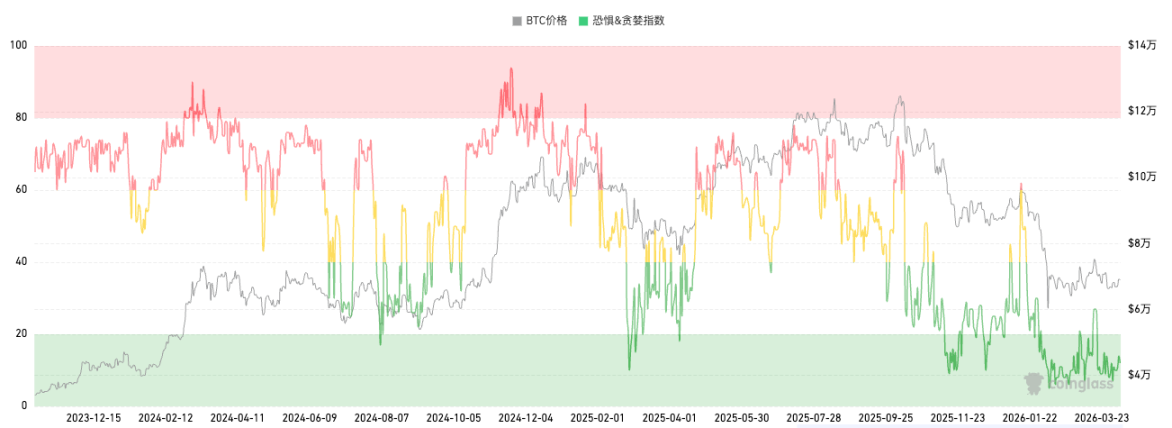
Holiday market conditions are dominated by the situation in the Middle East.
The macroeconomic driver behind this rally remains Iran, but the situation has evolved.
On March 21, Trump issued Iran a 48-hour deadline to reopen the Strait of Hormuz, but later extended it by over a week and instead announced the initiation of diplomatic negotiations. In the following weeks, he wavered between stating that the strait would reopen only upon reaching an agreement and asserting that reopening the strait did not require a deal, causing markets to fluctuate with every headline. The second deadline, set for 8:00 PM on April 7, came with escalated language: if no agreement was reached by then, Iran would “live in hell,” and he threatened to strike energy infrastructure and civilian targets.
Meanwhile, on April 7, U.S. Secretary of Defense Hegseth announced at a press conference that the largest airstrike since the start of operations against Iran would be launched that week. However, at the same press conference, Trump stated that Iran had willing and constructive participants in negotiations and revealed that the U.S. and Iran were discussing a two-phase plan: first, a 45-day temporary ceasefire, followed by negotiations for a comprehensive agreement. Iran publicly rejected the temporary ceasefire, insisting on a permanent end to hostilities, leaving the negotiations in a deadlock.
When asked if he was gradually ending the war, Trump replied, "I don't know, I can't say. It depends on their actions (Iran)."
Affected by this macroeconomic environment, international markets have also experienced fluctuating movements.
WTI May crude oil futures settled at $112.41 per barrel, marking a second consecutive trading day of highs not seen since June 2022; Brent futures stood at $109.77 per barrel. Crude prices briefly touched $115.48 during Asian trading, then fluctuated multiple times, reflecting deep market divisions over whether the Strait of Hormuz can remain open for navigation.
In U.S. markets, the S&P 500 rose 0.44%, and the Nasdaq gained 0.54%, both reaching their highest levels in at least two weeks. The semiconductor index advanced over 1%, with Micron and SanDisk rising more than 3%. The VIX stood at 24.15, slightly higher than the previous day.
This combination of rising oil, stocks, and cryptocurrencies appears contradictory on the surface but follows a consistent underlying logic: the market was not pricing in escalation of conflict, but rather the elimination of the worst-case scenario. News of a 45-day temporary ceasefire framework temporarily removed tail risks of systemic collapse, prompting a collective rebound in risk appetite and synchronized rallies across all three asset classes. Oil prices remain elevated because the Strait of Hormuz has not yet resumed normal operations, but they are no longer accelerating upward—indicating that the market has found a temporary equilibrium where things won’t get worse, but haven’t yet improved.
Interactive Brokers' Chief Strategy Officer Steve Sosnick commented, "The market sees both the carrot and the stick—on one hand, ceasefire negotiations; on the other, continued bombing. Aside from brief volatility following Trump’s initial remarks, investors clearly still hope that hostilities will not escalate rapidly."
Notably, this trend has held since the outbreak of the conflict in Iran. From the start of the conflict on February 27 to April 3, the top four performers in excess returns relative to the S&P 500 were the MSCI Global Energy Index (+13.0%), Ethereum (+11.3%), the U.S. Energy Sector (+10.8%), and Bitcoin (+7.0%).
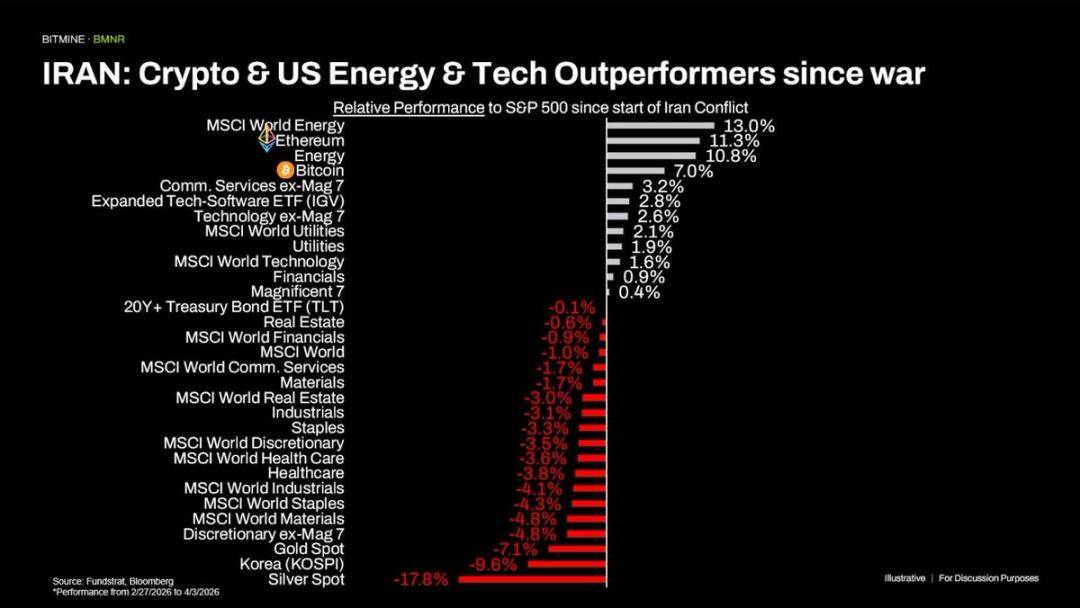
Conversely, traditional safe-haven assets performed unexpectedly: gold fell 7.1% against the S&P 500, and silver dropped 17.8%, directly contradicting the market's historical tendency to buy gold as a hedge during previous geopolitical conflicts.
On-chain structure has improved, but new funds have not yet followed.
Glassnode's report shows that the internal structure of this rally is beginning to show signs of repair, with strengthening momentum, stabilized spot demand, and a significant reduction in overall market loss-making behavior.
The spot market shows early signs of recovering demand, with Spot CVD reversing from -$47.8 million to +$27.9 million, shifting from net selling pressure to net buying pressure. The Relative Strength Index (RSI) has strongly rebounded, and the spot CVD turning positive indicates renewed buyer enthusiasm. However, declining trading volume suggests market participation remains relatively low, hinting at a promising recovery that has not yet been fully confirmed.
Derivatives market positions saw only minor adjustments, with open interest declining and long-term capital inflows cooling, indicating reduced leverage and a more balanced market environment. The perpetual contract CVD rebounded significantly from -$412 million to $461 million, showing clear bullish sentiment in the futures market. Open interest decreased from $30.3 billion to $29.7 billion, with no signs of excessive leverage buildup.
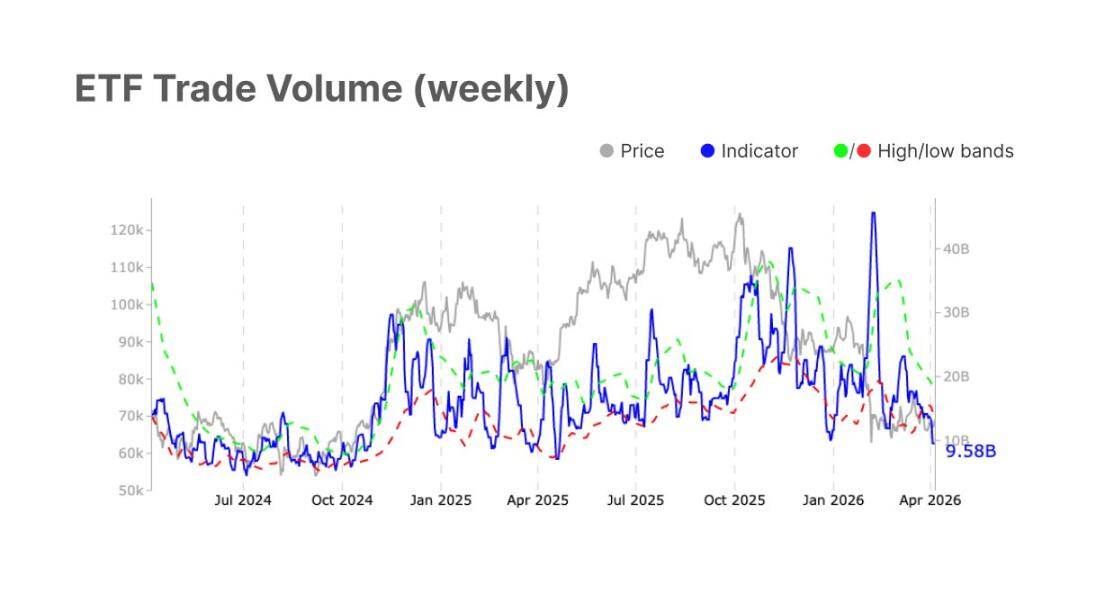
ETF funding conditions have significantly improved, with the weekly net outflow from U.S. spot Bitcoin ETFs narrowing sharply from -$405 million to -$22 million—a reduction of nearly 95%. The ETF MVRV rose from 1.10 to 1.16, indicating expanded paper profits for institutional holders.
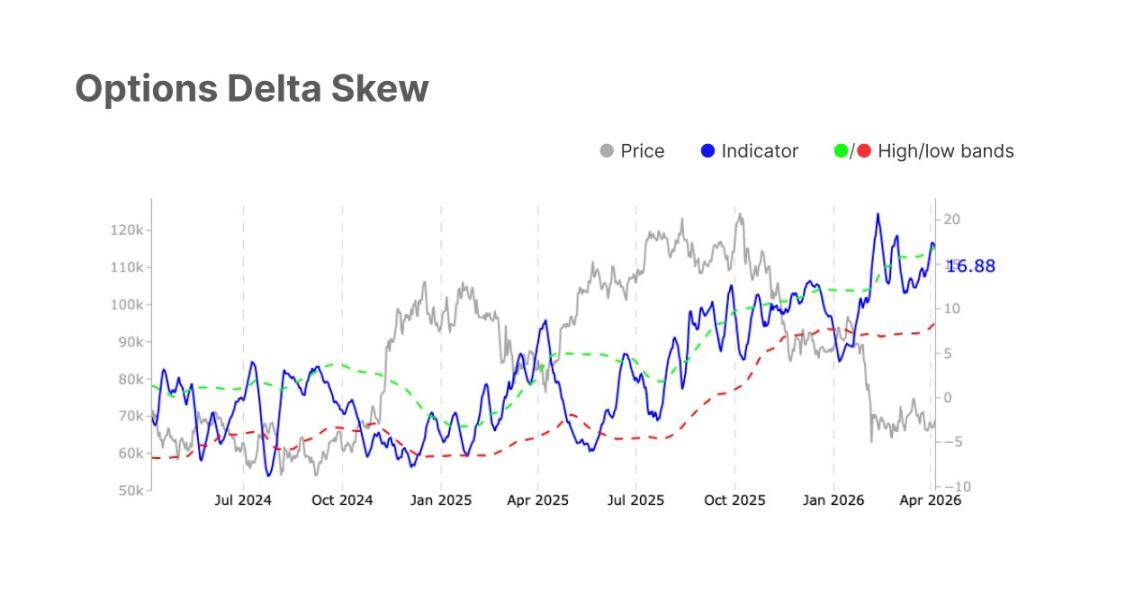
However, the recovery of on-chain fundamentals remains lagging: realized market cap change further declined from -0.6% to -0.7%, indicating that new capital has not yet flowed back in significant amounts; the Hot Capital Share dropped from 21.0% to 20.1%, signaling continued outflow of short-term speculative funds; and the 25-Delta skew rose to 16.88%, showing that options markets have not priced out downside risk despite the price rebound.
Next steps in the crypto market
Will the market rally continue? Institutional views are divided.
CoinDesk, citing analyst views, said that unless Bitcoin regains $75,000, the risk of further declines remains; if the current price fails to hold above $70,000, it could face renewed selling pressure following a loss of confidence among short-term holders.
Glassnode’s conclusions are relatively cautious, noting improved momentum for the rebound, stabilized spot demand, and a significant reduction in loss-making selling pressure. However, participation remains soft across exchanges, ETFs, and on-chain metrics, indicating that market confidence has not yet fully returned. For this rally to gain solid footing, further support is needed in trading volume, capital inflows, and network activity.
April 7 is the deadline set by Trump. Whether the situation sees a substantive de-escalation after the deadline will directly determine the next move for oil prices and risk assets, and will be a key factor in whether Bitcoin can hold at $70,000.