





Amid a persistently divergent global macro environment and evolving asset allocation frameworks, BIT, a global digital asset financial services group, hosted the “Global Asset Strategy Forum” on April 22, 2026, in Central, Hong Kong, under the theme “Beyond Cycles, Defining the Future.” The event brought together industry representatives from financial institutions, crypto platforms, and professional service firms, including Cynthia Wu, BIT Founding Partner & CCO; Wendy Sun, BIT CBO; Daniel Lee, CEO of Cactus Custody; Daniel Yu, Head of BIT Asset Management; Elio Cui, Head of BIT Brokerage; and Josh Wu, Head of Business Development at Matrixdock, who attended in person. Additional guests included Colin Wu, Editor-in-Chief of Wu Shuo; renowned financial blogger Roger Lee; and representatives from OSL, JunHe LLP, Ondo Finance, and Uweb.
多位嘉宾从不同专业视角出发,围绕跨市场投资机会、合规稳定币的监管路径,以及黄金和白银在数字经济中的角色等核心议题,深入探讨了从宏观趋势到资产配置的新范式,共同展望 Web3 时代的投资未来。

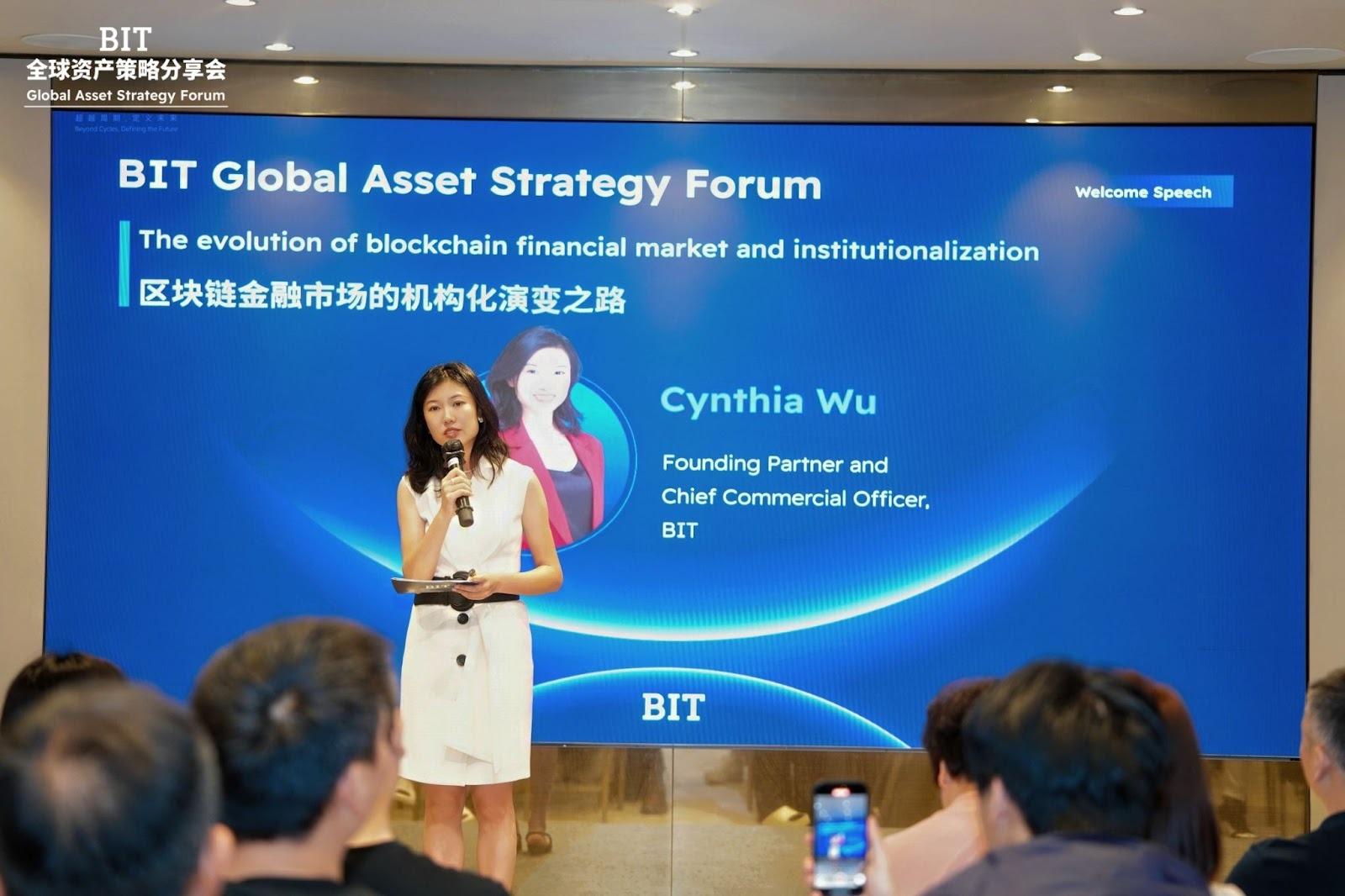
In her opening remarks, BIT Founding Partner and CCO Cynthia Wu reviewed the evolution of the blockchain financial market, noting that the industry is entering a new phase of full institutionalization. From its early stage driven by mining and retail speculation, through the expansion phase fueled by DeFi and NFTs, to the current development stage characterized by increasingly clear regulation, approval of spot ETFs, and the rise of RWA, digital assets are rapidly integrating into mainstream asset allocation frameworks.
She emphasized that this transformation is reflected not only in the changing participants but also in the ongoing improvement of infrastructure, risk management, and compliance systems. Compared to the traditional financial asset market, which exceeds $400 trillion in size, on-chain assets are still in their early stages, and RWA will serve as a vital bridge connecting the two. In this context, building financial infrastructure and asset systems tailored for institutions will become a key direction for the industry’s next phase of development. At the same time, Cynthia also shared BIT’s brand ethos, emphasizing the foundation of integrity and trust in connecting traditional finance with digital assets to jointly build a financial system for the future.
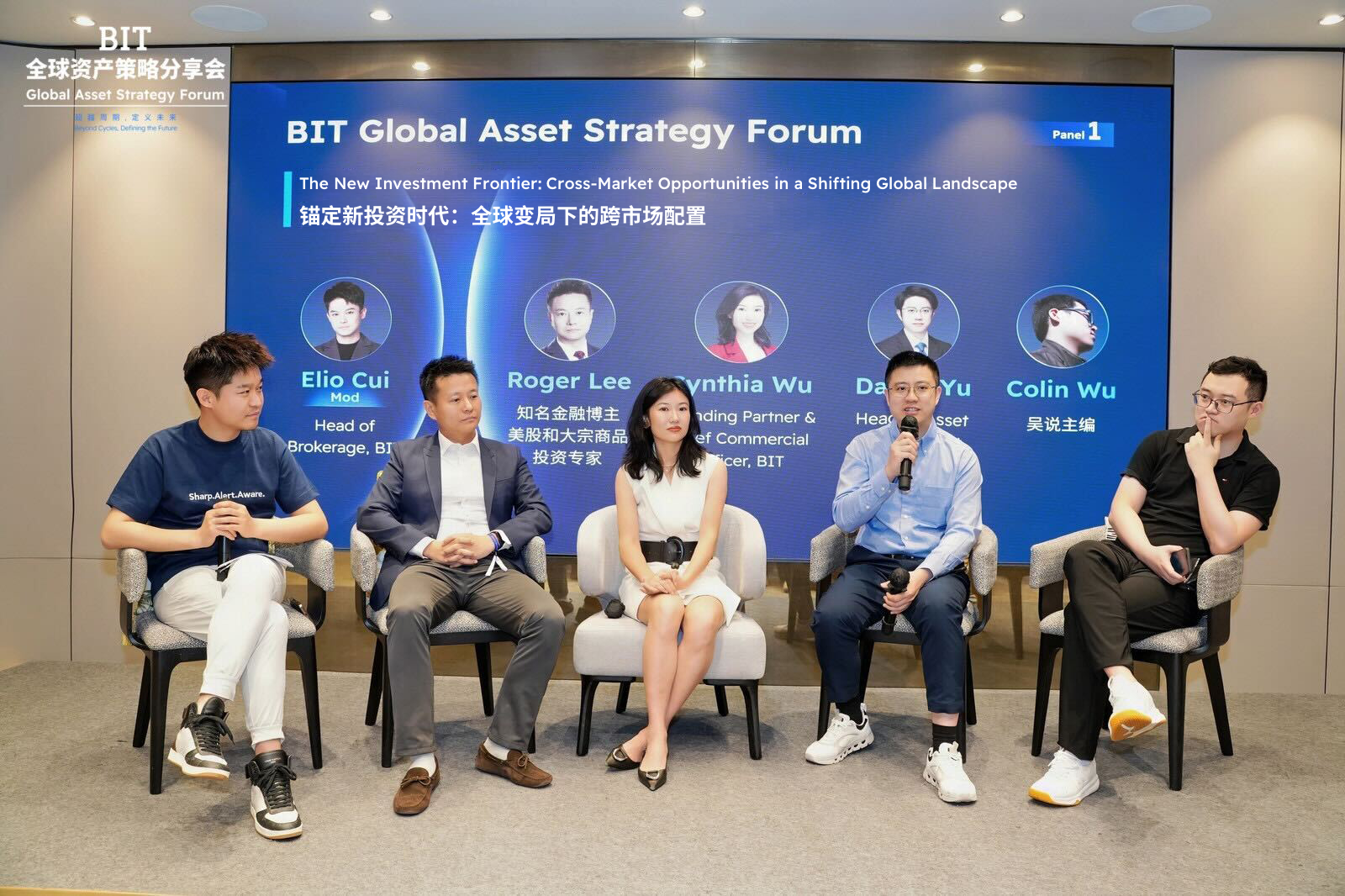
In the first discussion on Web3 and traditional market trends, panelists generally agreed that a clear structural "reversal" is emerging between the two. On one hand, the Web3 market is gradually returning to rationality, shifting toward profit-driven and fundamentals-based models, while purely token-launch-driven approaches continue to cool down. On the other hand, the traditional stock market, fueled by the AI boom, is experiencing simultaneous expansion in valuations and sentiment, with capital and attention increasingly flowing toward U.S. equities. This trend reflects a temporary reallocation of capital: funds previously active in crypto markets are moving toward traditional markets offering greater certainty and stronger industry narratives. Against this backdrop, demand for cross-market allocation is rising, and traditional assets such as U.S. stocks are increasingly becoming key areas of interest for digital asset investors.
From a macroeconomic and industry perspective, the current market environment also supports risk assets. The U.S. economy is exhibiting a "Goldilocks" scenario, maintaining a relative balance between growth and inflation, while the commercialization of the AI industry is accelerating, driving rapid revenue growth for companies and further bolstering market confidence. In contrast, the cryptocurrency market remains highly volatile, whereas the stock market places greater emphasis on industry chain dynamics and forward-looking strategic positioning—particularly in AI hardware and infrastructure—where investment opportunities rely more heavily on medium- to long-term assessments. Overall, capital, narratives, and structural opportunities are being reallocated, propelling both markets into a new phase.
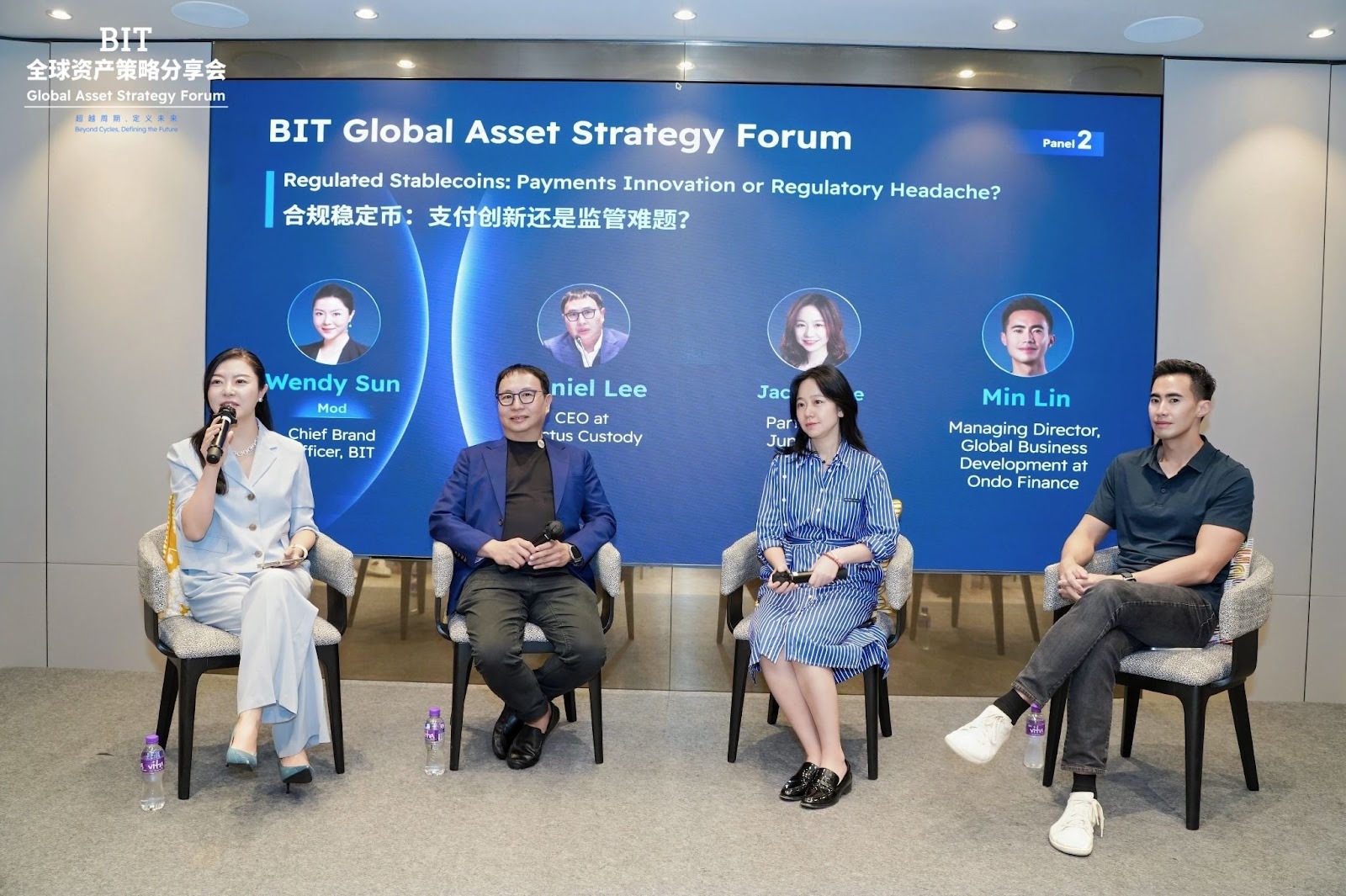
During the roundtable discussion on compliant stablecoins, panelists engaged in an in-depth exploration of regulatory pathways and trust mechanisms. As major jurisdictions including the United States, Hong Kong, the European Union, and Singapore progressively advance relevant legislation, stablecoins are gradually being brought under clear regulatory frameworks. Panelists generally agreed that a “compliant stablecoin” must obtain regulatory approval or a license in its respective jurisdiction and be backed by fiat currency as its underlying asset; in contrast, algorithmic stablecoins continue to face significant uncertainty regarding compliance.
At the level of trust mechanisms, panelists noted that the foundational basis for stablecoins is shifting—from the early regulatory context’s informal notion of “stablecoins” to their formal inclusion in legal language, reflecting a change in regulatory attitudes. Meanwhile, the industry has gradually reached a consensus on core issues such as stability, reserve adequacy, and regulatoriability: ensuring redemption capacity through full reserves and enhancing transparency and regulatory visibility through on-chain tracking technologies. Overall, the trust foundation of stablecoins is evolving from a single credit endorsement to a system jointly supported by assets, structure, and regulation. Wendy Sun also stated that, at this stage, compliant stablecoins are beginning to gain clearer institutional recognition.
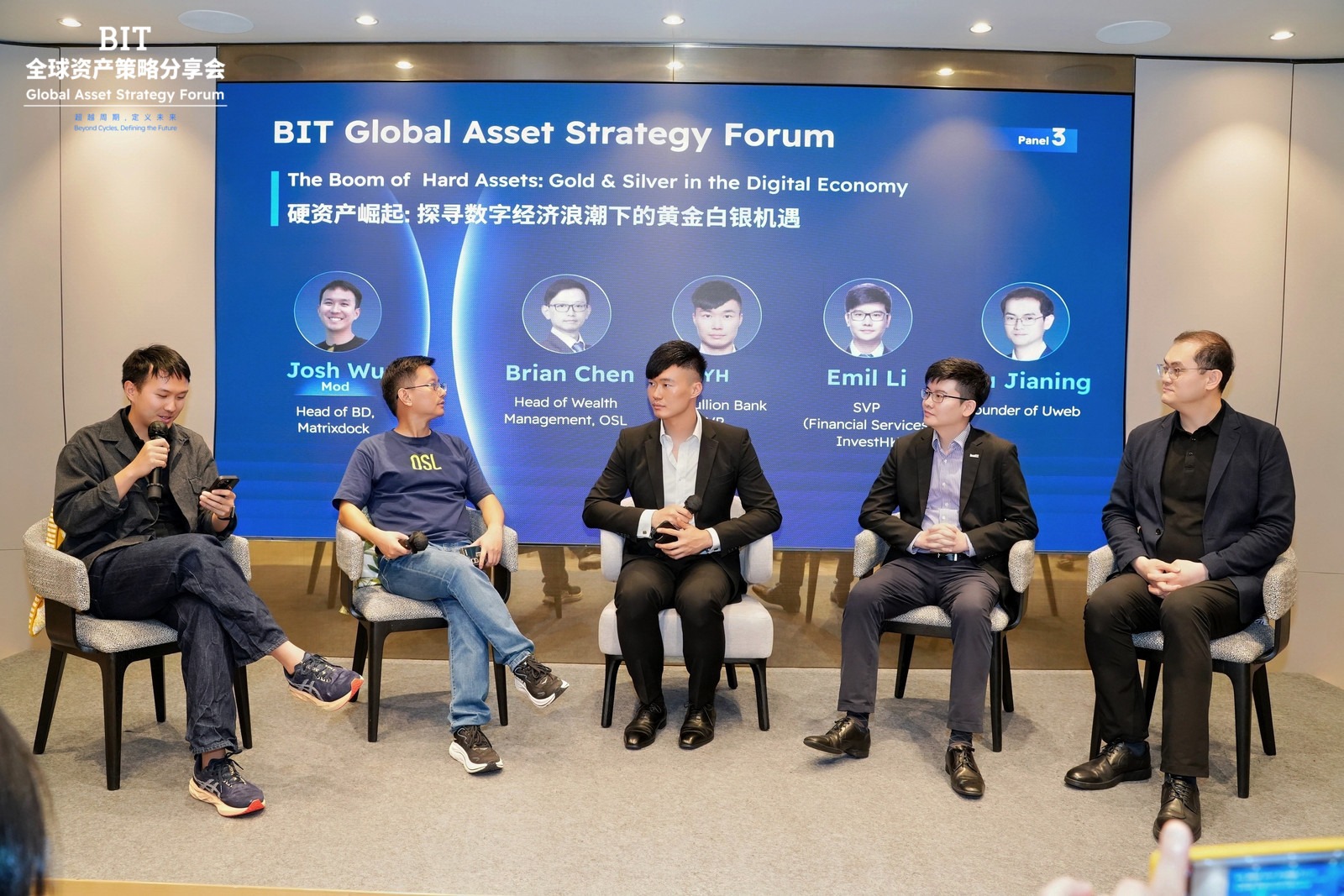
During the RWA panel discussion, guests analyzed the pricing logic and structural characteristics of precious metal assets such as gold. Overall, as a classic low-risk asset, gold’s price performance is closely tied to the U.S. interest rate cycle and liquidity conditions: during periods of declining interest rates, the opportunity cost of holding gold decreases, while a weaker dollar further supports its relative appreciation. Additionally, geopolitical factors, fluctuations in energy prices, and shifts in monetary policy expectations can further amplify gold’s price volatility and upward momentum.
From a supply and demand perspective, precious metal supply is relatively inelastic and difficult to significantly increase in the short term, while continuous central bank gold purchases provide long-term price support, though not a dominant short-term factor. Overall, the core pricing drivers for gold and similar assets remain macroeconomic interest rates and liquidity expectations. Against this backdrop, precious metals—with their “low-risk profile + macro hedging capability”—are emerging as one of the most representative underlying asset types within the RWA ecosystem.
This session presents a clear path for the digital assets industry as it moves into its next phase, examining multiple dimensions including macro cycles, market structure, and institutional evolution: transitioning from narrative-driven to structure-driven growth, from isolated markets to cross-market integration, and from experimental exploration to institutionalization and formalization. Throughout this process, whether through compliant stablecoins, RWA asset systems, or infrastructure built for institutions, all efforts fundamentally address the same question: How can we build a financial system with a stronger foundation of trust?
This is precisely the core focus BIT emphasizes: building a long-term, sustainable financial structure based on trust, connecting different markets, assets, and participants above market cycles.
Disclaimer: This article presents a summary of industry summit insights and macro trends and does not constitute any investment advice, financial product recommendation, or solicitation to trade. The market involves uncertainty and various risks; the views expressed herein are for reference only.