





Pay attention to "boring" industries that still rely on phones, faxes, and outdated processes, such as law, construction, and elder care—these areas hold tremendous potential for AI transformation.

Guest: Greg Isenberg
Podcast source: Greg Isenberg
23 AI Trends Keeping Me Up at Night
Broadcast date: April 2, 2026
Key points summary
In this episode, I’ll walk you through the complete list of AI trends and opportunities that kept me up all night—literally. From the “one-hour company stack” to environmental businesses, vertical AI, the agent economy, and the real security threats I see, I’ll share why I believe this is the most asymmetric window in startup history. I’ll also share the framework I use to think about what to build, what to avoid, and why acting now is more important than waiting for things to stabilize.
Key Insights Summary
One-Hour Company Stack
Old vs New Timeline
Ambient Business and Autonomous Companies
Agent Economy Timeline
Agent hires Agent
Vertical Agent Map
Vertical AI vs Vertical SaaS
Opportunities in Vertical Markets
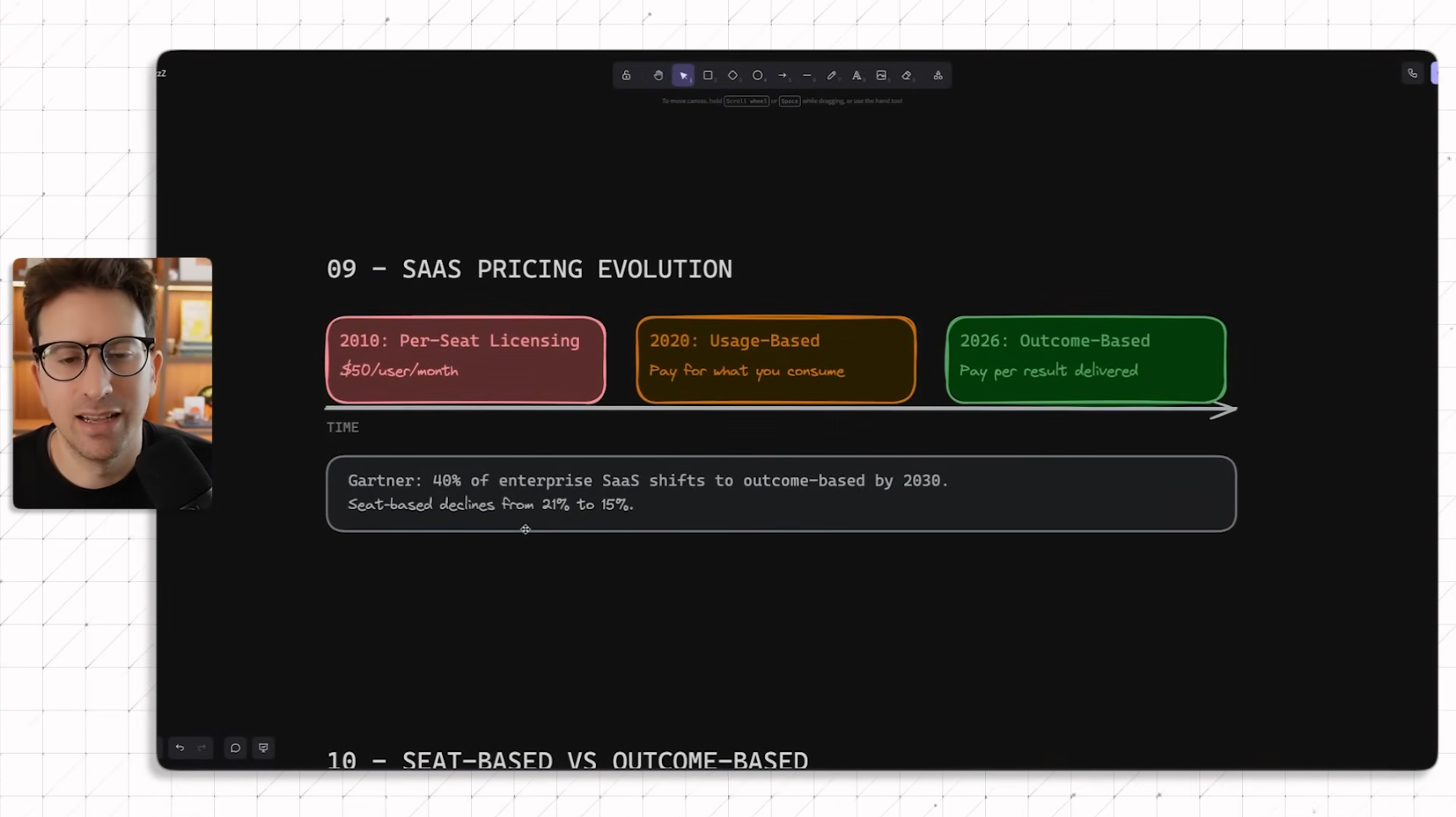
SaaS Pricing Evolution
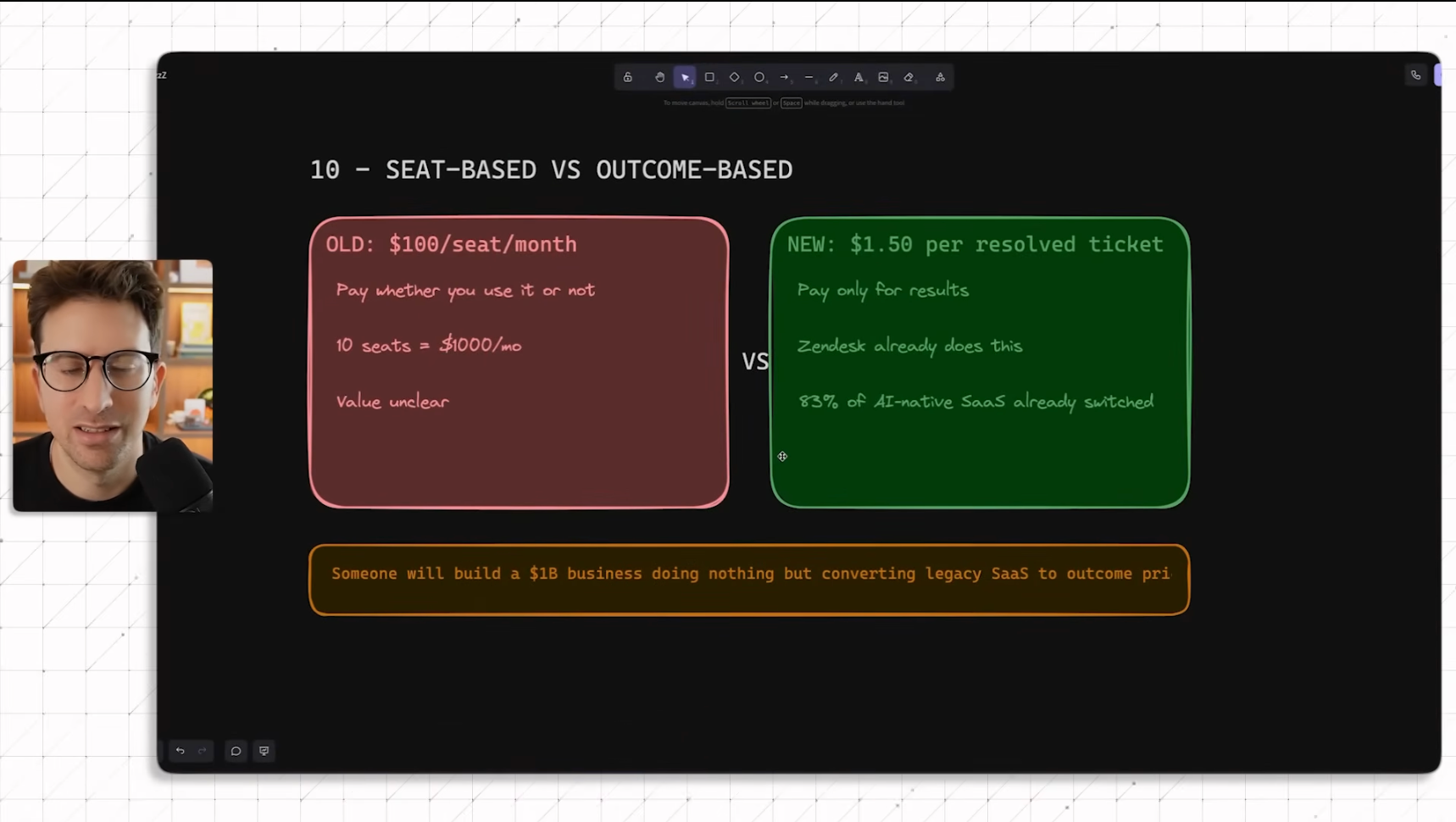
Pay by seat vs Pay by outcome
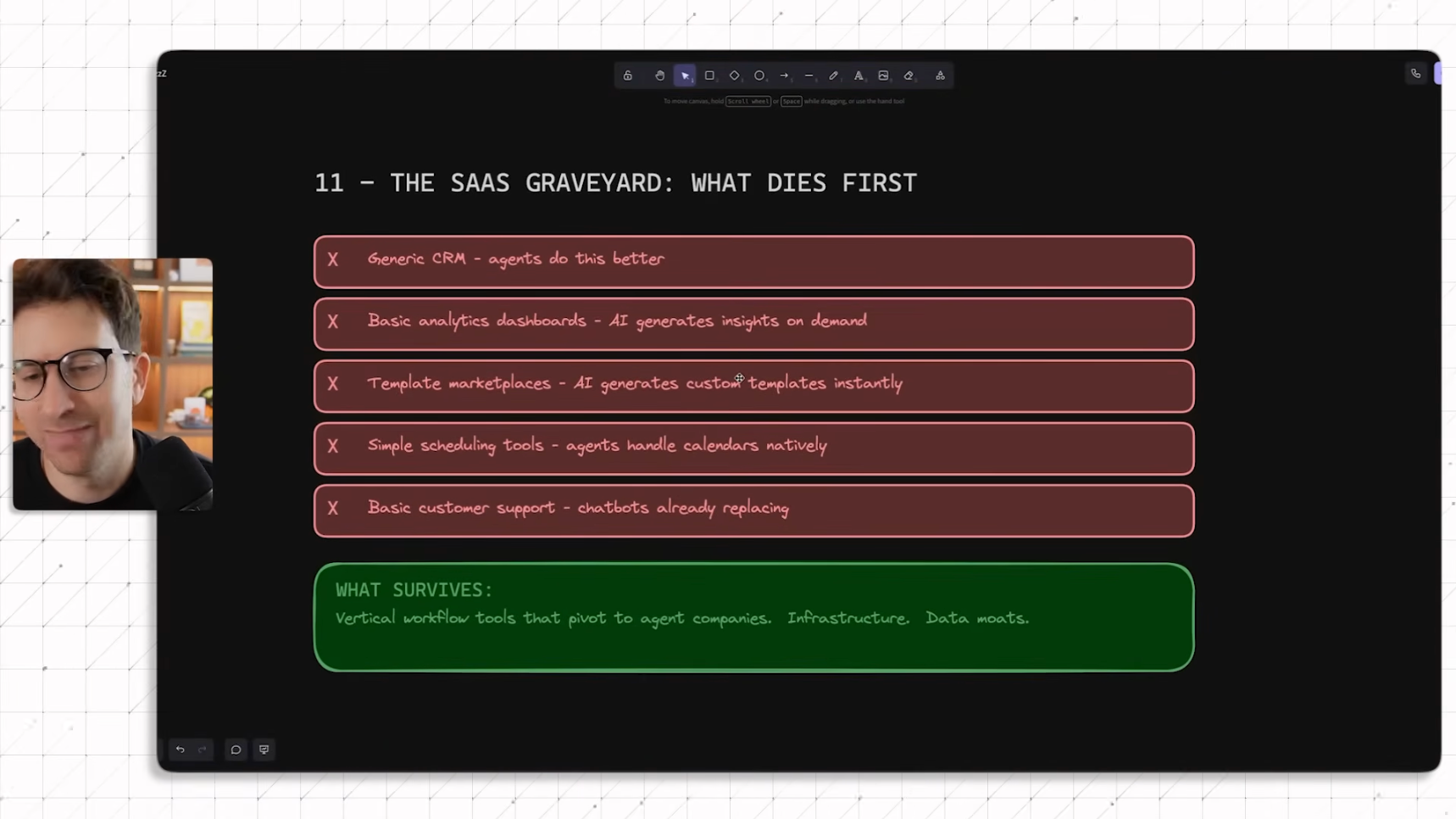
The SaaS Graveyard
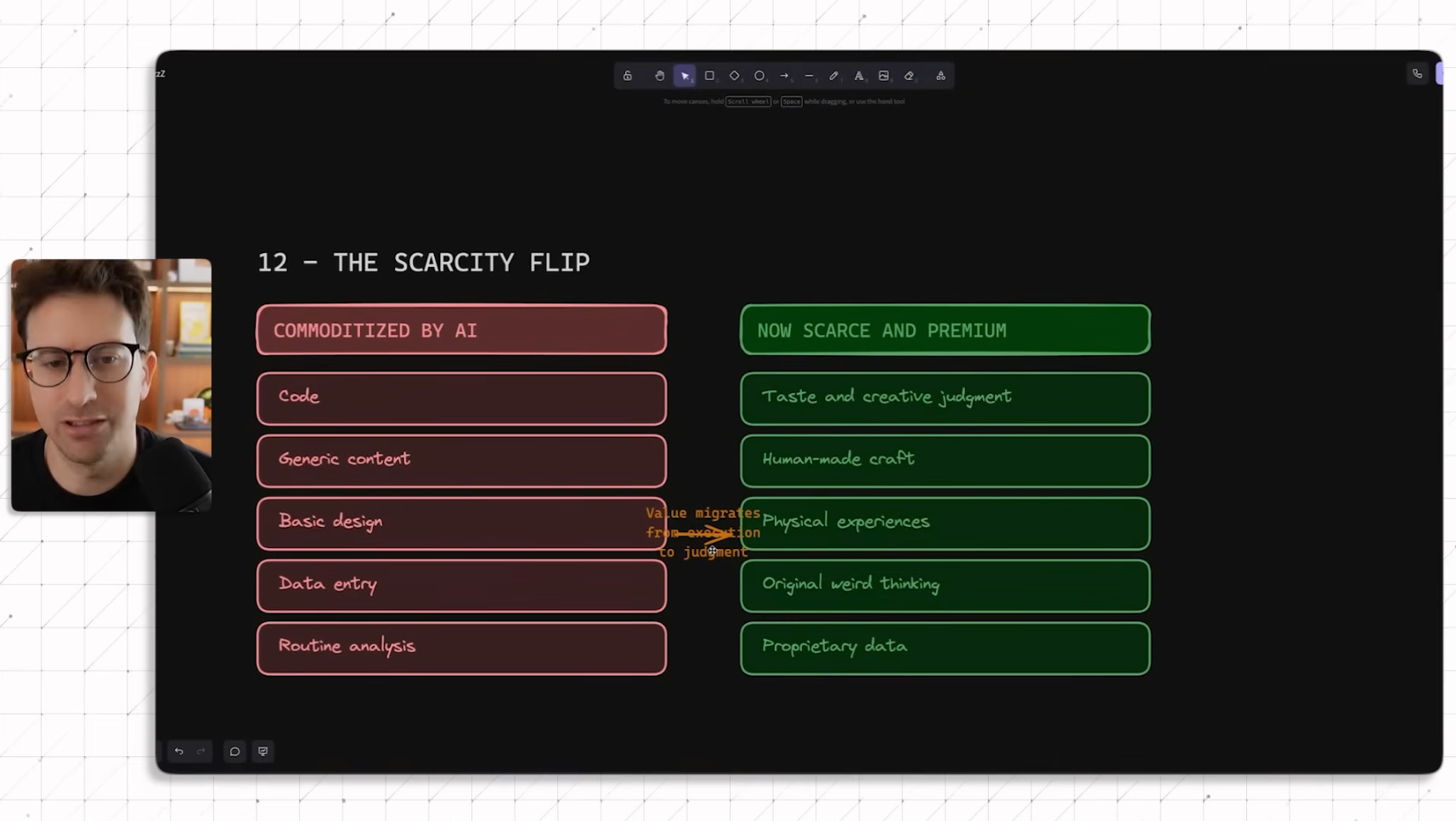
Scarcity Flip
Premium (Handcrafted)
The experience economy is booming
Founder-Agent Fit
Ghost Teams
Micro-monopolies
Agent Potential Security Threats
Agent Injection vs Phishing
Agent Permission Management
The golden window is closing.
Why Asymmetric
Building in Public
[Trend 1: One-Hour Startup Tech Stack]
Greg Isenberg:
Hi everyone! Today, I want to talk about the things in the AI space that keep me up at night. I’ve put together a list filled with exciting opportunities, concerning challenges, and some hands-on ideas you can try right away. If you stick with me through this entire episode, you might find yourself as obsessed with these issues as I am. Perhaps this content will spark your inspiration, deepen your understanding of the technological and societal landscape we’re in today, and shed light on some of the things that worry me.
I want to share with you the ideas that kept me up at night—the ones that filled me with energy and felt incredibly exciting. Maybe you’ll find them thrilling too. If you’re listening to this show, I suspect you’re someone who’s great at spotting opportunities—probably spending 90% of your time thinking about new possibilities and 10% feeling anxious about the unknown, yet still relentlessly seeking the ideas and inspiration that move you forward.
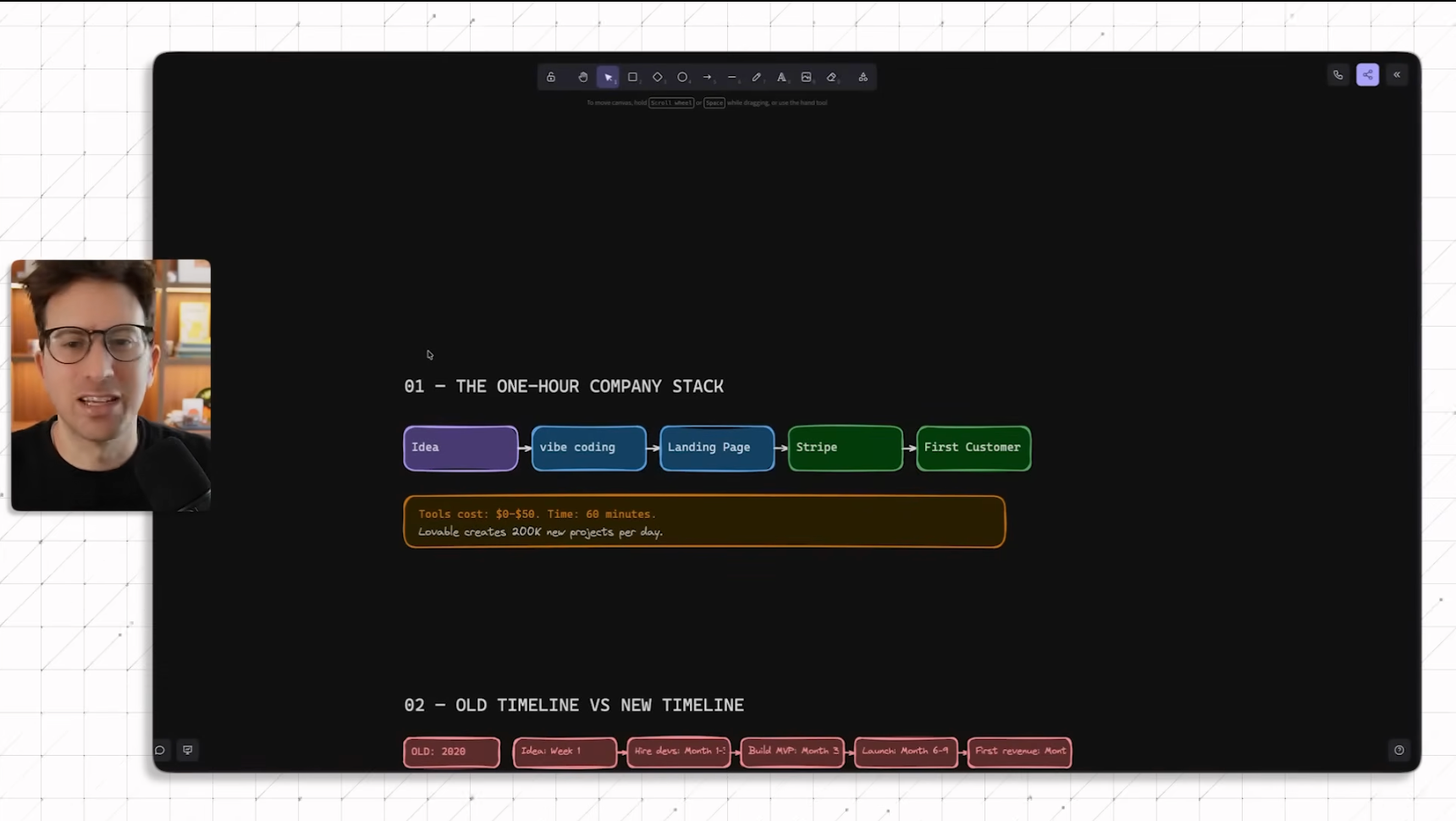
First, I want to talk about a concept that has repeatedly struck me: the “one-hour startup tech stack.” Imagine you have an idea—you quickly write some code using vibe coding, build a simple landing page, and integrate a payment tool like Stripe, and suddenly you’ve attracted your first customers. Just the possibility of this is astonishing! Even more so, you can directly visit websites like ideabrowser.com to pick from a selection of already validated ideas, then implement them using your favorite vibe coding tools. This ability is incredible—you can launch a new company in a single day.
From my perspective, I’ve been thinking about how to maximize the potential of this ability. I don’t want to just focus on starting one company and spending six months validating whether it works. Instead, I want to create a culture or system that allows me to launch multiple companies simultaneously and test different ideas—whether targeting the same user group or multiple distinct markets (we’ll get to user groups later). The entire concept of the “one-hour startup tech stack” continually pushes me to think about how to use it more effectively.
[趋势 2:旧 vs 新创业时间线]
Greg Isenberg:
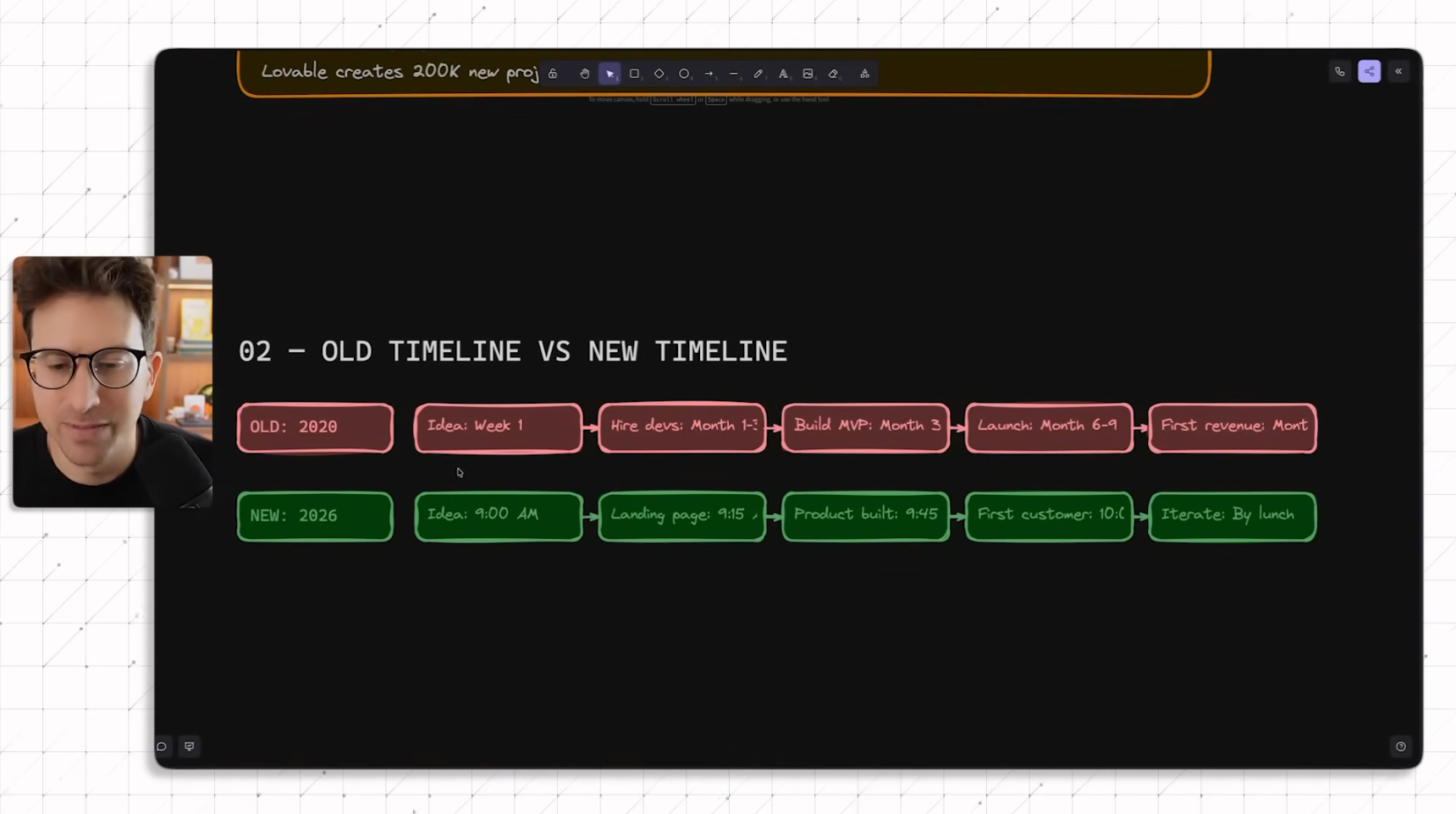
The second trend that continually strikes me is the comparison of startup timelines between the old era and the new era. This is also closely related to the first trend. In the past, the process of starting a company typically went like this: you had an idea, then needed to hire a few developers (assuming you could find the right people), and spent several months developing the product. If everything went smoothly, you might not launch a minimum viable product (MVP) until the third month, followed by promotion and listing on platforms like Product Hunt to generate some attention. Ultimately, it could take up to 12 months before you earned your first dollar.
By 2026, this process had been completely transformed. You might come up with a new idea at 9 a.m., or simply pick a validated idea from the Idea Browser, start coding with vibe coding at 9:15 a.m., have the product finished by 9:45 a.m., land your first customer at 10 a.m., and by lunchtime, you’re already iterating based on customer feedback. Someone might question: “How is that possible? Isn’t that just a bunch of immature code written with vibe coding?” But in reality,
Several key factors explain why this has become possible today. First, you can use an agent engineering platform, not just a simple vibe coding platform. Tools like Claude Code, or similar competitive products such as Codeex and Google AI Studio, have become incredibly powerful. Advances in these tools enable us to rapidly build comprehensive solutions. Simply by leveraging these tools, you can accomplish many tasks that were previously difficult or impossible—something that is already highly exciting.
Second, you need an email list, an audience, or a customer base to truly attract users. Otherwise, finding customers will be extremely difficult. However, if you are already working on building distribution channels and have made progress in this area, it will give your business a significant advantage. This is also one of the main reasons I’ve been unable to sleep recently—I’ve been deeply thinking about how to leverage AI technology to optimize the construction of distribution channels.
In addition, I’ve been reflecting on the contrast between traditional timelines and new ones. The emergence of AI enables us to achieve goals that once required substantial resources and time, now at a lower cost and much faster speed. This shift is fundamentally transforming our understanding of time and efficiency, opening up entirely new possibilities for entrepreneurs.
Trend 3: Atmosphere-driven Businesses and Autonomous Companies
Greg Isenberg:
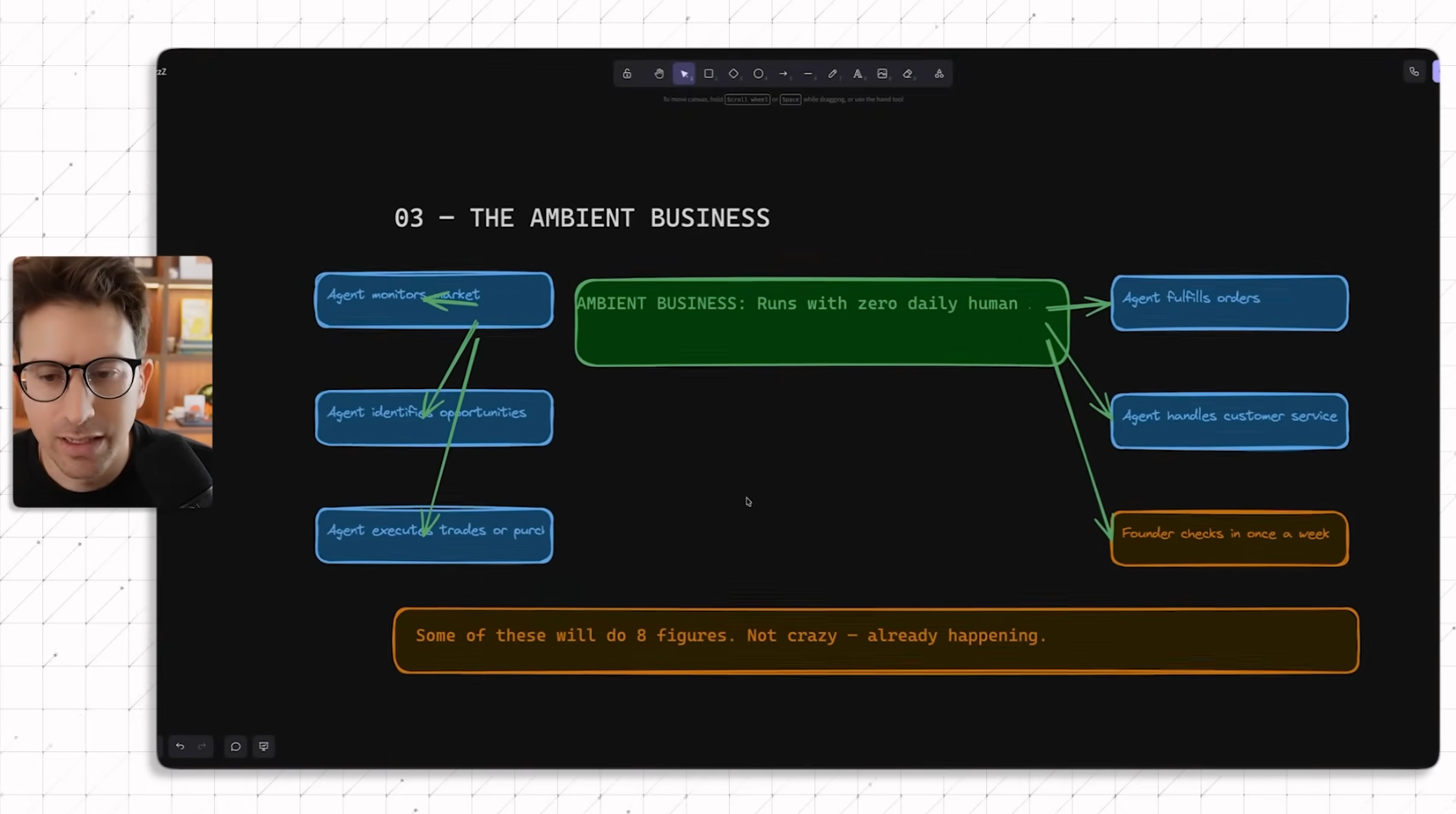
Another thing that kept me up at night is the concept of “atmospheric businesses” or “autonomous companies.” An atmospheric business refers to a business model that requires little to no human intervention. These businesses are automatically managed by AI agents that handle market monitoring, opportunity identification, task execution, and customer support. As an operator, you only need to check in every few days to monitor performance and track progress.
I believe we are quickly entering an era where these ambient businesses or autonomous companies can achieve annual revenues in the millions. This concept is truly captivating. Although we are still in the early stages and many software solutions for autonomous companies remain crude, I am confident this direction is correct. I like to describe this trend as the "arrow of progress," driving us toward a future of ambient or autonomous businesses—in which you no longer need to micromanage every detail of your operations, because robust governance mechanisms ensure agents act in alignment with the intended goals. I believe this field holds tremendous commercial potential.
[ Trend 4: The Agent Economy Timeline ]
Greg Isenberg:
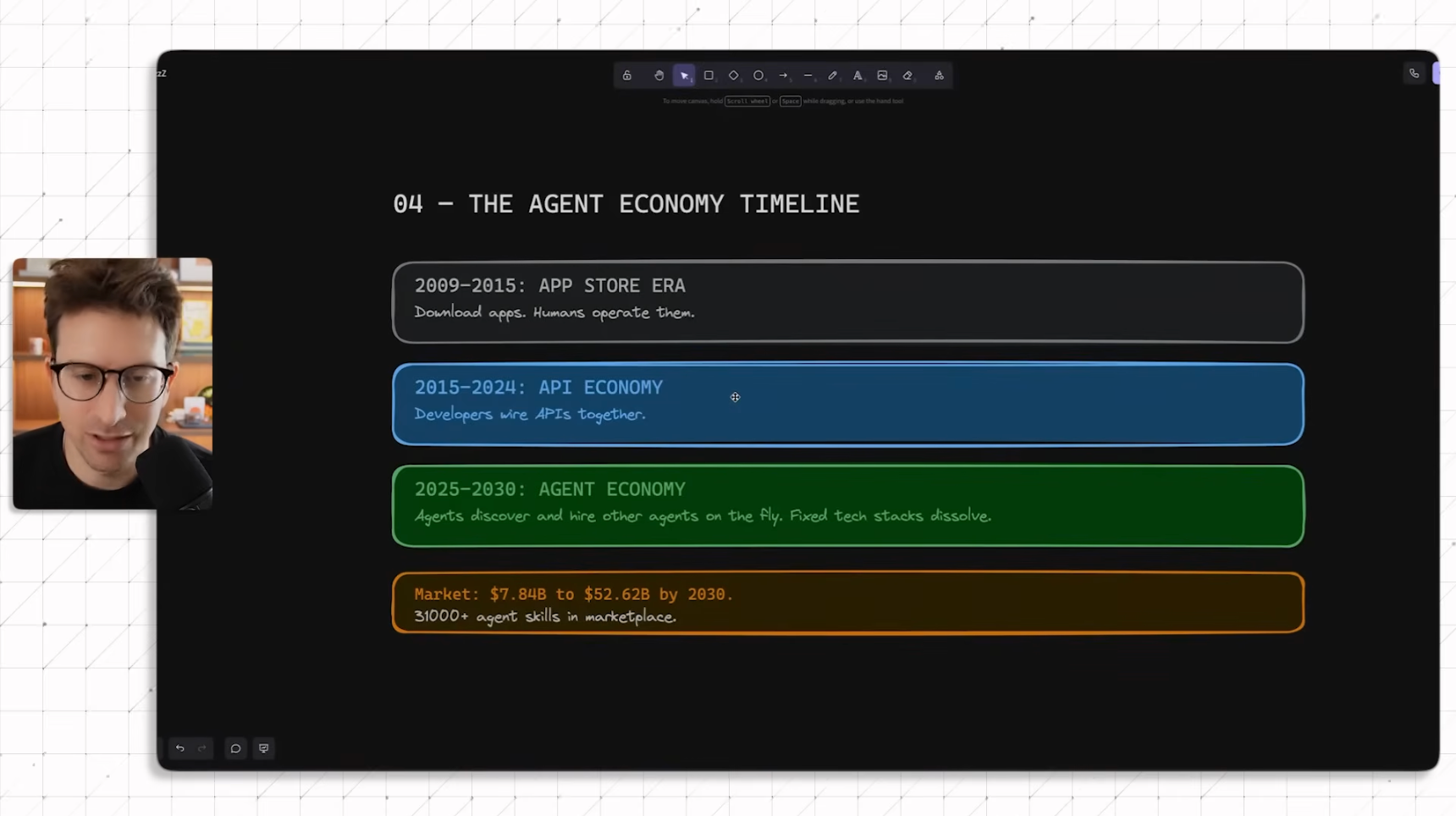
The timeline of the "agent economy" is another trend that keeps me awake at night. From 2009 to 2015, we experienced the App Store era, where people completed tasks by downloading applications and manually interacting with them. From 2015 to 2024, the API economy gradually rose, with developers building complex services by integrating various APIs. I believe that from 2025 to 2030, the agent economy will officially arrive. In this era, AI agents will be able to dynamically discover and hire other agents, rendering the concept of fixed teams increasingly obsolete.
Under this context, I believe there’s a tremendous entrepreneurial opportunity to develop a platform akin to an AI agent version of “Glassdoor.” How do we build a reputation system for agents? How do we decide which agent to hire? If someone could create a platform focused on AI agents’ social networking—similar to the Mold Book platform acquired by Meta for around $2 billion—it would be a revolutionary innovation. I know this may sound distant, but I’m confident something like this will inevitably happen.
Trend 5: Agents Hiring Agents
Greg Isenberg:
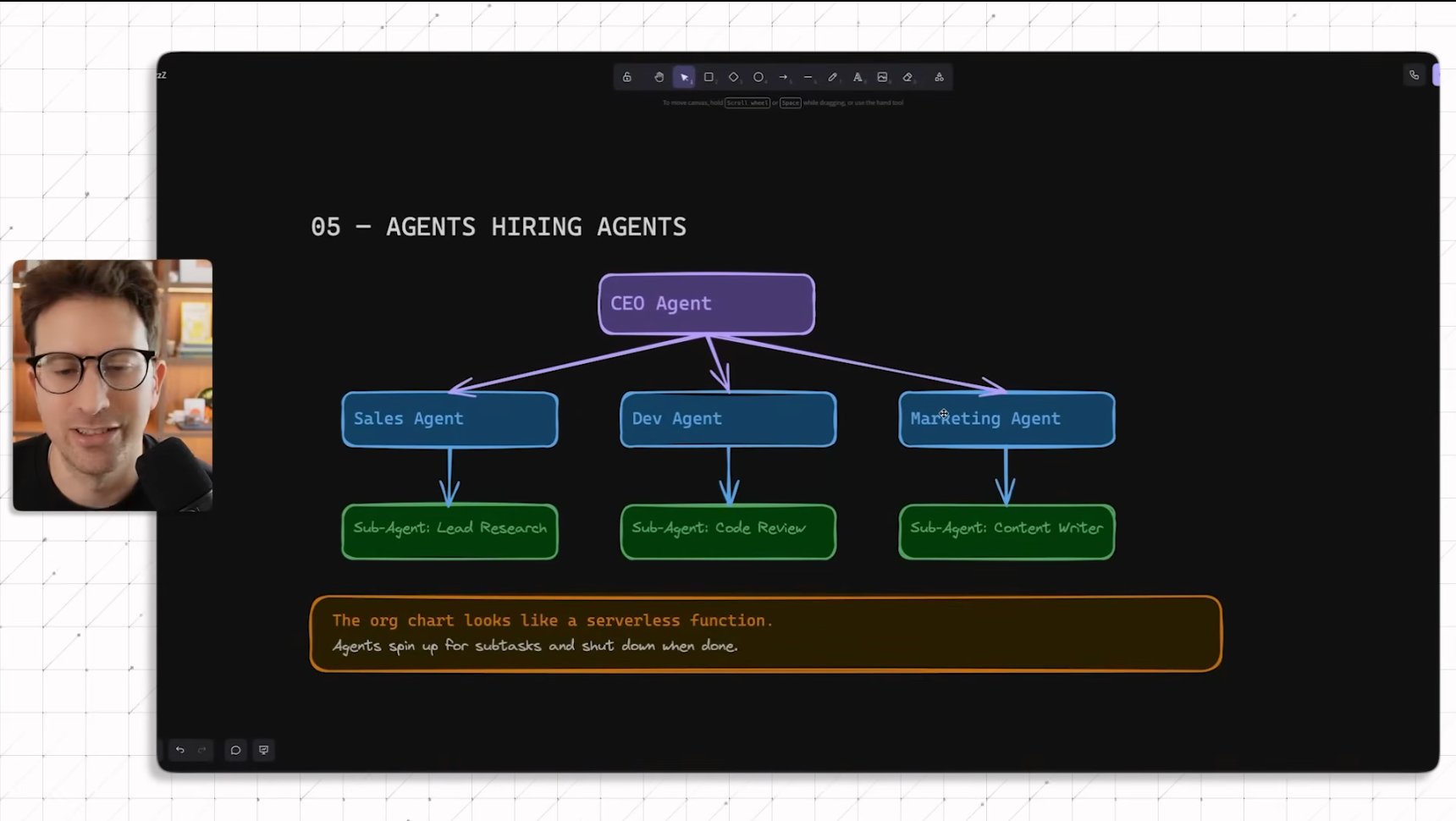
I recently came across a forecast—I believe it was from Gartner—that by 2030, 20% of business transactions will be agent-to-agent or machine-to-machine. This raises an important question: How can we build startups that transform existing internet products into agent-based versions? According to the forecast, this market could reach $52 billion by 2030. Currently, there are over 31,000 agent skills available, but most of them lack high quality. Therefore, developing more efficient and intelligent agent skills represents a tremendous opportunity. This trend fills me with immense excitement about its potential.
We can imagine a scenario where agents hire agents, with roles such as CEO agent, sales agent, development agent, marketing agent, and more. Recently, I completed a tutorial using Paperclip, which directly revolves around this concept. Paperclip is an open-source technology whose core idea is to transform traditional organizational structures into serverless functions: agents automatically break down tasks into subtasks and shut themselves down upon completion.
It is no longer about designing prompts solely using the "Jobs to Be Done" framework, but rather hiring agents to manage other agents and accomplish specific tasks—this approach is not only highly innovative but also holds tremendous commercial potential.
[趋势 6:垂直 Agent 地图]
Greg Isenberg:
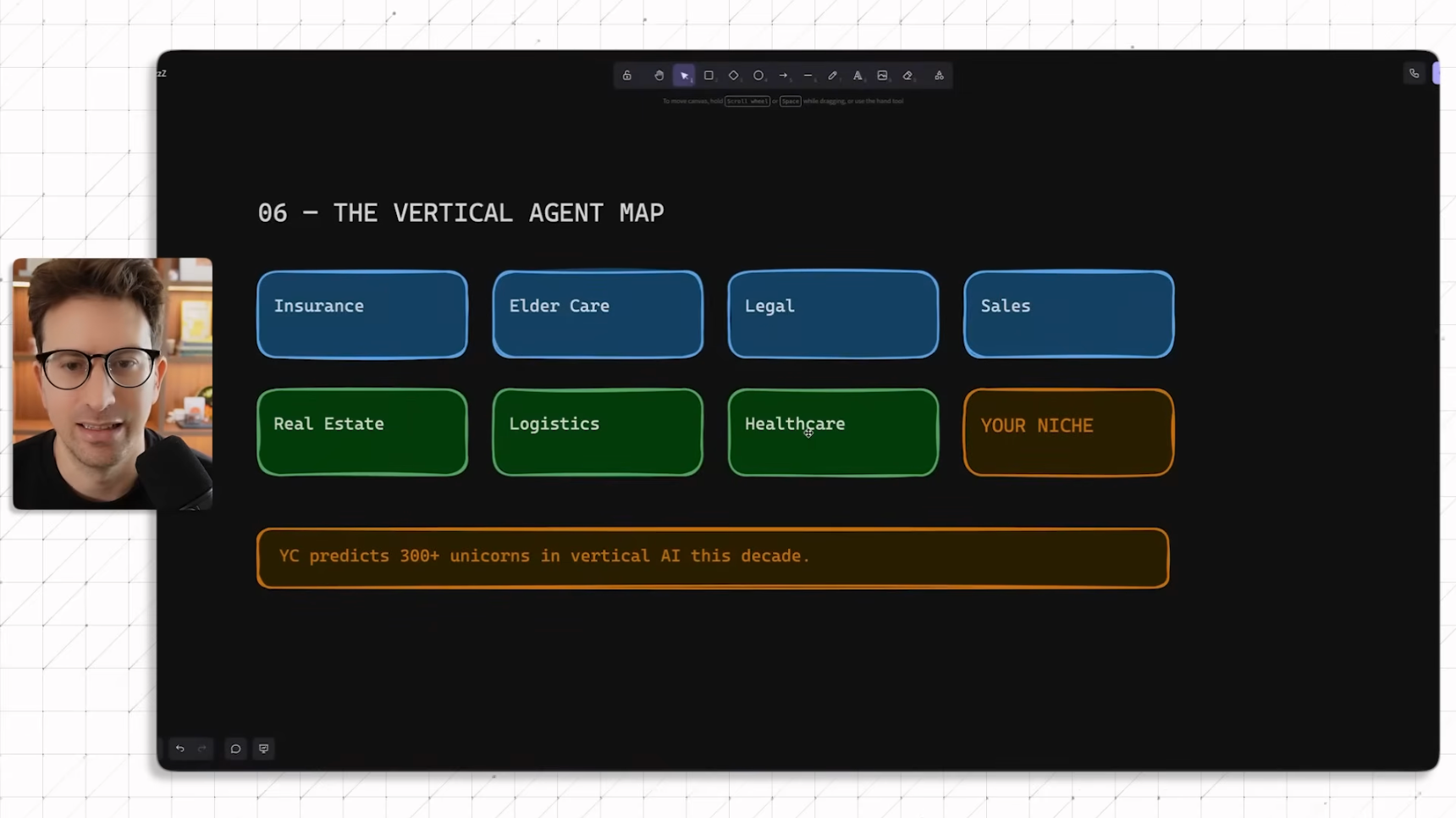
According to Y Combinator’s projections, over 300 unicorn companies will emerge in the vertical AI space within this decade, underscoring the immense opportunities in vertical software. Like Constellation Software, which already owns over 500 companies focused on vertical SaaS, serving high-margin processes in industries such as education and defense, these seemingly “boring” businesses are in fact highly profitable.
Similar opportunities are now emerging in the vertical AI space. If you’re listening to this, ask yourself: What is your unique competitive advantage? What specific vertical domain are you truly skilled in? Those who deeply focus on niche areas within the vertical agent landscape will have tremendous opportunities. Institutions like YC typically focus on major sectors such as insurance, real estate, logistics, elder care, legal services, healthcare, and sales. But my advice is to avoid jumping straight into these highly competitive large markets—instead, start with a specific niche, begin small, and scale gradually. These large markets attract massive amounts of capital, while niche markets offer less competition and greater opportunities.
Trend 7: Vertical AI vs Vertical SaaS
Greg Isenberg:
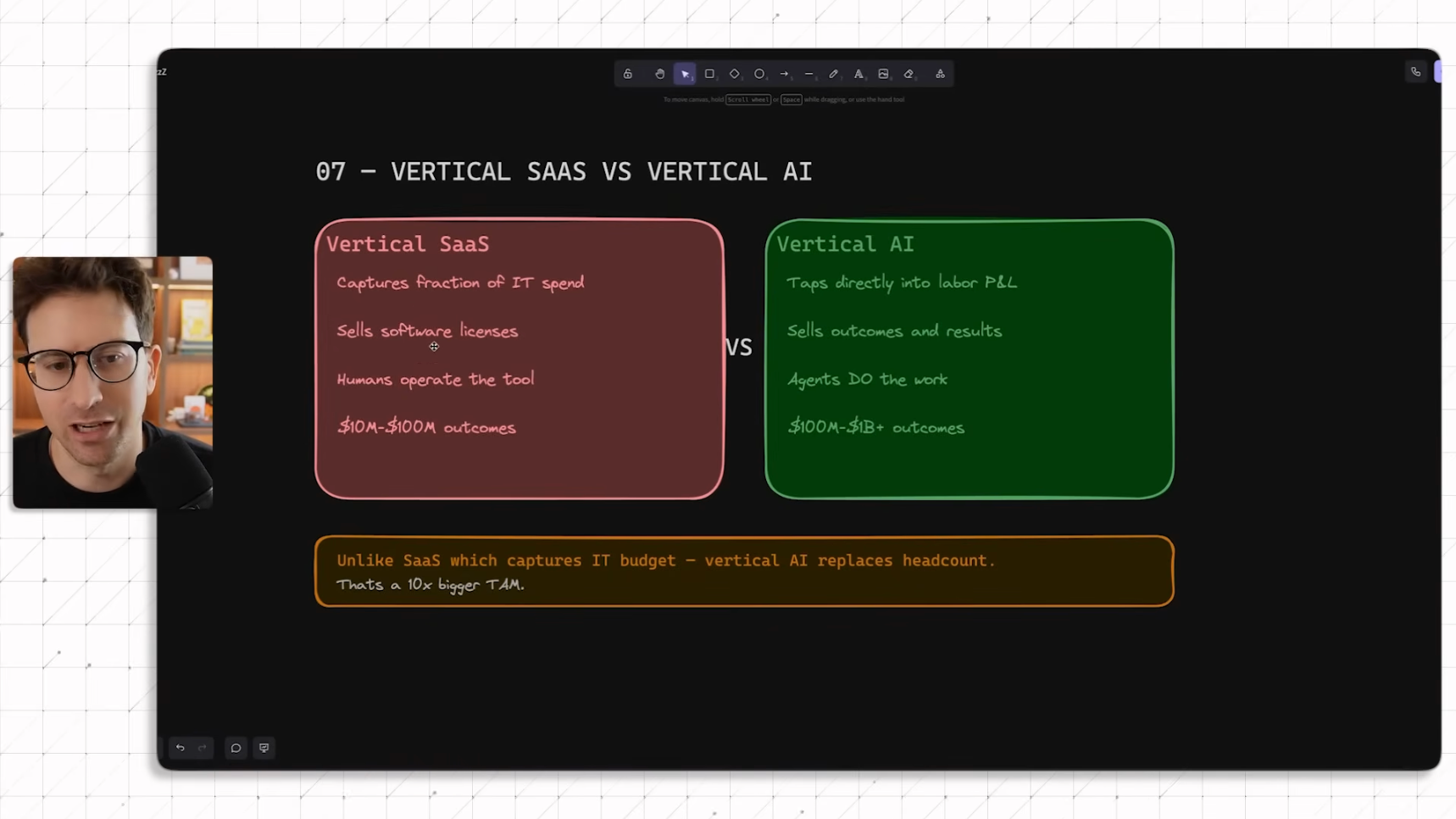
I’ve been thinking about a question: What’s the real difference between vertical SaaS and vertical AI? Vertical SaaS typically touches only a small portion of enterprise spending. You’re selling software licenses, tools that require human operation, and the eventual business scale usually ranges from $10 million to $100 million (though there are exceptions). Vertical AI, however, is entirely different—it directly targets enterprise labor costs. What you’re building is essentially “agent-as-software”; companies purchase your product to accomplish tasks they previously needed to hire people to do.
Therefore, the market size for vertical AI far exceeds that of vertical SaaS. What you need to consider is how to sell results and outcomes—because agents are actually doing the work. Thus, I believe the average commercial value of vertical AI will be significantly higher than that of vertical SaaS. SaaS captures IT budgets, while vertical AI replaces labor costs—and the market size for labor costs is ten times larger than that of IT budgets.
Trend 8: Opportunities in Vertical Sectors
Greg Isenberg:
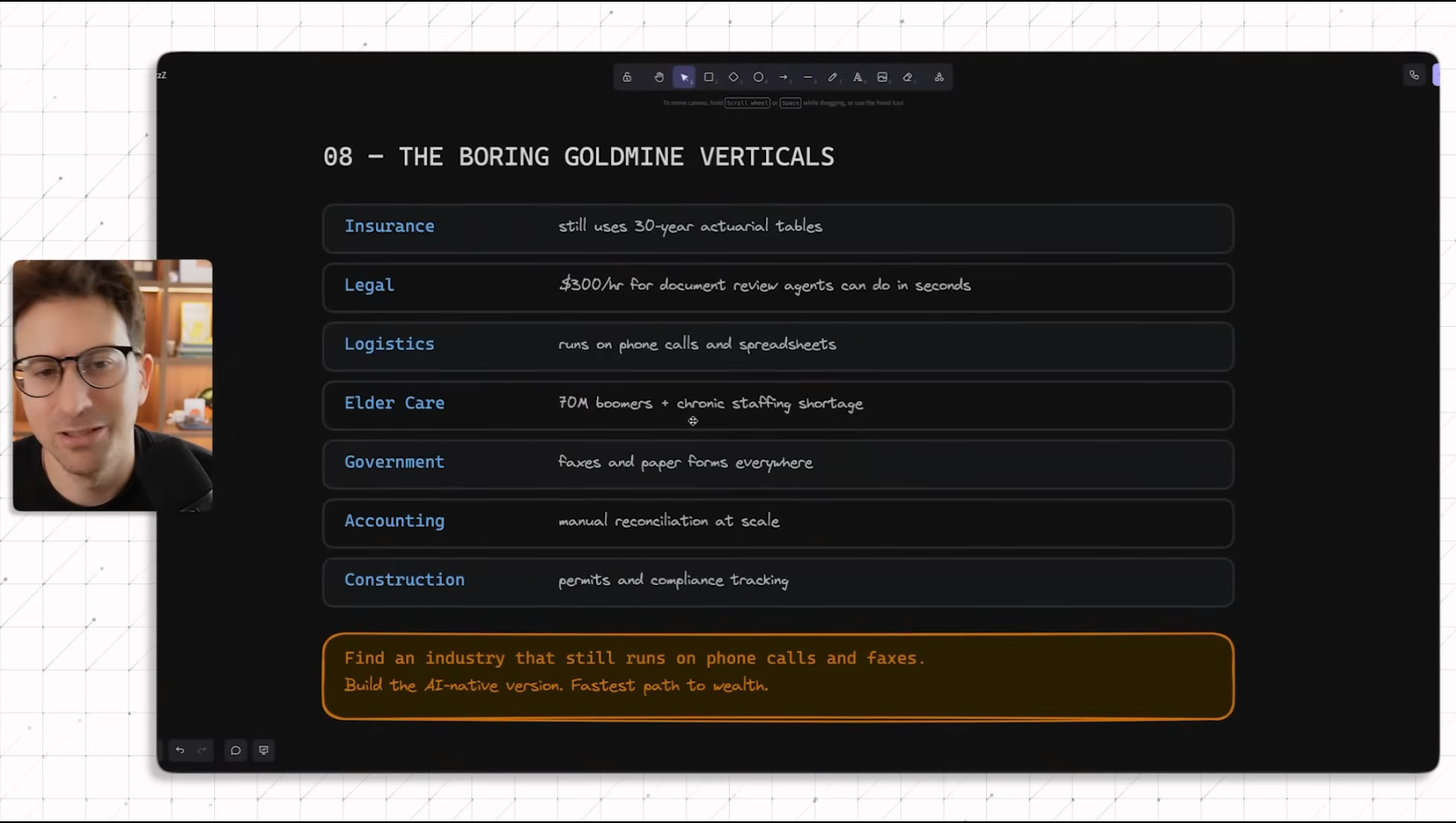
What are some "boring but high-potential" verticals worth exploring? The answer: industries still operating through traditional methods—such as those relying on phones, faxes, and outdated processes. These include insurance (still using actuarial tables from 30 years ago), legal services, logistics, elder care, government, accounting, construction, and more. To succeed in these areas, dig deep to identify highly niche, specialized markets. If I were doing this, I’d avoid heavily regulated sectors with high entry barriers—like selling directly to government agencies, which can present numerous challenges. Therefore, the more mundane the industry and the more niche the submarket, the greater the potential—and the better the entry point.
Trend 9: SaaS Pricing Evolution
Greg Isenberg:
Pricing models in the SaaS industry are also undergoing significant changes. In the past, SaaS pricing was typically based on a per-seat licensing model—for example, $50 per user per month—a model adopted by nearly all major SaaS companies. However, this has been one of the reasons for the sharp declines in SaaS companies’ stock prices in recent years, with some companies’ market valuations shrinking by 50% to 60%, dropping from a multiple of 12x revenue to just 4x. Two key factors underlie this shift: first, enterprises are reducing their seat requirements; second, investors are concerned that anyone can now quickly build alternative solutions using vibe coding.
Therefore, SaaS pricing models are undergoing a three-stage evolution: from per-seat pricing → usage-based pricing (pay for what you consume) → a gradual shift toward outcome-based pricing (pay per result delivered). The primary driver of this change is the rise of agents, which are capable of actually completing real work. According to Gartner, by 2030, 40% of enterprise SaaS will adopt outcome-based pricing, while per-seat pricing will decline from the current 21% to 15%.
So, where are the opportunities? How can we start building a results-driven business model now? This is a field full of potential. If you can enter the market first, you’ll gain a first-mover advantage. Whether through cold outreach, sharing relevant content on social media, or using email lists, people will be interested in this innovative pricing model, and your product could sell extremely well.
Trend 10: Pay-per-seat vs. Pay-for-results
Greg Isenberg:
The shift from seat-based pricing (e.g., $100 per seat per month, regardless of usage) to outcome-based pricing is highly appealing. Many have experienced this—I won’t name names, but my company, Late Checkout, pays thousands of dollars monthly for certain SaaS software, yet I sometimes wonder: Are we truly getting the value we’re paying for?
Today, businesses can choose to pay based on specific outcomes, such as $1.50 per resolved ticket, or only for delivered results. Established companies like Zendesk have already adopted this model, and data shows that 83% of AI-native SaaS companies have shifted to outcome-based pricing. I firmly believe that someone could build a $1 billion company simply by transforming traditional SaaS into an outcome-based pricing model. Helping these companies make the transition is a huge opportunity—but why help others when you can start your own outcome-driven startup?
[趋势 11:SaaS 的墓地]
Greg Isenberg:
I believe that, in the future, a number of “SaaS graveyards” will indeed emerge. So how can we determine which SaaS companies will be eliminated? I think generic CRM tools are likely to be among the first to go—though this does not include giants like Salesforce or HubSpot, which are already transitioning toward the future. But if you’re a generic company that hasn’t kept pace with this shift, your survival could be seriously threatened, because agents can outperform these traditional tools with greater efficiency.
Moreover, the outlook for fundamental analysis dashboards is not optimistic, as AI can generate more insightful data analyses on demand. Competition in the template market will intensify, as AI can instantly produce highly customized templates. As for scheduling tools, their future is also challenged, since agents now natively manage calendars. Basic customer service chatbots are gradually being replaced by more advanced AI systems, and their future value may continue to decline.
[Trend 12: Scarcity Reversal]
Greg Isenberg:
In the AI era, what can remain competitive? The answer: those that successfully transition into AI agent-driven vertical workflow tools, infrastructure, and data models. We are experiencing a “reversal of scarcity”: AI technologies are rapidly commoditizing general content, basic design, data entry, and routine analysis, gradually reducing their value. In this context, what will become scarce and command a premium? I’ve discussed this with many people on Twitter, and the consensus is that value will shift from “execution” to “judgment”—including creative judgment, craftsmanship, and unique physical experiences.
Currently, I am incubating several projects related to this, and I believe this represents a tremendous opportunity. Looking ahead to 2026 and beyond, “unfiltered, weird ideas” will become extremely valuable. The reason is that, although large language models (LLMs) excel in many areas, they are not good at handling “weird” ideas. Everyone’s unique perspective and life experiences, combined with proprietary data, will become the most valuable assets in an AI-driven world.
[ Trend 13: High-Quality Products ]
Greg Isenberg:
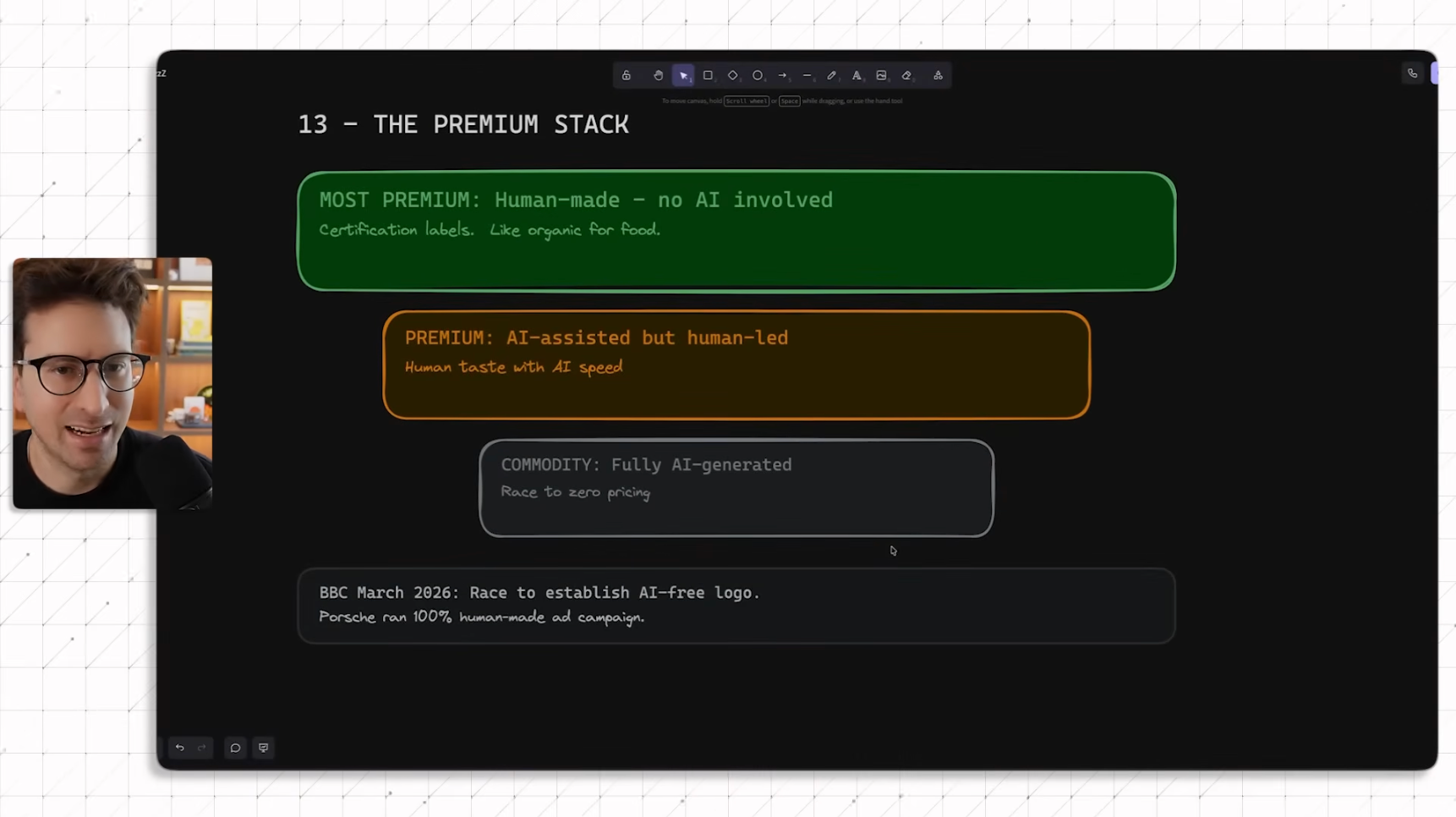
In the age of AI, what qualifies as a “premium” product or service? I believe the answer is content created 100% by humans. You may have heard of Porsche’s recent “100% Human-Made” advertising campaign, which even launched a contest for a “No AI” badge. I think future luxury brands may increasingly embrace the philosophy of “human-made, no AI involved,” much like the “organic” certification label in the food industry—“No AI” could become a new mark of quality. This perspective deserves careful consideration, as similar opportunities may exist in other fields.
Trend 14: The Experience Economy Surges
Greg Isenberg:
Within the hierarchy of high-quality products, another noteworthy direction is the “AI-assisted but human-led” model. In this approach, human involvement becomes a hallmark of quality in the AI era, combining human creativity and taste with the efficiency offered by AI. In contrast, fully AI-generated services may gradually be perceived as commoditized products, ultimately descending into price wars.
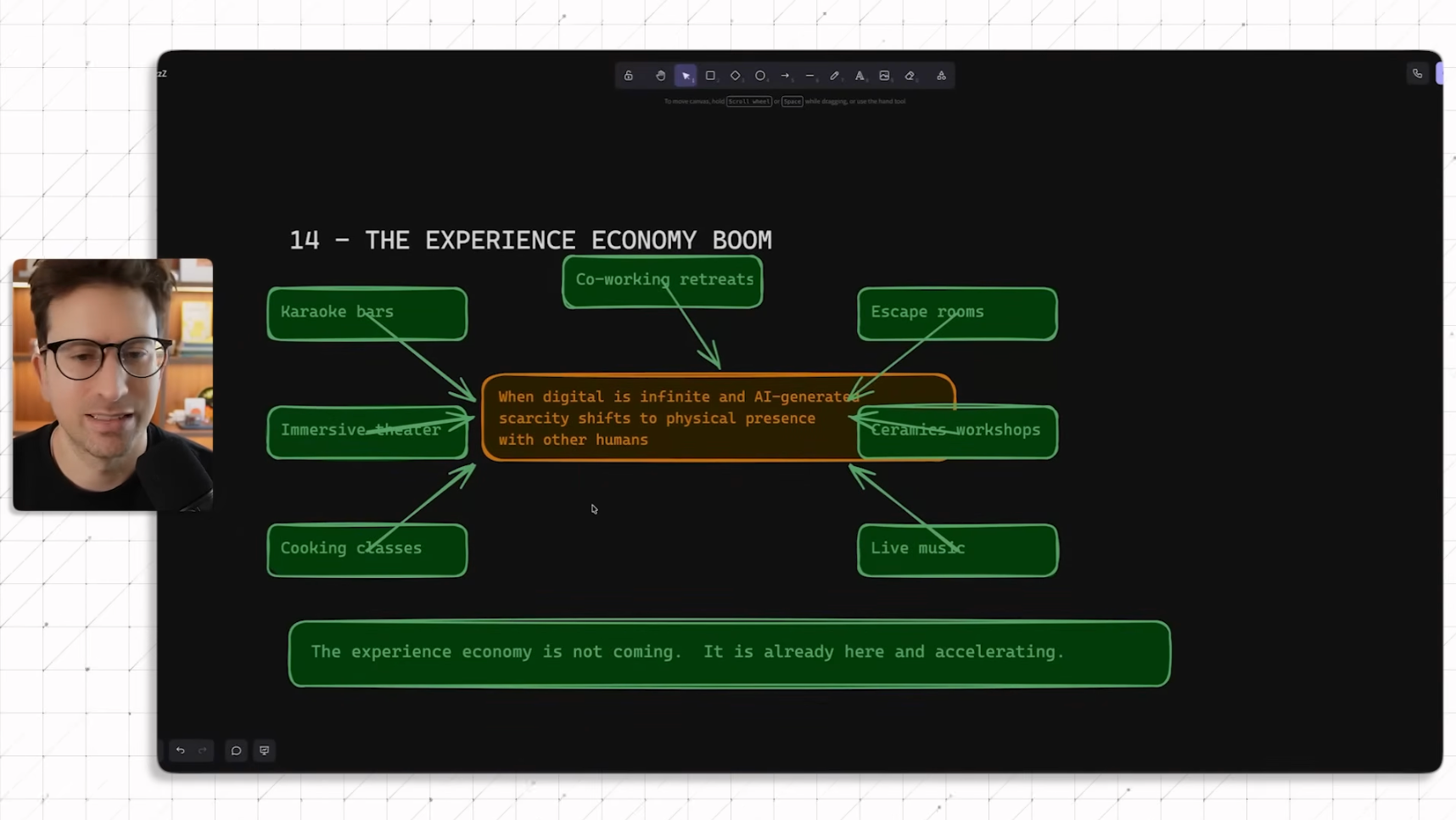
For this reason, I’m particularly interested in incubating projects tied to real life (IRL). As the digital world becomes infinitely rich and AI-generated content floods the market, scarcity will naturally shift toward tangible physical presence and shared human experiences. Therefore, things like karaoke bars, escape rooms, immersive theater, co-working spaces, and live concerts are vital components of the experience economy. The experience economy is rapidly rising, and the opportunities are so exciting they keep me up at night.
Trend 15: Founder-Agent Matching
Greg Isenberg:
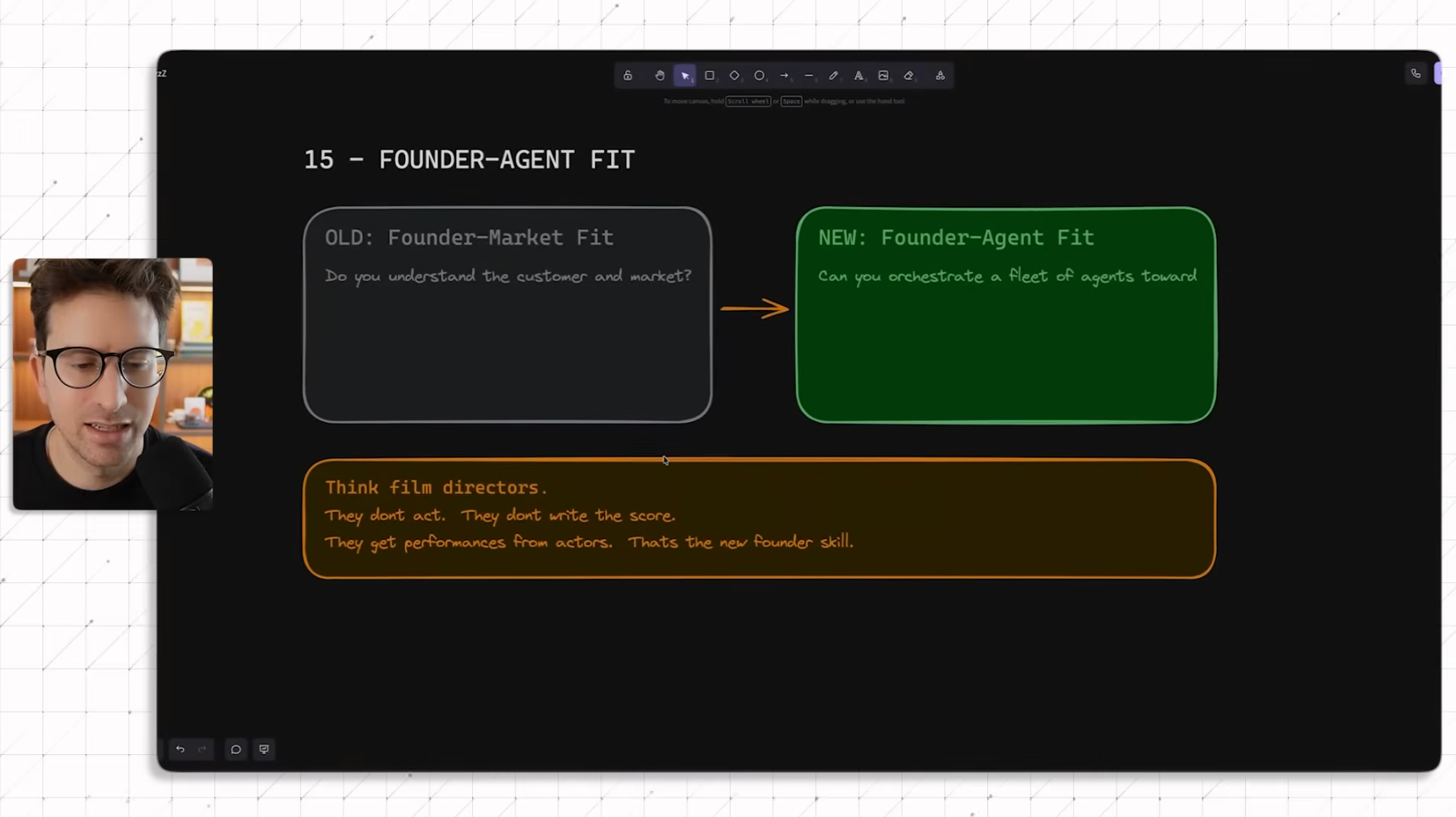
Another interesting new concept I call “Founder-Agent Fit.” Reflecting on my past entrepreneurial experiences, especially after moving to Silicon Valley, everyone was always discussing “Founder-Market Fit.” The core question was: Do you understand your customers and market? As a founder, do you have unique insights into the market? For example, if you want to build a social network for college students, are you recently a college student yourself?
And now, we are entering an era of "founder-agent fit." As a founder, you need the ability to coordinate and direct an entire team of AI agents to achieve your goals. This shift can be compared to the role of a film director: the director doesn’t operate the camera, act, or compose music themselves, but must draw out the best performances from actors and crew. In the future business world, these "actors" will shift from humans to AI agents. Therefore, the ability to achieve "founder-agent fit" will become a core skill that founders must master. I find this transformation in capabilities both fascinating and full of potential.
If you can design and manage AI agents within a specific niche market and fully unlock their potential, you will gain a significant competitive advantage. This is closely related to the Paperclip and zero-human-company concepts we discussed earlier.
Trend 16: The Organizational Structure of Ghost Teams
Greg Isenberg:
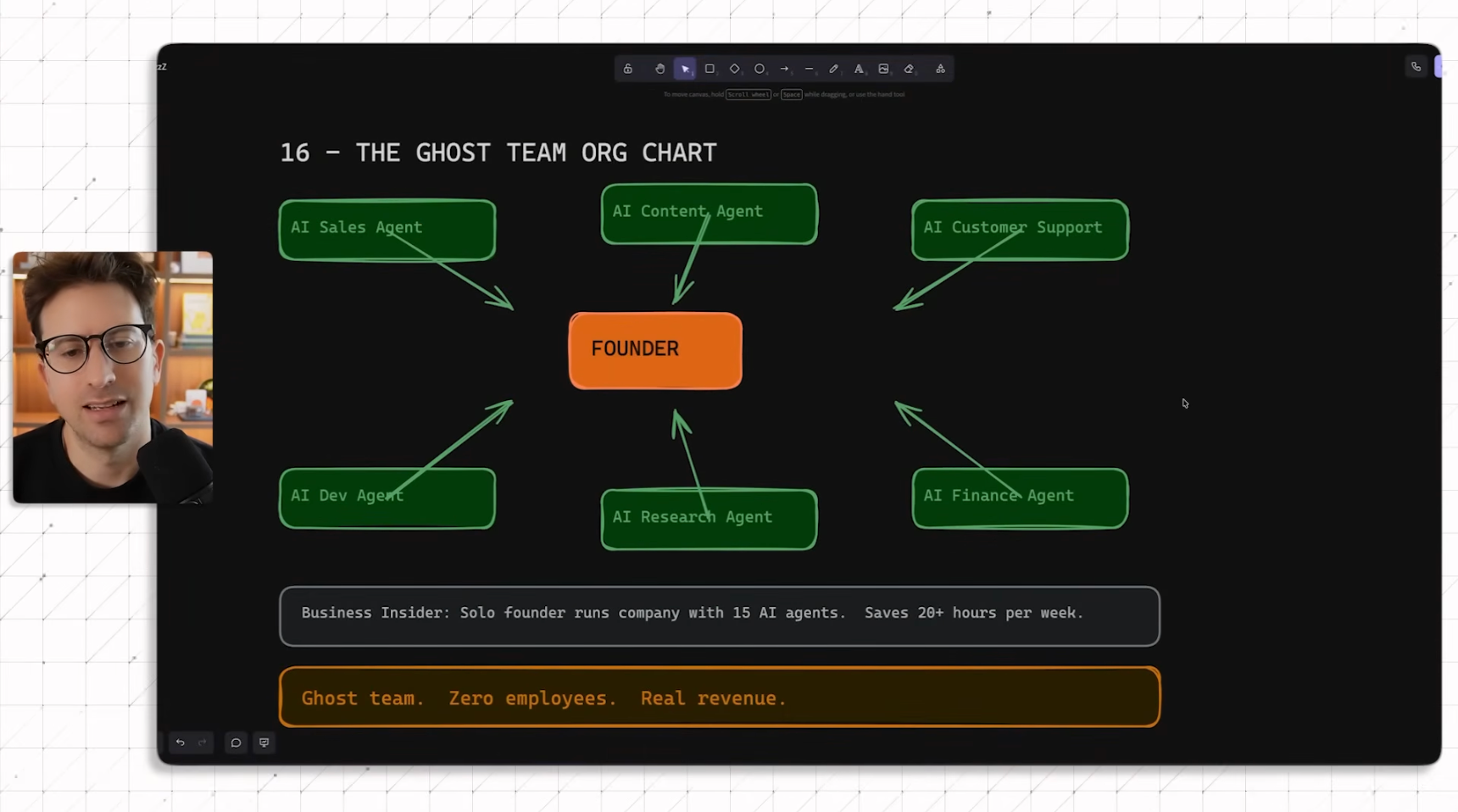
In the future, the “Team” page on corporate websites may become a “Ghost Team” page—displaying only a few real employee names, while the rest are filled by AI agents, such as Sales Agents, Content Agents, and Customer Service Agents. You can even give these agents names, personalities, generate virtual photos, and have them simulate real humans in video calls or voice messages, delivering a collaboration experience nearly indistinguishable from working with real people.
As an entrepreneur running a holding company and incubating new businesses, I believe more holding companies will emerge in the future. This is because AI-native agent-based businesses will become mainstream, and companies can efficiently operate these businesses in similar or identical market segments using “ghost teams.”
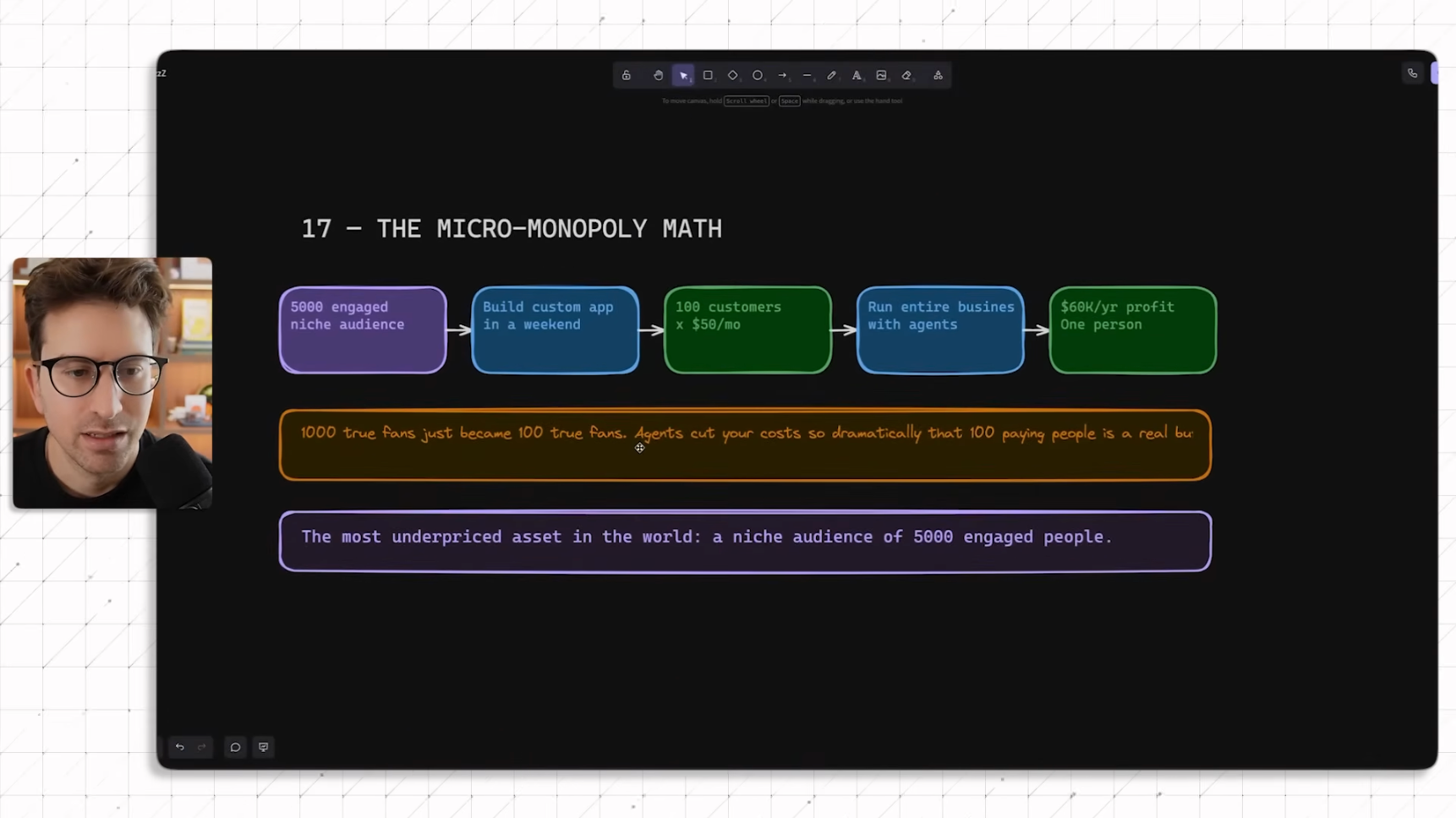
[Theme 17: The Business Logic of Micro-Monopolies]
Greg Isenberg:
Kevin Kelly once proposed the theory of "1,000 true fans." However, in the AI era, I believe 100 true fans are enough. AI agents drastically reduce operational costs, so with just 100 customers willing to pay for your product or service, you can sustain a viable business. Since agents can efficiently replace human labor, you can deliver high-value services to each client—such as charging $1,000 or $500 per month. Even with only 100 customers, you can build a highly profitable business. Even if customers pay less, it doesn’t matter, because your operational costs are nearly zero—possibly just you alone.
This low-cost, high-efficiency model will give rise to numerous "micro-monopolies." For example, if you have 5,000 highly engaged niche subscribers, you can develop a custom app within 48 hours; through an email list or newsletter, you could easily find 100 customers willing to pay $50 per month each. By leveraging agents to run the business, you could generate $60,000 in annual profit as a solo operator—an already substantial amount. And you can continue using this same model to incubate more similar businesses.
Of course, acquiring the top 100 customers is crucial. Therefore, building an efficient content creation and distribution system is essential. Even if you don’t have an existing audience, you can acquire customers by purchasing traffic—although this may reduce some profits, it remains a viable strategy.
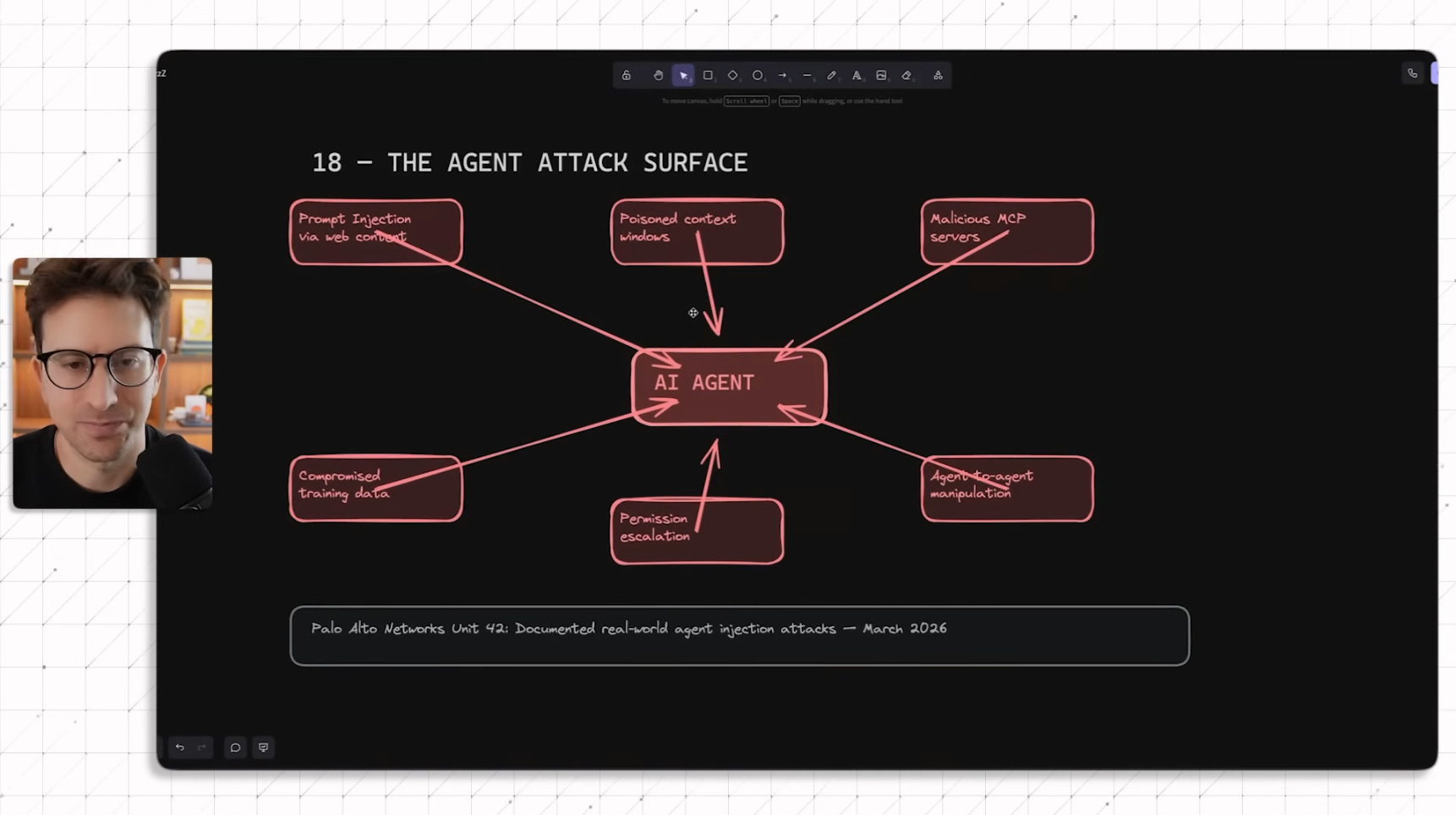
[Theme 18: Potential Security Risks of Agents]
Greg Isenberg:
Although I remain optimistic about the future of AI, one issue deeply concerns me: the attack surface of AI agents. You may already be familiar with potential threats such as prompt injection attacks, context window poisoning, malicious MCP services, manipulation between agents, privilege escalation, and contaminated training data. By granting AI agents extensive access, we have opened the door to potential security vulnerabilities. To claim these issues don’t worry me would be self-deception. I believe malicious incidents are inevitable in the future, and current cybersecurity technologies are far from keeping pace with the rapid advancement of AI agents. This potential risk fills me with profound unease.
Palo Alto Networks has recently documented real-world cases of agent injection attacks. If even a leading security company like Palo Alto Networks is warning us about the significant real-world risk of agent injection attacks, I fully trust their assessment.
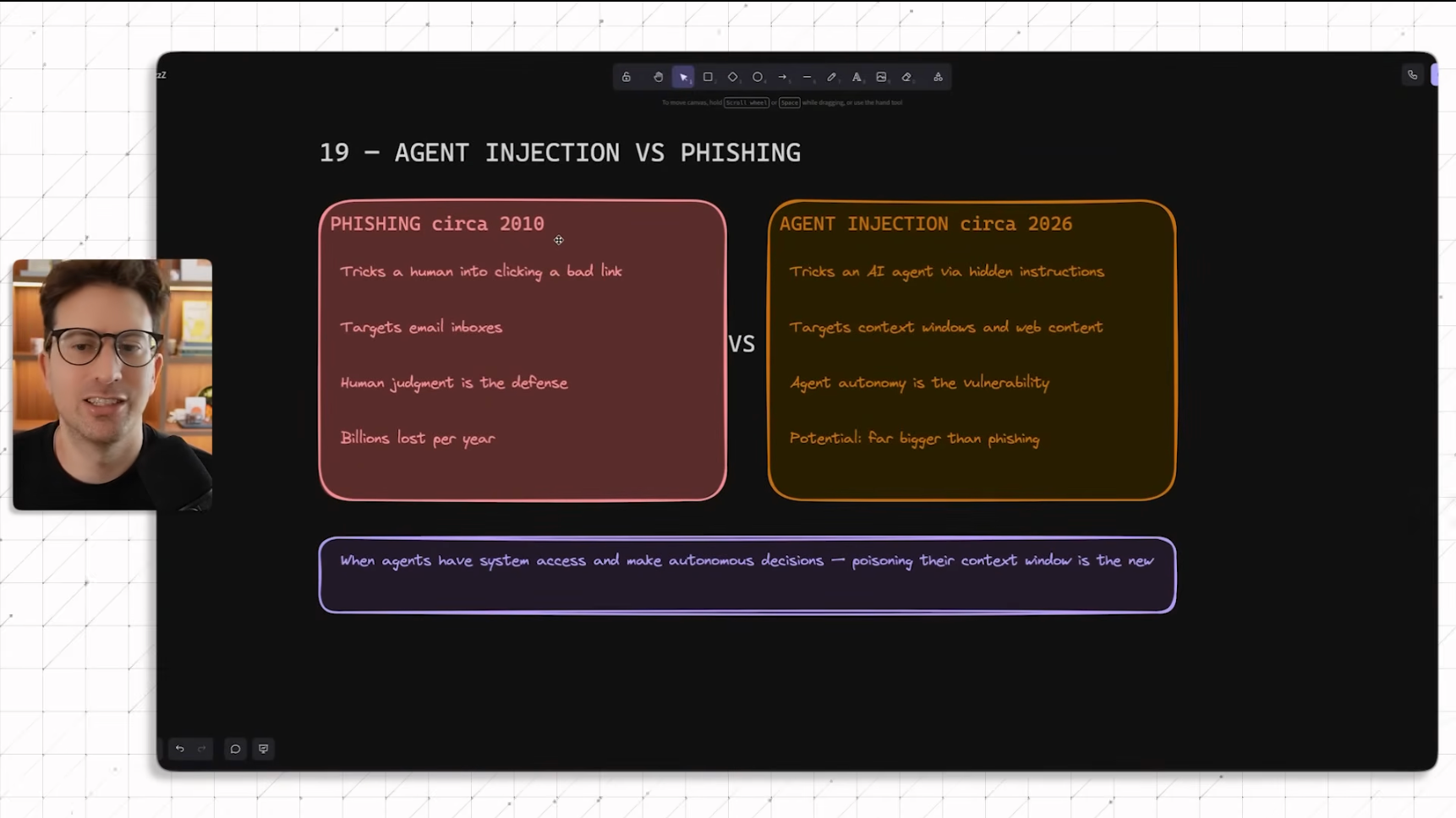
[ Trend 19: Agent Injection vs. Phishing ]
Greg Isenberg:
So, how should we view the relationship between agent injection and traditional phishing? Around 2010, the primary goal of phishing attacks was to trick humans into clicking malicious links, with defense relying largely on human judgment. Even then, phishing caused billions of dollars in losses annually. Today’s agent injection attacks are far more sophisticated, exploiting hidden instructions to deceive AI agents by targeting their context windows and webpage content. Precisely because agents operate with high autonomy, this very trait becomes their potential vulnerability.
I believe the destructive potential of agent injection will far exceed that of traditional phishing. When agents have system access and the ability to make autonomous decisions, poisoning their context windows becomes a new form of attack—one that is even more dangerous. I am confident that many such malicious incidents will occur in the future. However, this also presents a tremendous opportunity for developing specialized cybersecurity software to address these issues. Startups focused on agent security will be a field well worth exploring.
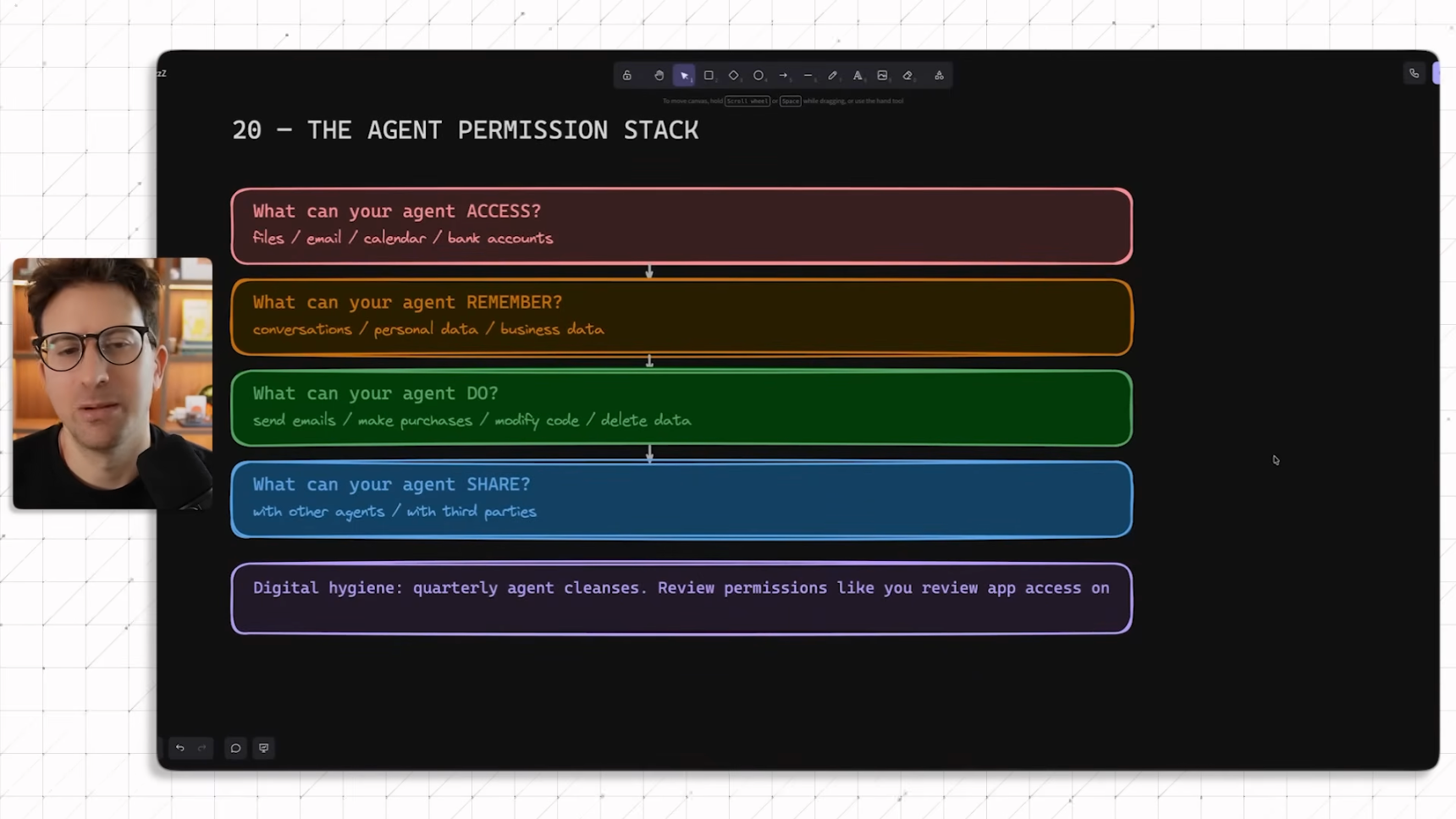
[Theme 20: Agent Permission Management]
Greg Isenberg:
When using AI agents, we must carefully consider the permissions they are granted. Specifically, what resources can the agent access? For example, can it access your files, emails, calendar, or even your bank account? Already, some users have directly granted agents access to bank accounts, such as saying, “Here’s $5,000—help me make a transaction.” Additionally, what can the agent remember? For instance, can it store conversation logs, personal data, or business information? What actions can the agent perform? Are they allowed to send emails, make purchases, modify code, or even delete data? Another critical question is: who can the agent share information with? Can it share data with other agents or third parties?
In this context, we need to pay special attention to the concept of “digital cleanup.” Just as we regularly review permissions for websites or apps, we should also periodically audit agent permissions—ideally conducting a cleanup quarterly. For example, I sometimes find that certain SaaS tools I use have been granted unnecessary permissions, so I disable them. I believe that in the future, we will manage agent permissions in a similar way to ensure digital security.
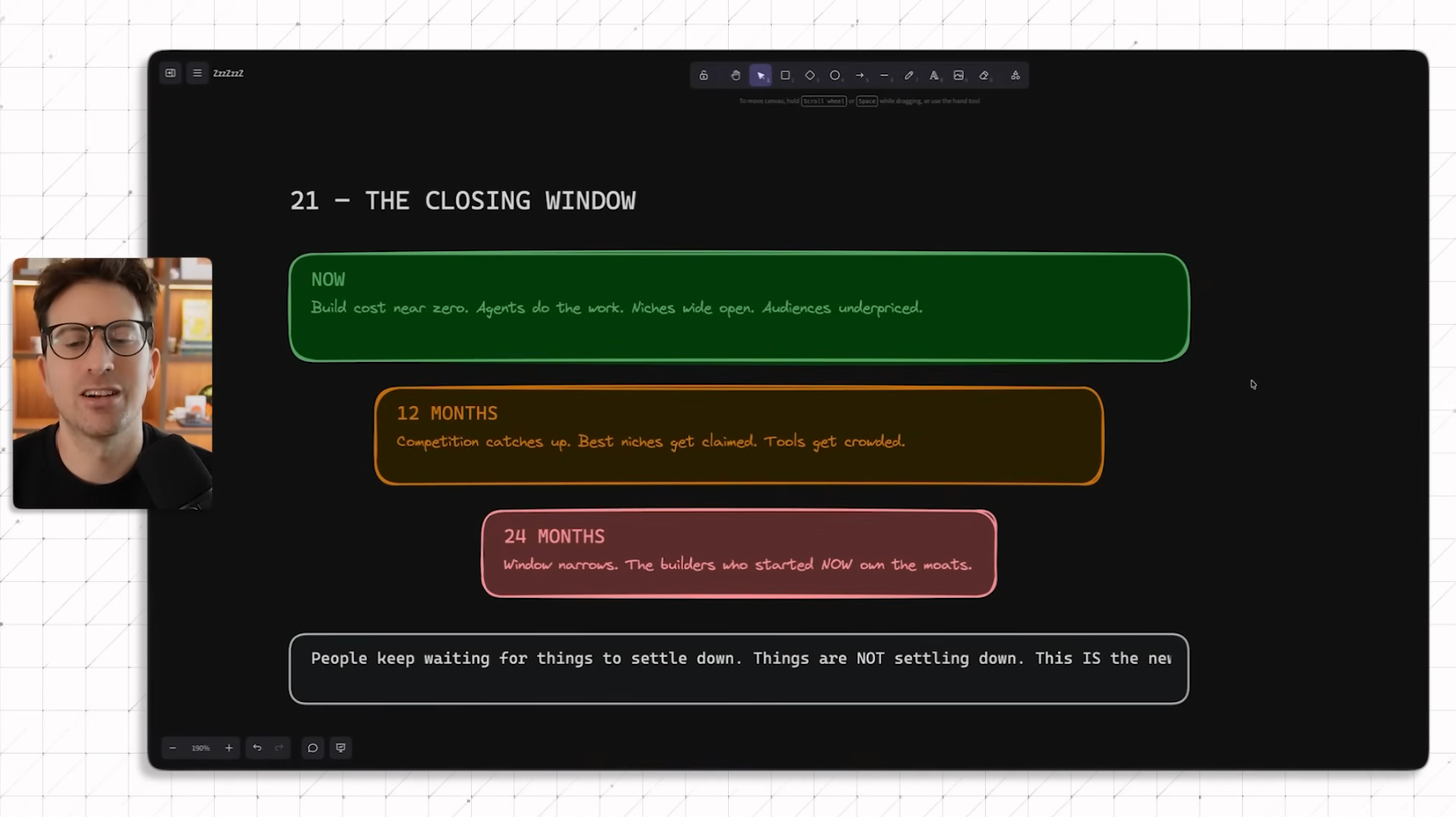
Trend 21: The golden opportunity window for AI entrepreneurship is closing.
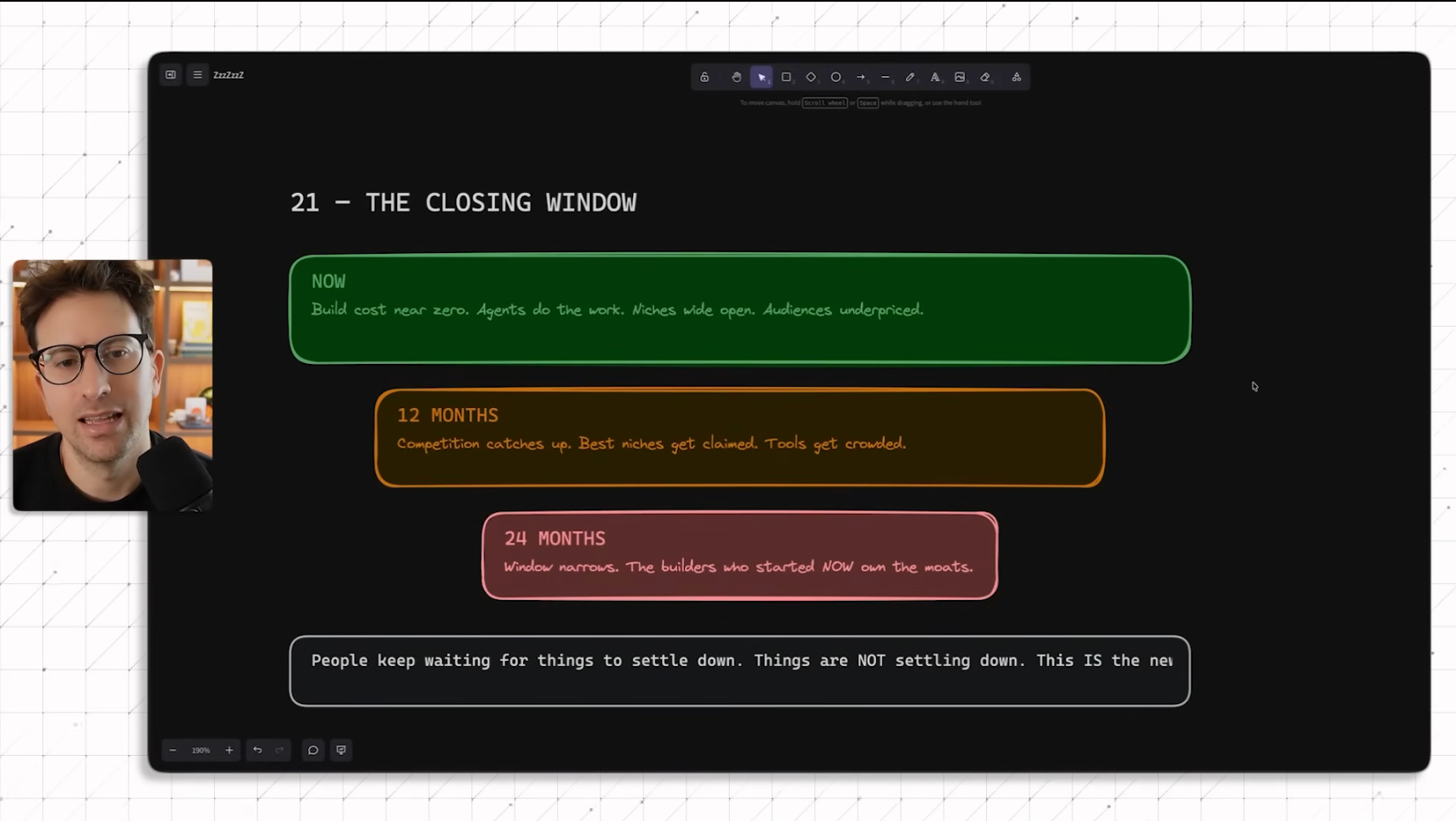
Greg Isenberg:
Currently, we are in an era where the cost of building is nearly zero. AI agents can handle most tasks, many niche markets remain untapped, and user acquisition costs are relatively low. However, I don’t believe this opportunity window will last indefinitely. That’s why I feel a strong sense of urgency and motivation. I estimate this golden period will last approximately another 12 months. During this time, competitors will gradually increase, the most promising niches will be claimed, and some tools will become overcrowded. Within the next 24 months, this opportunity window will narrow significantly. Entrepreneurs who act now will have the chance to build moats through data accumulation, network effects, brand building, and trust relationships.
Many people always wait for the market to “stabilize,” but in reality, the market never truly stabilizes. This rapid change is the new norm. In this era of limitless opportunities, every day matters.
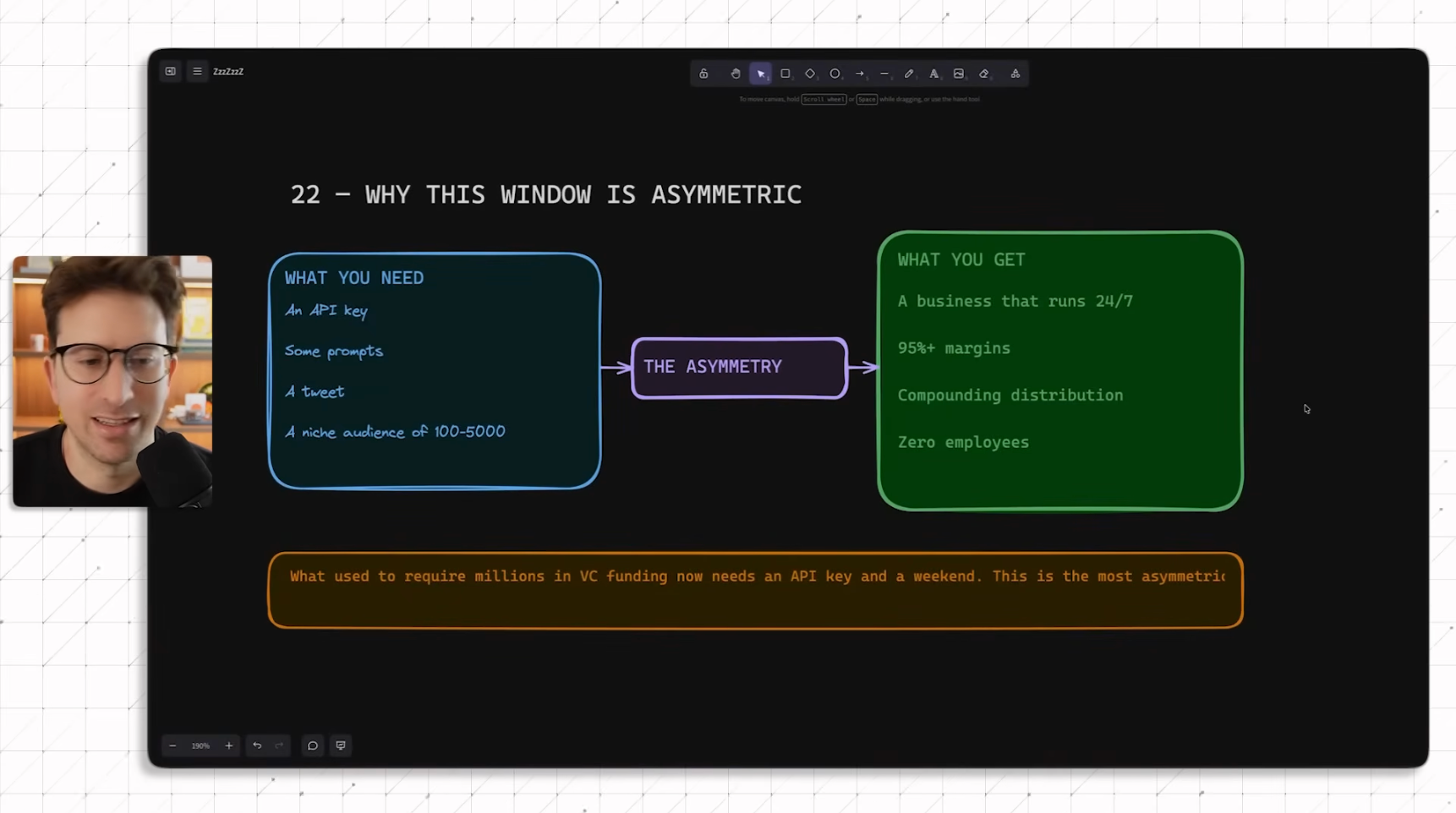
Trend 22: Why Entrepreneurial Opportunities Are So Asymmetric
Greg Isenberg:
The current opportunity window is highly asymmetric. All you need is an API key, a few well-crafted prompts, a single tweet, and a niche audience of 100 to 5,000 people to build a business that operates 24/7 with gross margins as high as 95%—especially for agent-based businesses. Even if gross margins gradually decline to 70%, 80%, or even 60% over time, these remain exceptional business models. Thanks to compounding distribution mechanisms, these businesses can operate efficiently with little to no staff.
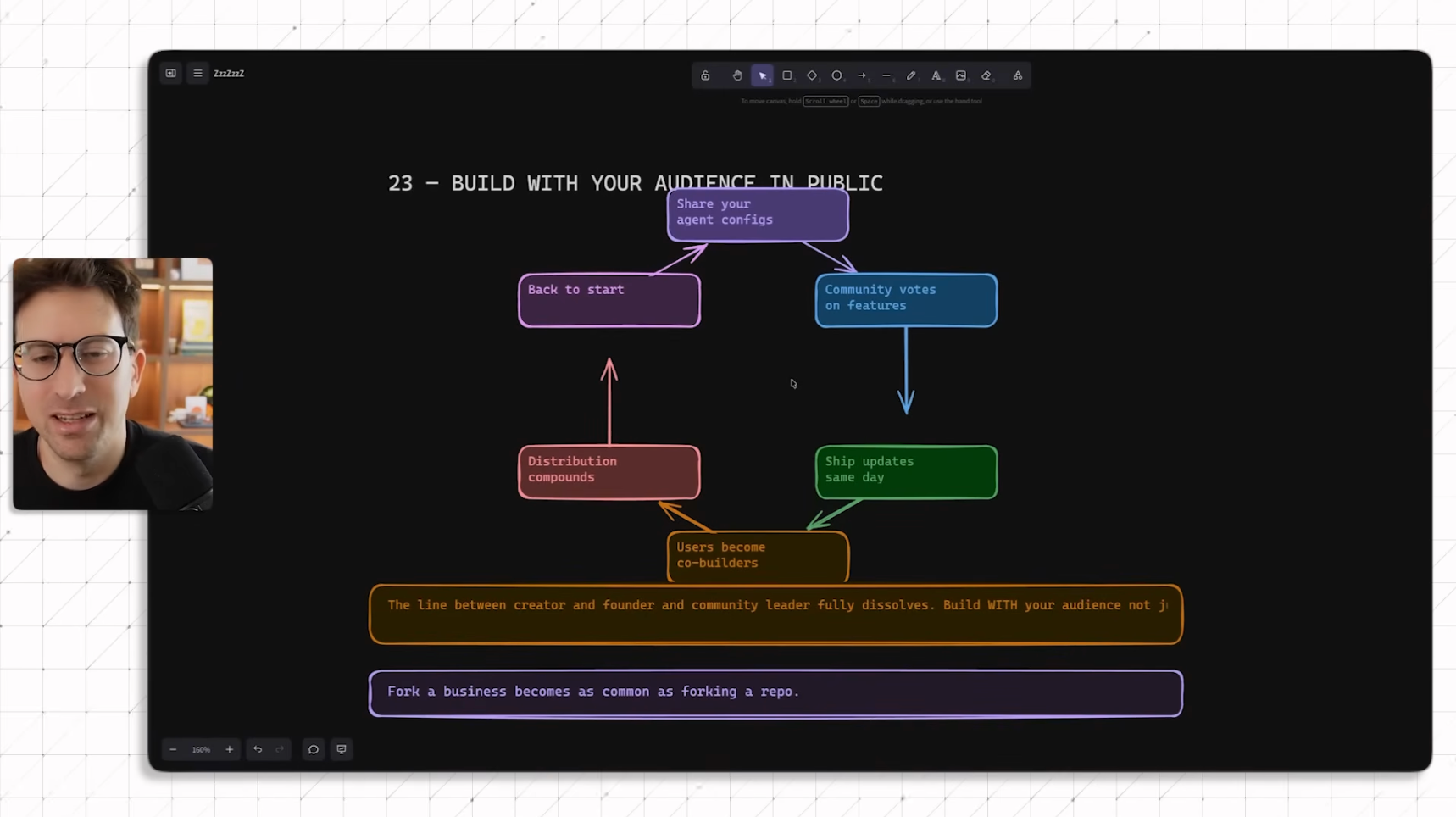
[Theme 23: Public Entrepreneurship]
Greg Isenberg:
I believe that today is the era with the greatest asymmetric advantage for starting a startup. Although some now argue against the “build in public” approach, I still think its benefits far outweigh its drawbacks—especially when your followers or audience are also your potential customers. By openly sharing the products and services you’re developing, your community can participate in decision-making and help guide your development direction. One of the most exciting aspects of the AI era is that you can launch feature updates in just one to five days. This rapid iteration turns users into co-builders, significantly enhancing trust and distribution efficiency, creating a powerful growth flywheel.
In addition, I believe that “forking businesses”—which can be understood as adopting, adapting, optimizing, and innovating upon existing business models—will become a common phenomenon in the future. Just as one forks a code repository on GitHub, in a world where copying others’ business models is easy, attracting community participation and making them feel like integral parts of the building process will become a crucial moat.
In summary, this is an exciting era of building, filled with rapid changes that can feel overwhelming. But as long as you’re willing to take that first step, make small progress each day, and accept that you don’t need to master every AI tool, you can keep moving forward in this era of endless opportunity. It’s an incredible time! Let’s make the most of it together. See you next time—thanks for listening!