
What is the Difference Between PFP NFTs vs. Utility NFTs?
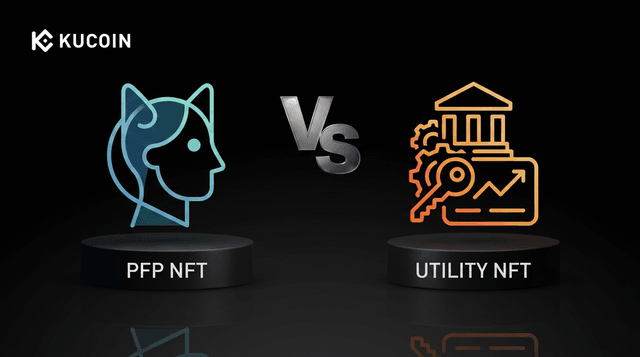
Key Takeaways
-
Structural Definitions: PFP NFTs function primarily as digital avatars and social identifiers, whereas Utility NFTs provide specific functional rights, access, or services.
-
Value Drivers: The valuation of PFPs is typically rooted in social signaling and brand recognition, while Utility NFTs derive value from their practical applications and integrated benefits.
-
Market Utility: Utility NFTs are increasingly integrated into decentralized finance (DeFi), gaming, and real-world asset tokenization, moving beyond the aesthetic focus of earlier iterations.
-
Economic Resilience: Digital assets with functional utility tend to demonstrate different market behavior compared to those whose value is purely based on social sentiment and community exclusivity.
The landscape of non-fungible tokens (NFTs) is divided into several distinct categories, with Profile Picture (PFP) NFTs and Utility NFTs representing two of the most significant architectural models. As the broader crypto markets mature, the distinction between these two types of digital assets has become a focal point for understanding the long-term sustainability of the sector.
While both asset classes utilize distributed ledger technology to establish provenance and ownership, their intended purposes and economic foundations differ. PFP NFTs represent a fusion of digital art and social identity, whereas Utility NFTs serve as functional tools that provide holders with tangible rights or services. For those following developments via the KuCoin blog, analyzing the shift from purely aesthetic tokens to functional digital objects is essential for navigating the decentralized economy.
Overviews: Defining the Asset Classes
PFP NFTs (Profile Picture NFTs)
PFP NFTs are digital collectibles intended to be used as social media avatars or digital identifiers. These collections typically consist of a fixed number of unique characters—often 10,000—generated through algorithmic combinations of specific traits such as background colors, clothing, and accessories. The primary function of a PFP NFT is to signal membership in a specific digital community and to establish a verified online identity.
Utility NFTs
Utility NFTs are digital assets that grant the holder specific rights, privileges, or rewards. Unlike PFPs, which are often valued for their artistic or social merit, Utility NFTs are defined by their "if-then" logic. Holding a Utility NFT may provide access to an event, serve as a key to unlock software, act as a membership card for a decentralized autonomous organization (DAO), or represent ownership of a physical asset.
Technical Comparison: PFP NFTs vs. Utility NFTs
The divergence between these two categories is found in their underlying smart contract logic and their integration with other blockchain protocols.
-
Social Signaling vs. Functional Access
The value proposition of PFP NFTs is heavily weighted toward social capital. In the digital environment, owning a verified PFP from a recognized collection acts as a status symbol. This is similar to luxury physical goods, where the value is derived from the prestige associated with the brand and the exclusivity of the owner's circle.
In contrast, Utility NFTs prioritize functional access. For instance, a Utility NFT might serve as a "Season Pass" for a blockchain-based game, allowing the holder to participate in specific missions or earn in-game rewards. The value of such an asset is tied directly to the quality of the service it provides and the demand for that specific access. This functional orientation is often discussed in technical official announcements when new utility-driven ecosystems are launched.
-
Branding and Intellectual Property (IP)
PFP projects often evolve into lifestyle brands. The long-term value of a PFP collection is frequently linked to the project's ability to monetize its intellectual property through media, merchandise, and cross-platform integrations. Owners of certain PFPs may even hold commercial rights to their specific character, allowing them to create their own derivative products.
Utility NFTs are less focused on brand-building around a specific image and more on the interoperability of the underlying right. For example, an NFT representing a real estate deed or a ticket to a conference does not require a recognizable "character" to have value; its value is intrinsic to the legal or social right it represents on the blockchain.
The Evolution of Value: From Speculation to Utility
The transition within the NFT sector has seen a movement away from assets that rely purely on social sentiment toward those that solve specific problems.
Long-term Value in PFP NFTs
The sustainability of PFP collections is determined by their ability to maintain "cultural relevance." Because these assets do not produce yield or provide a service by themselves, their price stability depends on the continuous demand for entry into the community. If the community's social influence wanes, the underlying asset may lose its primary value driver. However, top-tier collections that successfully build a global brand often transition into recognized IP, providing a form of long-term cultural value.
Long-term Value in Utility NFTs
Utility NFTs are less susceptible to the fluctuations of social trends because they are anchored in practical use cases. For example:
-
Governance: NFTs that grant voting rights in a DAO have value as long as the organization manages significant assets or protocols.
-
Gaming: In-game assets like digital land or equipment have value based on the game’s active player base and the utility of the item in the virtual economy.
-
DeFi Integration: Some NFTs act as "receipts" for staked assets or liquidity positions, where the value is directly pegged to the underlying financial capital.
Individuals utilizing the KuCoin ecosystem for managing digital assets often observe that utility-based tokens tend to have different volatility profiles compared to those centered on social hype. The KuCoin lite version provides a simplified interface for tracking the performance of tokens associated with these diverse NFT sectors.
Comparative Analysis Table
| Feature | PFP NFTs | Utility NFTs |
| Primary Purpose | Digital identity and social status. | Access, rights, and functional rewards. |
| Value Basis | Scarcity, community, and brand. | Utility, service access, and cash flows. |
| Liquidity | Highly dependent on social trends. | Tied to the demand for the service/utility. |
| Common Use Case | Avatars, brand IP, digital art. | Gaming, ticketing, real estate, DeFi. |
| Governance Role | Limited to community social circles. | Often integrated into DAO voting systems. |
Market Integration and Trading Insights
From a market perspective, the two categories respond to different stimuli. PFPs are often "risk-on" assets that flourish during periods of high speculative interest in digital art and social media trends. Their price discovery is often organic and driven by public influencers and community engagement.
Utility NFTs are more closely aligned with the growth of decentralized infrastructure. As more services such as insurance, real estate, and professional credentials move toward tokenization, the adoption of Utility NFTs increases. Traders who focus on fundamental analysis often look for projects where utility is essential to a growing industry, rather than assets that rely on the next viral social wave.
The integration of these assets into broader trading platforms has allowed for more sophisticated valuation models. By examining the floor price of a Utility NFT against the cost of the service it provides, participants can determine if an asset is undervalued relative to its practical benefits.
Conclusion
The distinction between PFP NFTs and Utility NFTs marks the maturation of the digital asset industry. PFP NFTs represent the birth of digital-native brands and the formalization of social identity on blockchain. Utility NFTs represent the practical application of non-fungible technology to solve problems of access, ownership, and verification in both the digital and physical worlds.
While the two classes are distinct, they are not mutually exclusive. Many modern projects are attempting to integrate utility into PFP collections, providing avatars that also function as membership keys or gaming characters. As technology continues to develop, the long-term value of any NFT will likely depend on its ability to offer a compelling combination of social belonging and functional necessity.
FAQs
Can a PFP NFT have utility?
Yes. Many projects that begin as PFP collections later add utility by granting holders access to exclusive events, token airdrops, or governance rights within their ecosystem.
Why is utility considered more sustainable for long-term value?
Utility is considered sustainable because it is based on a functional need or right that exists regardless of market sentiment. If an NFT provides a necessary service, it will retain demand as long as that service is required.
What is "Soulbound" utility?
A Soulbound token is a type of Utility NFT that is non-transferable. It is typically used for identity-related purposes, such as professional certifications or medical records, where the utility is tied to a specific individual.
How does the supply of an NFT affect its value?
In both PFP and Utility NFTs, scarcity is a key factor. A smaller supply generally leads to higher price floors if demand is constant. However, for Utility NFTs, the capacity of the service being offered also limits how many NFTs can be effectively utilized.
Where can I research tokens related to these NFT projects?
You can find information on the underlying tokens that power these NFT ecosystems on KuCoin. Analyzing the market cap and trading volume of associated governance tokens can provide insight into the overall health of the project.
Join 30 million global users on the world’s leading crypto exchange by signing up for your free account now. Register Now!
Further reading


