
What is the difference between Gold-Backed Tokens and Physical Gold Ownership?
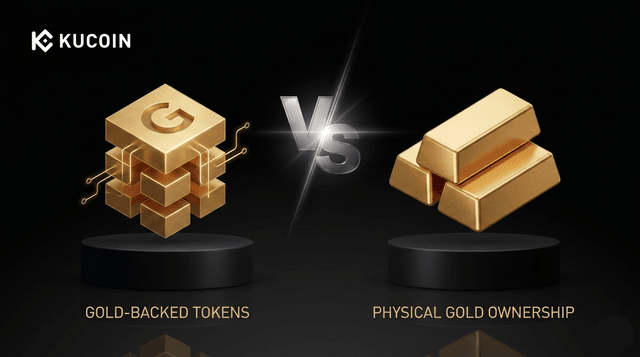
Key Takeaways
-
Physical Gold Ownership offers tangible possession, providing ultimate security against digital grid failures without counterparty risk.
-
Gold-Backed Tokens represent digital, fractionalized ownership of vault-stored gold, utilizing blockchain technology for instant transfers.
-
Storing Physical Gold Ownership requires safes or depository fees, whereas Gold-Backed Tokens usually have zero personal storage costs.
-
Gold-Backed Tokens provide 24/7 liquidity and atomic settlement, outperforming the manual trading required for Physical Gold Ownership.
-
Gold-Backed Tokens can be integrated into Decentralized Finance (DeFi) for yield, while Physical Gold Ownership sits idle.
In times of economic uncertainty, investors naturally gravitate toward hard assets. Historically, this meant relying on Physical Gold Ownership to preserve wealth and hedge against inflation. However, the maturation of blockchain technology has introduced a highly efficient digital alternative: Gold-Backed Tokens. Understanding the difference between Gold-Backed Tokens and Physical Gold Ownership is essential for modern portfolio construction. While both instruments provide exposure to gold's price action, their operational frameworks, liquidity, and risk profiles are entirely distinct. Physical Gold Ownership provides tangible security free from digital reliance, whereas Gold-Backed Tokens offer unprecedented divisibility and instant global settlement. This guide breaks down these critical distinctions to help you navigate hard-asset investments today.
Core Mechanics of Gold-Backed Tokens and Physical Gold Ownership
Defining Physical Gold Ownership vs Gold-Backed Tokens
Physical Gold Ownership involves direct possession of tangible bullion bars or sovereign minted coins. Its primary advantage is a total lack of counterparty risk—assuming you store it securely yourself. It exists independently of banks and digital ledgers, making it the ultimate hedge against systemic collapses.
In contrast, Gold-Backed Tokens are digital representations of real gold on a blockchain. Leading issuers peg one cryptographic token to one troy ounce of physical gold held in an institutional vault. You hold the digital keys to the token, not the heavy metal itself. This requires trusting the regulated custodian to maintain the 1:1 backing, but it bridges ancient stability with modern digital transferability.
Security and Storage of Gold-Backed Tokens vs Physical Gold Ownership
Securing Physical Gold Ownership requires immense logistical effort and cost. Whether you invest in heavy-duty fireproof home safes or pay annual fees for a private depository vault, the physical storage of heavy, valuable metal is a constant burden.
With Gold-Backed Tokens, physical storage logistics are entirely abstracted away. The vaulting costs are typically covered by the issuer. However, this introduces new digital risks. Token holders must safeguard their digital wallets against hacks or phishing scams. Furthermore, they are exposed to smart contract vulnerabilities and the systemic risk of the centralized custodian failing.
Market Dynamics of Gold-Backed Tokens and Physical Gold Ownership
Liquidity of Gold-Backed Tokens vs Physical Gold Ownership
Trading Physical Gold Ownership is bound by standard business hours. Selling a physical gold bar requires transporting it to a dealer, testing its purity, and settling the transaction during the workweek—a process that can take days.
Gold-Backed Tokens operate on global blockchains that never sleep. An investor can sell their tokens for digital stablecoins (like USDC) at any hour of the day or night. Settlement is atomic, meaning the transfer of ownership and funds occurs instantly.
Accessibility in Gold-Backed Tokens vs Physical Gold Ownership
Acquiring cost-effective Physical Gold Ownership requires substantial capital. Buying small 1-gram physical coins incurs massive dealer premiums, making fractional ownership highly inefficient for everyday investors.
Because blockchains are highly divisible, Gold-Backed Tokens completely democratize access. Investors can purchase micro-fractions of a token, gaining exact spot-price exposure for as little as $10, completely avoiding the exorbitant markups associated with small physical bullion.
| Feature | Physical Gold Ownership | Gold-Backed Tokens |
| Asset Form | Tangible metal | Digital cryptographic token |
| Divisibility | Low (high premiums for small pieces) | High (infinite micro-fractions) |
| Trading Hours | Standard business hours | 24/7/365 |
| Storage Costs | High (safes, vault fees, insurance) | None (absorbed by issuer) |
| Systemic Risk | None (if stored personally) | Moderate (custodial and smart contract risks) |
Portfolio Utility of Gold-Backed Tokens and Physical Gold Ownership
DeFi Integration for Gold-Backed Tokens vs Physical Gold Ownership
A major drawback of Physical Gold Ownership is that it generates no yield. It relies purely on capital appreciation. Gold-Backed Tokens, however, can be integrated into Decentralized Finance (DeFi) protocols. Investors can use their tokens as collateral to borrow stablecoins or deposit them into liquidity pools to earn a passive percentage yield, unlocking immense capital efficiency.
The Off-Grid Edge of Physical Gold Ownership Over Gold-Backed Tokens
Despite DeFi's advantages, Physical Gold Ownership retains one crucial edge: it functions offline. Gold-Backed Tokens require electricity, internet, and functioning blockchains. In a catastrophic geopolitical event or grid failure, digital tokens could become inaccessible. Physical gold remains universally recognized and tradable regardless of technological infrastructure.
Summary
Modern investors now have two distinct paths to acquire the world's most trusted safe-haven asset. Physical Gold Ownership remains the traditional choice, offering unmatched tangible security and absolute independence from digital counterparty risk. However, it requires navigating high storage costs and slow market liquidity. Alternatively, Gold-Backed Tokens modernize gold investment by utilizing blockchain technology to offer frictionless 24/7 liquidity, infinite fractionalization, and the ability to earn yields in DeFi. The trade-off is the introduction of digital counterparty trust and smart contract risks. Ultimately, choosing between the two depends on whether an investor prioritizes off-the-grid, multi-generational wealth protection or the high-speed efficiency of the modern digital economy.
FAQs Regarding Gold-Backed Tokens and Physical Gold Ownership
Are Gold-Backed Tokens as safe as Physical Gold Ownership?
Both track the exact same spot price of gold, but their risk profiles differ. Physical Gold Ownership is susceptible to physical theft and requires heavy security. Gold-Backed Tokens eliminate physical theft but introduce digital risks, such as smart contract hacks or the risk of the centralized vault mismanaging the underlying physical reserves.
Can I convert Gold-Backed Tokens into Physical Gold Ownership?
Yes, but usually only if you hold large amounts. Major issuers allow direct redemption for physical bullion, but often require minimums equal to a standard 400-ounce bar (hundreds of thousands of dollars). Retail investors usually have to sell their Gold-Backed Tokens for cash and then buy Physical Gold Ownership independently.
What are tax implications for Gold-Backed Tokens and Physical Gold Ownership?
In many jurisdictions, Physical Gold Ownership is taxed as a "collectible," which often carries a higher capital gains rate. The tax classification for Gold-Backed Tokens is still evolving, with some authorities treating them as digital assets and others looking through the token to tax it as a physical collectible. Always consult a tax professional.
Do Gold-Backed Tokens have the same premiums as Physical Gold Ownership?
No. Buying small increments of Physical Gold Ownership involves paying high dealer and fabrication premiums. Gold-Backed Tokens can be purchased at a price much closer to the raw global spot price of gold, making them vastly more cost-effective for smaller investments.
Create a free KuCoin account to discover the next crypto gems and trade over 1,000 global digital assets today. Create Now!
Further Reading:


