
What is Node in crypto?
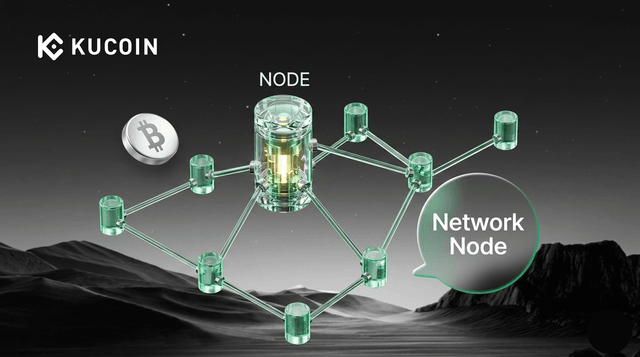
If blockchain is the digital highway of the financial world, then nodes are the traffic lights, toll booths, and GPS systems all rolled into one. To understand how a cryptocurrency exchange safely processes your trades or how a network remains "unhackable," you must first answer a fundamental question: What is a node?
In 2026, as decentralized networks scale to handle millions of transactions per second, nodes have evolved from simple hobbyist computers into a sophisticated global infrastructure. Whether you are a casual investor or a technical trader, nodes are the silent guardians ensuring your digital assets are authentic, secure, and available 24/7.
Key Takeaways
-
A node is any computer connected to a blockchain network that supports it by sharing and validating data.
-
The more nodes a network has, the more decentralized and resistant to censorship or hacking it becomes.
-
From "Full Nodes" that store the entire history to "Light Nodes" for mobile wallets, each plays a unique role.
-
The rise of Light Clients and Statelessness now allows users to run nodes on everyday hardware, further securing the ecosystem.
What is Node in Crypto?
In simple terms, a node is a device (usually a computer or server) that runs the specific software of a blockchain. Unlike a traditional bank where one central server holds all the data, a blockchain relies on thousands of nodes distributed globally.
When you make a transaction on our exchange and withdraw it to a private wallet, nodes across the globe work in sync to broadcast that transaction, verify you have the funds, and update the ledger.
How Nodes Maintain Security
Nodes operate on a system of "mutual distrust." They don't take any other node’s word for it; they verify every piece of data themselves.
-
Validation: When a new block is produced, every node checks it against the network's rules (consensus).
-
Propagation: Once a node confirms a block is valid, it sends that information to the next node.
-
Synchronization: Nodes constantly communicate to ensure they all have the exact same version of the blockchain history.
The Different Types of Nodes
Not all nodes are created equal. Depending on blockchain's architecture, they serve different purposes:
Full Nodes
These are the "historians." They download and store every single transaction that has ever happened on the blockchain. They are the ultimate authority on whether a transaction is valid.
Light Nodes (SPV)
These are designed for speed. They only download "block headers" (summaries). This is what allows your mobile crypto wallet to function without taking up 500GB of space.
Mining or Validator Nodes
In Proof of Work (Bitcoin) or Proof of Stake (Ethereum), these specific nodes are responsible for actually creating new blocks and earning rewards.
RPC Nodes
These act as the gateway for decentralized apps (dApps) and exchanges to talk to the blockchain.
Summary
A node is the fundamental unit of any decentralized network. It is a computer that runs blockchain software to validate, store, and broadcast transaction data. By distributing this responsibility across thousands of nodes, cryptocurrency removes the "single point of failure" found in traditional finance. As we move through 2026, the barrier to entry for running a node is lower than ever, ensuring that blockchain remains a transparent and community-driven technology.
FAQs
Do I need to run a node to use crypto?
No. Most users interact with the blockchain through "Light Clients" or exchange interfaces. However, running your own node provides the highest level of privacy and security, as you don't have to trust a third party to verify your transactions.
Is a "Node" the same as a "Miner"?
Not exactly. All miners are nodes, but not all nodes are miners. A node validates and shares data; a miner (or validator) does that plus spends energy or stakes collateral to propose new blocks to the chain.
Can a node be shut down?
A single node can be shut down, but the blockchain continues to run as long as at least one other node is active. This "redundancy" is what makes blockchain networks virtually impossible to "turn off."
How many nodes does Bitcoin or Ethereum have?
While the numbers fluctuate daily, major networks typically have tens of thousands of active nodes across every continent, ensuring global resilience.
Further Reading:


