
What is Blockchain in crypto?
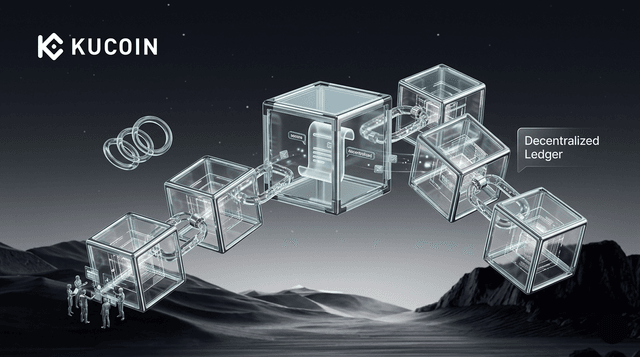
In the rapidly evolving world of digital finance, one question remains the foundation for every investor: What is blockchain? While the term is often synonymous with Bitcoin, blockchain is actually the underlying engine that makes the entire cryptocurrency ecosystem possible. In 2026, as institutional adoption reaches new heights and regulatory frameworks like MiCA and the CLARITY Act provide global standards, understanding this technology is no longer optional, it is essential for navigating the future of money.
At its core, blockchain is a revolutionary way of storing and moving data without a central middleman. Whether you are trading on an exchange or exploring decentralized finance (DeFi), blockchain is the "digital ledger" ensuring every transaction is secure, transparent, and permanent.
Key Takeaways
-
Blockchain removes the need for central authorities like banks, distributing power across a global network.
-
Once data is written to a blockchain, it cannot be altered or deleted, providing unparalleled security.
-
All network participants have access to a shared version of the truth, visible in real-time.
-
Leverage advanced Layer-2 frameworks and parallel execution to achieve millions of transactions with sub-second finality, while utilizing AI-driven threat detection to shield the ecosystem from application-level exploits.
What is Blockchain in Crypto?
Think of a traditional bank. When you send money, the bank records it in a private database they control. A blockchain does the same thing, but instead of a private book, it uses a decentralized digital ledger. This ledger is shared across thousands of computers (nodes) simultaneously.
When a transaction occurs in crypto—such as buying Ethereum or swapping a stablecoin, the details are grouped with other transactions into a "block."
How the "Chain" Works
The "chain" part of the name comes from how these blocks are linked. Each new block contains a unique mathematical code called a hash, as well as the hash of the block before it.
-
Transaction Initiation: You send a digital asset to another wallet.
-
Verification: A network of computers verifies the transaction using a consensus mechanism (like Proof of Stake).
-
Hashing: The block is sealed with a cryptographic timestamp.
-
Addition: The block is added to the previous ones, creating an unbreakable chronological chain.
Why Blockchain Matters for Crypto Users
For users of a crypto exchange, blockchain technology provides three critical benefits:
-
Security: By distributing ledger maintenance across a global network, blockchain eliminates central server vulnerabilities, though users must still safeguard their private keys and smart contract permissions.
-
Speed & Cost: In 2026, advancements in Modular Blockchains have reduced transaction costs by up to 60% compared to legacy systems, allowing for near-instant global settlement.
-
Trustless Innovation: You don't have to "trust" a person; you trust the code. This has enabled the rise of Smart Contracts—self-executing agreements that power everything from automated trading to Real World Asset (RWA) tokenization.
Summary
Blockchain is the technological backbone of the crypto industry. It is a distributed, immutable ledger that records transactions across a peer-to-peer network. By eliminating intermediaries, blockchain fosters a financial system that is more inclusive, transparent, and efficient. As we move deeper into 2026, blockchain is transitioning from an "experimental" phase into the fundamental infrastructure of global finance, powering everything from Central Bank Digital Currencies (CBDCs) to decentralized AI agents.
FAQs
Is blockchain the same as Bitcoin?
No. Bitcoin is a specific type of cryptocurrency, while blockchain is the technology that powers it. Think of blockchain as the internet and Bitcoin as an email application that runs on it.
Can a blockchain be hacked?
To alter a past record on a major network, an attacker would need to monopolize the network's consensus, either by controlling over 51% of mining power or a dominant share of the total staked assets, both of which are practically impossible on established networks.
What are "Layer-2" solutions?
Layer-2 solutions are secondary protocols built on top of a main blockchain (Layer-1). They handle transactions off-chain to increase speed and lower fees, then settle the final data on the main chain. They are a primary reason why crypto transactions are so fast in 2026.
What is a "Private" vs. "Public" blockchain?
A Public Blockchain (like Bitcoin) is open for anyone to join and view. A Private Blockchain is a restricted network often used by corporations or banks for internal operations where they control who can see or validate data.
Further Reading:


