
What is Liquidation in crypto?
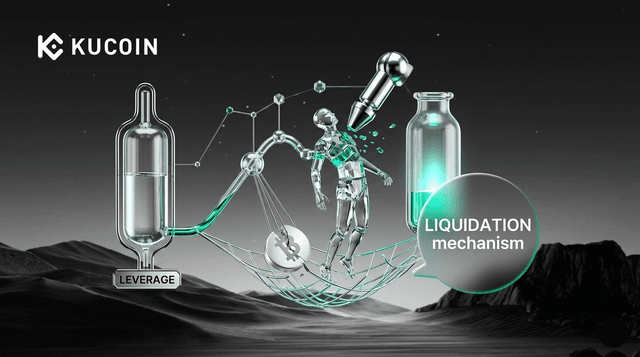
Liquidation is the automated "safety valve" of the crypto ecosystem. It is an involuntary event where an exchange closes a trader's position to ensure that losses do not exceed the collateral provided. In a market where AI-driven volatility and liquidity sweeps can move prices by 5–10% in seconds, understanding your "Liquidation Price" is no longer optional, it is a requirement for survival. Whether you are using Isolated Margin to ringfence your risk or Cross Margin to utilize your entire portfolio, the mechanics of the Mark Price and Maintenance Margin dictate whether your trade stays open or is forcibly closed by the exchange’s liquidation engine.
This guide provides a comprehensive overview of how liquidation works in the 2026 market, the role of the "Liquidation Buffer," and the strategic steps you can take to protect your collateral from being swept during a market cascade.
Key Takeaways
-
Liquidation is the automatic closing of a leveraged position by an exchange to prevent losses from exceeding the trader's collateral.
-
It occurs when the Mark Price (fair market value) hits your Liquidation Price, meaning your account equity has fallen below the Maintenance Margin.
-
Higher leverage (e.g., 20x or 50x) significantly narrows the "liquidation buffer," making you more vulnerable to minor price fluctuations.
-
Liquidation protects the broader exchange ecosystem by ensuring losing trades are settled before they create bad debt or impact other users.
Understanding Liquidation in 2026
In 2026, liquidation serves as a critical automated safety mechanism for crypto exchanges. When you trade with leverage, you are effectively borrowing funds to increase your market exposure. To do this, you must provide "margin" (collateral). If the market moves against you and your losses begin to consume that collateral, the exchange must intervene.
Mark Price vs. Last Price
A common point of confusion for traders is why they are liquidated even if the chart shows they are "safe." In 2026, most regulated exchanges use the Mark Price rather than the "Last Traded Price" to trigger liquidations.
Last Price
The price of the most recent trade on the exchange.
Mark Price
An index-based "fair value" that averages prices from multiple global sources. This prevents "flash liquidations" caused by single-exchange price spikes or manipulation.
Maintenance Margin and the Liquidation Engine
Every leveraged position has two critical thresholds:
-
Initial Margin: The capital required to open the trade.
-
Maintenance Margin: The absolute minimum amount of equity required to keep the trade open.
When the market moves against you and your account equity drops below the maintenance margin level, the Liquidation Engine activates instantly. Depending on the exchange’s policy, this may result in a Partial Liquidation (closing just enough of your position to restore the margin ratio) or a Full Liquidation (closing the entire trade).
The Cascade Effect
During periods of extreme volatility, "liquidation cascades" can occur. This happens when a large number of long positions are liquidated simultaneously, creating a wave of forced sell orders. These sell orders push the price down further, triggering the next "tier" of liquidations. In 2026, sophisticated traders use Liquidation Heatmaps to identify these zones and avoid being caught in a chain reaction.
Summary
Liquidation in crypto is an involuntary event where an exchange closes a trader's position because they no longer meet the minimum margin requirements. It is a function of leverage; while leverage amplifies profits, it also brings the liquidation price closer to the entry price. In today's market, successful trading requires a deep understanding of Mark Price mechanics and the maintenance of a "Liquidation Buffer" to withstand short-term volatility without losing your entire collateral.
Start your crypto journey in minutes by creating a secure KuCoin account with no initial deposit required. Sign Up Now!
FAQs
Can I lose more than my initial margin during a liquidation?
On most modern exchanges with Negative Balance Protection, you cannot lose more than you deposited. However, a liquidation usually results in the loss of 100% of the collateral assigned to that trade, plus a small "liquidation fee."
How is the liquidation price calculated?
The liquidation price is calculated based on your entry price, the amount of leverage used, and the exchange’s specific maintenance margin rate. For a long position, it is the price below your entry where your remaining equity equals the maintenance requirement.
Does adding margin move my liquidation price?
Yes. Adding more collateral (margin) to an open position lowers your effective leverage and moves your liquidation price further away from the current market price, giving your trade more "breathing room."
What is the difference between Isolated and Cross Margin liquidation?
In Isolated Margin, only the funds specifically assigned to one trade are at risk. In Cross Margin, your entire account balance acts as collateral; if one trade fails, the exchange can pull from your total balance to prevent liquidation, but a total market crash could wipe out your entire account.
Further Reading:


