
What is Governance Token in crypto?
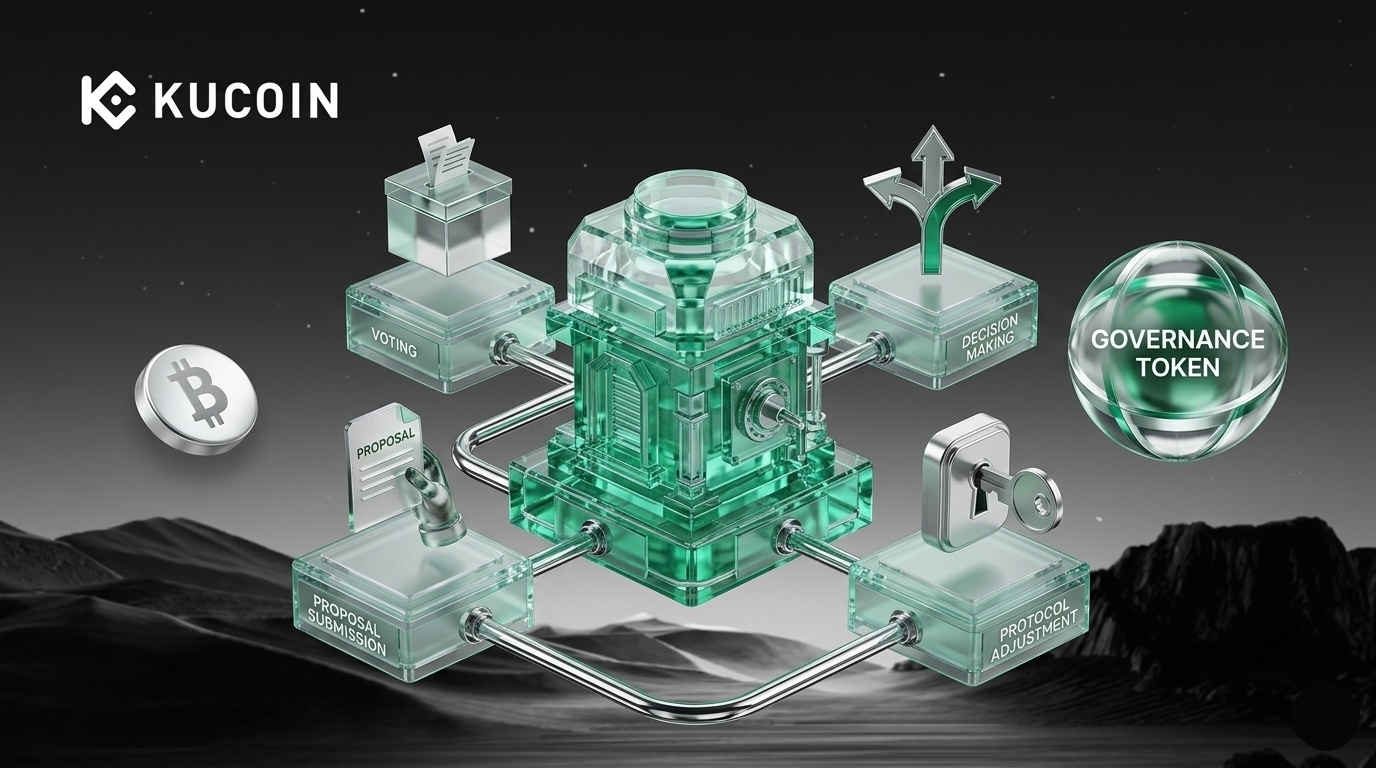
The rapid expansion of Web3 and Decentralized Finance (DeFi) has introduced a radical paradigm shift in corporate organizational structure and decision-making frameworks. In traditional finance, corporate entities are governed by centralized boards of directors and institutional executives who hold absolute control over business roadmaps, fee distribution, and system upgrades. The cryptocurrency ecosystem provides a transparent, automated alternative that shifts power directly to the community: the governance token. A governance token is a specialized digital asset that grants its holders voting rights within a decentralized blockchain protocol.
Key Takeaways
-
A governance token is a native digital asset that grants holders democratic voting rights to shape a blockchain protocol’s future roadmap.
-
These tokens serve as the core structural foundation for Decentralized Autonomous Organizations (DAOs), replacing centralized corporate hierarchies with automated code lines.
-
Token holders actively vote on crucial core parameters, including fee adjustments, protocol upgrades, smart contract modifications, and treasury fund allocations.
-
Voting power is typically proportional to token concentration, meaning users with larger balances hold greater overall mathematical influence over proposal outcomes.
Defining the Governance Token Concept
A governance token is a utility token that functions like a decentralized digital share within a blockchain ecosystem. The primary purpose of a governance token is to enable trustless community governance, allowing project developers to step back and pass administrative control over to a global network of stakeholders.
These tokens form the operational infrastructure for Decentralized Autonomous Organizations (DAOs). When a protocol transitions into a DAO, the underlying rules are hardcoded into public smart contracts, and any future changes to those rules must be approved through a transparent on-chain voting process.
How Does Token-Based Governance Work Dynamically?
The operational life cycle of a decentralized governance framework moves through three distinct, automated on-chain phases:
The Proposal Stage
When a core developer or a community member wants to introduce a change—such as reducing gas fees, launching a new yield farming vault, or allocating treasury funds to a marketing campaign—they draft a formal proposal. To prevent spam, the protocol typically requires the proposer to hold a minimum threshold of governance tokens.
The Voting Stage
Once published to the DAO’s dashboard, the voting window opens. Token holders connect their Web3 wallets to cast their votes. In a standard setup, the system operates on a 1 Token = 1 Vote model. The mathematical weight of your vote correlates directly with the number of tokens you hold. Users who do not wish to vote manually can delegate their voting power to trusted community experts.
Automated Execution
If a proposal passes the required quorum and secures a majority vote, the timeline enters a time-lock phase. Once the lock expires, the smart contract automatically executes the changes directly on the public ledger without needing any centralized manual approval or corporate signing authority.
Traditional Corporate Shares vs. Crypto Governance Tokens
Understanding the key variations between legacy equity models and decentralized governance frameworks is crucial for successful portfolio construction.
| Structural Metric | Traditional Corporate Stocks / Shares | Crypto Governance Tokens (DAO Model) |
| Decision-Making Speed | Variable; formal strategic pivots are tied to quarterly board meetings, though executives can sign off on emergency operations quickly. | Slower; reaching a true social consensus requires multi-week phases of public debates, temperature checks, and forum sentiment voting. |
| Voting Accountability | Hidden behind closed corporate proxy board rooms. | Completely transparent, public on-chain ledger verification. |
| Asset Custody | Held via centralized legacy brokerage institutions. | Fully non-custodial; secured via private crypto wallets. |
| Yield & Payout Mechanics | Direct Equity Payouts | Programmatic & Regulatory-Capped |
| Listing Process | Highly restricted IPOs backed by investment banks. | Permissionless listing across global digital networks. |
The Primary Benefits and Risks of Governance Tokens
While decentralized governance provides deep community alignment, operating in this environment introduces unique structural advantages and risk trade-offs:
-
Complete System Transparency: Every vote cast is recorded permanently on the public ledger, eliminating backend corporate corruption or hidden board-room manipulation.
-
The Whales and Plutocracy Risk: Because voting power scales with token concentration, institutional investors or project founders (commonly referred to as "whales") can buy up massive supplies to dominate votes, potentially twisting public protocols to match private interests.
-
Apathy and Low Quorum Participation: Many retail token holders hold assets purely for price speculation, ignoring active proposals. This low voter turnout can allow highly coordinated minority groups to pass controversial changes.
Conclusion
Governance tokens are the vital foundational pillars of Web3 democracy, transforming passive digital asset holders into active stakeholders who possess the mathematical authority to shape the future of decentralized finance. By replacing centralized corporate hierarchies with automated, transparent code lines, governance frameworks ensure that a protocol's growth remains aligned with its community's needs. While navigating the governance token landscape demands disciplined risk management regarding voter concentration and token volatility, its long-term utility is essential to the expansion of decentralized tech.
FAQs
Do governance tokens grant legal ownership of a crypto project?
No. Unlike traditional stock certificates that represent legal equity in a corporation, governance tokens grant strictly digital utility rights to vote on open-source protocol parameters via smart contracts.
Can I earn passive rewards by holding governance tokens?
Yes. Many modern protocols implement a "fee-switch" model, where a percentage of the network's transaction fees is automatically distributed back to token holders who actively stake their governance assets.
What is a "whale" in cryptocurrency governance voting?
A whale refers to an individual or institutional entity that holds an exceptionally large concentration of a specific token, giving them immense mathematical weight to influence proposal outcomes single-handedly.
What happens if an uncompliant proposal passes a vote?
Because smart contracts execute automatically based on mathematical consensus, a passed vote will deploy permanently on-chain unless developers implement emergency multi-signature override keys or the community triggers a network hard fork.
Further Reading:


