

What Are Bitcoin Inverse Futures? A Beginner's Guide

Bitcoin Inverse Futures (BTC Inverse Futures) are a fascinating but often misunderstood type of cryptocurrency derivative contract. They stand in stark contrast to the more common USDT-Margined Futures. In essence, inverse futures allow you to use Bitcoin (BTC) itself as collateral to bet on Bitcoin's price movements. To truly master this, you need to understand its unique mechanics—a crucial step for anyone moving beyond basic trading.
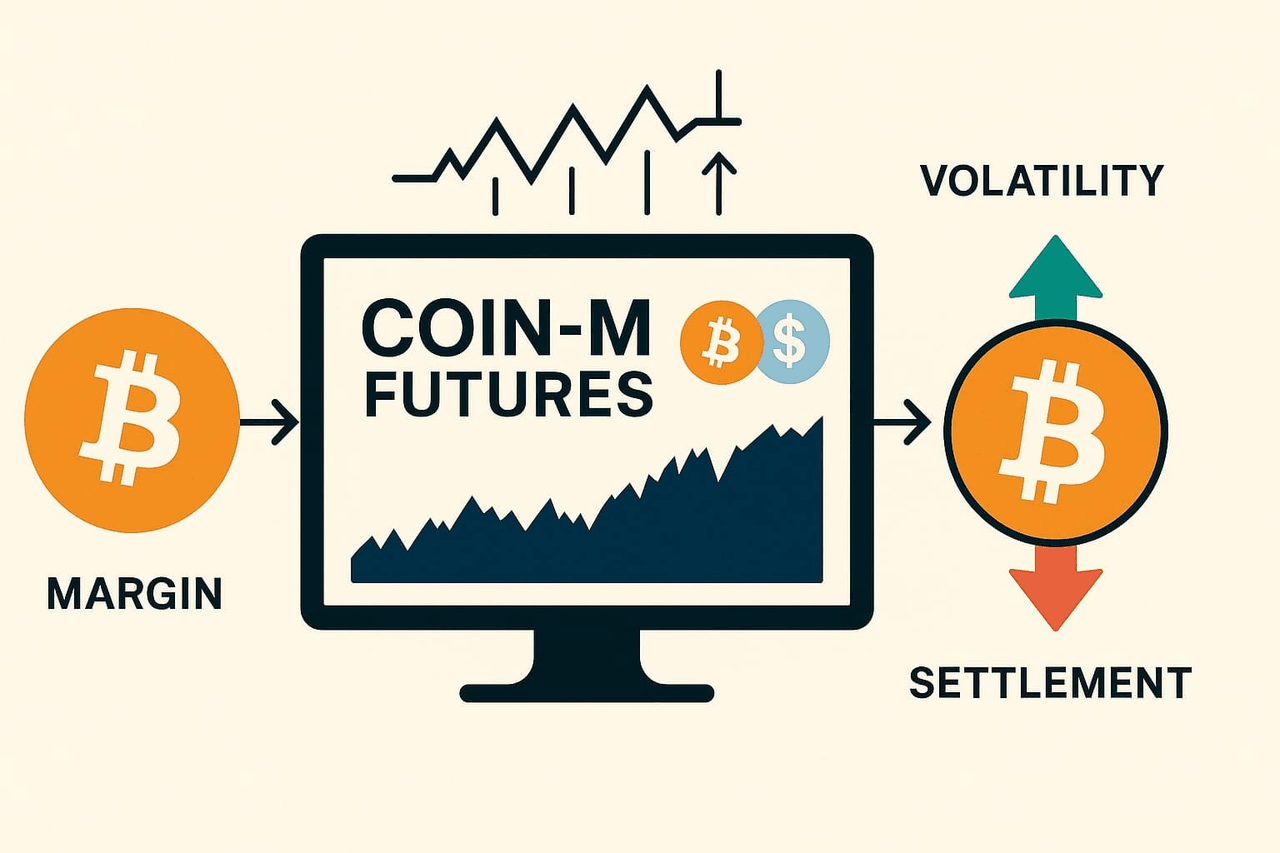
In the professional trading world, the terms Bitcoin Inverse Futures and Coin-Margined Futures are often used interchangeably. While they refer to the same product, they highlight different aspects:
- Coin-Margined: This name emphasizes the type of collateral—using a cryptocurrency like BTC as your margin.
 (Source:Leverage Trading)
- Inverse: This name focuses on the nonlinear relationship between the asset's price and your profit or loss. Your P&L is settled in BTC, which means your earnings or losses directly increase or decrease the number of coins you hold, not just their USD value.
The Fundamental Difference: Collateral and P&L
The core of understanding inverse futures lies in the distinction of how collateral is held and how profits and losses are calculated. Let's compare them to the more familiar USDT-margined contracts.
USDT-Margined Futures (Linear Futures)
This type of contract uses stablecoins like USDT as collateral, with all profits and losses also settled in USDT. The main advantage here is simplicity and stability. Your initial collateral is anchored to the US dollar, so its value doesn't fluctuate with the market. This makes P&L calculations straightforward and predictable, which is why it's often recommended for beginners.
For example, if you use 1,000 USDT to open a position, the value of that collateral remains 1,000 USDT regardless of whether Bitcoin's price goes up or down. Any profit or loss is simply added to or subtracted from that 1,000 USDT.
Bitcoin Inverse Futures (Inverse / Coin-Margined Futures)
This is where things get more complex. With inverse futures, your collateral is a volatile asset, Bitcoin. This means the value of your collateral itself is constantly changing. Your profits and losses are not calculated in a stable currency but are settled in the same volatile asset—BTC.
The core logic is to "use Bitcoin to earn more Bitcoin." If your trade is successful, your BTC stack grows. However, if the trade goes against you, the amount of BTC you hold shrinks. This creates a compelling but high-risk dynamic that traders must fully comprehend.
Why Do Traders Choose Inverse Futures? Exploring the Advantages and Risks
Despite their complexity, inverse futures are a powerful tool in the arsenal of experienced traders. Here's a deeper look into the pros and cons.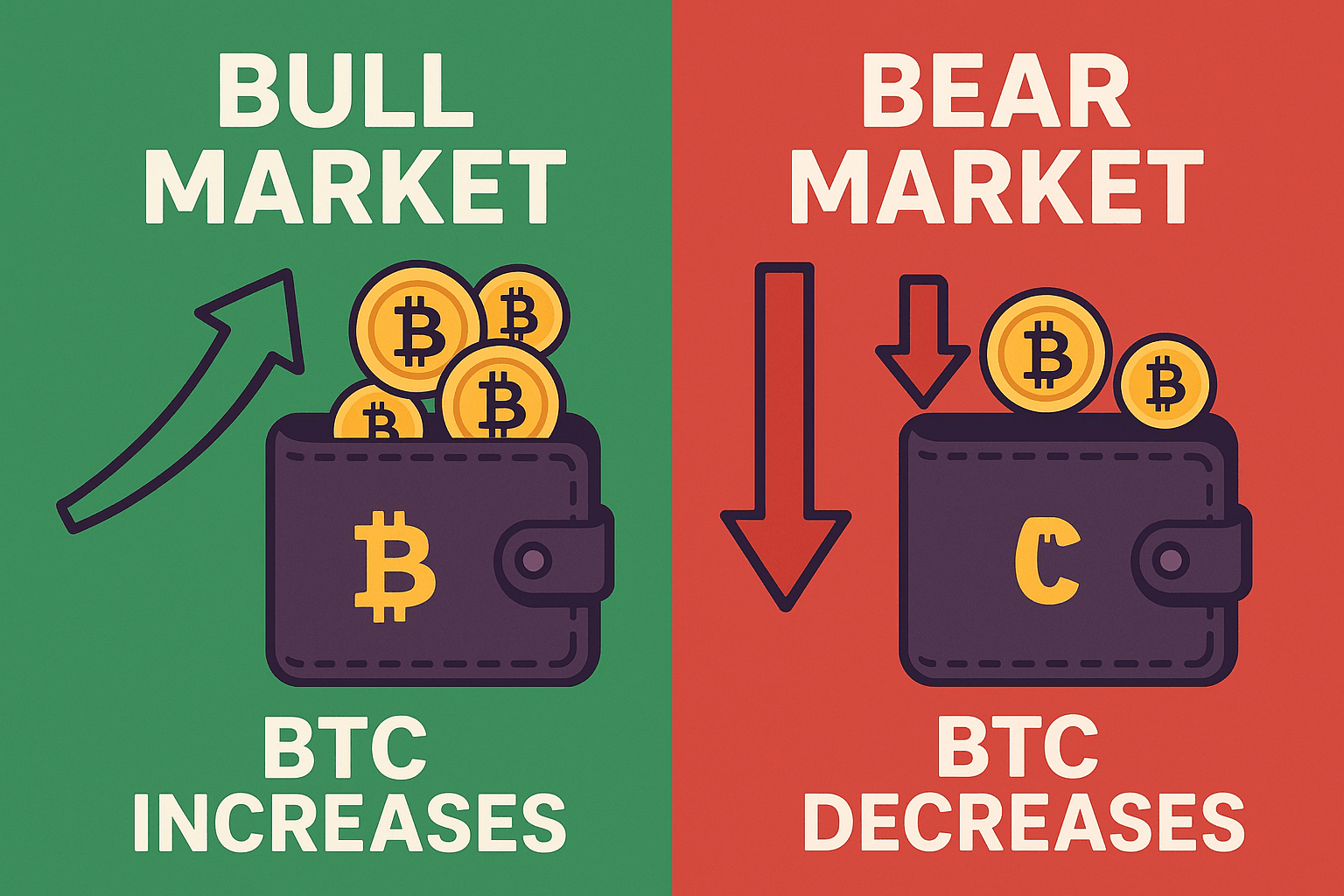
Key Advantages
- The "BTC Multiplier" Effect: For dedicated Bitcoin believers (often called "HODLers"), inverse futures can be a powerful strategy in a bull market. By going long, they can achieve a double-win scenario:
1. The value of their Bitcoin holdings increases as the market rises.
2. The profits from their leveraged position are settled in BTC, physically increasing the number of coins they own.
3. This creates an amplifying effect on their total BTC holdings, making it a highly attractive option during sustained rallies.
- Capital Efficiency: Inverse futures are exceptionally capital-efficient for traders who want to maintain their long-term BTC positions. Instead of selling BTC for USDT to fund a trade, they can simply use their existing BTC as collateral. This saves on transaction fees and prevents a trader from having to exit their long-term position.
- Effective Hedging: For those with a large spot BTC position, an inverse futures contract can act as a natural hedging tool. By opening a short position, they can offset potential losses in their spot holdings if the price drops. This is particularly useful for entities like Bitcoin miners who need to protect the future value of the BTC they earn.
Potential Risks
- The "BTC Shrinker" Effect: This is the primary risk of inverse futures. In a bear market, traders who go long face a double loss: the value of their spot holdings decreases, and the losses from their leveraged trade further reduce their BTC stack. This can accelerate the decline of their total assets, creating significant financial and psychological pressure.
- Unstable Collateral Value and Higher Liquidation Risk: Because your collateral is volatile BTC, its value can plummet during a market downturn. This increases your position's leverage ratio, making it more susceptible to a forced liquidation. A sharp drop in price can trigger a cascade effect, where your shrinking collateral and growing losses combine to quickly wipe out your position. In volatile markets, the risk of liquidation is significantly higher for inverse futures than for USDT-margined contracts.
Conclusion: Making an Informed Decision
Bitcoin inverse futures, or coin-margined contracts, are a sophisticated trading tool with unique mechanics. They are best suited for experienced traders with a clear market view and a high tolerance for risk. They offer an exciting way to potentially accumulate more Bitcoin, but they come with the inherent danger of magnified losses.
For most beginners and risk-averse traders, USDT-margined futures remain the more straightforward and safer choice. Their stable collateral simplifies risk management and makes P&L calculations transparent.
 Before you start trading any futures contract, it’s essential to thoroughly understand its specific mechanics. Consider using a demo account to practice without real capital and always have a strict risk management strategy in place. Understanding the nature of these tools is the key to navigating the complex and volatile world of crypto derivatives.
Related Articles:
Introduction of Coin-Margined Perpetual Contract and Delivery Contract
Futures Trading Guide - Web Version