

Should I Buy Bitcoin? A Practical Long-Term Investment Guide
2025/12/05 20:57:01
I. Introduction: The Eternal Question Amidst Short-Term Consolidation
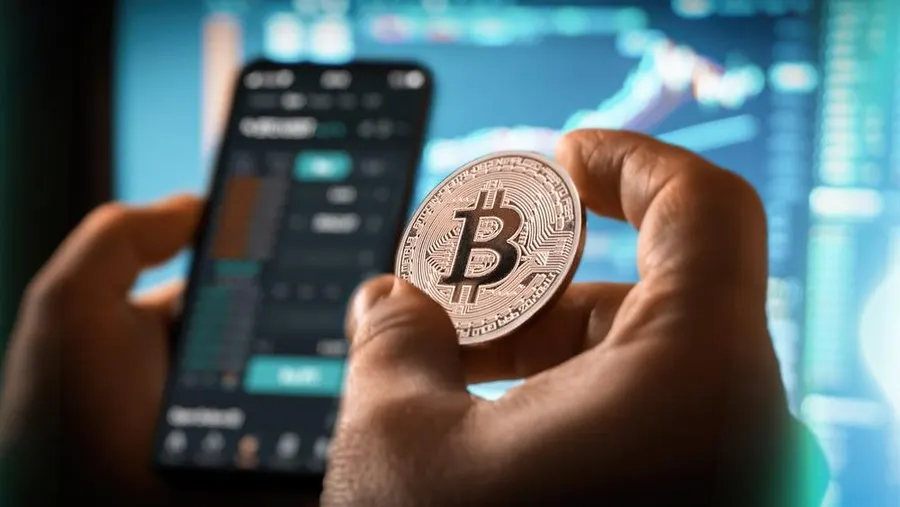
The crypto market is once again exhibiting its inherent volatility: Bitcoin (BTC) recently pulled back after reaching the $94,000 resistance level and is now finding temporary support around $91,000. Simultaneously, the altcoin market has picked up activity. For both newcomers and seasoned investors, the core question remains: Should I Buy Bitcoin now?
This article aims to strip away this daily market noise, delve into Bitcoin's fundamental value as a long-term asset, and provide a scientific allocation strategy. This comprehensive view will help you rationally answer the question, Should I Buy Bitcoin, without being swayed by short-term price pullbacks.
II. The Long-Term Value Cornerstone: The Determinants of Should I Buy Bitcoin
Short-term price fluctuations are merely expressions of market sentiment, but the factors that truly justify answering Should I Buy Bitcoin are its unique economic properties and long-term potential.
2.1. Inflation Hedge: Scarcity as the Foundation of "Digital Gold"
Bitcoin's central appeal lies in its absolute scarcity. The protocol mandates a hard supply cap of 21 million coins, which cannot be altered. In the current global climate of ongoing quantitative easing (QE) by central banks and persistent inflationary pressure, the purchasing power of fiat currencies continues to be diluted.
-
Value Proposition: Traditional safe-haven assets like gold are valued for their high mining costs and slow supply growth, acting as an inflation hedge. Bitcoin offers a superior, programmatically guaranteed scarcity, positioning it widely as "Digital Gold." If you are concerned about your wealth being eroded by persistent inflation, allocating a portion of your assets to DCA Bitcoin as an inflation hedge is a strategy worth serious consideration.
2.2. Structural Drivers: Halving Cycles and Institutional Adoption Wave
Bitcoin's price growth is not random; it's underpinned by clear structural drivers:
-
The Halving Cycle: The Halving event, occurring roughly every four years, cuts the rate of new coin issuance in half. This is a predictable supply shock. Historically, the 12 to 18 months following a Halving have consistently acted as a structural catalyst for significant long-term bull runs.
-
Institutional Capital: Over the past few years, the introduction of regulated investment products like Bitcoin Spot ETFs has provided large institutions, pension funds, and corporations with a secure and convenient channel to allocate BTC. This sustained inflow of institutional capital significantly enhances Bitcoin's credibility, liquidity, and market depth.
These long-term factors collectively form the solid foundation of Bitcoin long-term value.
III. Practical Allocation Guide: How to Scientifically Answer Should I Buy Bitcoin?
Once the long-term value is established, the critical next step to answering Should I Buy Bitcoin is implementing a strategy to effectively manage its high volatility.
3.1. The Risk Budget Principle: Determining Appropriate Portfolio Exposure
Bitcoin’s high reward potential is invariably accompanied by high risk. Successful investors manage this exposure within tolerable limits.
-
Core Recommendation: Given its volatility, it's advised that beginners in crypto allocate a maximum of 1% to 5% of their total assets to Bitcoin and other crypto assets. This range offers exposure to growth potential without exposing your entire financial health to catastrophic swings.
3.2. The Core Strategy: Disciplined Dollar-Cost Averaging (DCA)
"When to buy" is the most common pitfall. Facing the current oscillating market—support at $91K, resistance at $94K—attempting to perfectly "time the bottom" is nearly impossible.
-
DCA Mechanism: Dollar-Cost Averaging (DCA) is the optimal strategy for navigating volatility. It requires you to invest a fixed dollar amount at regular intervals, regardless of the price.
-
Neutralizing Emotion: DCA Bitcoin effectively isolates your investment decisions from market emotion, smooths out your average purchase cost, and prevents losses due to panic selling or FOMO buying.
Instead of agonizing over whether $91K is the absolute low, start executing your DCA plan.
IV. Tactical Integration: Incorporating the $91K Consolidation into Your DCA Strategy
The current support at $91,000 offers an excellent tactical integration point. We should blend this short-term signal into the long-term DCA strategy:
-
Utilize Support Points: The consolidation zone around $91,000 can be treated as an opportunity within your DCA plan to slightly increase the frequency or size of a batch purchase (while still adhering to your overall budget).
-
Set Defense Lines: Remain vigilant. If the price clearly breaks below $91,000, it signals increased short-term downside risk. In this scenario, pause your DCA frequency and wait for a more attractive entry price in a deeper pullback (e.g., $88,000 or lower).
This approach ensures that when you ask "Should I Buy Bitcoin?", you integrate long-term conviction with flexible short-term market tactics.
V. Conclusion: Invest Rationally, Uphold the Long-Term View
In summary, based on Bitcoin long-term value, its inherent scarcity, and macroeconomic tailwinds, the answer to Should I Buy Bitcoin is yes—provided you allocate strategically and scientifically.
Successful investing is not about pinpointing the next hour's price, but about consistently accumulating high-value assets. Adhere to your risk budget, firmly execute your DCA Bitcoin strategy, and allow this scarce asset to become a long-term engine for your wealth growth.