



What cryptocurrency projects offered large amounts of unlocks in May 2026?
In the fast-moving world of digital assets, certain moments stand out for reshaping how tokens enter the market. Token unlocks represent one of those quiet but powerful forces. By May 2026, the cryptocurrency sector had already weathered several high-profile supply events earlier in the year, yet May brought its own set of notable releases. Investors who paid close attention to these schedules often found themselves better prepared for short-term price swings and longer-term opportunities.
This article walks through what happened with the largest unlocks that month, why they matter, and how everyday participants can think about them without getting overwhelmed by technical jargon. Picture this: a single project suddenly makes hundreds of millions or even billions of tokens available after months or years of being locked away.
For many holders, that moment feels like a double-edged sword. On the one hand, it can fuel growth if the tokens support real activity, such as staking or ecosystem building. On the other hand, it risks adding sudden selling pressure if recipients decide to cash out. May 2026 offered a clear window into exactly that dynamic.
By the end of this piece, readers will have a straightforward grasp of the key projects involved, the mechanics behind the unlocks, their ripple effects on prices and liquidity, and sensible ways to approach similar events in the future. The goal here is simple: to turn what can seem like insider data into something any interested person can follow and use.
The pages ahead break down the basics of token unlocks, examine how they influenced the broader market that month, highlight potential upsides that often get overlooked, and lay out the real risks along with practical steps to manage them. Along the way, specific examples from May 2026 illustrate each point, drawing on vesting schedules, historical patterns, and on-chain behavior that analysts tracked at the time.
What Token Unlocks Actually Are and Why Projects Use Them
Token unlocks sit at the heart of how most cryptocurrency projects manage their supply. In simple terms, they are the scheduled release of tokens that were previously restricted, often through smart contracts that prevent early selling. Teams, early investors, advisors, and ecosystem funds typically agree to these locks at the project’s launch to show commitment and avoid flooding the market right away. The idea is to line up incentives so that everyone involved benefits only when the project delivers real value over time.
There are two common styles. A “cliff” unlock drops a big batch all at once after a set waiting period, while “linear” releases drip out gradually, sometimes daily or monthly. Both approaches appear in the May 2026 calendar. According to data tracked across major platforms at the time, the average monthly unlock value in 2026 hovered around $2 billion before spiking in certain months, but May stayed relatively measured compared with March’s record wave. Still, the events that did occur carried weight because of their size relative to each project’s circulating supply.
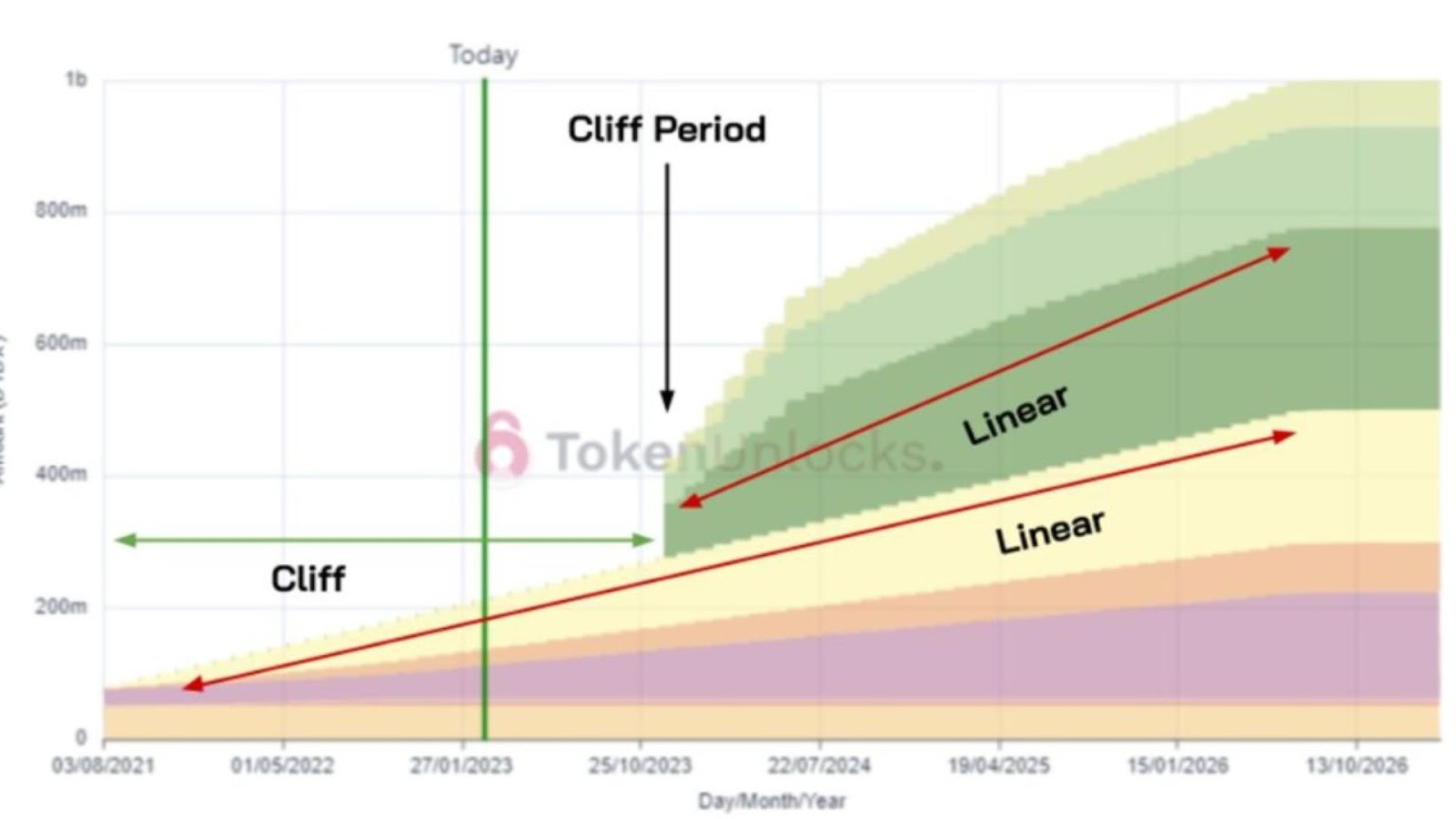
One useful way to think about it comes from how traditional finance handles stock options or employee shares; vesting periods encourage people to stick around and work toward shared success. In crypto, the same logic applies, but with added transparency thanks to public blockchains. A 2026 report from a major exchange’s research arm noted that roughly 90 percent of unlock events had historically put downward pressure on prices in the short run, yet the magnitude depended heavily on whether the released tokens went to long-term believers or short-term speculators. That observation held true in May as well.
To put numbers in perspective, consider that a project with a $500 million market cap releasing even 5 percent of its supply can feel like a meaningful shift in available liquidity. When that figure climbs to 20 or 30 percent of the float, as it did for a couple of names in May, the conversation naturally turns to potential dilution and how the market might absorb it. These mechanics are not new; similar patterns played out in previous cycles, but the scale and timing in 2026 reflected maturing tokenomics across the industry.
How the May 2026 Unlocks Shaped Market Behavior
In May 2026, several cryptocurrency projects released significant amounts of new tokens. Each unlock had its own story. Together, they showed how token releases affect trading activity, market sentiment, and on-chain data. Some caused short-term pressure, while others were absorbed more quietly. The month offered clear lessons about changes in crypto supply.
Omni Network – May 2: Early Test for an Interoperability Project
The month started on May 2 with Omni Network. Roughly 7.99 million OMNI tokens became available. This represented about 8 percent of the total supply and close to a quarter of the released float at the time.
Omni Network focuses on blockchain interoperability. It helps different chains communicate more easily and move assets without friction. Because the project was still growing its user base, the unlock size caught attention.
Traders who follow vesting schedules noticed modest selling in the days leading up to May 2. This pre-unlock dip is a common pattern investors often try to get ahead of new supply. On the day itself, results were mixed. Some tokens were absorbed through existing liquidity pools, showing real user interest. However, there was enough selling pressure to keep short-term volatility above normal levels. The event reminded people that even promising interoperability projects can face temporary challenges during unlocks.
Space and Time – May 8: A Large Cliff Unlock for Data Infrastructure

A few days later, on May 8, Space and Time released 387.6 million SXT tokens. This was one of the larger single-day unlocks of the month, accounting for roughly 23 percent of the released supply.
Space and Time specializes in indexing and querying blockchain data at high speed. It acts like a searchable layer that helps decentralized applications find and use information quickly.
The unlock mainly went to core contributors and ecosystem allocations. This meant part of the tokens could support development work or community initiatives instead of going straight to the market. Still, the large volume made people cautious.
Market watchers noted that data infrastructure projects often experience slower absorption. Their tokens are used more for utility than pure speculation. In this case, the price dipped noticeably after the unlock but later stabilized. Some holders chose to stake their tokens or use them inside the protocol. Compared to meme coins, the reaction stayed relatively contained. The event showed that utility-focused projects can handle large unlocks better than hype-driven ones, even if a brief adjustment period is required.
Avalanche – May 12: A Small but Steady Routine Unlock
Mid-month brought a much smaller and more predictable event. On May 12, Avalanche unlocked 1.67 million AVAX tokens. This was only about 0.31 percent of the released supply.
On its own, the number sounds tiny. But Avalanche is a well-established high-throughput layer-1 blockchain. Even modest additions matter for its overall liquidity.
The tokens were issued through foundation allocations and used for ongoing grants and ecosystem growth. Because the release followed a regular schedule, it blended smoothly into normal trading. Price action stayed relatively steady with no big drama.
This unlock illustrated an important point: smaller, expected releases often cause very little disruption. They become part of the daily volume rather than headline events. For long-term AVAX holders, it felt more like routine maintenance than a major event.
Pyth Network – May 19: The Month’s Biggest Unlock

The most talked-about event in May took place on May 19 with Pyth Network. The project released 2.13 billion PYTH tokens. This accounted for nearly 37 percent of the released supply and over 21 percent of the maximum total supply.
Pyth Network is a decentralized oracle that provides fast, accurate real-world price data to blockchains. Many DeFi applications rely on it for reliable information.
The unlock was spread across ecosystem growth and protocol development categories. This showed the team wanted to use the tokens for partnerships and integrations rather than simple distribution. Even so, the size sparked the month’s biggest discussion. Before the unlock, analysts saw increased hedging activity. Some derivatives traders opened short positions to protect against dilution. After the tokens entered circulation, the expected initial price softness appeared.
However, Pyth’s strong fundamentals helped it recover faster than many expected. The network already had high DeFi usage, creating real demand for the token. One research note from a major exchange at the time explained that oracles with proven adoption often handle large unlocks better. Real utility helps offset the new supply. Still, the event proved that when a release reaches one-third of the float, short-term volatility is almost guaranteed.
Cetus Protocol – Ongoing Linear Unlocks Throughout May
Cetus Protocol added a different kind of pressure through its steady linear vesting. Around 184 million CETUS tokens continued to vest for team and advisor portions during the month.
Cetus is a decentralized exchange built on a high-performance chain. It used these gradual releases to keep the team motivated without sudden large floods of supply.
Because the tokens arrived gradually, the impact was spread out and less dramatic than that of cliff unlocks. It was not as headline-grabbing, but liquidity providers still had to watch the extra supply, especially when monitoring fee-sharing mechanics.
This linear approach contrasted sharply with the larger one-day events. It gave the market more time to adjust and created a steadier, though still noticeable, effect.
Key Lessons from All the May 2026 Unlocks
Looking at all these events together, one clear lesson emerged: the size of an unlock relative to the existing float, and how recipients behave, matter far more than the raw number of tokens.
In a market already cautious after earlier volatility in 2026, even moderate releases could trigger short-term dips. On-chain data showed higher transfer volumes to exchanges around the bigger unlock dates. This confirmed that some recipients did sell portions of their tokens.
At the same time, there was no total market crash. This suggested the crypto market was becoming more mature. More participants had learned to check unlock schedules in advance and position themselves accordingly, rather than panic.
The May unlocks also highlighted differences between project types. Newer interoperability projects like Omni faced clearer short-term pressure. Data infrastructure tokens like Space and Time and Pyth showed how real utility can help absorb supply over time. Established networks like Avalanche proved that small, predictable unlocks can pass almost unnoticed. Linear releases like Cetus offered a smoother, slower impact.
Benefits That Often Get Overlooked in Unlock Discussions
Most news stories focus only on the risks of token unlocks. But unlocks also have several good sides that many people miss. The events in May 2026 clearly demonstrated these benefits.
1. Showing Confidence in the Project’s Future
When a project releases tokens on time, it sends a strong message. It tells the market, “We believe in what we are building.”
Instead of hiding tokens forever, the team lets the market decide the real value. In May 2026, projects like Pyth Network and Space and Time used part of their unlocks for ecosystem grants and development work. This turned possible dilution into useful fuel for growth, more users, more activity, and stronger demand for the token.
2. Making Trading Easier for Everyone
More tokens in circulation improve liquidity. This brings real benefits:
-
Big investors can buy or sell without causing big price swings.
-
Normal retail traders face less slippage on small trades.
-
The order book becomes deeper, so prices move more smoothly.
Projects that managed to unlock well in the past often attracted more institutional money once the first reaction had settled down.
3. Keeping Everyone Motivated
Unlocks help keep incentives aligned. Early investors who waited patiently finally get a chance to take some profit. This encourages them to keep supporting the project.
For regular users, seeing tokens go into growth pools builds trust. It shows the team is spending money on real improvements, not just holding everything.
In May 2026, many of the unlocked tokens were allocated to protocol development. This led to actual upgrades, such as:
Faster and more accurate Oracle updates for Pyth Network
Better data indexing tools for Space and Time
These changes strengthened the networks, even if they did not immediately raise prices.
4. Creating Predictability and Trust
Clear unlock schedules stop the “forever locked” problem. When investors know exactly when and how much supply is coming, they can plan ahead. They don’t have to guess or worry about surprise events.
This predictability may cause some short-term ups and downs, but in the long run, it makes the whole market healthier and more mature.
No discussion of unlocks would be complete without acknowledging the challenges. The most immediate one is selling pressure. Recipients, whether team members, venture investors, or early users, often face tax obligations or simply want to diversify after years of holding illiquid assets. In May 2026, the larger events like Pyth’s 37 percent release created exactly that environment. Prices softened in the lead-up as traders front-ran the news, and the immediate aftermath saw increased inflows into the exchange. Data from the period indicated that roughly three-quarters of tracked unlocks in similar size categories experienced at least a 5 percent price decline within two weeks.
Dilution poses another concern. Existing holders wake up to find their ownership percentage smaller, which can feel discouraging even if the project’s fundamentals remain solid. For smaller market-cap tokens, the effect magnifies because liquidity is thinner. Volatility spikes around unlock dates also complicate trading strategies, especially for leveraged traders.
Broader market conditions play a role, too. When sentiment already leans negative, as it did in pockets of 2026 following earlier macro uncertainty unlocks, it can act as an extra weight. The Cetus linear releases, while smaller individually, added up over the month and contributed to steady but noticeable supply growth for liquidity providers to absorb.
Fortunately, participants developed practical workarounds. Many turned to yield-generating options on established exchanges to offset potential losses. During periods of unlock-driven volatility, platforms offering flexible staking or savings products became popular because they let holders earn passive returns while keeping tokens out of circulation.
One exchange’s research highlighted how retail users in particular found comfort in structured earning programs that provided stability when spot prices dipped. For instance, users who parked assets in low-risk pools during the May events often reported feeling less exposed to the daily swings, turning what could have been stressful weeks into opportunities to compound holdings.
Other precautions include spreading exposure across multiple projects rather than concentrating in a single unlock-heavy name, monitoring on-chain metrics such as exchange reserves in the days before events, and setting realistic price targets that account for temporary dilution. Seasoned observers also recommend reading the original tokenomics documents to understand allocation breakdowns. Ecosystem-focused releases tend to create less immediate selling than pure investor cliffs.
In the end, the challenges are real but not insurmountable. By treating unlocks as scheduled events rather than surprises, investors can move from reactive panic to proactive positioning.
Wrapping Up the May 2026 Picture and What Comes Next
May 2026’s token unlocks led by Pyth Network’s substantial release, Space and Time’s cliff, Omni’s interoperability tranche, Avalanche’s steady contribution, and Cetus’s linear flow offered a textbook study in supply dynamics. The month reminded everyone that while large unlocks can introduce short-term headwinds, they also reflect projects maturing and distributing ownership more broadly. The key takeaway is balance: respect the mechanics, watch the data, and focus on long-term utility rather than daily price ticks.
Token unlocks remain a permanent feature of the cryptocurrency landscape because they serve a genuine purpose, aligning incentives and injecting liquidity at the right moments. As the industry continues evolving, those who understand these events gain an edge. Whether the goal is trading around volatility or holding for ecosystem growth, staying informed turns potential pitfalls into manageable parts of the journey.
For those looking to stay ahead, platforms that combine education, research, and practical tools make a real difference. Checking dedicated learning sections or announcement channels on major exchanges can provide timely context when new schedules are announced. And during uncertain stretches, exploring yield-generating options without adding risk has helped many retail participants weather supply events more comfortably.
The crypto market never stops moving, and neither should curiosity about its inner workings. Keep an eye on upcoming calendars, review project roadmaps, and remember that every unlock tells a story about commitment, growth, and market readiness. The next wave is always around the corner; being prepared makes all the difference.
Frequently Asked Questions
What exactly is a token unlock in cryptocurrency?
It is the moment when previously locked tokens become tradable according to a preset schedule. Projects use locks to prevent early dumps and encourage long-term involvement.
Which projects had the largest unlocks in May 2026?
Pyth Network stood out with over 2.13 billion PYTH on May 19, followed by Space and Time’s 387.6 million SXT on May 8. Omni Network, Avalanche, and Cetus Protocol also featured notable releases.
Do unlocks always cause prices to drop?
Not always, but historical patterns show downward pressure in the majority of cases, especially when the unlock size is large relative to circulating supply. Strong utility and positive sentiment can limit the effect.
How can investors prepare for an upcoming unlock?
Check vesting calendars on trusted trackers, review allocation details, monitor on-chain flows, and consider diversifying or using yield products to hedge.
Why do projects schedule unlocks instead of keeping tokens locked forever?
To align incentives, reward contributors fairly, and gradually increase liquidity so the market can price the token accurately as adoption grows.
What role do exchanges play around unlock periods?
Many provide research updates, earn programs, and liquidity tools that help users manage volatility. Flexible staking options often become popular during these windows.
Are linear unlocks safer than cliff unlocks?
Generally, yes, because supply enters gradually, giving the market time to absorb it. Cliff events create sharper one-day impacts.
Should new investors avoid tokens with big upcoming unlocks?
Not necessarily. Research the project’s fundamentals first. A well-managed unlock can coincide with growth phases that ultimately benefit holders who stay patient.