

Grayscale Files for Worldcoin (WLD) ETF: High-Risk Play as Token Sits 97% Below All-Time High
2026/07/22 18:06:00
Grayscale's Ambitious Move into Worldcoin ETF Amid Market Challenges
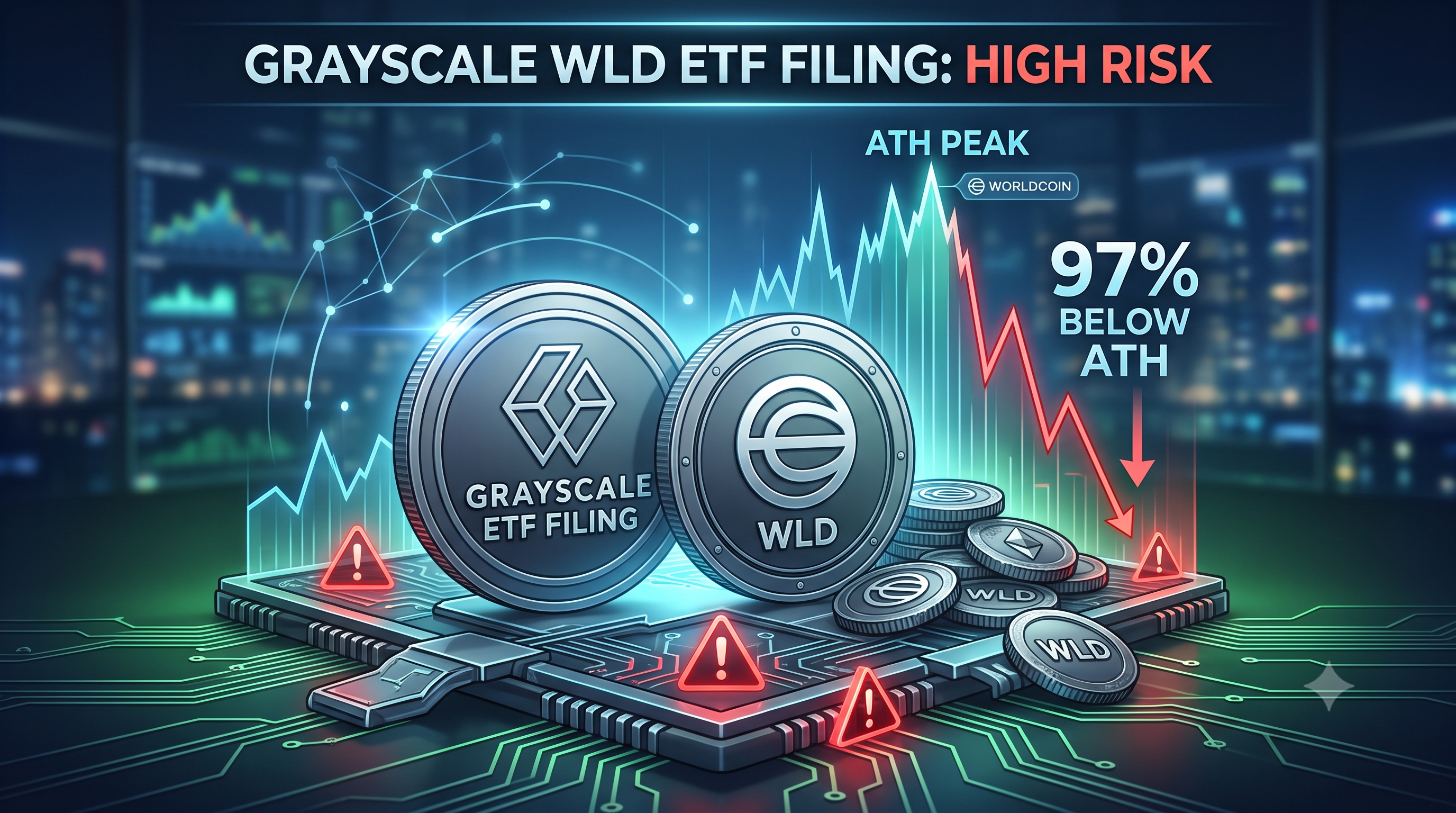
Grayscale Investments has taken a significant step by submitting an S-1 registration statement with the U.S. Securities and Exchange Commission on July 20, 2026, for a spot Worldcoin ETF, which is set to be listed on Nasdaq under the ticker GWLD. This proposed fund aims to hold WLD tokens directly, allowing it to track their performance closely. By doing so, Grayscale seeks to provide traditional investors with a regulated means of exposure to the cryptocurrency market without the complexities of managing private keys or navigating the often volatile crypto exchanges. This filing comes at a time when WLD has recently hit lows, highlighting a contrarian bet on the project’s long-term potential despite significant price depreciation. The timing of this move suggests a strategic positioning by Grayscale to capitalize on potential recovery and growth in the cryptocurrency sector.
Grayscale’s Worldcoin ETF filing is not just a routine expansion of its crypto product suite; it represents a high-risk strategic maneuver aimed at tapping into the growing interest in biometric identity solutions. As the market evolves, investors must carefully weigh the risks associated with extreme token drawdowns, supply dynamics, and specific challenges related to the Worldcoin project. The decision to launch this ETF reflects Grayscale's confidence in the future of Worldcoin and its underlying technology, even as the market faces headwinds. This initiative could pave the way for broader institutional adoption of cryptocurrencies, provided that regulatory hurdles are navigated successfully. Investors are advised to remain vigilant and consider the broader market context as they evaluate the potential risks and rewards associated with this new ETF offering.
Grayscale’s Strategic Timing in Filing the Worldcoin ETF Amid Token Weakness
Grayscale swiftly capitalized on the Worldcoin opportunity, establishing the Delaware statutory trust on July 10, 2026, and filing the S-1 just ten days later. The proposed Grayscale Worldcoin ETF is designed to function as a passive investment vehicle, primarily holding WLD as its main asset. Shares will be valued according to the CoinDesk Worldcoin Benchmark Rate, minus applicable fees. BitGo Bank & Trust has been appointed as custodian, while BNY Mellon will serve as the administrator and transfer agent, and CSC Delaware Trust Company will act as trustee. This structure is consistent with Grayscale’s established strategy for other single-asset products, aiming to provide brokerage-friendly access to investors. Following the announcement, WLD experienced a positive market reaction, gaining approximately 4-5% to a price range of $0.37-$0.38.
However, it is important to note that the token remains about 97% below its all-time high of nearly $11.74 reached in March 2024. This filing not only expands Grayscale’s product lineup to a total of 18 crypto-related offerings but also aligns with its broader strategic initiative to pursue ETF conversions and new listings that comply with Nasdaq's generic standards, enhancing its market presence and appeal to institutional investors. Market observers have pointed out that the compressed timeline for this filing reflects the evolving regulatory space for commodity-based trusts, which is becoming increasingly favorable for such initiatives. This strategic move comes at a time when Worldcoin, now rebranded under the World Network, is actively working to expand its user base through innovative iris-scanning Orbs that facilitate World ID verification.
In-depth analysis indicates that these investment wrappers could significantly lower barriers for institutional capital, although the ultimate success of this initiative will depend on regulatory approval and the subsequent inflow of investments. Details regarding management fees and seed amounts are still pending and will be addressed in forthcoming amendments, which is a standard practice for such filings. This development not only provides fresh context for evaluating WLD’s currently depressed valuation but also highlights the potential for growth against various project metrics, suggesting a promising outlook for the future of Worldcoin and its associated products.
Worldcoin Token Performance and Distance from All-Time Highs
WLD has faced significant depreciation, currently trading in the range of $0.37 to $0.40 as of mid-July 2026, with a market capitalization estimated between $1.3 billion and $1.4 billion. This valuation places it considerably below its historical peak, which is indicative of broader market cycles that have influenced the cryptocurrency landscape. Additionally, project-specific pressures have contributed to this decline, including the impact of token unlocks that have increased circulating supply and the emergence of competitive identity solutions that challenge Worldcoin's market position. The circulating supply of WLD is approximately 3.5 billion tokens out of a total cap of 10 billion, with ongoing distributions to verified users and scheduled token releases planned through 2028.
Recent price movements have shown some brief recoveries, often triggered by treasury activities or positive news catalysts; however, the overall market sentiment surrounding WLD has faced challenges, leading to a cautious outlook among investors. Despite these difficulties, trading volumes have remained active, suggesting that there is sustained interest in WLD from the market, even in the face of drawdowns. This indicates that while the token's price has struggled, there is still a base of support and engagement from traders and investors who believe in its long-term potential. The interplay of the market continues to develop, and it will be crucial for stakeholders to monitor these trends closely as they may influence future price movements and overall market health.
Project Fundamentals Behind Worldcoin and World ID System
Worldcoin, associated with Tools for Humanity and co-founded by prominent figures including Sam Altman, is at the forefront of biometric verification technology, utilizing innovative Orb devices to create unique World IDs for individuals. This system is designed to effectively distinguish between humans and artificial intelligence in various digital interactions, which is increasingly important in today's technology-driven world. With reported sign-ups ranging from over 20 to 26 million and millions of verified users already in the system, Worldcoin is making significant strides in establishing a reliable identity verification framework. The iris scans conducted through the Orb devices generate proofs that are stored privately, ensuring user data security while simultaneously enabling the distribution of WLD tokens as incentives for participation.
The network operates on its Optimism-based World Chain, which is specifically designed for scalability, allowing it to handle a growing number of users efficiently. The growth in verified human identities is crucial to supporting the vision of a global identity layer, which has potential applications in areas such as AI governance and experiments related to universal basic income. However, the project faces challenges, including regulatory scrutiny in various jurisdictions concerning privacy and data handling practices, as highlighted in the recent Grayscale filing. The concentration of wallets within the Worldcoin ecosystem remains notably high, with the top 100 addresses holding a substantial portion of the total supply. This concentration raises concerns about market dynamics and the potential for manipulation.
Analysis of adoption can be seen in various integrations for proof-of-personhood in online services, which are becoming increasingly relevant as digital identity verification becomes a necessity in many sectors. The introduction of an ETF structure could significantly broaden access to Worldcoin, potentially aiding in the expansion of the ecosystem by attracting much-needed capital for further development and innovation. A thorough analysis of user metrics in relation to token economics reveals a complex tension between network growth and the sell pressure resulting from ongoing distributions. This foundational layer of the project underpins a high-risk narrative, where ambitious technological goals must navigate the challenges of execution and regulatory hurdles that could impact the project's long-term viability and success.
Distribution Dynamics and Token Unlock Schedule Impacting WLD Valuation
The WLD token features a fixed supply cap of 10 billion, with approximately one-third of that amount circulating in the market as of mid-2026. This limited supply is crucial for maintaining value, but it is important to note that scheduled unlocks for team members, investors, and community allocations will continue through July 2028. These unlocks contribute to ongoing selling pressure, which has negatively impacted the token's price. However, a significant emission cut is anticipated on July 24, 2026, which is expected to substantially reduce the daily influx of new supply into the market. The fully diluted valuation of the token currently sits higher than its market cap, underscoring the risks associated with dilution.
Grayscale’s filing acknowledges these mechanics as material factors that could influence investor sentiment. The market implications of these dynamics include the potential for an improved perception of scarcity following the adjustments, although it is worth noting that historical unlocks have often pressured performance. Investors are closely monitoring the ratios of circulating versus total supply as they assess the potential for recovery in the token's value. In parallel market contexts, understanding concepts such as the differences between isolated and cross margins is essential for effectively managing positions amid the volatility driven by supply dynamics.
Latest data indicates that there are gradual increases in the float, which are being balanced against incentives for user growth. This interplay creates a multi-year horizon for token economics to stabilize, which is particularly relevant for long-term holders of exchange-traded funds (ETFs). Practical tracking through on-chain metrics and detailed vesting schedules provides a level of transparency that is beneficial for investors. The overall structure positions WLD as a strategic bet on the network effects that are expected to outweigh the risks of dilution over time, making it an intriguing option for those looking to invest in the evolving landscape of digital assets.
Custody and Operational Structure Proposed in the Grayscale Filing
The S-1 outlines a comprehensive operational framework, detailing how BitGo will provide custody for WLD holdings. This arrangement is designed to address the specific security needs of institutional products, ensuring that assets are safeguarded against potential threats. BitGo's expertise in digital asset custody is pivotal, as it employs advanced security measures and protocols to protect client assets. Furthermore, the partnership with BNY Mellon enhances the operational structure, as they handle administration and leverage their established infrastructure for seamless integration with traditional finance systems. This collaboration not only streamlines processes but also instills confidence among institutional investors, who require robust security and operational reliability.
This setup minimizes risks associated with asset management and enhances the overall trust in the WLD ecosystem, fostering a more secure environment for institutional participation. In addition, the operational framework is designed to adapt to evolving market conditions, ensuring that both BitGo and BNY Mellon can respond effectively to any challenges that may arise. By implementing best practices in asset custody and administration, the S-1 aims to create a resilient structure that supports the long-term growth and stability of WLD holdings.
This strategic approach is crucial in a rapidly changing financial landscape, where regulatory compliance and security are paramount. As the project progresses, ongoing assessments and updates to the operational framework will be essential to maintain alignment with industry standards and investor expectations. This meticulous planning and execution are expected to bolster the project's credibility and attract a wider range of institutional investors, ultimately contributing to the success of the WLD initiative.
Market Reaction and Short-Term Price Implications Following the Announcement
News of the filing prompted an immediate 4-6% uplift in WLD trading, lifting it from recent lows near all-time troughs. This surge in trading activity indicates a strong market reaction, as traders quickly positioned themselves around the catalyst, anticipating further movements. The increase in volume suggests heightened interest and participation from both retail and institutional investors, who are keen to capitalize on potential gains. However, it is essential to note that this move occurred within a broader context of recent weekly declines, illustrating limited reversal power amid macro influences that continue to affect market sentiment. Order flow data and open interest metrics would offer further insight into conviction levels, helping to gauge whether this uptick is sustainable or merely a short-term reaction.
The reaction mirrors patterns seen with prior Grayscale product announcements, where initial pops face subsequent digestion, indicating that while enthusiasm is present, it may take time for the market to stabilize and find a new equilibrium. Long-term implications depend on approval progress and inflows, which are critical factors that will determine the future direction of WLD trading. ETF launches often enhance liquidity and visibility for underlying assets, making them more attractive to a broader range of investors.
This increased visibility can lead to greater institutional interest, which is vital for the long-term health of the asset. Practical trading considerations include monitoring resistance levels established during prior rallies, as these levels can serve as critical indicators for future price movements. The event highlights speculative elements in altcoin markets, where news drives sentiment and can lead to rapid price fluctuations. Sustained interest requires follow-through on project milestones, as investors will be looking for tangible developments that support the initial excitement. Without continued progress and positive news, the market may experience volatility, and the initial gains could be at risk of reversal if confidence wanes.
Risk Factors Detailed in Grayscale’s Worldcoin ETF Documentation
The S-1 explicitly outlines project risks, including regulatory actions in multiple countries regarding biometric data collection and high wallet concentration. These disclosures provide investors with a transparent view of challenges that may arise during the project's lifecycle. Biometric privacy concerns and jurisdictional bans represent significant execution hurdles for global scaling, as they can lead to delays and increased compliance costs. Concentration metrics raise important questions about potential manipulation or liquidity issues, which could affect the stability of the investment.
Grayscale’s inclusion of these points underscores the high-risk classification of the project, making it clear that investors should approach it with caution. Investors benefit from such candor when conducting due diligence, as it allows them to make informed decisions based on a comprehensive understanding of the risks involved. Broader crypto ETF precedents show how risk acknowledgment factors into approval considerations, highlighting the importance of transparency in the regulatory landscape.
Analysis of these elements informs portfolio allocation decisions, favoring those with higher risk tolerance who are willing to navigate the complexities of the market. Understanding the nuances of these risks can lead to more strategic investment choices. The filing serves as a key reference document for assessing viability, providing a framework for evaluating the potential success of the ETF in a growing market. Investors are encouraged to consider these factors carefully, as they can significantly impact the overall performance of their portfolios and the long-term sustainability of their investments in the crypto space.
Grayscale’s Expanding Crypto ETF Portfolio and Strategic Positioning
This Worldcoin filing adds to Grayscale’s suite of single-asset and diversified products, following conversions and launches for major tokens. The firm’s track record in bringing crypto exposure to traditional channels positions it as a leader in product innovation. This expansion not only reflects the growing institutional demand for diversified digital asset access but also highlights the increasing recognition of the importance of integrating various asset classes within investment portfolios. Each addition broadens its appeal across risk spectra, catering to a wider range of investor preferences and risk appetites. By continuously innovating and adapting to market trends, Grayscale is solidifying its reputation as a forward-thinking entity in the rapidly evolving cryptocurrency landscape, ensuring that it remains at the forefront of industry developments.
Operational expertise in custody and compliance supports scalability, which is crucial for managing the complexities associated with digital assets. As the market matures, the need for robust operational frameworks becomes increasingly apparent, allowing firms to navigate regulatory landscapes effectively. Market observers track assets under management trends as indicators of strategy effectiveness, providing insights into investor confidence and market dynamics. The Worldcoin addition targets niche exposure within the identity and AI intersection, an area that is gaining traction as technology advances. This diversification approach mitigates single-product dependency, allowing Grayscale to spread risk across various sectors and enhance its overall portfolio resilience.
Conclusion
Grayscale’s S-1 for the Worldcoin ETF marks a notable development in crypto product innovation, offering regulated access to WLD despite its steep decline from highs. The filing highlights both the project’s ambitious biometric vision and inherent risks around supply, concentration, and regulation. Investors face a classic high-risk, high-reward scenario where network growth must translate into token value accrual. As details emerge through amendments and regulatory review, the outcome will test market appetite for specialized altcoin exposure.
This move fits Grayscale’s pattern of proactive product expansion, potentially setting precedents for identity-focused digital assets. Thorough analysis of on-chain metrics, adoption data, and macroeconomic factors remains essential for informed evaluation. The episode underscores the evolving intersection of traditional finance and emerging crypto narratives.
FAQs
What is the Grayscale Worldcoin ETF?
The Grayscale Worldcoin ETF is a proposed spot exchange-traded fund that would directly hold Worldcoin (WLD) tokens. If approved, it would allow investors to gain exposure to WLD through traditional brokerage accounts without owning or managing the cryptocurrency themselves.
Why is Grayscale launching a Worldcoin ETF despite WLD's price decline?
Grayscale appears to be taking a long-term view of Worldcoin's potential, particularly its role in biometric identity verification and AI-related infrastructure. The ETF filing reflects confidence in the project's future even though WLD remains significantly below its all-time high.
How far is Worldcoin (WLD) below its all-time high?
As of mid-July 2026, Worldcoin is trading around $0.37-$0.40, approximately 97% below its all-time high of nearly $11.74 reached in March 2024. The decline has been influenced by broader market conditions, token unlocks, and project-specific challenges.
What is Worldcoin's World ID system?
World ID is a biometric identity verification system developed by Worldcoin using Orb devices that scan users' irises to verify they are unique humans. The network aims to provide proof of personhood for digital services while operating on the Optimism-based World Chain.
What risks are associated with investing in Worldcoin?
Key risks include ongoing token unlocks, regulatory scrutiny over biometric data collection, wallet concentration, supply dilution, and uncertainty surrounding ETF approval. These factors could significantly impact WLD's long-term performance.
Disclaimer: This content is for informational purposes only and does not constitute investment advice. Cryptocurrency investments carry risk. Please do your own research (DYOR).