

Coinbase CEO: AI Agents to Drive Massive Crypto Volume via USDC and Base
2026/07/29 11:00:00
Key Takeaways
-
The Machine Economy Imperative: Artificial intelligence agents require borderless, instantaneous, and programmable monetary rails because traditional banking infrastructure depends entirely on slow human oversight.
-
USDC and Base Infrastructure: High-throughput Ethereum Layer-2 solutions like Base combined with stablecoins like USDC provide the optimal high-frequency settlement layer for autonomous machine commerce.
-
The x402 Protocol Adoption: Machine-to-machine payment standards are successfully bridging web APIs with on-chain settlement, allowing automated scripts to execute micro-transactions natively.
-
Structural Financial Integration: Coinbase views AI and blockchain as mutually reinforcing megatrends where automated software actors will soon outpace human trading and transactional volumes.
Introduction
As artificial intelligence shifts from passive advisory tools to fully autonomous executors, legacy financial institutions face an immediate operational bottleneck. Coinbase CEO Brian Armstrong recently emphasized that the rapid expansion of artificial intelligence will make cryptocurrency significantly more important as autonomous agents drive massive transaction volumes through stablecoins and blockchain networks. According to strategic disclosures released by crypto market analysts in mid-2026, standard banking rails are fundamentally broken for automated software because they rely on business hours, manual compliance, and sluggish settlement windows.
Why Autonomous Software Agents Require Blockchain Rails
Software agents cannot interface with traditional banking architectures because automated scripts lack the legal personhood required to open conventional merchant accounts or pass manual know-your-customer checks. Based on digital economy reports published in July 2026, artificial intelligence programs demand real-time, programmatic settlement to purchase cloud compute, query paid APIs, and execute time-sensitive micro-transactions. Traditional financial plumbing introduces unacceptable friction and latency that entirely halts high-frequency machine workflows.
To overcome these structural roadblocks, machine systems require native settlement layers that execute code without human intervention. Legacy banking APIs often require multi-factor human authorization, manual fraud reviews, and batch processing windows that take days to clear. In contrast, cryptographic ledgers operate continuously, enabling software scripts to initiate and finalize payments within seconds. This architectural mismatch explains why developers building advanced autonomous systems are entirely bypassing legacy financial stacks in favor of decentralized networks.
Stablecoins such as USDC eliminate this friction by delivering instant finality, global accessibility, and 24/7 liquidity without relying on institutional intermediaries. According to mid-2026 blockchain utilization metrics, decentralized networks process trillions of dollars annually in digital dollar settlements. This deep liquidity layer guarantees that automated software entities can move capital across international borders instantly with complete cryptographic certainty, removing currency conversion delays and high cross-border processing fees.
The Evolution of Machine-Driven Commerce and the x402 Standard
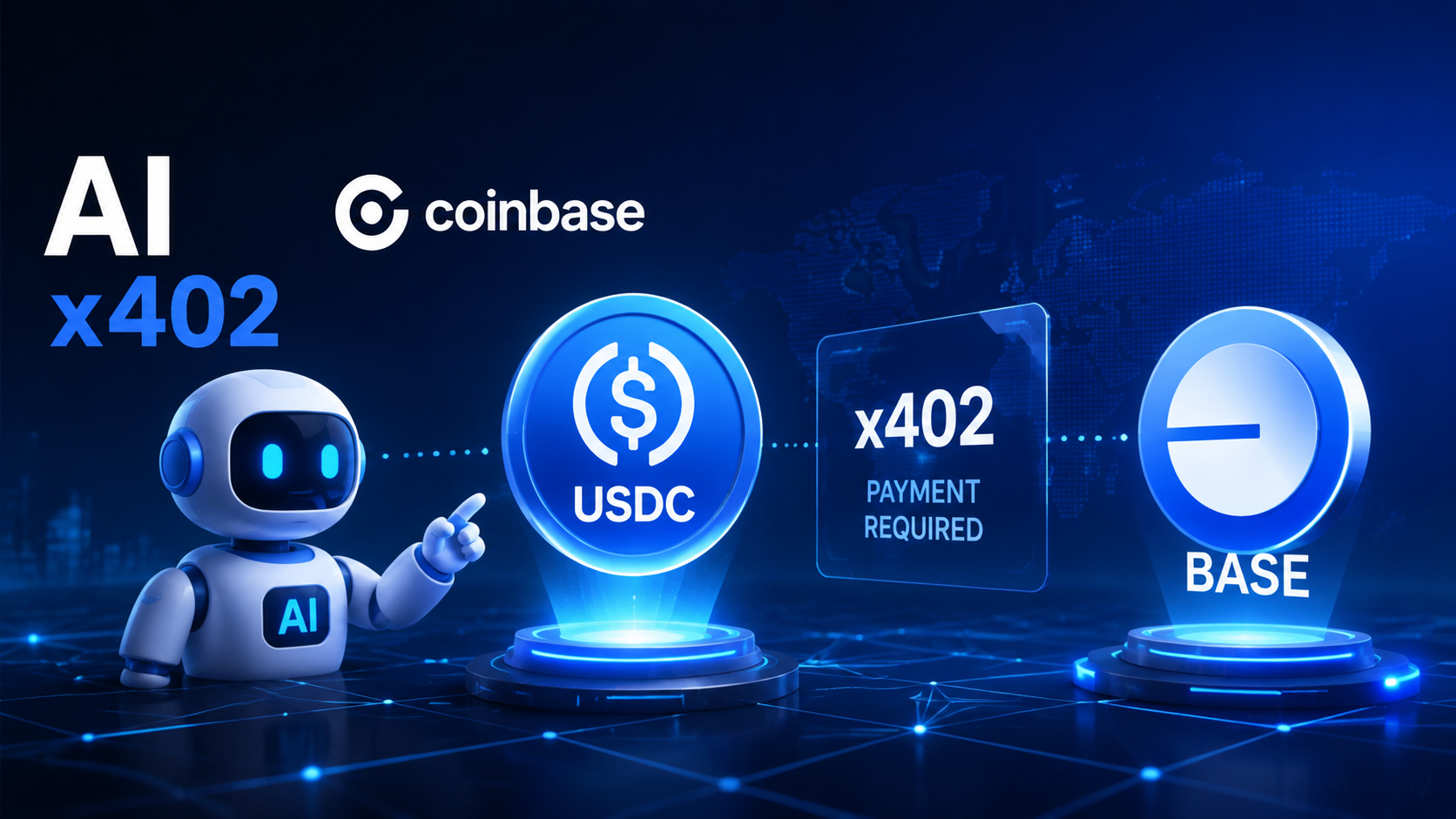
The deep integration of artificial intelligence and distributed ledgers has rapidly accelerated a new paradigm often called Agentic Finance. According to ecosystem telemetry from mid-2026, specialized protocols such as the x402 standard have successfully facilitated tens of millions of machine-to-machine value transfers. The x402 protocol operationalizes the classic HTTP status code, enabling web servers to automatically invoice autonomous scripts for data access and resource utilization within standard code execution loops.
This machine-to-machine framework fundamentally transforms how digital resources are monetized across the internet. Instead of forcing users to establish monthly subscription accounts with credit cards, AI agents can negotiate and pay for data streams on a per-request basis. If an autonomous research agent needs to query a specialized database or rent auxiliary GPU processing power, it can issue an instant micropayment via the x402 protocol, receive the data, and proceed with its task loop seamlessly.
High-throughput scaling environments—specifically Ethereum Layer-2 networks like Base—power the vast majority of these automated transactions. According to network analytics data from July 2026, Base handles massive stablecoin turnover as developers deploy sophisticated AI trading bots and automated asset managers. This vertical synchronization guarantees that machine actors can operate independently across global digital marketplaces with minimal overhead, ensuring network congestion never impedes critical automated workflows.
How to Trade and Leverage AI Crypto Trends on KuCoin
KuCoin offers comprehensive spot markets, derivatives contracts, and liquidity pools for investors seeking exposure to the intersection of artificial intelligence and blockchain technology. Users can effortlessly access leading utility tokens, Layer-2 ecosystem assets, and stablecoin infrastructure by creating an account on the KuCoin platform. By utilizing KuCoin's advanced trading tools, participants can effectively navigate changing market conditions and capitalize on the long-term growth of the automated digital economy.
Conclusion
The convergence of artificial intelligence and cryptocurrency represents a fundamental structural expansion rather than a fleeting market cycle. As Coinbase leadership highlights, viewing digital assets and machine intelligence as separate domains ignores the reality that software agents require native on-chain rails to function efficiently. With automated programs set to dominate future transaction volumes, programmable assets like USDC and high-performance networks like Base are solidifying their roles as the core infrastructure of modern commerce. Recognizing this transition illustrates how machine-to-machine payments will permanently scale the total addressable market for decentralized finance.
FAQs
What is Agentic Finance in the context of modern blockchain adoption?
Agentic Finance defines an economic ecosystem where autonomous AI scripts act as independent financial entities—holding balances, executing micro-payments, and managing digital portfolios using programmable on-chain infrastructure.
Why are legacy bank accounts incompatible with artificial intelligence agents?
AI agents cannot interact with traditional banks because legacy institutions demand human legal identity, physical verification documents, and manual approval delays that clash with automated software execution speed.
What function does the x402 protocol serve in digital payments?
The x402 protocol revives the HTTP payment required status code to let web infrastructure automatically request and receive USDC settlements directly from AI agents during standard API interactions.
Why do developers prefer stablecoins over fiat for machine transactions?
Stablecoins offer instantaneous, 24/7, borderless settlement with minimal transaction costs and native smart contract compatibility, bypassing the geographic restrictions and delays of traditional fiat rails.
How does the Base network facilitate AI-driven transaction scaling?
Base operates as an Ethereum Layer-2 scaling framework that delivers high transaction throughput and low fees, enabling developers to execute millions of low-value, high-frequency agent payments efficiently.