

What Role Do Tokenized Gold Assets Play in the Broader Real-World Asset (RWA) Trend Within Crypto Markets?
Thesis
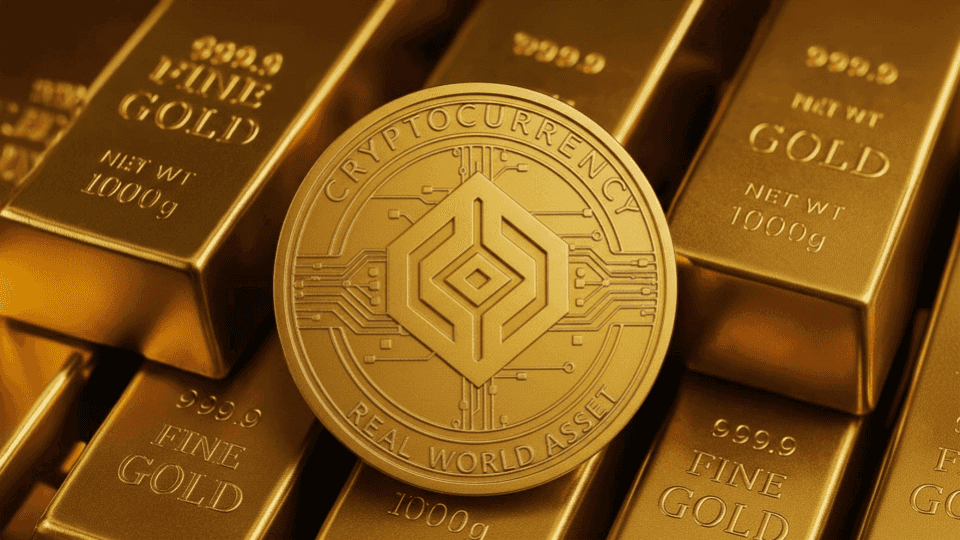
Tokenized gold has moved from a small corner of the crypto world to a central force in the real-world asset (RWA) boom. Physical gold stored in vaults now trades as digital tokens on blockchains, giving investors instant access, 24/7 liquidity, and easy use in decentralized finance. As the broader RWA sector swells past $24 billion in early 2026, tokenized gold stands out for proving that traditional commodities can thrive on-chain.
Tokenized gold serves as the foundational blueprint for the RWA trend by delivering proven liquidity, institutional-grade backing, and programmable features that other assets now copy, accelerating the integration of real-world value into crypto markets.
How Tokenized Gold Achieved Market Dominance Among RWAs
The numbers tell a clear story of a very wide expansion. By early April 2026, the tokenized commodities market reached about $7.37 billion, with gold driving nearly all of it. Tether Gold (XAUT) sits at roughly $2.7 billion market cap while Paxos Gold (PAXG) holds around $2.2-2.4 billion, together commanding about 74% of the category. Broader RWA value hit $24-27 billion, but gold tokens delivered outsized trading activity. In 2025 alone, tokenized gold saw $178 billion in volume, ranking it as the second-largest gold investment product globally after the massive SPDR Gold Shares (GLD) ETF.
This growth stems from a simple mechanism. Issuers like Paxos and Tether buy physical, LBMA-approved gold bars when users deposit funds, store them in secure vaults such as Brink's in London or facilities in Switzerland, and mint equivalent tokens. Each token represents one ounce or a fraction, fully backed and redeemable. Paxos reports over 510,000 ounces backing PAXG. The process creates price stability tied to spot gold while adding blockchain speed and transparency through regular attestations. In early 2026, inflows accelerated as gold prices climbed amid economic uncertainty, pushing the tokenized gold market cap past $6 billion by March.
XAUT expanded to BNB Chain, boosting accessibility, while both tokens trade actively on decentralized exchanges like Uniswap and Curve. This dominance highlights gold's role as the most mature RWA category, far ahead of early-stage tokenized real estate or private credit in terms of daily usability and volume correlation with traditional markets. Chainalysis data shows tokenized gold trading volumes recently crossed into strong correlation territory with physical gold proxies, signaling maturing on-chain behavior that mirrors established financial patterns.
Why Gold Became the Perfect Test Case for On-Chain Commodities
Gold possesses unique traits that made it ideal for early tokenization experiments. It carries centuries of global trust as a store of value, faces standardized pricing and custody practices, and requires no yield to attract holders during uncertain times. Traditional gold ownership involves high barriers: secure storage, insurance, assaying, and slow settlement. Tokenized versions remove those frictions. Investors buy fractions of an ounce for small amounts, transfer tokens instantly across wallets, and use them as collateral without moving physical metal.
In 2026, this accessibility shines during market stress. When equities swing and fiat concerns rise, crypto participants turn to tokenized gold for stability within their portfolios. Unlike volatile native tokens, these assets track real gold prices closely while operating 24/7. Trading data from 2025 shows heavy activity in Q4, coinciding with gold's rally. By Q1 2026, volumes stayed elevated and began aligning more tightly with traditional gold ETF flows, a shift from earlier loose correlations.
Smaller projects like emerging yield-bearing variants add layers, but the core model, 1:1 physical backing with on-chain representation, set the standard. This success encouraged issuers to explore silver, energy, and agricultural commodities, though gold still dwarfs them in scale and liquidity. The category's growth from under $2 billion early in 2025 to over $7 billion demonstrates how tokenization turns illiquid or cumbersome assets into fluid parts of the crypto economy.
Mechanics That Power Tokenized Gold Liquidity
Minting and redemption processes form the backbone. Users send fiat or stablecoins to the issuer, who purchases allocated gold bars, verifies them, and issues tokens. Redemption works in reverse, often with minimum thresholds for physical delivery to keep operations efficient. On-chain, tokens move freely with low fees on networks like Ethereum, Arbitrum, or BNB Chain. This setup generates deep liquidity pools where traders swap tokens against stablecoins or other assets without traditional brokers.
Daily volumes frequently exceed what smaller gold ETFs handle, thanks to perpetual contracts and DeFi integrations. In early 2026, XAUT recorded strong perpetual trading, sometimes topping $6 billion daily across platforms. Transparency comes via public attestations and dashboards, such as Paxos' real-time audit tools.
These features build confidence that each token matches real metal in a vault. The result is a hybrid product: the safety of physical gold plus the programmability of smart contracts. Developers use these tokens in lending protocols, where they serve as collateral for borrowing stablecoins, creating yield opportunities without selling the underlying exposure. This liquidity engine sets tokenized gold apart and provides a template for other RWAs seeking similar seamless trading and composability.
Players Quietly Scaling Exposure Through Gold Tokens
Large players have increased activity without fanfare. Asset managers and funds allocate to tokenized gold for portfolio diversification and efficient settlement. One notable accumulation saw a single entity add nearly $30 million in PAXG and XAUT in March 2026 as a hedge. Tether itself holds significant physical gold, estimates reached 140 metric tons, positioning the issuer as a major player beyond its stablecoin dominance. Paxos saw $248 million in inflows during January 2026 alone, lifting its backed ounces substantially.
Banks have entered directly. In April 2026, Singapore's OCBC Bank launched GOLDX, a tokenized gold fund on Ethereum and Solana aimed at institutional clients, allowing subscriptions with stablecoins or fiat in regulated setups. Such moves bridge traditional finance rails with blockchain speed. Institutions value the ability to move exposure quickly, use tokens in structured products, or settle trades near-instantly.
Tokenized gold offers custody advantages and fractional ownership at scale, appealing to wealth managers handling client allocations. As RWA total value climbs toward $30 billion, gold's share proves institutions prefer assets with clear backing, established markets, and proven redemption paths. This quiet scaling builds infrastructure that benefits the entire sector.
DeFi Innovations Turning Tokenized Gold Into Programmable Collateral
DeFi protocols have embraced tokenized gold as reliable collateral. Users deposit PAXG or XAUT to borrow against them, earn lending yields, or participate in liquidity pools. New products like yield-bearing variants, such as those from Theo with Libeara or commitments like the $48 million to XAUE protocols, add returns while preserving gold price exposure. This addresses gold's traditional lack of yield, making it more attractive in yield-hungry crypto environments. On platforms like Aave or specialized RWA integrators, tokenized gold enables complex strategies: hedging crypto volatility, creating synthetic positions, or building diversified baskets.
Trading occurs around the clock, and smart contracts automate rebalancing or liquidations based on oracle feeds. Chainalysis tracked over $40 billion in tokenized gold volumes across chains, showing real usage beyond speculation. In portfolios mixing BTC, ETH, and tokenized gold, dynamic strategies using these assets have delivered higher Sharpe ratios and lower drawdowns in simulations covering volatile periods. The composability turns static gold holdings into active financial tools, a leap that pure physical or ETF gold cannot match. This integration cements tokenized gold's position as a DeFi primitive and inspires similar applications for other commodities.
Real Investor Experiences Show Daily Utility in Volatile Times
Traders and long-term holders describe practical benefits. A crypto portfolio manager in Asia shifted part of his holdings to XAUT during a 2025 equity dip, using the tokens as collateral to maintain positions without liquidation pressure. He redeemed a small portion for physical delivery later, confirming the process worked smoothly through authorized channels. Another retail participant in Europe fractionalized gold exposure for the first time, buying tiny amounts weekly via a DEX and watching it appreciate alongside spot prices while earning fees from providing liquidity.
In emerging markets, users in regions with currency volatility or limited banking access turn to tokenized gold for savings. One small business owner in Southeast Asia converted excess stablecoin holdings into PAXG to preserve value during local inflation spikes, later swapping portions for operational needs. These stories highlight accessibility: no need for vault visits or large minimums. Wallets increased by over 115,000 for tokenized gold products in recent growth phases. While not every holder redeems physically, the option and transparent reserves provide peace of mind. Such human-scale adoption builds organic demand that complements institutional flows and keeps the ecosystem vibrant.
Cross-Chain Expansion Broadens Access for Global Participants
Early concentration on Ethereum gave way to multi-chain strategies. XAUT's move to BNB Chain in early 2026 lowered fees and sped up transactions for users in high-gas environments. Other tokens explore Solana and Arbitrum for faster settlements. This expansion reduces barriers for participants in different regions and time zones, enabling seamless transfers between ecosystems. Liquidity follows the chains. Deeper pools on multiple networks mean tighter spreads and higher overall trading efficiency. Developers build bridges and wrappers that let users move exposure without full redemption.
The result is a more inclusive market where someone in Nigeria or Brazil can access the same gold-backed asset as a fund in Singapore. This geographic spread strengthens the RWA narrative by showing blockchain's borderless nature applied to timeless assets. As infrastructure matures, tokenized gold flows more freely, supporting 24/7 global markets that traditional gold trading cannot fully replicate.
Portfolio Role of Tokenized Gold During Market Stress Periods
Analysis of mixed crypto portfolios reveals tokenized gold's stabilizing effect. In backtests combining BTC, ETH, and assets like XAUT or PAXG, allocations to tokenized gold reduced overall volatility while preserving upside. Dynamic rebalancing strategies that adjust weights based on market conditions outperformed static mixes, achieving better risk-adjusted returns. Gold tokens act as an anchor when native crypto assets swing wildly, allowing automated contracts to shift exposure efficiently.
Investors use them to dampen drawdowns during crypto winters or equity sell-offs. Because the tokens track physical gold, they respond to macro drivers like inflation fears or geopolitical events rather than pure sentiment. In 2026's environment of rate uncertainty and debt concerns, this correlation provides a hedge inside the crypto wallet. Portfolio simulations show Sharpe ratios improving significantly with modest tokenized gold inclusions, especially under adaptive rules. This practical utility positions gold tokens as essential building blocks rather than mere side holdings in diversified crypto strategies.
Comparison of Leading Tokenized Gold Products in 2026
PAXG and XAUT lead but differ in nuances. Paxos emphasizes regulatory oversight and monthly attestations with London storage, appealing to institutions seeking compliance familiarity. Fees include a small creation/redemption charge, yet transparency tools like real-time dashboards enhance trust. XAUT benefits from Tether's distribution muscle, multi-chain presence, and no on-chain transfer fees beyond gas, driving higher trading volumes in some periods. Its reserves have grown aggressively, reflecting the issuer's broader gold strategy.
Smaller entrants experiment with yield or regional sourcing, such as projects tied to specific mines, but face challenges scaling liquidity and reserves. The duopoly controls over 90% of market share, creating network effects where liquidity begets more liquidity. Users choose based on needs: regulatory preference, chain availability, or redemption ease. This competitive dynamic pushes continuous improvements in audits, accessibility, and features, benefiting the entire category as it matures within the RWA space.
Emerging Yield Features Reshaping Gold Token Economics
Traditional gold offers no income, but tokenized versions now incorporate yield layers. Protocols partner to lend out backed assets or integrate with structured products that generate returns from collateral use while maintaining price exposure. Commitments like institutional allocations to yield-enhanced gold tokens signal demand for productive hard assets. These innovations solve a key limitation. Holders can earn lending interest or protocol rewards without selling, improving holding economics during flat gold periods.
In DeFi, tokenized gold collateral is earned while securing loans, creating efficiency. Early data shows uptake among yield seekers who still want inflation protection. As more products launch, the line between pure store-of-value and income-generating assets blurs, attracting fresh capital. This evolution draws parallels to how stablecoins expanded from simple pegs to yield-bearing instruments, suggesting tokenized gold will follow a similar path of sophistication.
Future Outlook for Tokenized Gold Within Expanding RWA Markets
Projections point to continued growth as RWA infrastructure improves. With total tokenized assets potentially heading much higher, gold's role as the liquid, trusted entry point persists. New chains, better interoperability, and standardized custody could push the category toward tens of billions. Integration with tokenized Treasuries or equities might create hybrid products offering both yield and hard-asset backing.
Gold's historical safe-haven status pairs with blockchain's efficiency to serve diverse needs: hedging, collateral, settlement, and savings. As more banks and asset managers experiment, tokenized gold could become a standard portfolio component across TradFi and DeFi. The blueprint it provides, reliable backing, high liquidity, and programmability, accelerates tokenization of other commodities and assets. In 2026, tokenized gold does not just participate in the RWA trend; it actively shapes how real value moves and functions in crypto markets.
How Tokenized Gold Influences Broader Commodity Tokenization Efforts
Success with gold paves the way for silver, oil, and agricultural products. Teams study its minting models, audit standards, and DeFi integrations to adapt for less standardized assets. Early energy and farm commodity tokens remain small, but lessons from gold's volume surges and correlation improvements speed development. Shared infrastructure ideas, such as potential industry-wide custody standards discussed in gold circles, could benefit multiple categories.
This spillover effect strengthens the entire RWA narrative. Investors gain diversified on-chain exposure to raw materials without physical hassles. Developers build tools once for gold that extend to others. The momentum creates a flywheel where proven gold liquidity draws capital that then funds expansion into adjacent commodities, deepening blockchain's footprint in global markets.
Integration Paths Between Tokenized Gold and Traditional Finance Systems
Bridges to TradFi grow through bank-issued products and institutional platforms. Initiatives like OCBC's GOLDX show regulated entities offering tokenized exposure via familiar channels. Settlement using stablecoins or direct fiat ramps lowers entry costs for funds. Some platforms allow hedge funds to subscribe with traditional rails while gaining on-chain benefits.
This convergence improves capital efficiency. Banks settle gold positions faster, reduce counterparty risks through transparent ledgers, and offer clients hybrid products. For crypto users, it means easier on-ramps and off-ramps. Over time, tokenized gold may serve as a common collateral layer accepted by both decentralized protocols and centralized institutions, blurring lines and expanding total addressable use cases far beyond current levels.
FAQs
1. How does tokenized gold actually work for everyday crypto users?
Tokenized gold represents physical bullion held in professional vaults. Users buy tokens on exchanges or DeFi platforms using stablecoins or fiat ramps. The tokens track gold spot prices closely and can be held, traded, or used as collateral in lending protocols. Redemption for physical gold is possible through issuers, usually above certain thresholds, while most people simply trade the digital version for convenience and liquidity.
2. What makes PAXG and XAUT different from other gold investment options?
These tokens combine physical backing with blockchain features like instant transfers and DeFi compatibility. Traditional ETFs or physical bars involve slower settlement and higher logistical costs. Tokenized versions offer 24/7 trading, fractional ownership down to small amounts, and the ability to earn yield in certain protocols, all while maintaining 1:1 reserves verified through attestations.
3. Can institutions really use tokenized gold in their portfolios today?
Yes, growing evidence shows allocations for diversification and efficient exposure. Banks have launched their own tokenized products, and large accumulations occur during uncertain periods. The assets provide transparent custody records and fast settlement, fitting into strategies that mix traditional and digital holdings.
4. How much trading activity happens in tokenized gold markets?
Volumes reached $178 billion in 2025, with strong continuation into 2026. This activity often surpasses many traditional gold products on a relative basis and supports deep liquidity pools across chains. Daily flows respond to both crypto market moves and broader gold price drivers.
5. Are there ways to earn returns on tokenized gold holdings?
Beyond price appreciation, users participate in liquidity provision, lending protocols, or newer yield-bearing gold tokens. These options let holders generate income from collateral use while keeping exposure to gold's value, adding flexibility not available in physical or standard ETF forms.
6. What should someone consider before adding tokenized gold to their crypto strategy?
Focus on issuer transparency, reserve attestations, chain liquidity, and personal risk tolerance. Start with small positions on reputable platforms, understand redemption processes, and monitor how the tokens fit overall portfolio balance during different market conditions.