

Hong Kong Web3 Carnival Recap
Introduction
Hong Kong Web3 Carnival has quickly become one of the most influential gatherings in the global crypto and blockchain calendar. Unlike earlier industry events that leaned heavily on hype cycles, this year’s edition reflected something more grounded, a market transitioning toward real-world applications, regulatory clarity, and institutional participation.
The timing of the event is critical. The broader crypto market is stabilizing after volatile cycles, while governments and financial institutions are taking more structured approaches to digital assets. Hong Kong, in particular, has positioned itself as a gateway between East and West, making it a strategic location for conversations around Web3 adoption.
This recap explores the most important developments from the event, from regulatory frameworks and technological innovation to market sentiment and investment opportunities, providing a comprehensive look at where the industry is heading next.
Inside the Hong Kong Web3 Carnival: Event Highlights and Key Specs
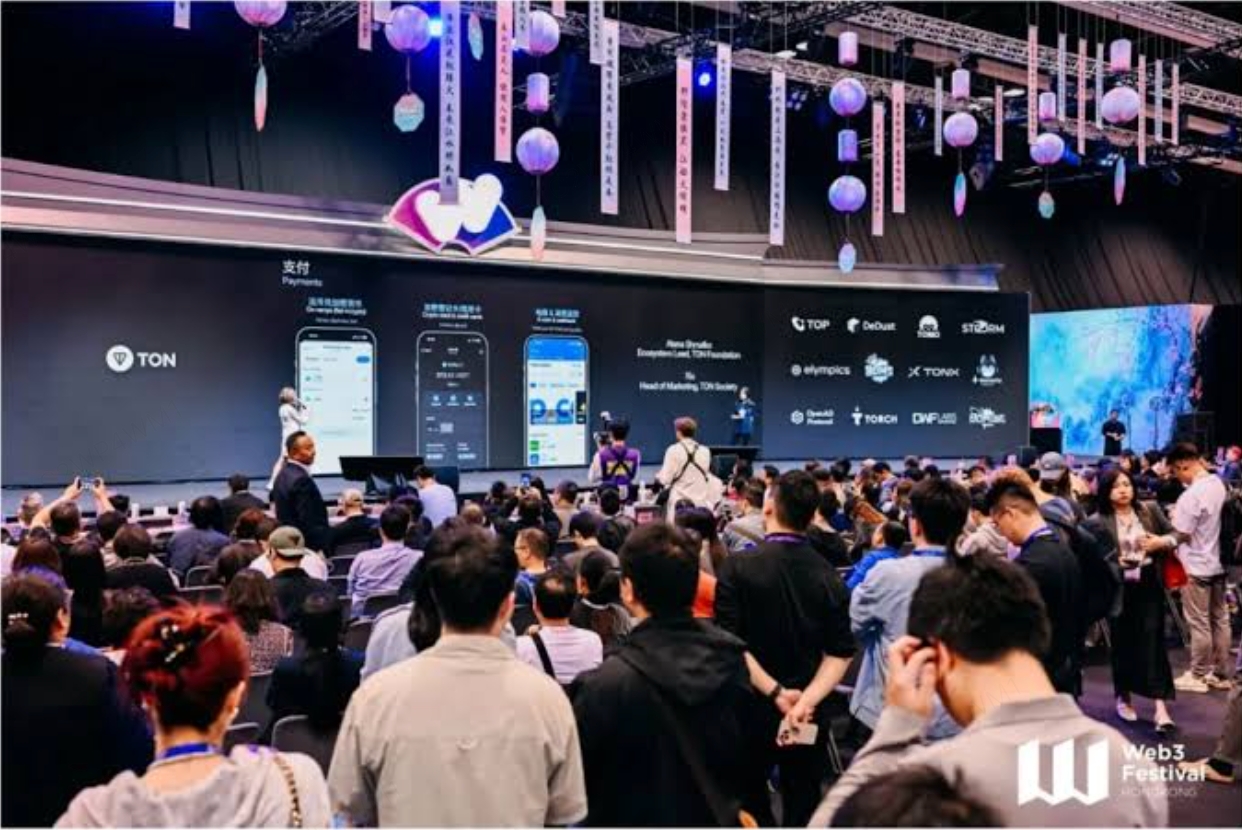
The Hong Kong Web3 Carnival served as a convergence point for multiple layers of the blockchain ecosystem, bringing together builders, investors, regulators, and infrastructure providers under one roof. What stood out immediately was the shift in tone, less emphasis on speculative excitement and more focus on execution, scalability, and long-term sustainability.
One of the dominant highlights was the emphasis on real-world adoption. Speakers explored how blockchain is being integrated into financial services, supply chains, and identity systems. This shows a broader industry movement away from isolated crypto-native use cases toward solutions that interact with traditional systems.
Major theme was institutional readiness. Discussions moved beyond whether institutions will adopt crypto to how they are structuring portfolios, managing custody, and navigating compliance. According to CoinGecko, recent industry reports show increasing capital concentration in high-liquidity assets and infrastructure projects, signaling a maturing investment landscape.
Additionally, the event showed the importance of infrastructure development. Topics such as cross-chain interoperability, scalability, and developer tooling were frequently discussed, indicating that the next phase of Web3 growth will depend heavily on backend improvements rather than front-end hype.
Overall, the event’s highlights suggest a clear transition: Web3 is evolving from a narrative-driven market into a system focused on measurable value creation.
What Made This Year’s Web3 Carnival Stand Out?
This year’s Web3 Carnival stood out not because of flashy announcements, but because of the depth and seriousness of its discussions. The event reflected an industry that is becoming more disciplined, data-driven, and aligned with traditional financial standards.
One distinguishing factor was the quality of participants. Institutional investors, compliance experts, and policymakers played a much larger role compared to previous years. This shift indicates that Web3 is no longer operating in isolation, it is increasingly integrated into the broader financial ecosystem.
Another defining element was the focus on risk management. Panels addressed topics such as liquidity risks, counterparty exposure, and regulatory compliance. These discussions are critical as the industry attracts larger pools of capital that require structured risk frameworks.
The event also highlighted the growing importance of regional leadership. Hong Kong positioned itself not just as a host city, but as a strategic hub for Web3 development in Asia. This aligns with global trends showing increased activity in the region.
Moreover, the conversations were forward-looking rather than reactive. Instead of analyzing past market cycles, speakers focused on building sustainable models for growth. This included discussions on token economics, long-term funding strategies, and infrastructure scalability.
In essence, what made this year stand out was its maturity. The event demonstrated that Web3 is entering a phase where credibility, compliance, and practical utility matter more than hype.
A Snapshot of Attendance, Partners, and Global Participation
The scale and diversity of participation at the Hong Kong Web3 Carnival shows the global nature of the blockchain industry. Attendees included representatives from Asia, Europe, North America, and emerging markets, highlighting the widespread interest in Web3 development.
A key observation was the strong presence of institutional participants. Asset managers, venture capital firms, and financial institutions were actively engaged in discussions, signaling growing confidence in the sector. This aligns with data from Chainalysis, which shows increasing adoption rates across multiple regions, particularly in Asia and developing economies.
The event also featured a wide range of partners, including:
-
Blockchain infrastructure companies
-
DeFi platforms
-
Centralized and decentralized exchanges
-
Fintech startups
This diversity shows the interconnected nature of the ecosystem, where collaboration between different sectors is essential for growth.
Another notable aspect was the participation of government and regulatory representatives. Their presence underscores the importance of policy in shaping the future of Web3.
The event attracted a large number of developers and builders, indicating strong grassroots engagement. This combination of institutional and grassroots participation creates a balanced environment where innovation and capital can coexist.
Overall, the attendance and partnerships at the event demonstrate that Web3 is no longer a niche industry, it is a global movement with increasing institutional backing.
Key Attendees For 2026 Carnival
This same event is still going to take place in 2026 by April and the Hong Kong Web3 Carnival, will be co-hosted by Wanxiang Blockchain Lab and HashKey Group and will be featuring an elite roster of speakers, including Hong Kong’s Financial Secretary Paul Chan Mo-po and representatives from global giants like BlackRock, HSBC, and OKX, the summit aims to bridge the gap between niche exploration and mainstream digital asset allocation.
Supported by major industry partners such as Cyberport and the Solana Foundation, the carnival will explore the last mile of cross-border compliance and the emerging AI agent economy, solidifying Hong Kong’s position as a premier global hub for digital innovation and financial transformation.
The Rise of Asia as a Global Web–3 Hub
Asia is rapidly emerging as a dominant force in the Web3 ecosystem, and the Hong Kong Web3 Carnival reinforced this trend. The region’s growth is driven by a combination of regulatory clarity, technological innovation, and high user adoption.
Hong Kong, in particular, has positioned itself as a strategic gateway. Its regulatory framework aims to balance innovation with investor protection, making it an attractive destination for companies seeking stability. This contrasts with more restrictive environments in other regions, where uncertainty can limit growth.
Another factor contributing to Asia’s rise is its strong fintech infrastructure. Countries in the region have embraced digital payments and financial technology, creating a foundation for blockchain integration.
According to Chainalysis, several Asian countries rank among the highest in global crypto adoption, driven by both retail usage and institutional activity.
The region benefits from a large and tech-savvy population, which accelerates the adoption of new technologies. This demographic advantage supports the rapid development of Web3 applications.
The event also highlighted the role of regional collaboration. Partnerships between companies across Asia are helping to build interconnected ecosystems that can compete on a global scale.
Asia’s rise as a Web3 hub is not accidental, it is the result of strategic policy decisions, technological readiness, and strong market demand.
Key Narratives Shaping the Web3 Ecosystem in 2026
The Web3 ecosystem in 2026 is being shaped by several key narratives that reflect a shift toward maturity and sustainability.
One of the most prominent narratives is utility over speculation. Projects are increasingly focused on delivering real-world value rather than relying on hype-driven growth. This includes applications in finance, logistics, and digital identity.
Another important theme is institutional integration. Large financial players are entering the market with structured strategies, bringing increased liquidity and stability. According to CoinMarketCap, market capitalization remains concentrated in major assets, indicating a preference for reliability and scale.
The narrative of interoperability is also gaining traction. As the ecosystem grows, the ability for different blockchains to communicate and share data becomes increasingly important.
Additionally, regulatory alignment is shaping how projects operate. Companies are designing products with compliance in mind, ensuring they can function within legal frameworks.
There is a growing emphasis on user experience. Simplifying interfaces and improving accessibility are critical for attracting mainstream users.
These narratives collectively indicate that Web3 is moving beyond its experimental phase. The focus is now on building systems that are scalable, compliant, and capable of delivering long-term value.
From Speculation to Utility: The Shift in Blockchain Innovation
A clear takeaway from the Hong Kong Web3 Carnival is that the industry is actively moving away from speculation-driven models toward utility-focused innovation. In earlier cycles, many projects relied heavily on token price appreciation as their primary value proposition. That model is no longer sustainable in a maturing market.
Today, builders are prioritizing real-world applications. These include blockchain-based payment systems, supply chain tracking, decentralized identity solutions, and tokenized financial instruments. The shift reflects a broader demand for technologies that solve tangible problems rather than simply creating new digital assets.
This transition is supported by market data. According to CoinGecko, sectors such as decentralized finance (DeFi) and real-world asset (RWA) tokenization are gaining traction due to their practical applications. These sectors are attracting both developers and investors who are looking for sustainable growth opportunities.
Another important factor is user expectation. As more people enter the Web3 space, there is a growing demand for products that are intuitive, reliable, and integrated with existing systems. This has pushed developers to focus on usability and performance.
The discussions at the carnival made it clear that the future of blockchain innovation will be defined by its ability to deliver measurable value, not just speculative returns.
How Institutional Interest is Reshaping the Crypto Landscape
Institutional participation has become one of the most transformative forces in the crypto industry. At the Hong Kong Web3 Carnival, this trend was evident in both the composition of attendees and the depth of discussions.
Institutional investors bring a different approach to the market. Unlike retail participants, they focus on long-term strategies, risk management, and regulatory compliance. This has introduced a new level of discipline into the ecosystem.
Institutional interest also influences market behavior. Increased liquidity reduces volatility, while structured investment strategies lead to more stable price movements.
Institutions are driving improvements in infrastructure, including custody solutions, compliance systems, and trading platforms. These developments benefit the entire ecosystem by raising standards.
At the carnival, discussions emphasized that institutional participation is not just a trend, it is a structural shift that will continue to shape the industry for years to come.
Hong Kong’s Regulatory Approach to Web3 and Digital Assets
Hong Kong has positioned itself as one of the most forward-thinking jurisdictions in the Web3 space. Its regulatory approach aims to strike a balance between innovation and investor protection.
The city has introduced licensing frameworks for crypto exchanges, requiring them to meet strict standards related to security, transparency, and compliance. This creates a more stable environment for both businesses and users.
Unlike regions with unclear or restrictive policies, Hong Kong provides a level of predictability that is attractive to global companies. This has led to an influx of firms seeking to establish a presence in the region.
The importance of regulation was a major topic at the carnival. Participants discussed how clear guidelines can encourage innovation by reducing uncertainty.
Hong Kong’s model demonstrates that regulation does not have to hinder growth. Instead, it can provide a foundation for sustainable development.
Balancing Innovation and Compliance in a Global Market
Operating in the global Web3 ecosystem requires companies to navigate a complex web of regulations. Each jurisdiction has its own rules, creating challenges for businesses that operate internationally.
At the Hong Kong Web3 Carnival, this issue was addressed through multiple panels and discussions. Industry leaders emphasized the need for flexible strategies that allow companies to adapt to changing regulatory environments.
Compliance is no longer optional. Companies must invest in legal expertise, monitoring systems, and internal processes to ensure they meet regulatory requirements. At the same time, they must continue to innovate to remain competitive.
This balance is difficult to achieve. Over-regulation can stifle innovation, while under-regulation can lead to risks and instability. The key is finding a middle ground that supports growth while protecting users.
Global coordination is another important factor. As the industry grows, there is increasing pressure for regulators to align their approaches. This would reduce complexity and create a more unified market.
The discussions at the carnival highlighted that successful companies will be those that can integrate compliance into their innovation strategies rather than treating it as an afterthought.
What Global Regulators Can Learn from Hong Kong
Hong Kong’s approach to Web3 regulation offers valuable lessons for other jurisdictions.
One of the key strengths of its framework is clarity. By providing clear guidelines, regulators reduce uncertainty and encourage companies to invest and build within the region.
Another important aspect is collaboration. Hong Kong regulators actively engage with industry participants, allowing them to understand emerging technologies and adapt policies accordingly.
This collaborative approach contrasts with more rigid regulatory models, where policies are imposed without sufficient industry input. The result is often slower innovation and reduced competitiveness.
Hong Kong also demonstrates the importance of phased implementation. Instead of introducing sweeping regulations all at once, it gradually develops its framework, allowing the market to adjust.
These strategies create an environment that supports both innovation and stability. For global regulators, the key takeaway is that effective regulation requires flexibility, transparency, and ongoing dialogue with industry stakeholders.
Breakthrough Technologies Showcased at the Carnival
The Hong Kong Web3 Carnival served as a platform for showcasing some of the most promising technologies in the blockchain space.
Among the highlights were advancements in:
-
Zero-knowledge proofs (ZK technology)
-
Cross-chain interoperability
-
Scalable blockchain infrastructure
Zero-knowledge technology, in particular, is gaining attention for its ability to enhance privacy while maintaining transparency. This has important implications for financial applications and data security.
Cross-chain solutions are addressing one of the biggest challenges in Web3: fragmentation. By enabling different blockchains to communicate, these technologies improve efficiency and expand use cases.
Scalability remains a key focus. Developers are working on solutions that can handle increased transaction volumes without compromising security or decentralization.
These innovations reflect a shift toward building the underlying infrastructure needed for mass adoption.
Layer-2 Scaling, ZK Tech, and the Future of Blockchain Efficiency
Layer-2 scaling solutions and zero-knowledge technology are at the forefront of efforts to improve blockchain efficiency.
Layer-2 solutions operate on top of existing blockchains, allowing transactions to be processed more quickly and at lower cost. This is essential for supporting large-scale applications.
Zero-knowledge proofs enable secure data verification without revealing sensitive information. This enhances privacy and opens up new possibilities for applications in finance, identity, and governance.
The combination of Layer-2 scaling and ZK technology has the potential to transform blockchain performance, making it more suitable for mainstream use.
Top Projects and Companies Making Headlines
The Hong Kong Web3 Carnival wasn’t just a discussion forum, it was a showcase of projects actively shaping the next phase of the industry. What stood out this year was the shift from early-stage experimentation to execution-ready platforms with measurable traction.
Infrastructure providers dominated attention. Projects focused on scalability, interoperability, and modular blockchain design attracted strong institutional and developer interest. This aligns with broader ecosystem data from CoinGecko, which shows that infrastructure and Layer-2 ecosystems continue to capture a significant share of developer activity and capital allocation
DeFi platforms present at the event also reflected maturity. Instead of chasing unsustainable yields, newer protocols are focusing on risk-adjusted returns, collateral efficiency, and integration with real-world assets. This signals a move toward long-term viability rather than short-term incentives.
Another category gaining traction was real-world asset (RWA) platforms, which tokenize assets like bonds, real estate, and commodities. According to Boston Consulting Group, in partnership with digital asset platform ADDX, projects that the market for tokenized assets could grow 50-fold to reach $16.1 trillion by 2030.
The presence of established companies alongside emerging startups created a balanced ecosystem. It showed that innovation is no longer isolated, it is being integrated into broader financial and technological systems.
How Exchanges Like KuCoin Are Positioning for the Next Growth Cycle
Crypto exchanges are no longer just trading platforms, they are growing into full-stack financial ecosystems. At the Hong Kong Web3 Carnival, this shift was evident in how exchanges positioned their strategies around user experience, product diversity, and global expansion.
KuCoin, in particular, continues to focus on broad market access and product diversification. Its ecosystem spans spot trading, derivatives, staking, and passive income products, allowing users to engage with the market beyond simple buy-and-sell strategies.
Another strategic focus is emerging market expansion. Regions in Asia, Africa, and Latin America are seeing increased crypto adoption due to currency instability, remittance needs, and financial inclusion gaps. Exchanges that build localized solutions are better positioned to capture this growth.
Security and compliance are also central to exchange positioning. As institutional participation increases, exchanges must meet higher standards in custody, transparency, and regulatory alignment.
Ultimately, exchanges like KuCoin are adapting to a market that demands more than liquidity, users now expect security, innovation, and a comprehensive financial experience.
Strategic Partnerships and Ecosystem Collaborations Announced
Partnerships announced during the Hong Kong Web3 Carnival highlight a key reality of the industry: no single entity can scale Web3 alone. Collaboration is becoming a fundamental driver of growth.
Many of the partnerships focused on interoperability, aiming to connect fragmented blockchain ecosystems. Cross-chain solutions are critical for enabling seamless asset transfers and data sharing across networks, which improves user experience and expands use cases.
Another area of collaboration was between traditional finance (TradFi) and Web3 platforms. Financial institutions are increasingly partnering with blockchain companies to explore tokenization, custody solutions, and digital asset trading infrastructure.
Investor Sentiment: What Traders and VCs Are Watching
Investor sentiment at the Hong Kong Web3 Carnival reflected a market that is optimistic but disciplined. Unlike previous cycles driven by hype, current sentiment is grounded in data, macroeconomic conditions, and technological progress.
Venture capital firms are increasingly selective, focusing on projects with strong fundamentals, experienced teams, and clear use cases. This reflects a shift toward quality over quantity in investment decisions.
At the carnival, discussions highlighted that sentiment is no longer driven solely by price action. Instead, it is shaped by a combination of:
-
Institutional flows
-
Regulatory developments
-
Technological progress
This indicates a more mature and resilient market environment.
Emerging Investment Opportunities in Web3
The Hong Kong Web3 Carnival provided a clear view of where capital is likely to flow in the coming years. Emerging opportunities are increasingly concentrated in areas that combine innovation with real-world applicability.
One of the most promising sectors is real-world asset tokenization. By bringing traditional assets onto the blockchain, this segment offers improved liquidity, transparency, and accessibility. Institutional interest in this space continues to grow.
These opportunities reflect a broader trend: investors are moving toward sectors that offer long-term value rather than short-term gains.
What’s Next After the Hong Kong Web3 Carnival?
The Hong Kong Web3 Carnival is not just a reflection of the current state of the industry, it is a signal of what lies ahead.
One of the most important trends to watch is regulatory evolution. As more jurisdictions develop clear frameworks, the industry is likely to see increased institutional participation and market stability.
Technological progress will also play a key role. Advancements in scalability, privacy, and interoperability will determine how quickly Web3 can achieve mainstream adoption.
Market structure is another critical factor. The continued growth of institutional capital, combined with improving infrastructure, could lead to more stable and efficient markets.
Key Takeaways for Builders, Traders, and Investors
The Hong Kong Web3 Carnival offers several important insights for different participants in the ecosystem.
For builders, the message is clear: focus on creating solutions that deliver real value. Infrastructure, scalability, and user experience will be key differentiators.
For traders, understanding market dynamics is essential. Institutional participation, macroeconomic factors, and regulatory developments all influence price movements.
For investors, the emphasis should be on long-term strategies. Identifying sectors with strong fundamentals and growth potential is more important than chasing short-term trends.
Across all groups, one theme stands out, the importance of adaptability. The Web3 industry is developing rapidly, and those who can adjust to changing conditions are more likely to succeed.
Conclusion
The Hong Kong Web3 Carnival shows a turning point in the evolution of the crypto industry. It reflects a shift from speculation to structure, from hype to execution, and from isolation to integration with global financial systems.
The discussions, partnerships, and innovations showcased at the event point toward a future where Web3 is not just an emerging technology, but a foundational layer of the digital economy.
Frequently Asked Questions (FAQ)
What is the Hong Kong Web3 Carnival?
It is a major global conference that brings together blockchain developers, investors, regulators, and companies to discuss trends, innovation, and the future of Web3.
Why is Hong Kong important for Web3 development?
Hong Kong offers a balanced regulatory framework, strong financial infrastructure, and a strategic position connecting Eastern and Western markets.
What were the main themes of the event?
Key themes included institutional adoption, regulatory clarity, blockchain scalability, and real-world applications.
Is institutional investment really increasing in crypto?
Yes. Data from platforms like CoinMarketCap shows strong inflows into products like Bitcoin ETFs, indicating sustained institutional interest.
What are the biggest opportunities in Web3 right now?
Major opportunities include real-world asset tokenization, blockchain infrastructure, DeFi innovation, and AI integration.
How are exchanges evolving in this market?
Exchanges are expanding beyond trading to offer staking, derivatives, and full financial ecosystems while improving compliance and security.
What risks should investors consider?
Key risks include regulatory uncertainty, market volatility, and technological vulnerabilities.
What’s the future outlook for Web3?
The industry is expected to grow steadily, driven by adoption, institutional participation, and technological innovation.